


Secondary sourceArtifact1920
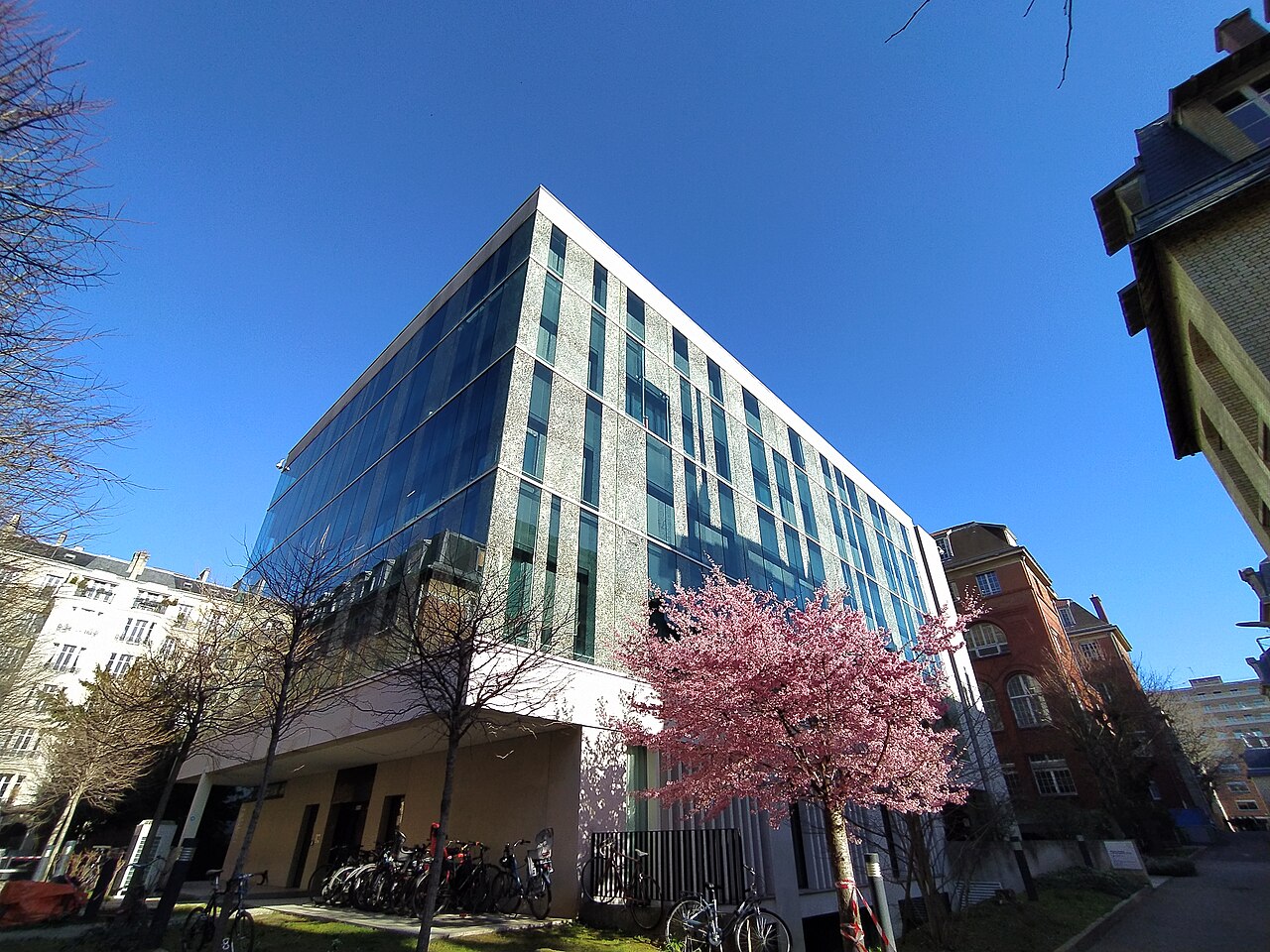
Curie Institute
1920
A Paris research laboratory she helped plan and directed from 1914, later home to her daughter's Nobel-winning research.
The institute she planned and directed became the lasting home of her research school after her death.
About this source
What it is
The Curie Institute is a research and hospital centre in Paris that grew out of the Institut du Radium, the laboratory Marie Curie planned and directed from 1914.
A foundation to fund the laboratory and a hospital was set up in 1920, and the first hospital opened in 1922.
Why it matters
This building shows how Curie turned her scientific discoveries into a lasting institution for research and cancer treatment. Her daughter Irène and son-in-law Frédéric Joliot-Curie later worked there and won a Nobel Prize themselves.
Look closer
- Why might a scientist want to build her own research institute rather than work in someone else's lab?
- What does it mean that Curie's family continued her scientific work at this same institute?
- What does this building not tell us about the day-to-day dangers of radioactivity research?
This artifact is part of the curated material that grounds the AI version of Marie Curie on Humy.ai — when students ask about related events, the AI can quote it and cite it.
More Marie Curie sources
Meet the AI Marie Curie →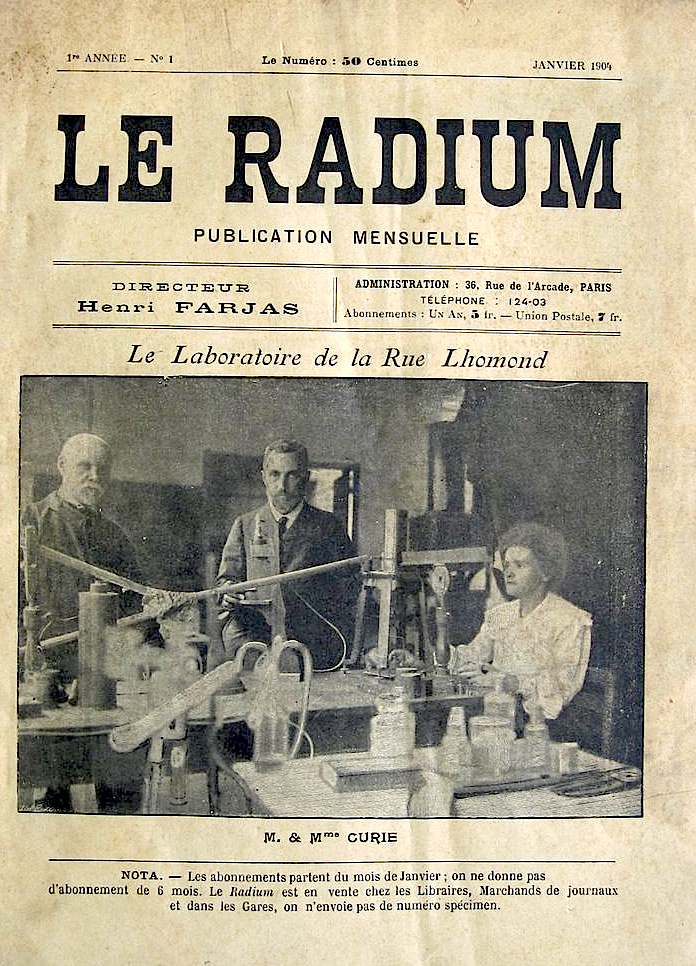 Photograph
Primary source
Photograph of Pierre and Marie Curie in their Laboratory, rue Lhomond
c. 1898-1904
 Book
Primary source
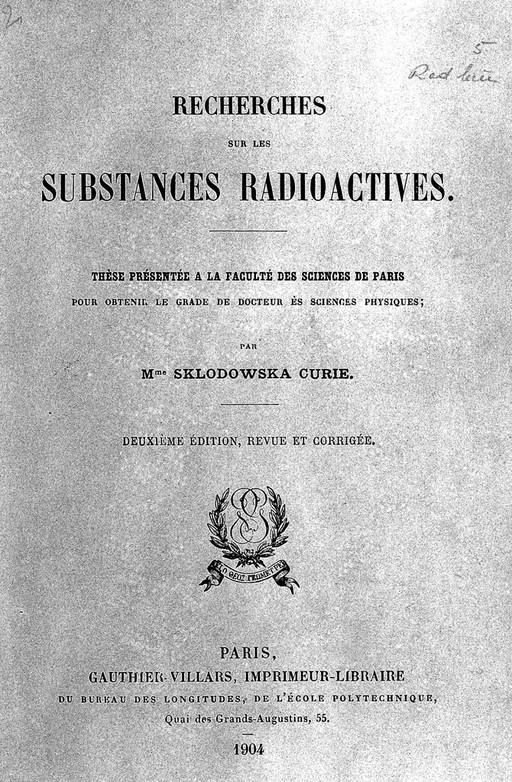
Recherches sur les substances radioactives
Marie Curie · 1904
Primary source
Rayons émis par les composés de l'uranium et du thorium
Marie Curie · 12 April 1898
 Artifact
Primary source
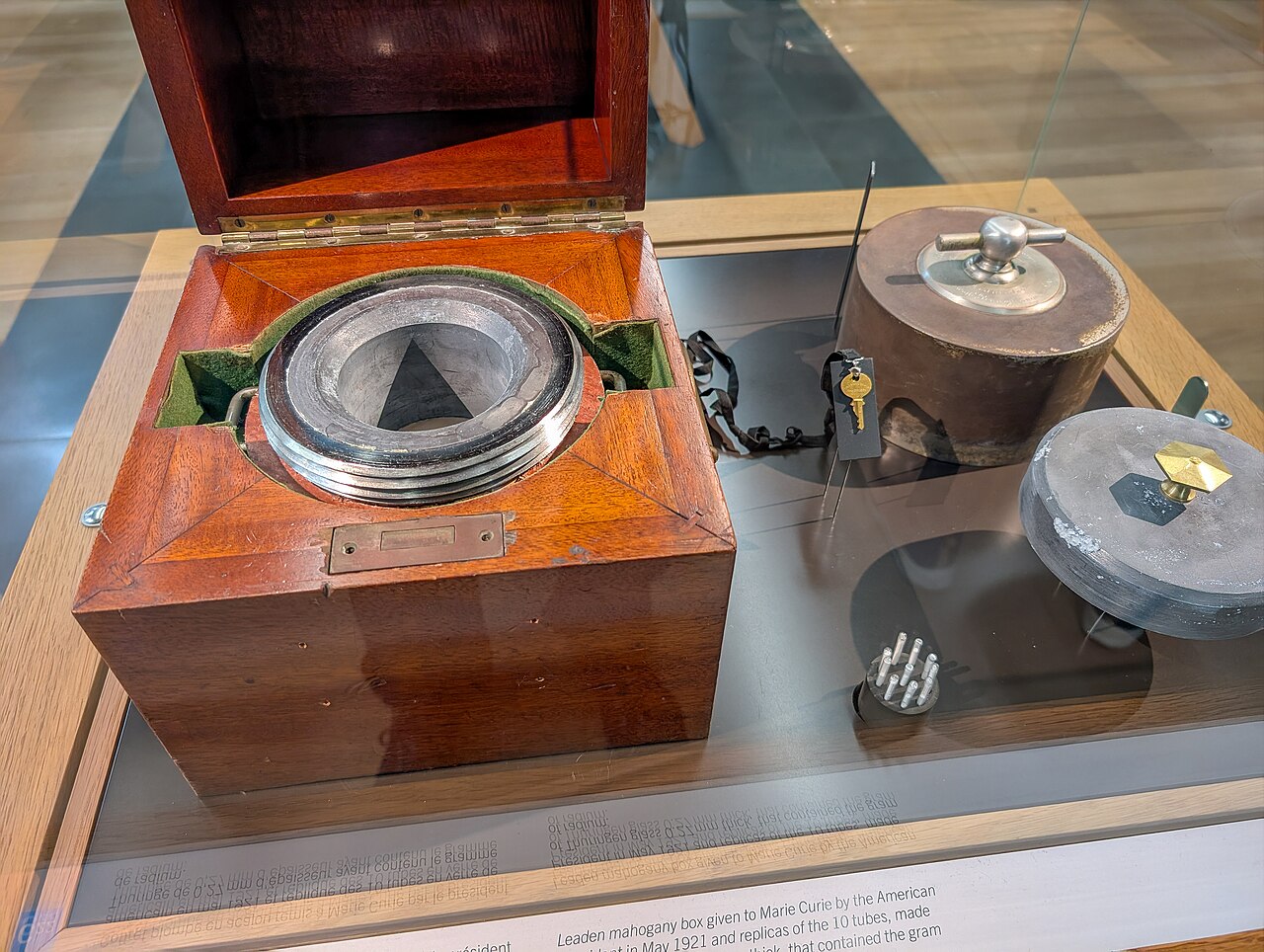
International Radium Standard
Marie Curie · 1911
 Artifact
Primary source
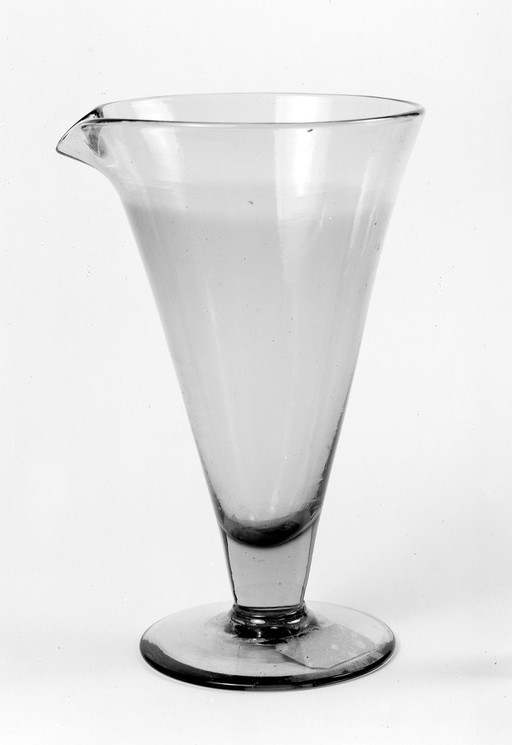
Glass beaker used for the first radium salt solution
Ready when you are
Start chatting with Marie Curie now.
20 messages free · No credit card · Available in 50+ languages.