


Secondary sourcePaintingc. 1470
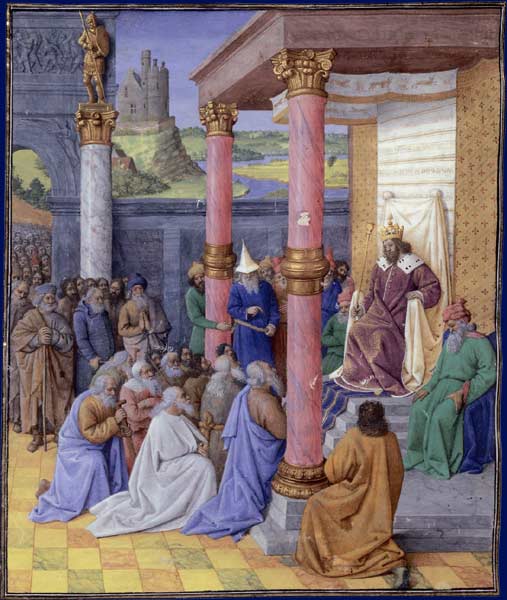
Cyrus II's Clemency toward the Hebrews
Jean Fouquet / Master of the Munich Boccaccio · c. 1470
A 15th-century illuminated miniature showing Cyrus the Great allowing the Hebrews to return to Jerusalem and rebuild their Temple.
This later illumination depicts Cyrus as a merciful king freeing the Hebrews, shaping his legacy centuries after his death.
About this source
What it is
This is a medieval illuminated miniature painting, created around 1470 and attributed to Jean Fouquet or the Master of the Munich Boccaccio. It shows a crowned king seated on a throne under a canopy, with robed figures kneeling before him, set against a background of a castle and landscape.
Why it matters
The painting depicts the biblical story of Cyrus the Great, the Persian emperor, permitting the Hebrews to return to the Holy Land and rebuild their Temple. Made centuries after Cyrus lived, it shows how medieval European artists imagined ancient Persian kingship through a biblical lens, reflecting their own ideas of royal mercy and religious history rather than direct knowledge of Cyrus himself.
Look closer
- What details in the clothing or setting look more medieval European than ancient Persian?
- Why might this biblical story about Cyrus have mattered to the people who commissioned this painting?
- What does the painting leave out about Cyrus's actual empire and reign?
This painting is part of the curated material that grounds the AI version of Cyrus the Great on Humy.ai — when students ask about related events, the AI can quote it and cite it.
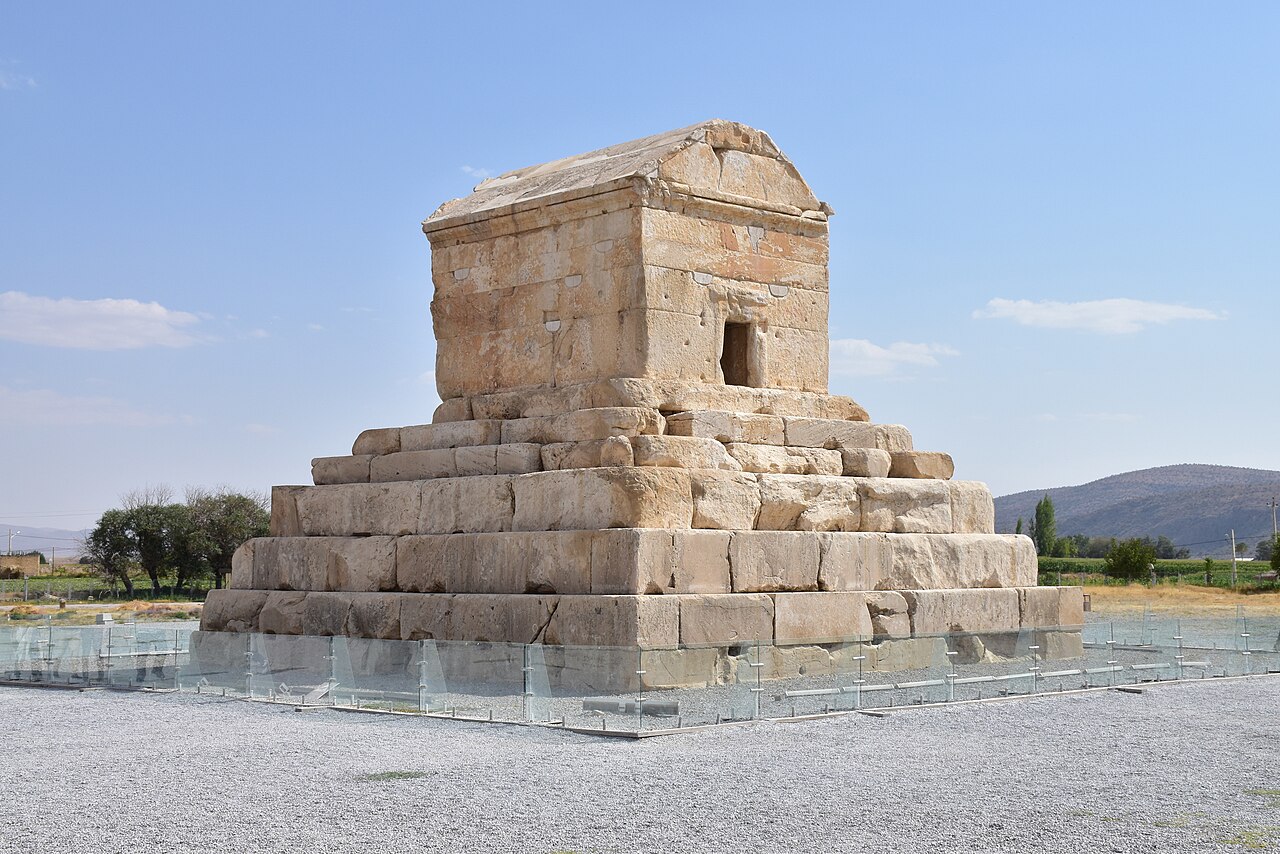
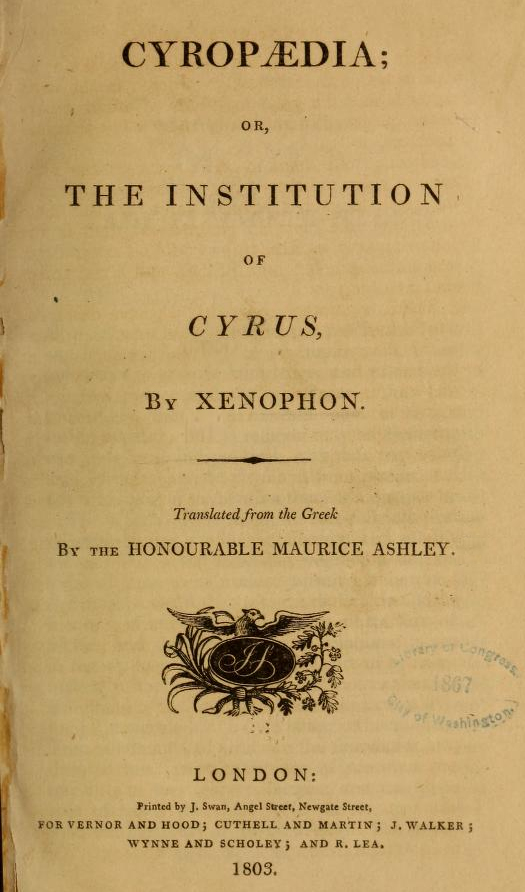
More Cyrus the Great sources
Meet the AI Cyrus the Great →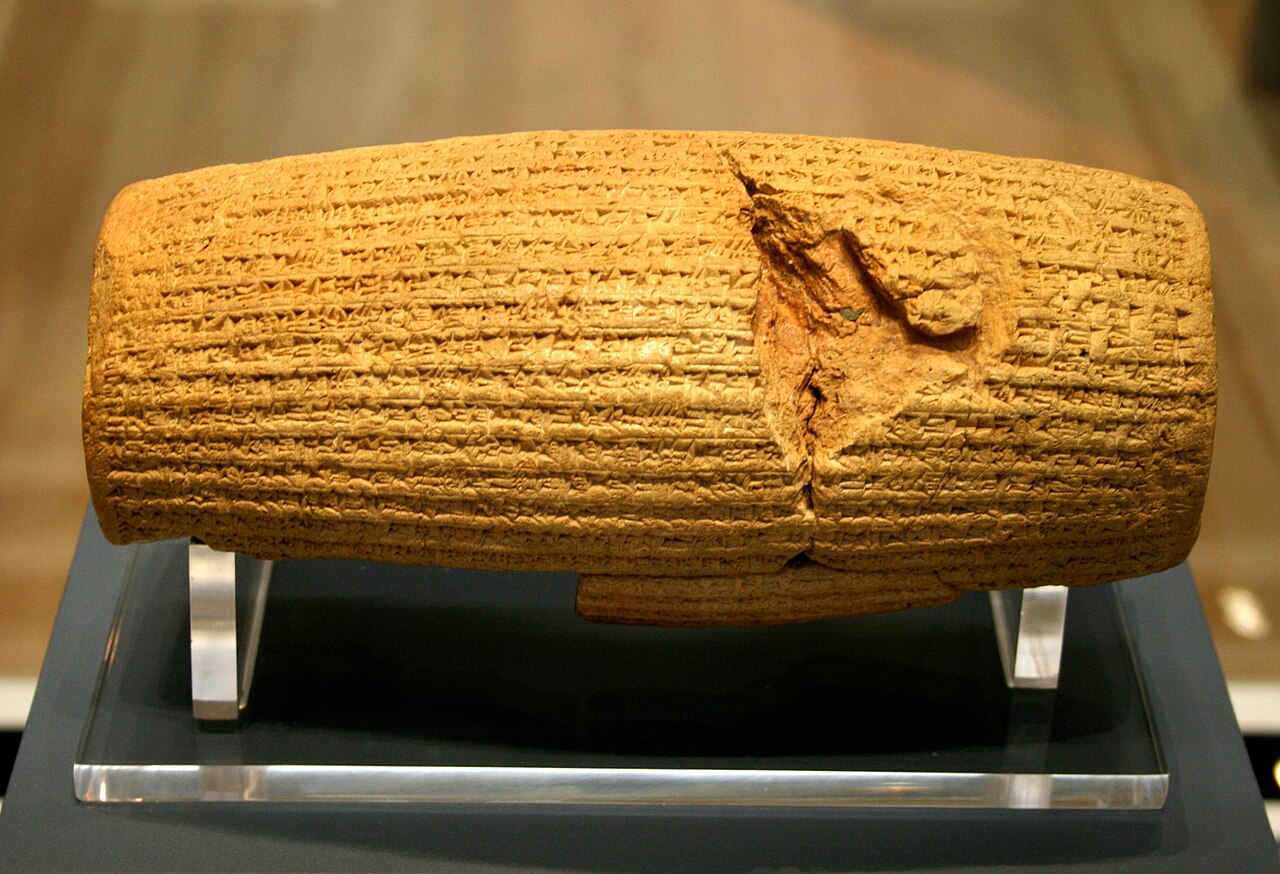

Ready when you are
Start chatting with Cyrus the Great now.
20 messages free · No credit card · Available in 50+ languages.