


Primary sourceArtifact
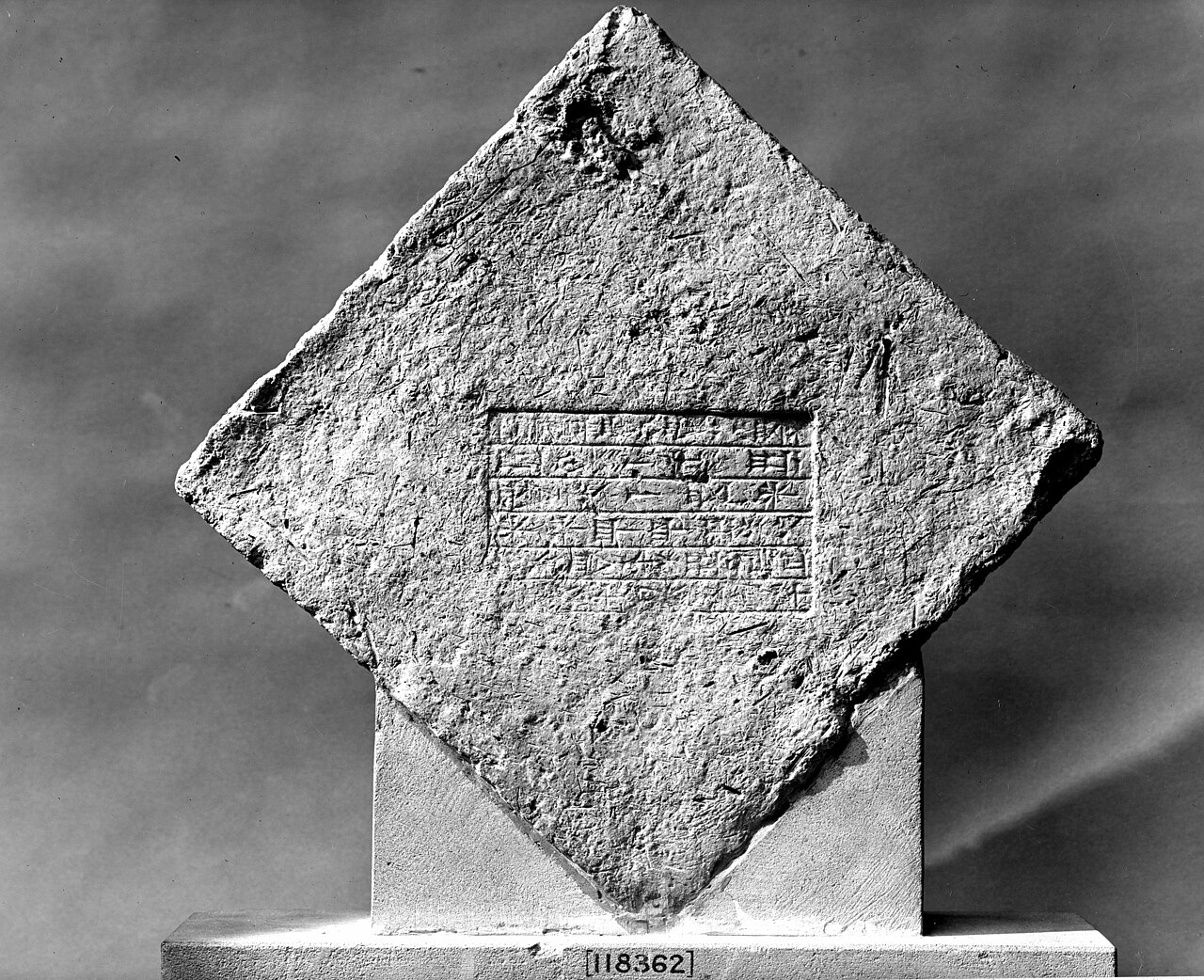
Cyrus Inscribed Brick from Ur
A clay brick inscribed with Cyrus the Great's claim that the gods gave him all lands, found at Ur.
Commissioned by Cyrus, this brick records his own claim to divine favor and rule over conquered Babylonian lands.
About this source
What it is
This inscribed clay brick comes from the ancient city of Ur and was excavated by archaeologist Leonard Woolley. It is now held by the British Museum. The inscription records Cyrus the Great's claim that the gods placed all lands into his hands.
Why it matters
The brick shows Cyrus acting like a traditional Babylonian builder-king, using local religious language to legitimize his rule over conquered territory. It demonstrates how Cyrus presented himself to different peoples within his empire, adapting Mesopotamian royal customs rather than imposing a foreign style.
Look closer
- Why would Cyrus want to be seen as continuing Babylonian traditions rather than replacing them?
- What does the choice of material and inscription tell you about how rulers communicated authority in ancient Mesopotamia?
- What is missing from this inscription about the people who were actually conquered?
This artifact is part of the curated material that grounds the AI version of Cyrus the Great on Humy.ai — when students ask about related events, the AI can quote it and cite it.
More Cyrus the Great sources
Meet the AI Cyrus the Great →

Ready when you are
Start chatting with Cyrus the Great now.
20 messages free · No credit card · Available in 50+ languages.