


Primary sourceArtifact1537
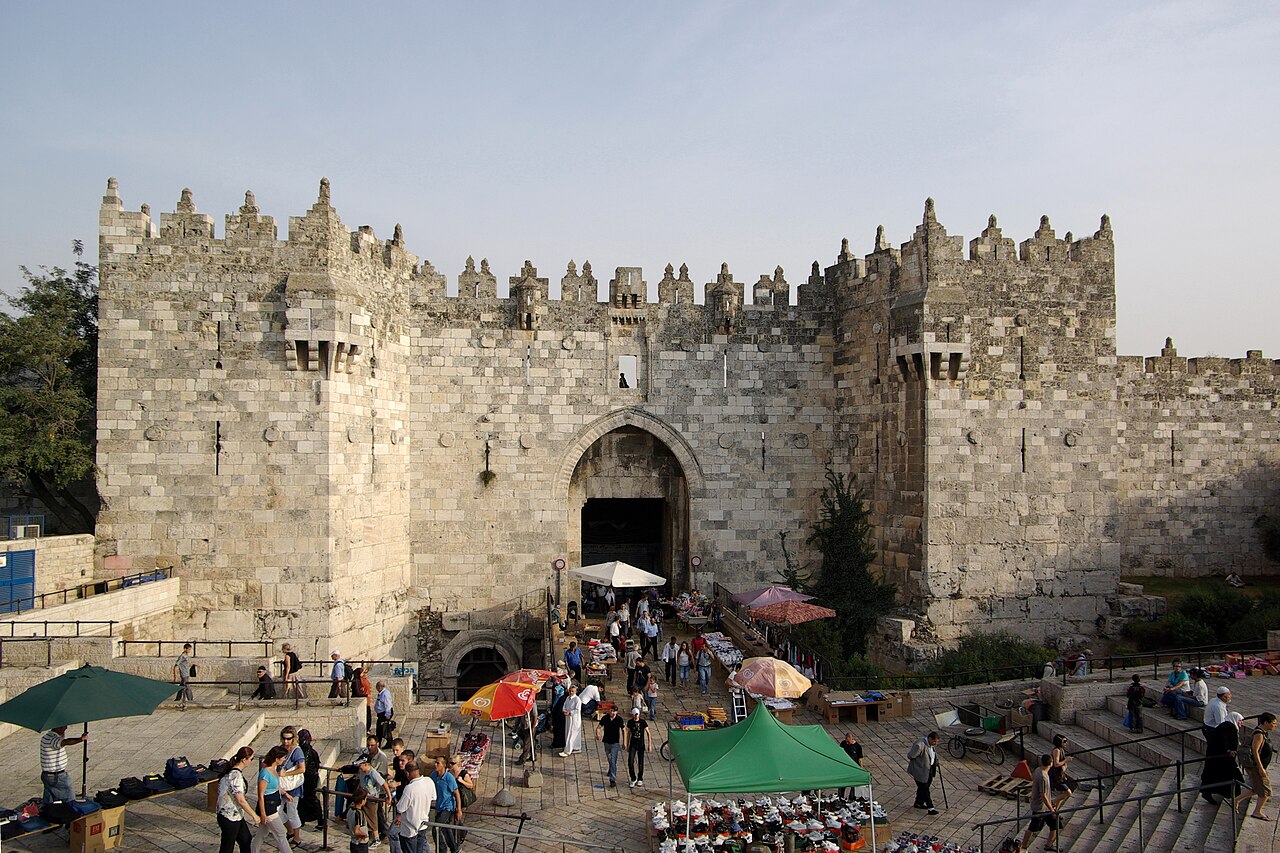
Damascus Gate
1537
A monumental gate in the walls of Jerusalem's Old City, rebuilt in 1537 under Suleiman the Magnificent as part of his restoration of the city's fortifications.
Suleiman commissioned this gate as part of rebuilding Jerusalem's walls, showing his role as protector of Islam's holy cities.
About this source
What it is
The Damascus Gate is one of the main gates of the Old City of Jerusalem, rebuilt in its current form in 1537 under Suleiman the Magnificent. A gate has stood on this spot since Roman times, and traces of the earlier Roman gate can still be seen beneath the current structure.
Why it matters
Suleiman's rebuilding of Jerusalem's walls and gates was part of his presentation of himself as a protector of Islam's holy cities. The gate carries his foundation inscription, linking his name directly to the monument. It also shows how layers of history—Roman, Crusader, and Ottoman—are built on top of each other in Jerusalem.
Look closer
- Why might a sultan want his name inscribed on a city gate?
- What does it mean that Roman remains survive beneath the Ottoman gate?
- What role might a fortified gate play beyond simply letting people in and out of a city?
This artifact is part of the curated material that grounds the AI version of Suleiman the Magnificent on Humy.ai — when students ask about related events, the AI can quote it and cite it.
More Suleiman the Magnificent sources
Meet the AI Suleiman the Magnificent →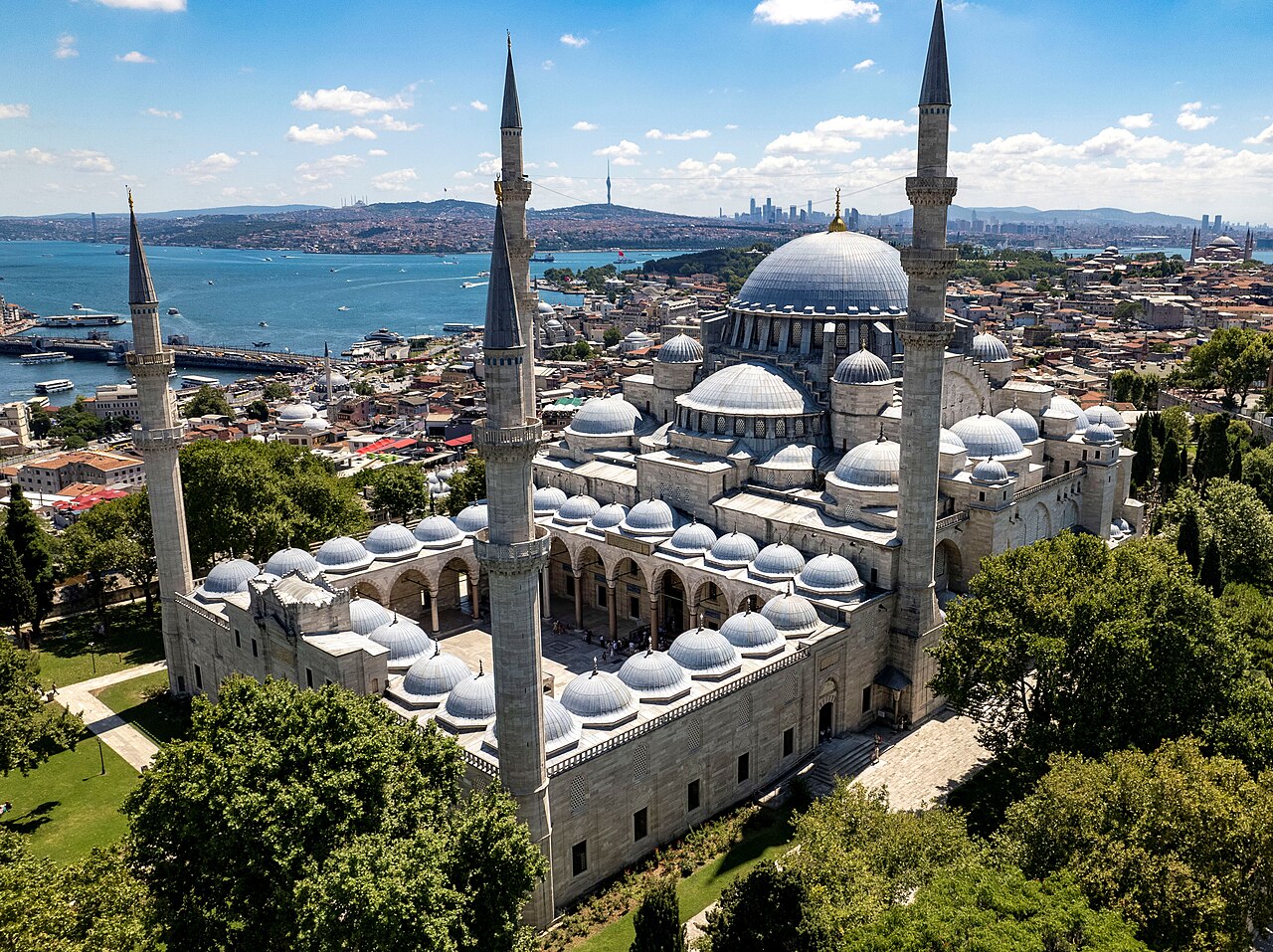 Artifact
Primary source
Süleymaniye Mosque
Mimar Sinan · 1550-1557
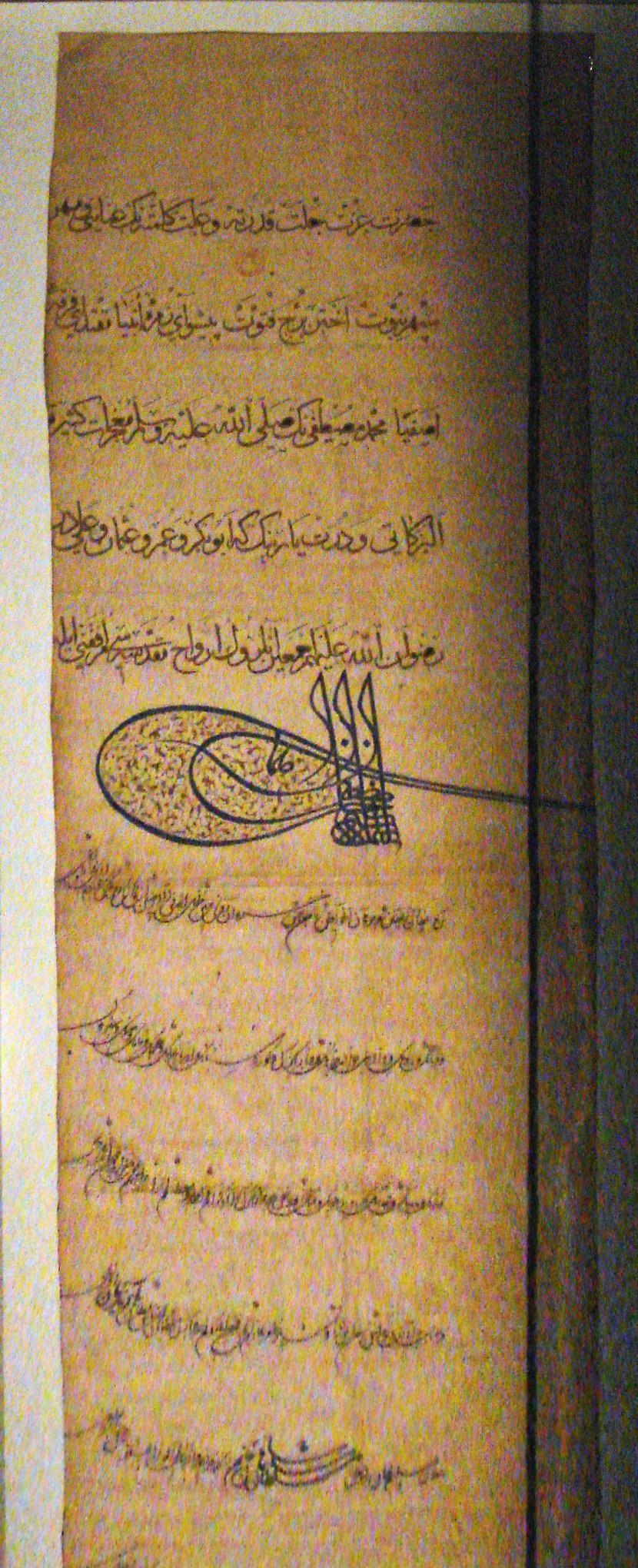 Letter
Primary source
Letter to the King of France
Suleiman the Magnificent · 1526
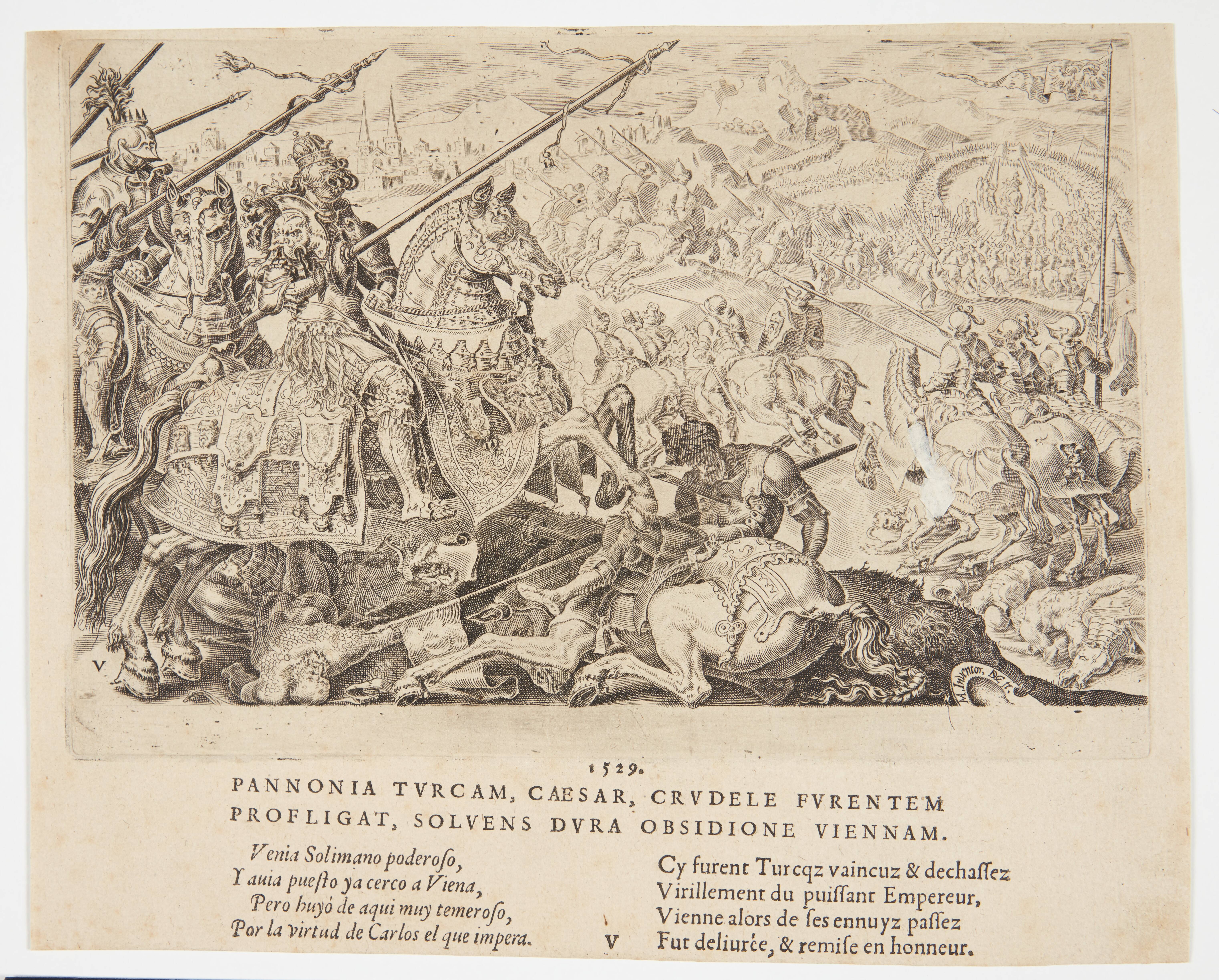 Painting
Primary source
Suleiman the Magnificent Forced to Raise the Siege of Vienna
1555
 Painting
Secondary source
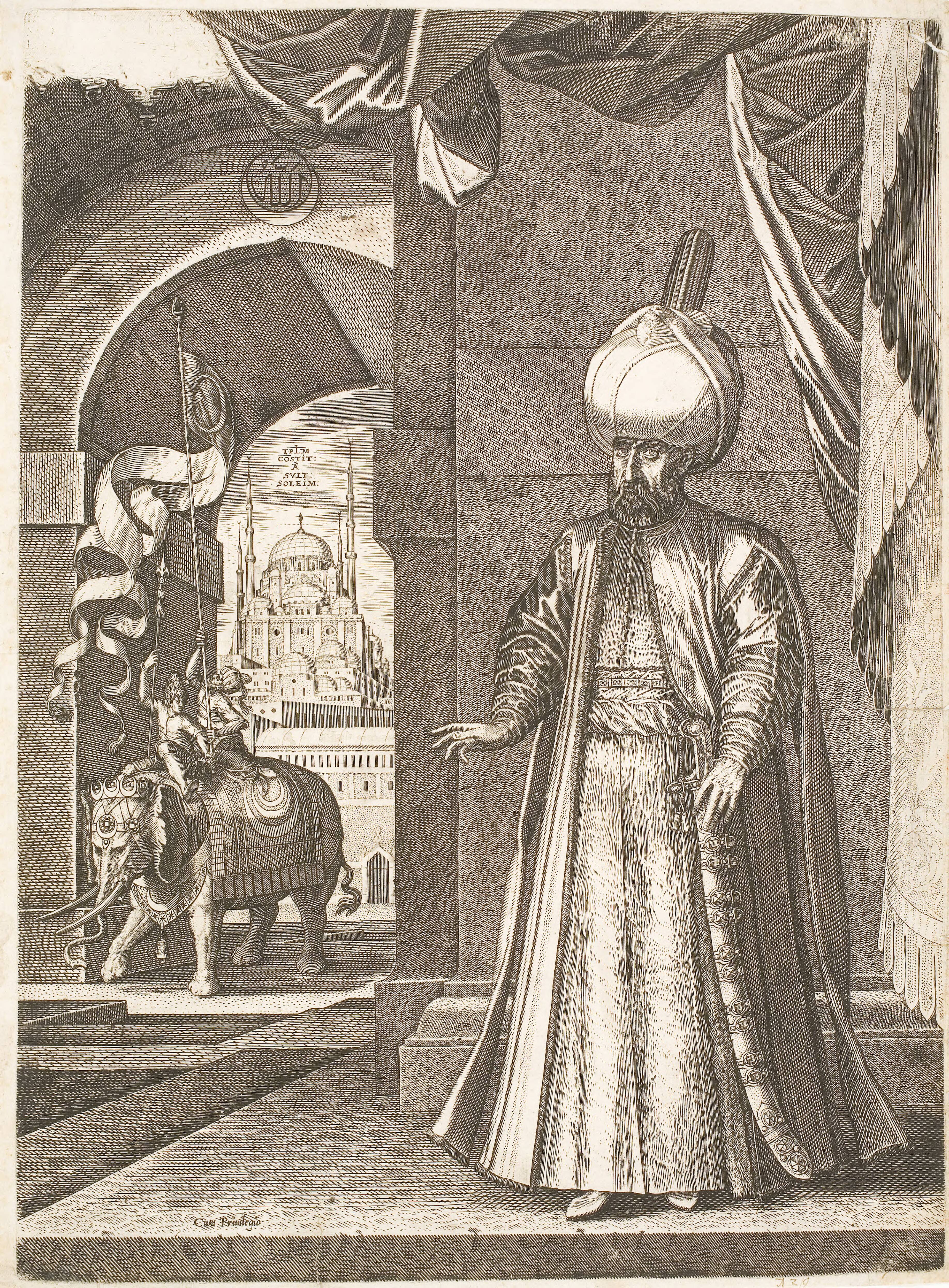
Standing Portrait of Sultan Suleiman the Magnificent
1574
 Artifact
Primary source
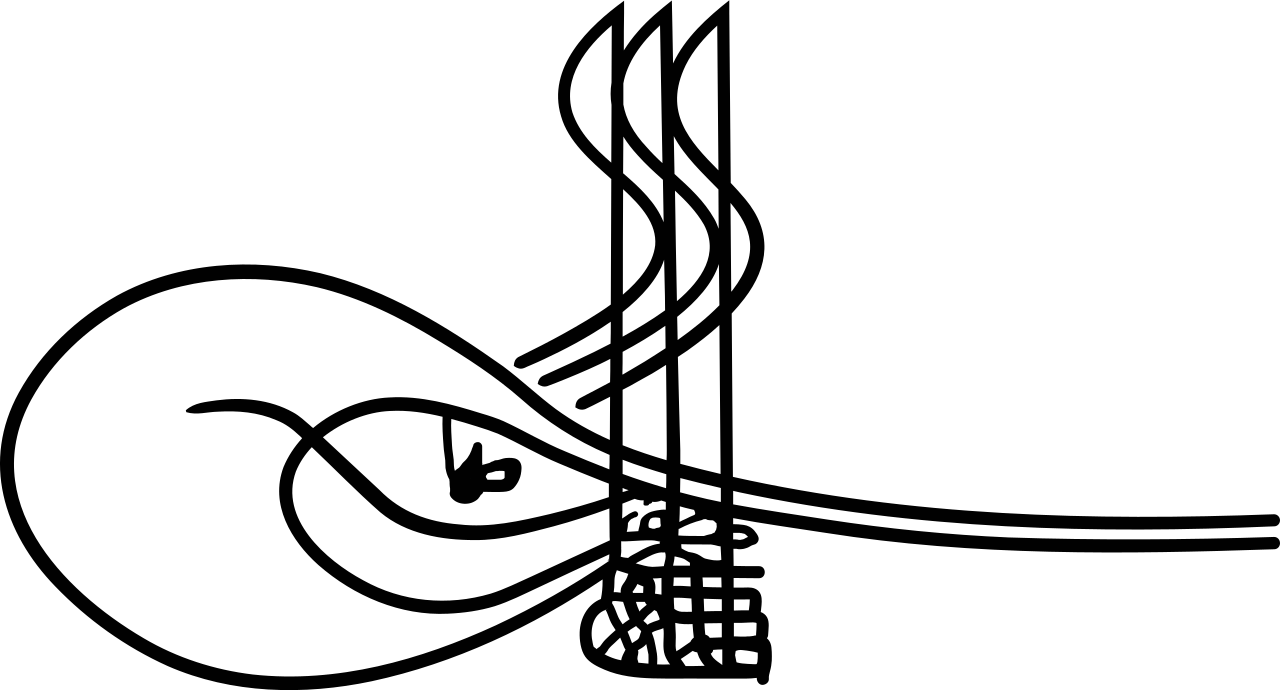
Tughra of Suleiman the Magnificent
Ready when you are
Start chatting with Suleiman the Magnificent now.
20 messages free · No credit card · Available in 50+ languages.