


Primary sourceBook1589-1592
De motu
Galileo Galilei · 1589-1592
Galileo's early Latin manuscript on the nature of motion, written before his famous discoveries at Pisa and Padua.
This early Latin manuscript is Galileo's own first attempt to work out the laws of motion.
About this source
What it is
De motu (On Motion) is an early work by Galileo Galilei, written in Latin between about 1589 and 1592. In it he discusses how objects move and fall, and how to judge whether one thing is heavier or lighter than another.
Why it matters
Written before Galileo's famous experiments and telescopic discoveries, this text shows the young Galileo already questioning accepted ideas about motion and weight. It is an important source for understanding how his later, more revolutionary ideas about falling bodies developed.
Look closer
- Why might Galileo have used examples like wood and lead to explain his ideas about weight?
- What does writing in Latin, rather than Italian, suggest about the audience Galileo had in mind for this work?
- How might this early text connect to Galileo's later, more famous ideas about falling objects?
This book is part of the curated material that grounds the AI version of Galileo Galilei on Humy.ai — when students ask about related events, the AI can quote it and cite it.
More Galileo Galilei sources
Meet the AI Galileo Galilei →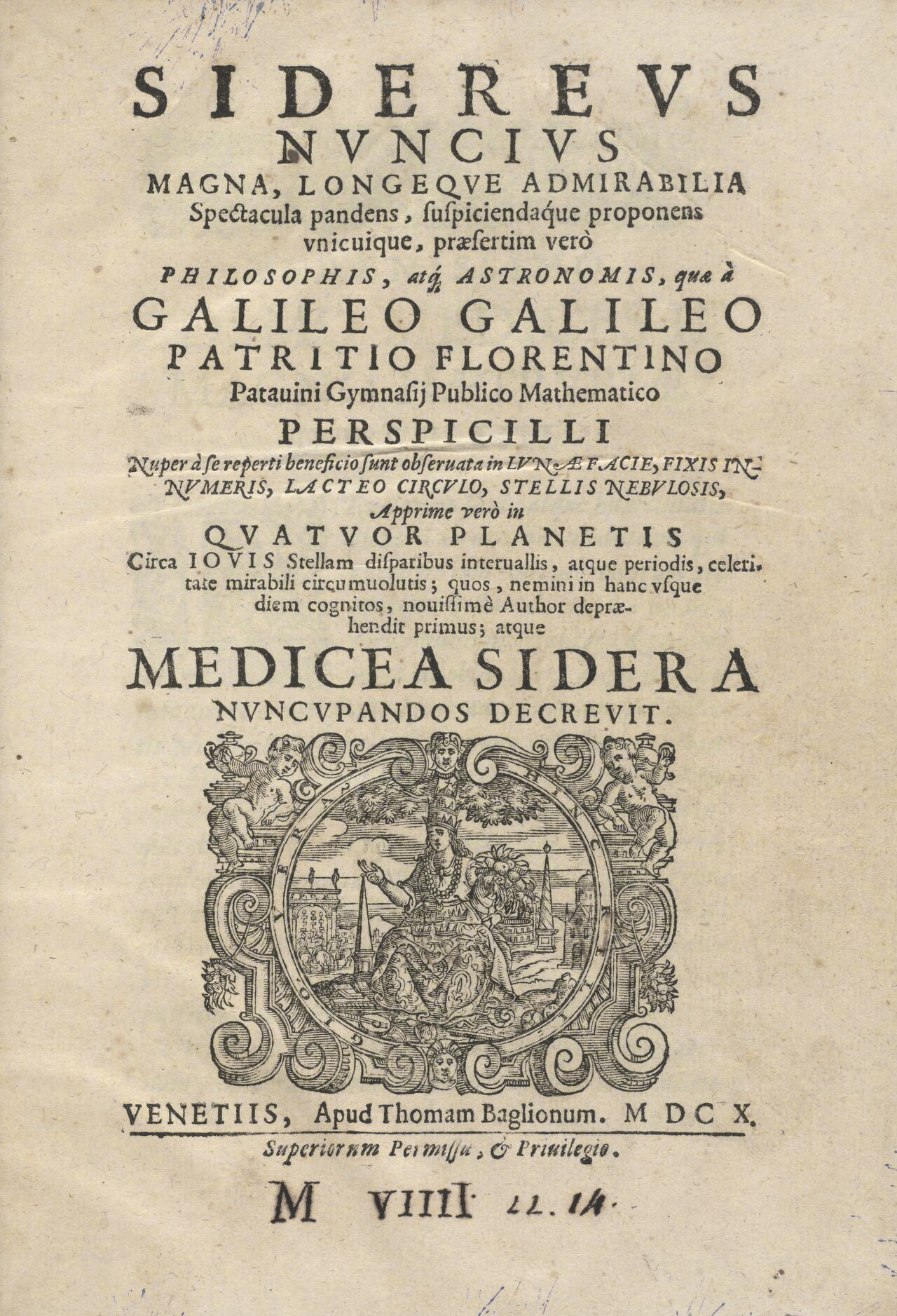 Book
Primary source
Sidereus Nuncius
Galileo Galilei · 1610
 Painting
Primary source
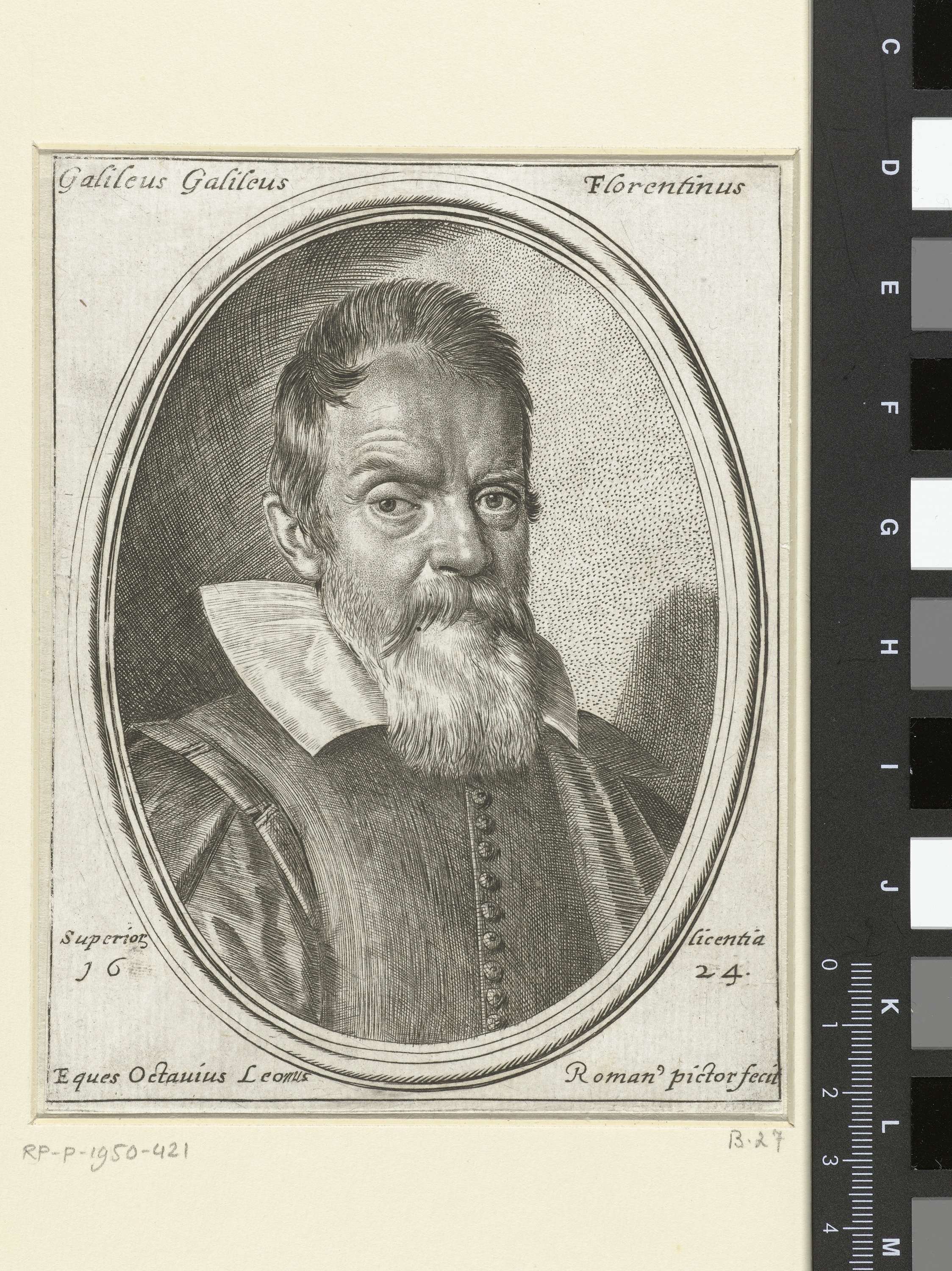
Portrait of Galileo Galilei (1624 print)
1624
 Painting
Primary source
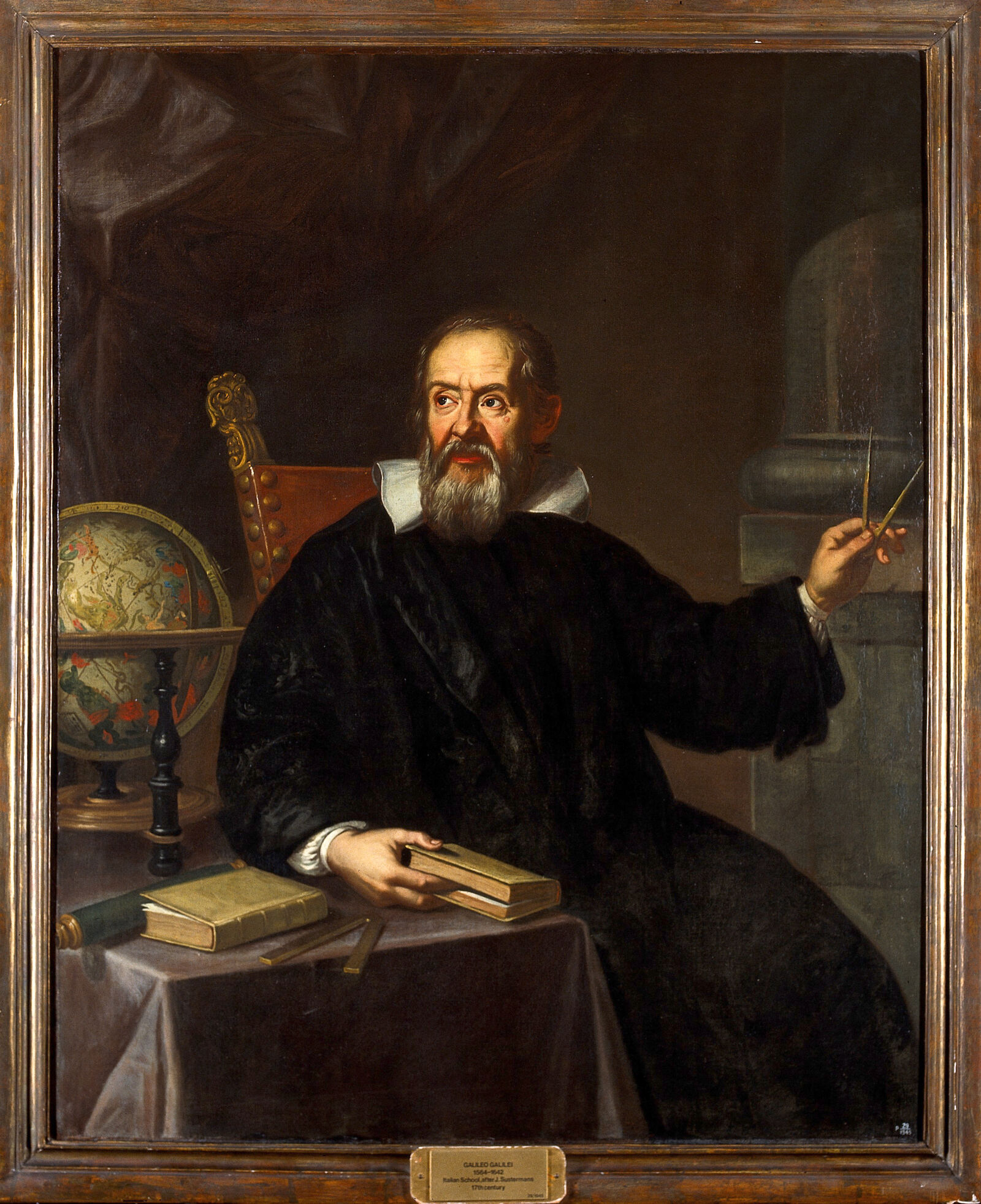
Oil Portrait of Galileo in His Study
Unknown Italian painter · 18th century (?)
 Painting
Primary source
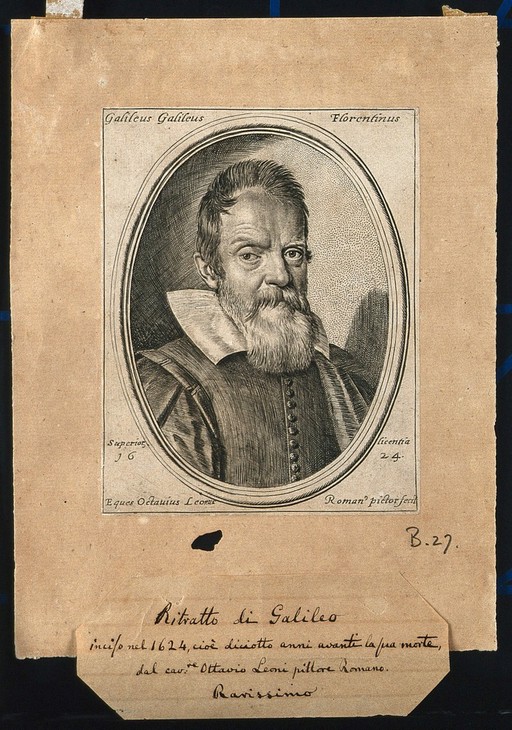
Galileo Galilei, line engraving by Ottavio Leoni
Ottavio Leoni · 1624
 Book
Primary source
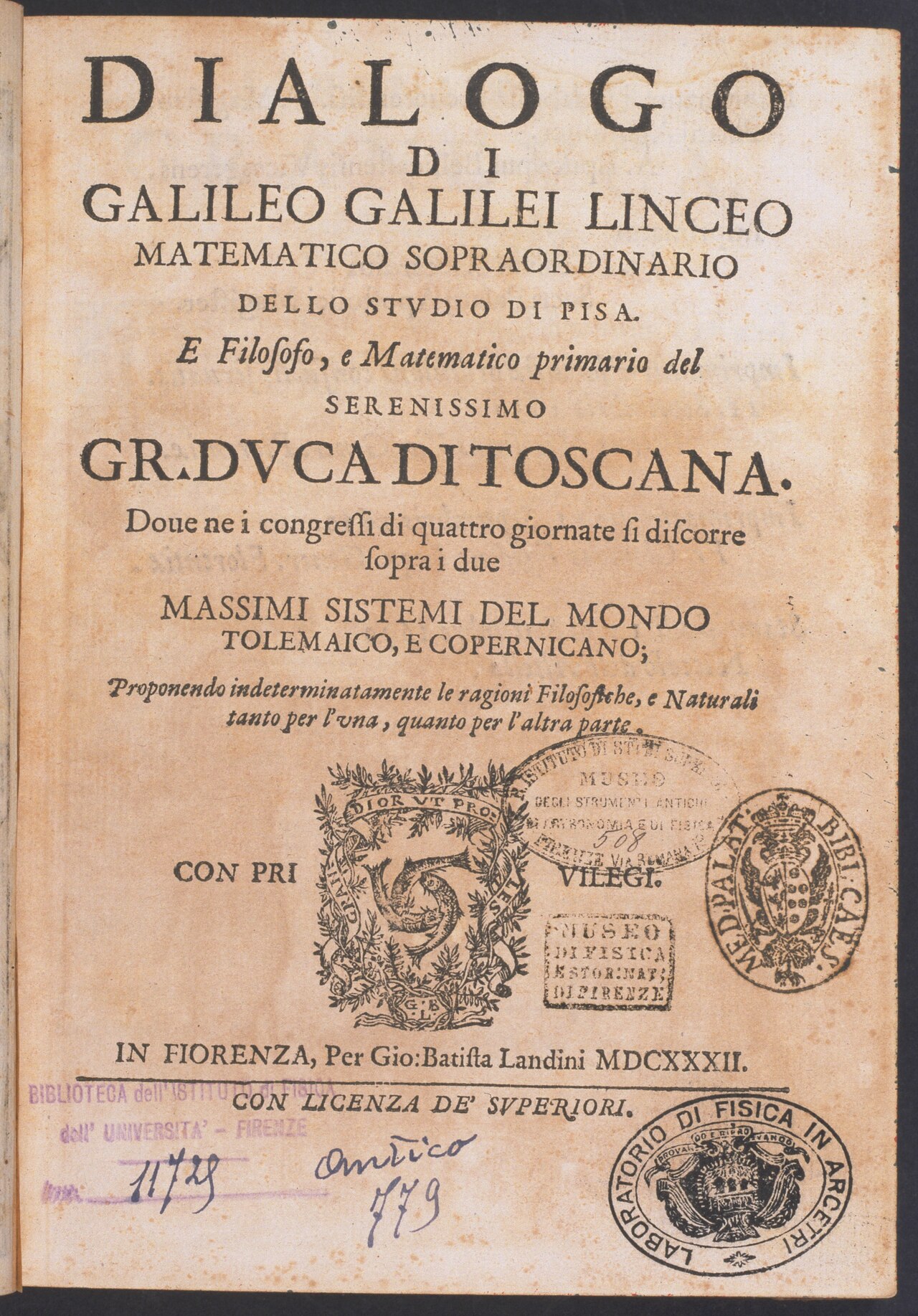
Dialogue Concerning the Two Chief World Systems
Galileo Galilei · 1632
Ready when you are
Start chatting with Galileo Galilei now.
20 messages free · No credit card · Available in 50+ languages.