


Secondary sourcePaintingc. 1902
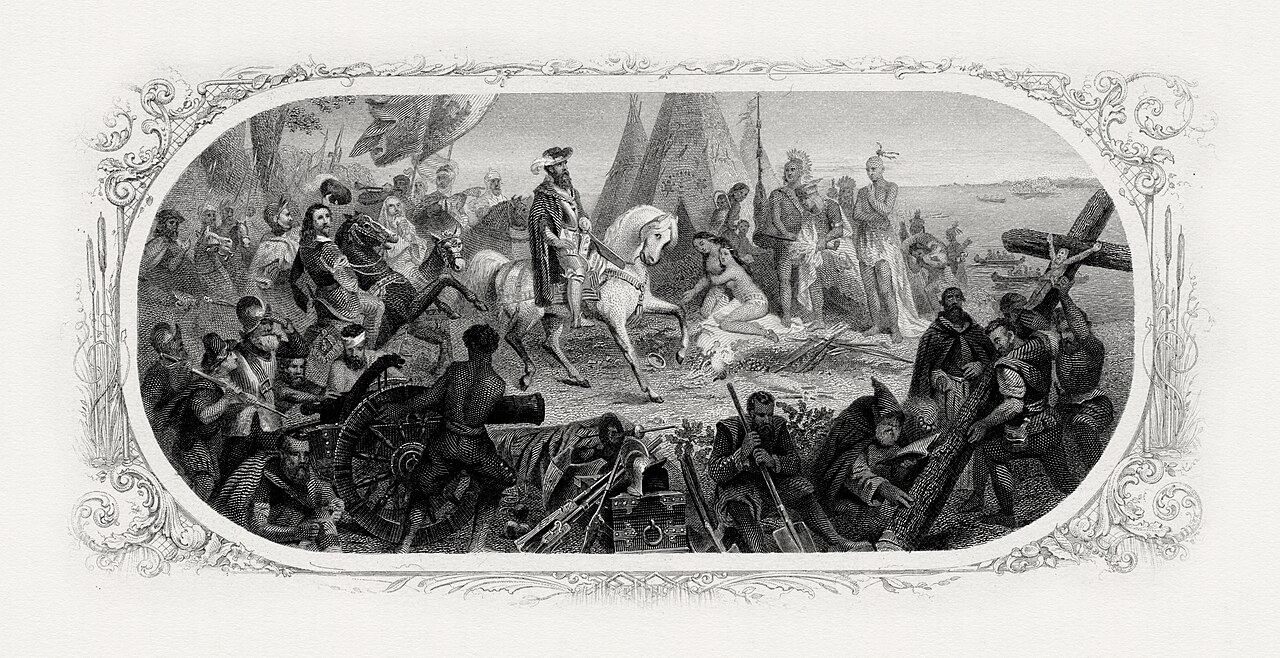
De Soto Discovering the Mississippi
Frederick Girsch (after William H. Powell) · c. 1902
An engraving based on William H. Powell's painting, showing De Soto and his soldiers encountering Native Americans at the Mississippi River.
A later romanticized depiction imagining De Soto's famous arrival at the Mississippi River.
About this source
What it is
This engraving by Frederick Girsch, made for the Bureau of Engraving and Printing around 1902, reproduces William H. Powell's painting Discovery of the Mississippi. It shows an imagined scene of De Soto's arrival at the river, part of a presentation album of portraits and vignettes.
Why it matters
Made over 350 years after De Soto's expedition, this image reflects how 19th-century American artists like Powell romanticized the arrival of Spanish conquistadors, showing soldiers, a cannon, a large cross, and Native Americans near their dwellings — a staged version of conquest meant for public memory rather than historical accuracy.
Look closer
- What symbols in the image (the cross, the cannon, the horse) suggest how the artist wanted viewers to see De Soto?
- How are the Native Americans shown compared to the Spanish soldiers?
- Why might a government printing office choose this scene for an official album?
This painting is part of the curated material that grounds the AI version of Hernando de Soto on Humy.ai — when students ask about related events, the AI can quote it and cite it.
More Hernando de Soto sources
Meet the AI Hernando de Soto →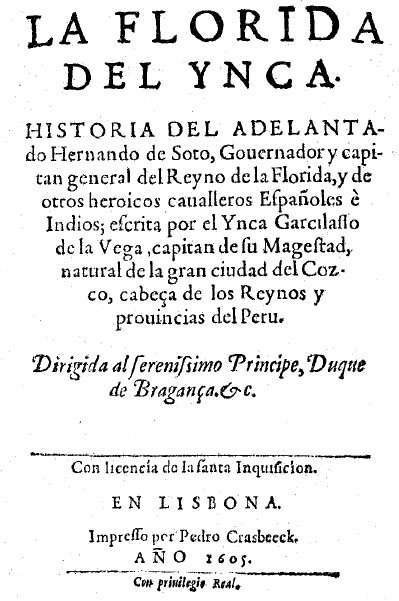 Book
Secondary source
La Florida del Inca
Inca Garcilaso de la Vega · 1605
 Book
Primary source
Verdadera relación de la conquista del Perú
Francisco de Jerez · 1534 (this edition 1891)
 Painting
Secondary source
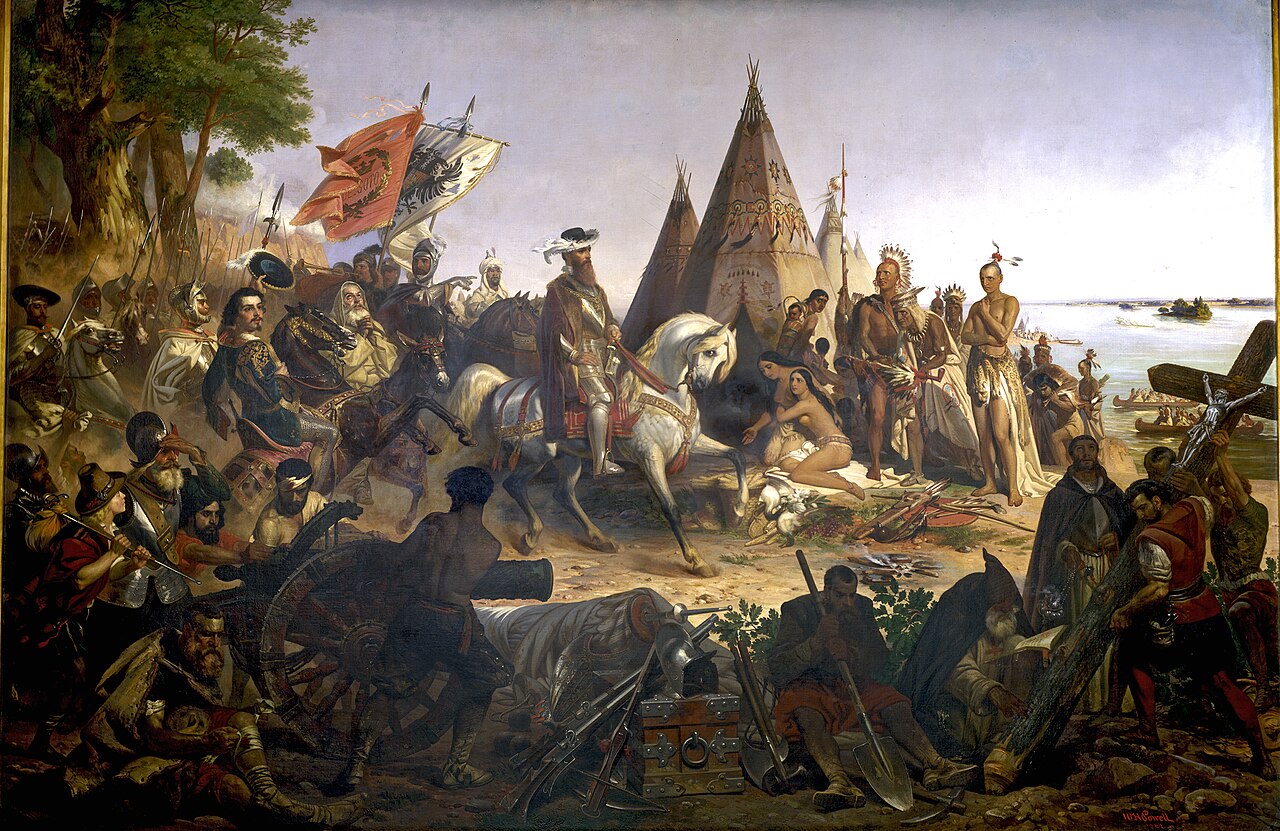
Discovery of the Mississippi by De Soto
William Henry Powell · 1847
 Artifact
Primary source
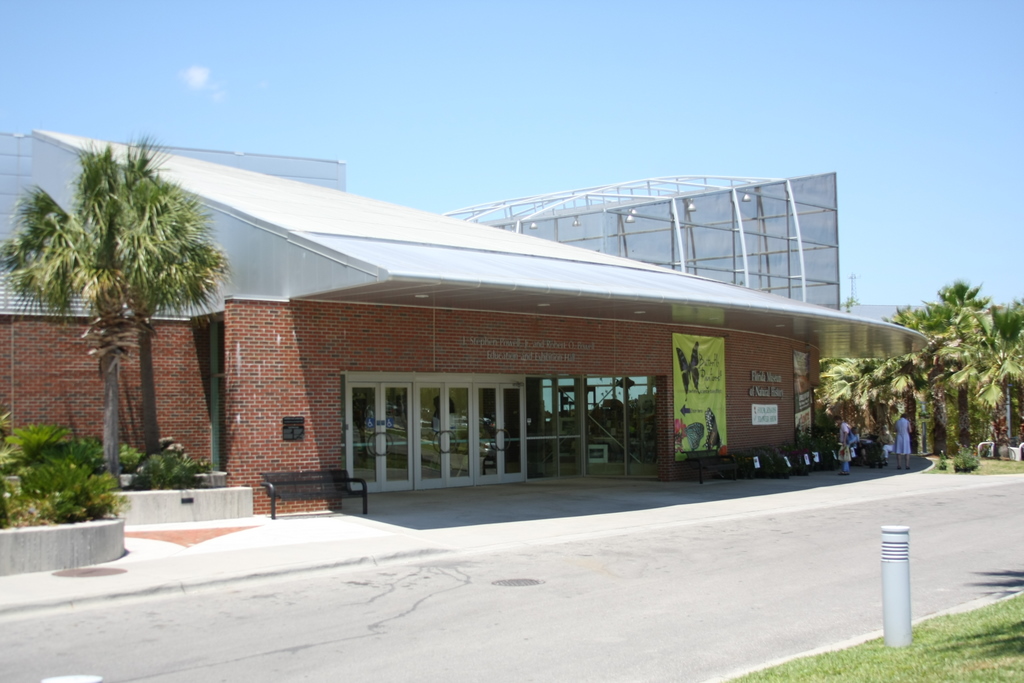
Florida Museum of Natural History
 Book
Primary source
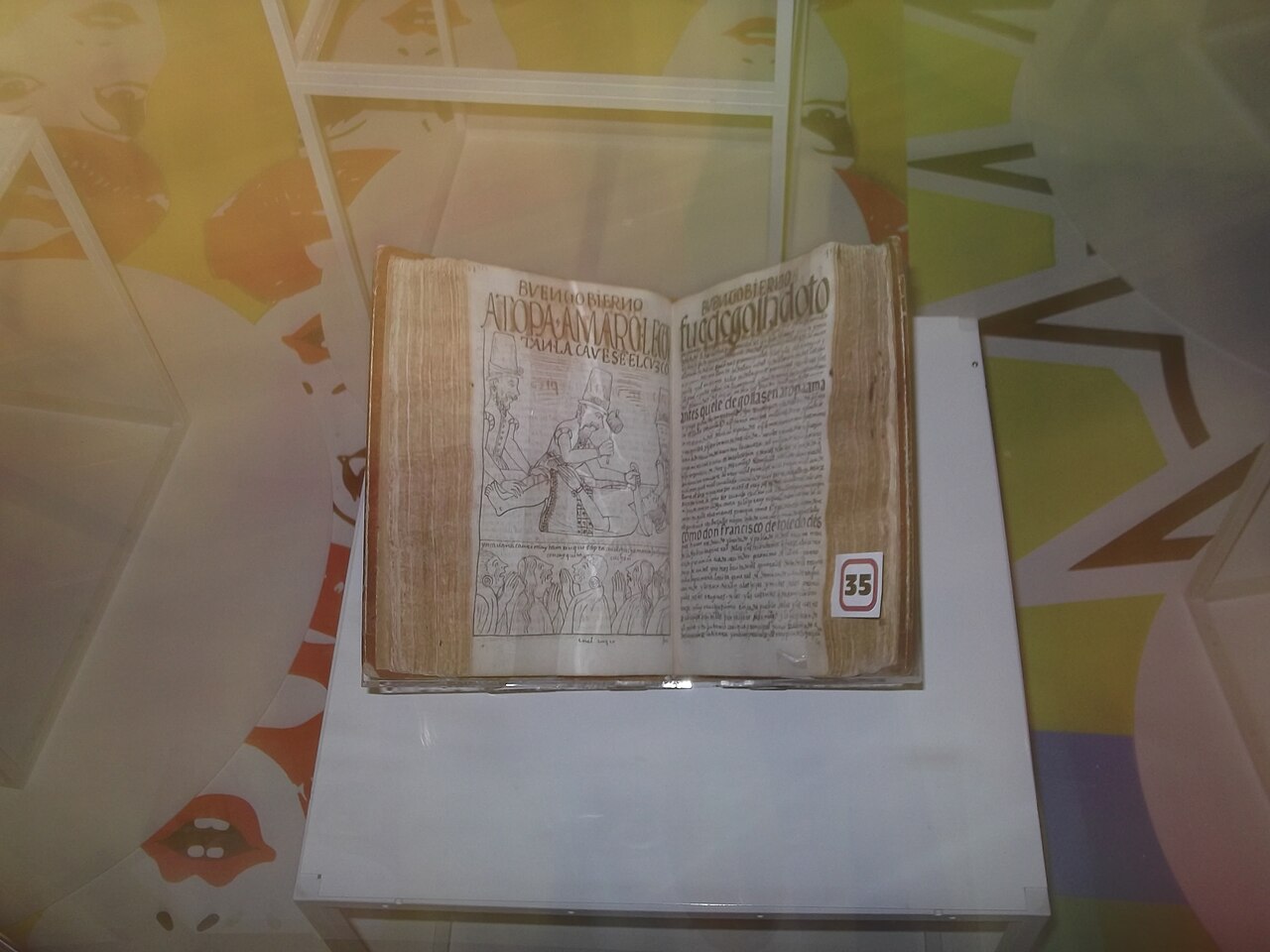
El primer nueva corónica y buen gobierno
Felipe Guaman Poma de Ayala · c. 1615
Ready when you are
Start chatting with Hernando de Soto now.
20 messages free · No credit card · Available in 50+ languages.