


Primary sourcePaintingc. 1490-1516
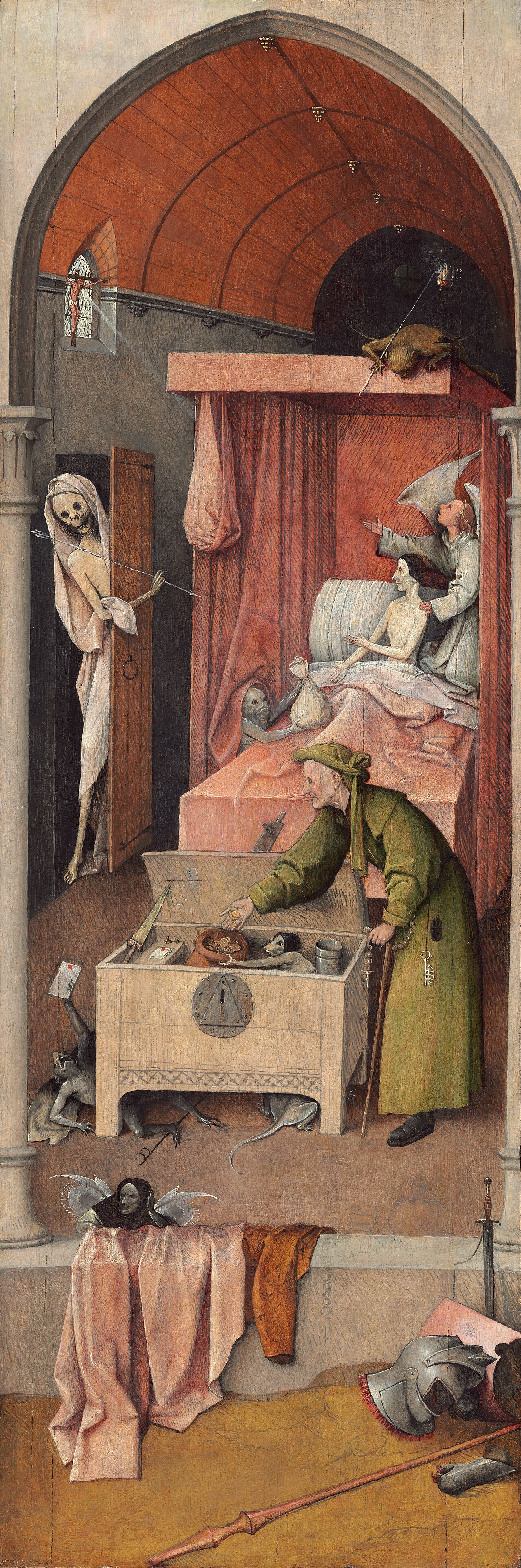
Death and the Miser
Hieronymus Bosch · c. 1490-1516
A Bosch painting showing a dying miser torn between an angel and a demon offering gold, warning against greed.
This painting is a surviving panel from one of Bosch's triptychs, reflecting his recurring theme of sin, death and the soul's fate.
About this source
What it is
Painted between 1490 and 1516 by Hieronymus Bosch, this panel was originally part of a triptych whose central piece is now lost. It shows a dying man choosing between salvation and greed, drawing on the Ars moriendi, religious texts that taught Christians how to die well. It is now in the National Gallery of Art, Washington, D.C., part of the Samuel H. Kress Collection.
Why it matters
The painting is a memento mori, a reminder of the inevitability of death and the pointlessness of chasing wealth. It reflects widespread worries in Bosch's time about usury and greed, and shows how religious ideas about dying shaped the art and imagination of the period.
Look closer
- Why do you think Bosch shows the same man twice, once dying and once healthy and greedy?
- What objects in the room hint at the man's wealth and worldly concerns?
- How does the painting use light and darkness to suggest a choice between good and evil?
This painting is part of the curated material that grounds the AI version of Hieronymus Bosch on Humy.ai — when students ask about related events, the AI can quote it and cite it.
More Hieronymus Bosch sources
Browse all 95 →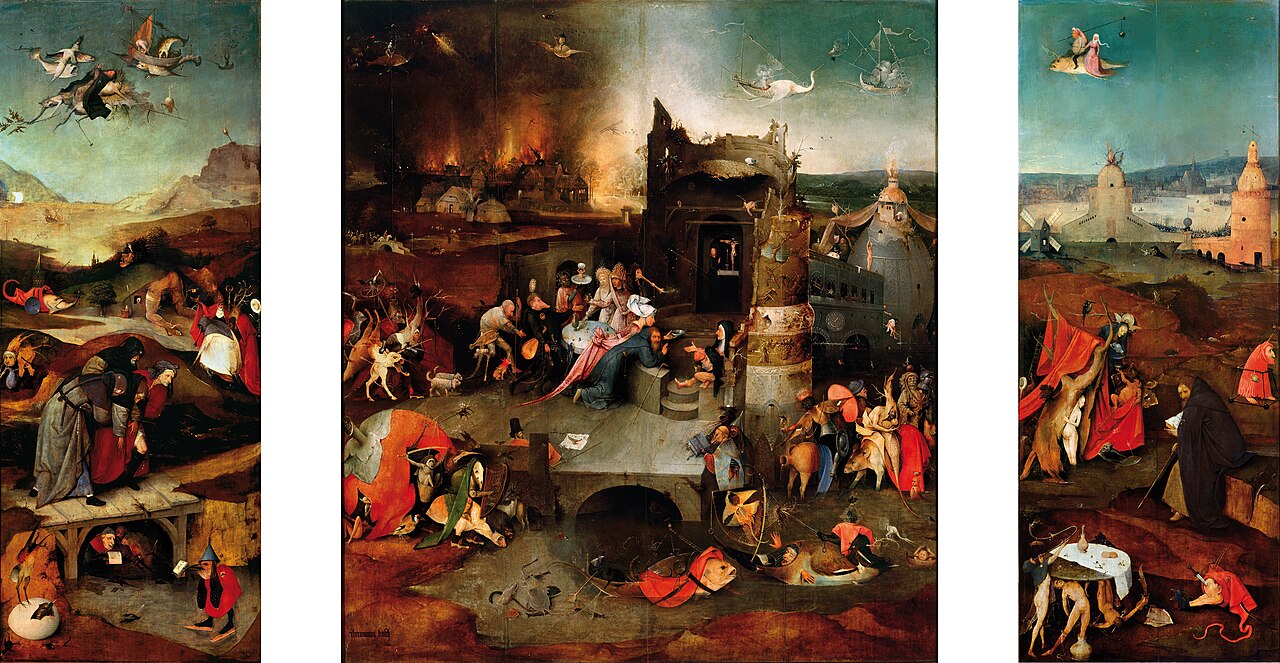 Painting
Primary source
Temptation of Saint Anthony
Hieronymus Bosch · c. 1501
 Painting
Primary source
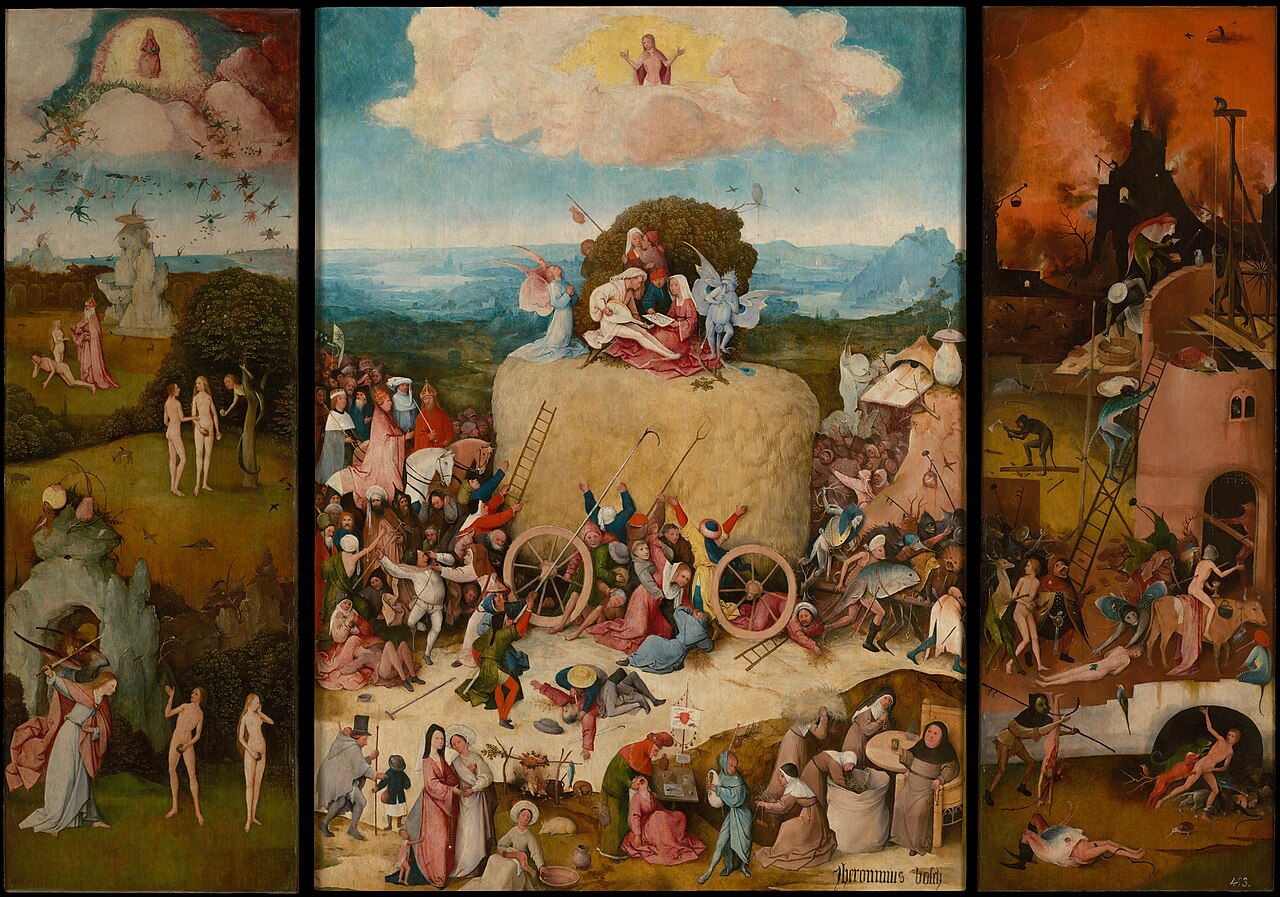
The Haywain Triptych
Hieronymus Bosch · c. 1510-1516
 Painting
Primary source
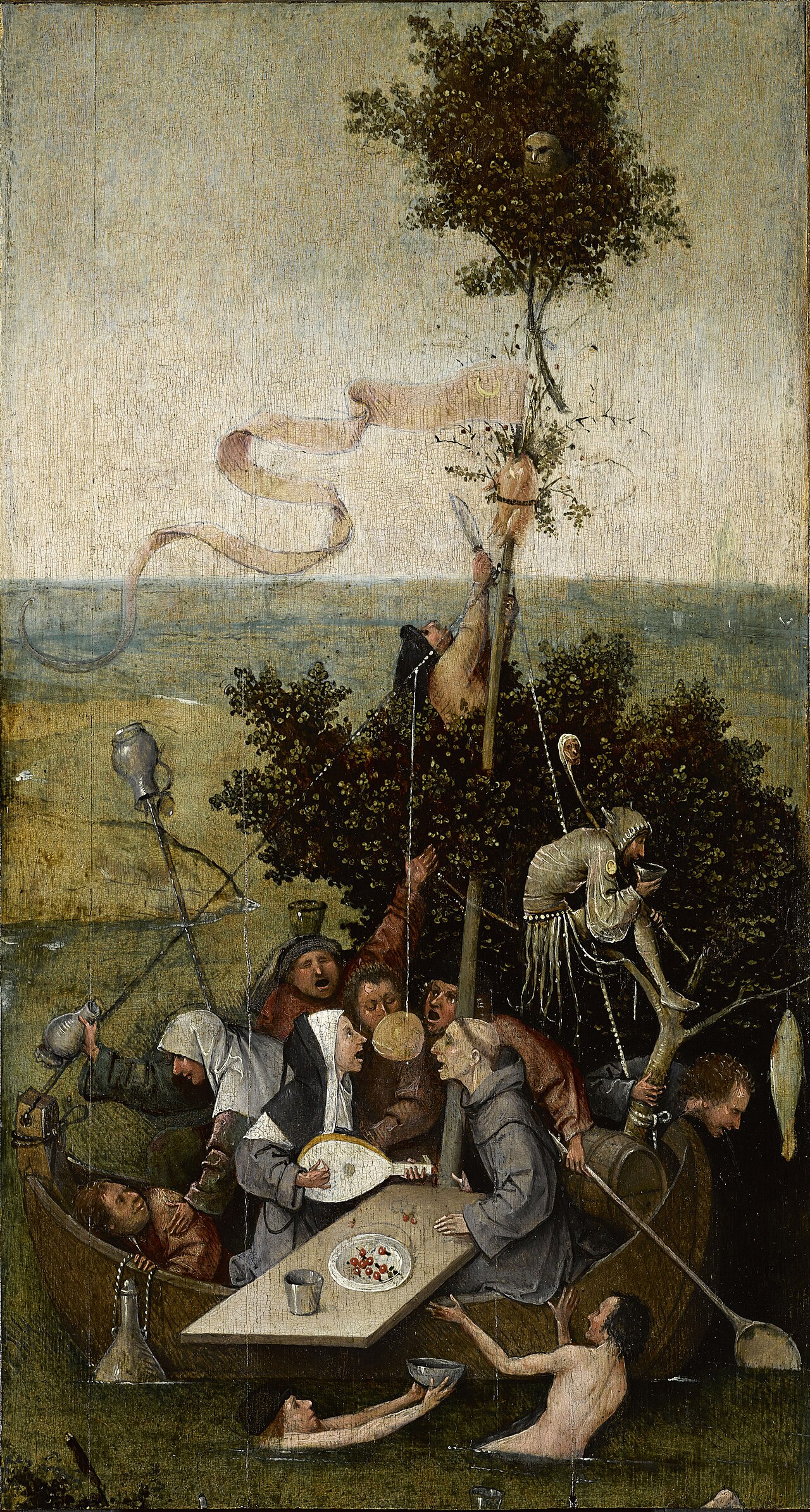
Ship of Fools
Hieronymus Bosch · c. 1490-1500
 Painting
Secondary source
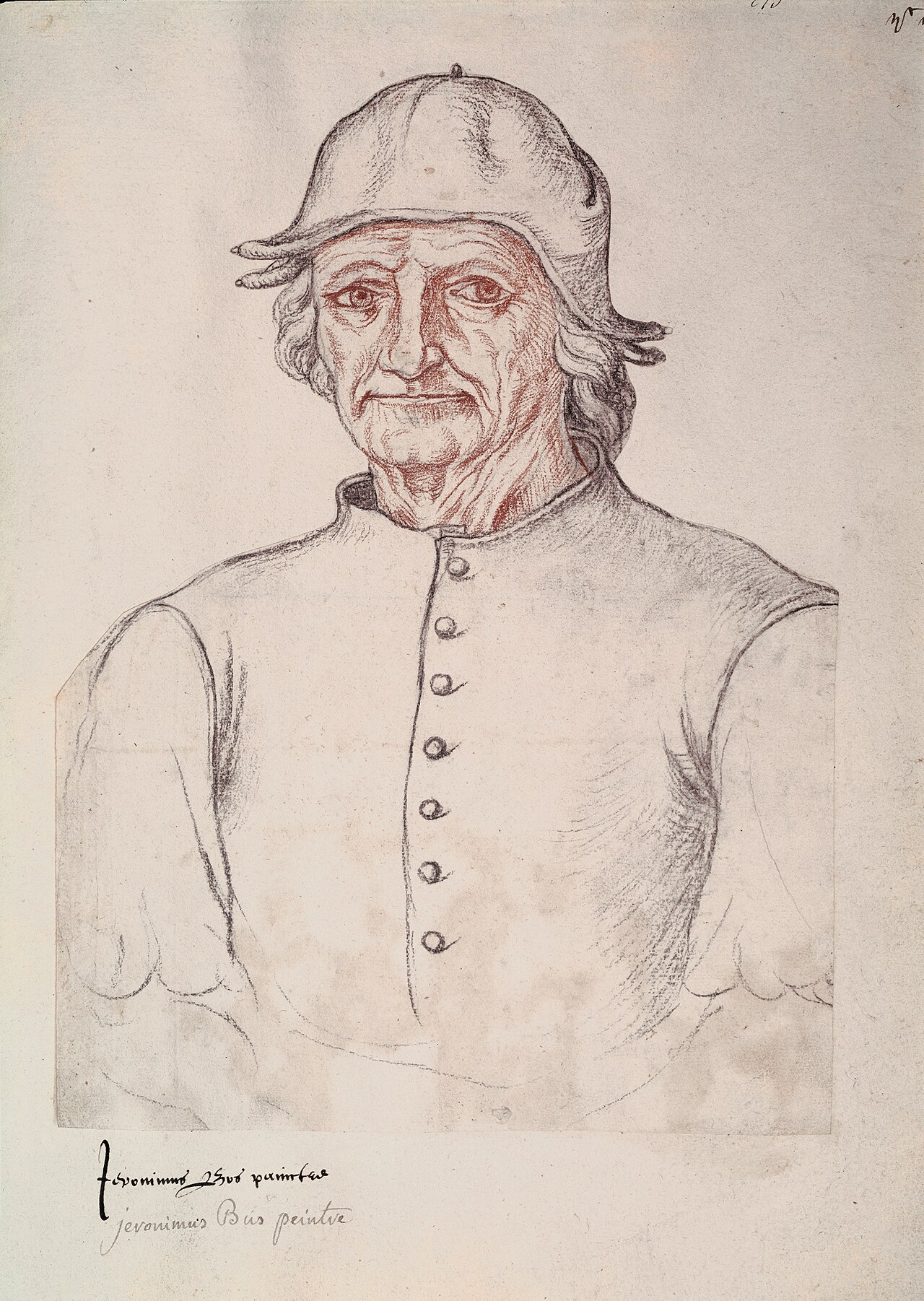
Portrait of Hieronymus Bosch
Jacques Le Boucq · c. 1550
Free account
Read every Hieronymus Bosch source
Sign up free →
Ready when you are
Start chatting with Hieronymus Bosch now.
20 messages free · No credit card · Available in 50+ languages.