


Primary sourcePaintingc. 1501
Temptation of Saint Anthony
Hieronymus Bosch · c. 1501
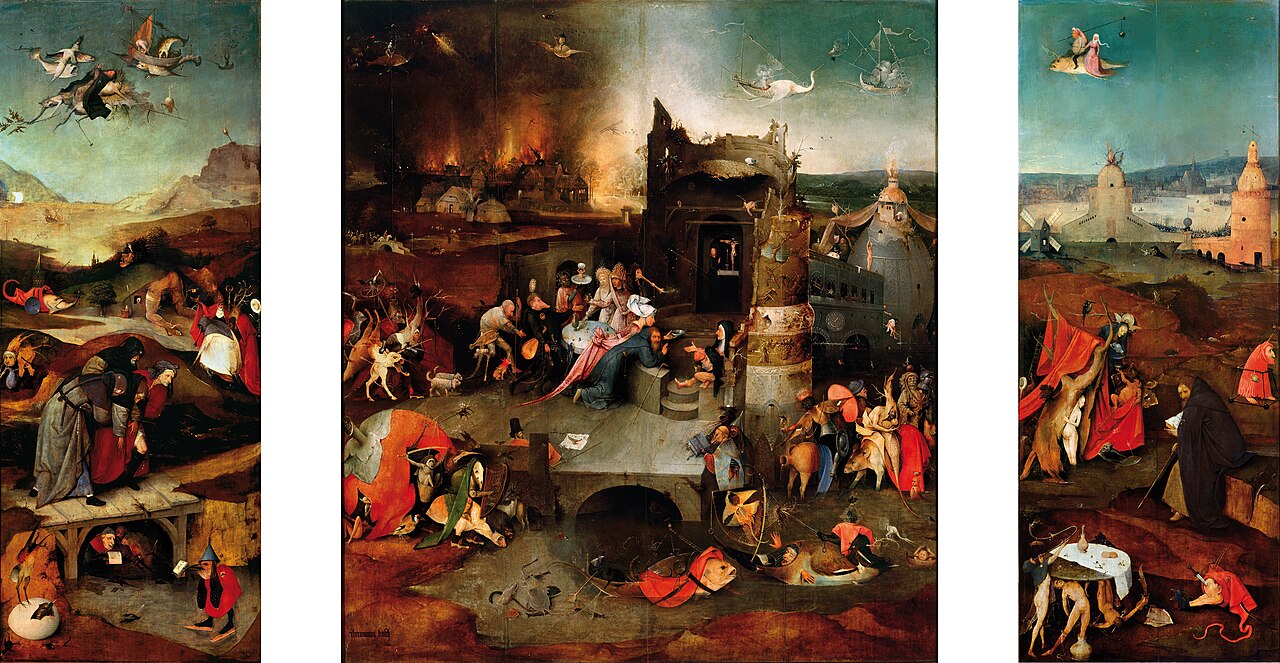
A triptych by Hieronymus Bosch showing Saint Anthony besieged by demonic, hybrid creatures that test his faith.
Signed by Bosch himself, this triptych is one of his most complete surviving works and a key example of his style.
About this source
What it is
This is a signed triptych painted in oil on wood panels by Hieronymus Bosch around 1501. It shows the torments endured by Saint Anthony Abbot, a Christian hermit, as told in old legends about his life. It now hangs in the National Museum of Ancient Art in Lisbon.
Why it matters
The painting reveals how Bosch combined religious teaching with wild fantasy imagery to explore spiritual struggle. Its strange, hybrid creatures and dense symbolism made it one of Bosch's most studied works, and it shows how artists of his time used fantastical images to comment on faith, sin and corruption.
Look closer
- What creatures or figures seem impossible or strange, and why might Bosch have invented them?
- How does the saint's calm pose contrast with the chaos around him?
- What might the burning city in the background represent?
This painting is part of the curated material that grounds the AI version of Hieronymus Bosch on Humy.ai — when students ask about related events, the AI can quote it and cite it.
More Hieronymus Bosch sources
Browse all 95 →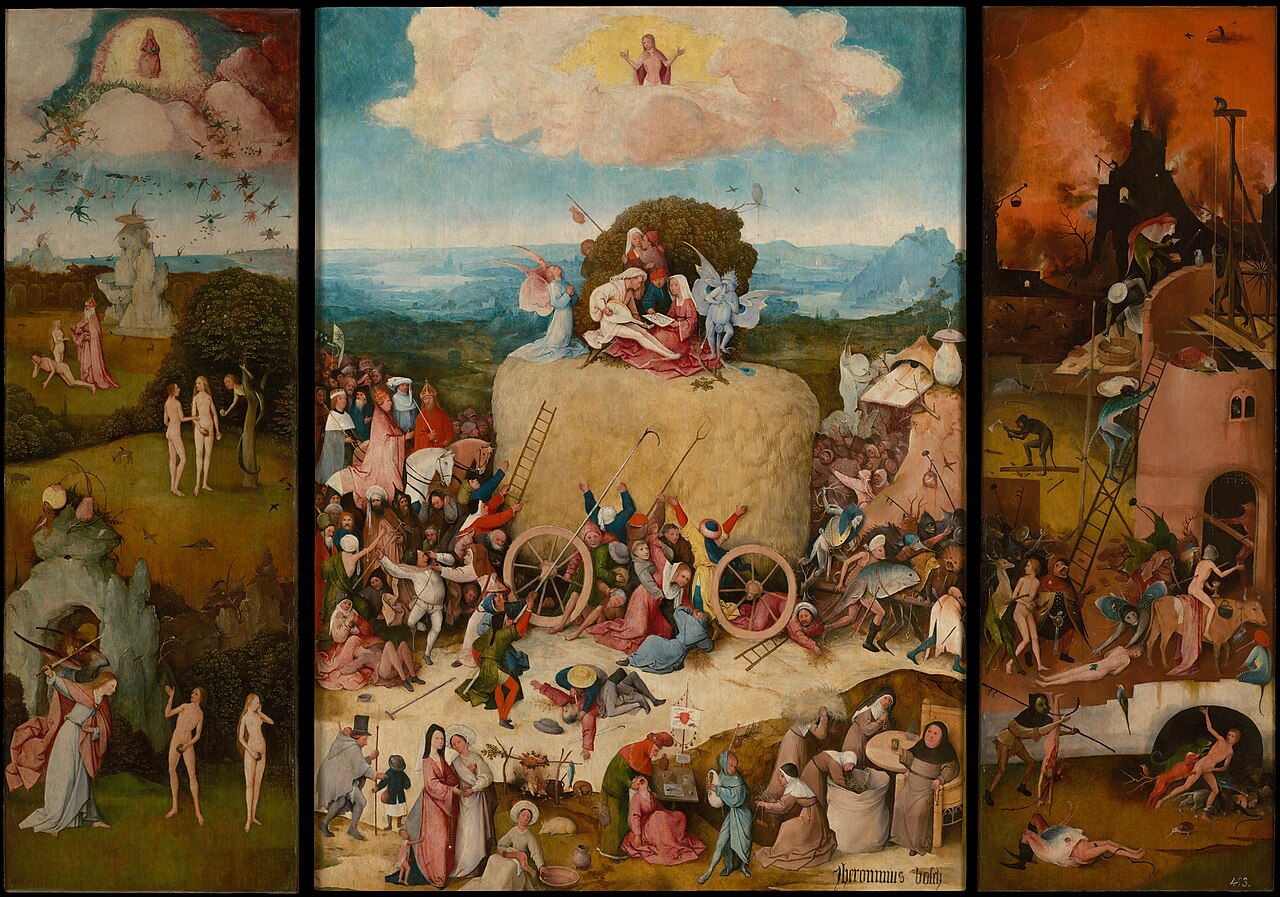 Painting
Primary source
The Haywain Triptych
Hieronymus Bosch · c. 1510-1516
 Painting
Primary source
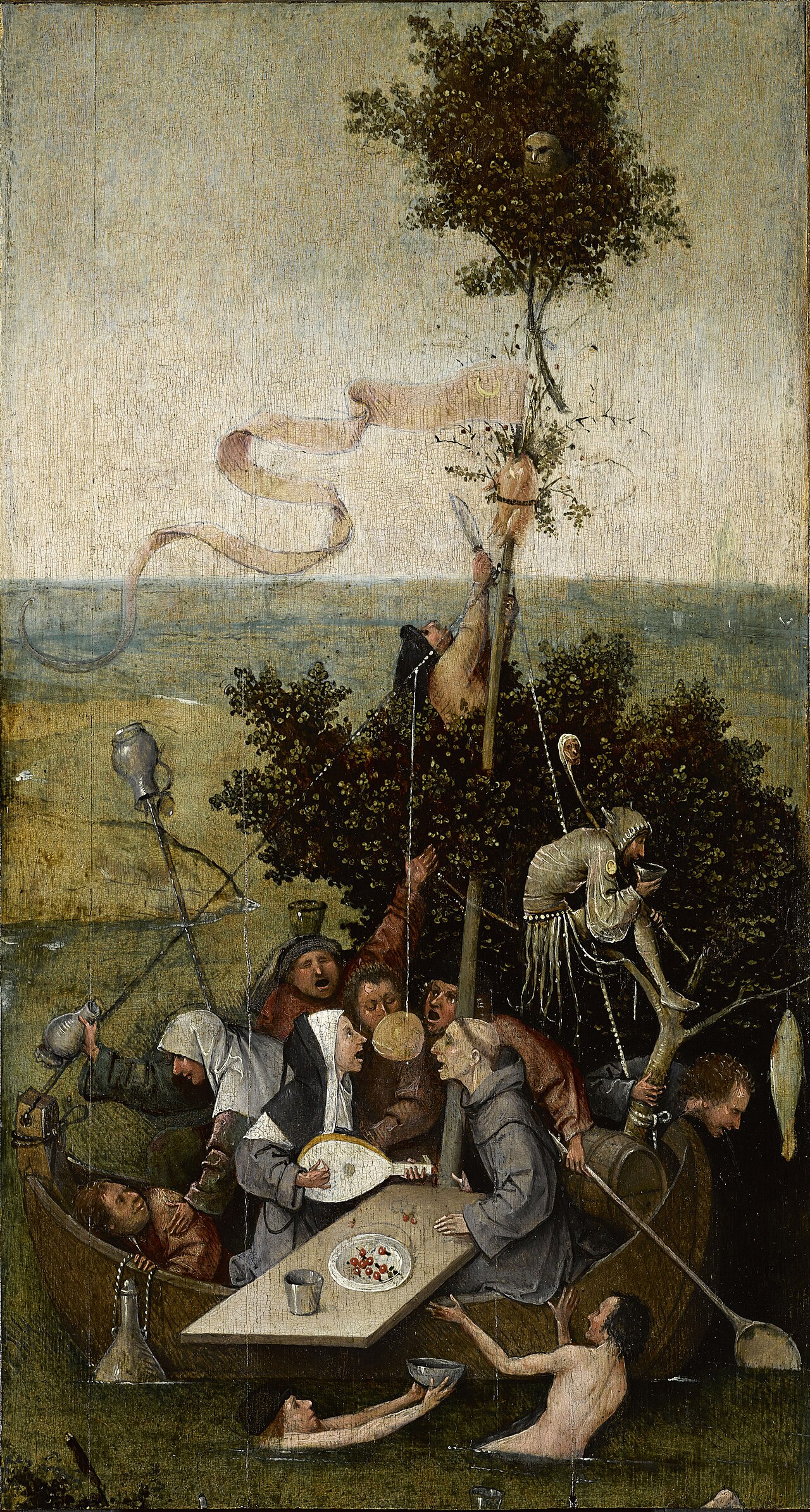
Ship of Fools
Hieronymus Bosch · c. 1490-1500
 Painting
Secondary source
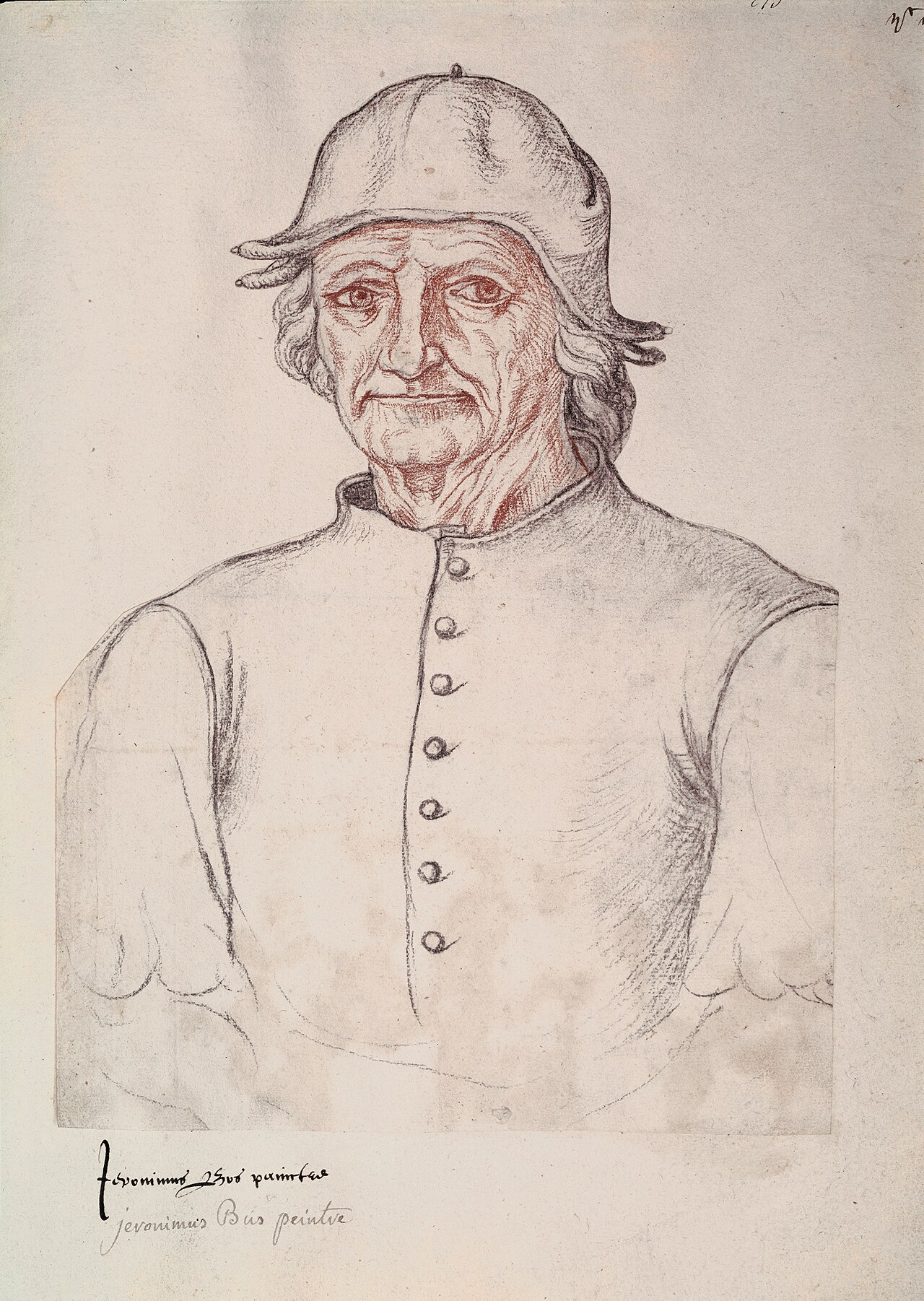
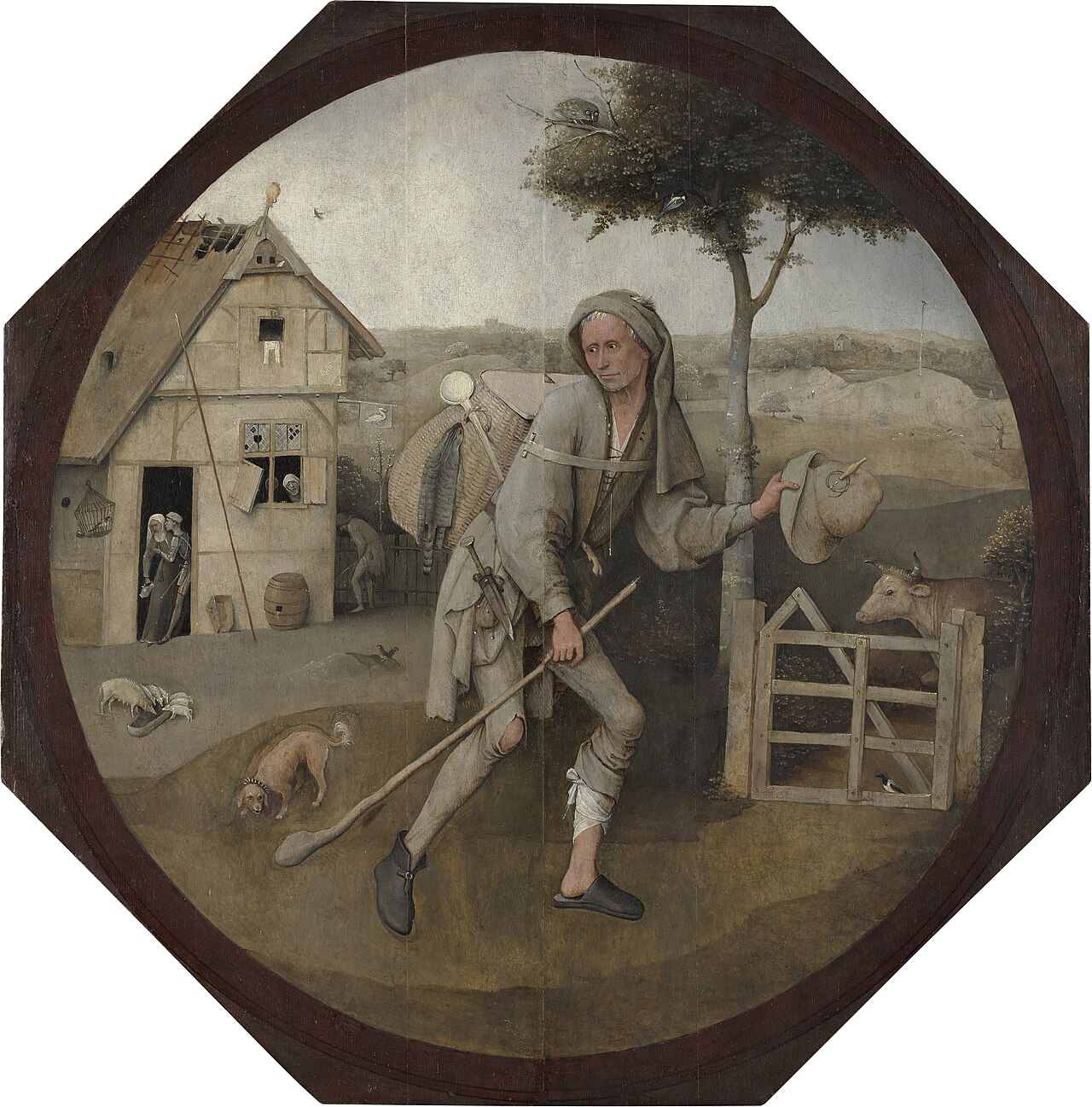
Portrait of Hieronymus Bosch
Jacques Le Boucq · c. 1550
 Painting
Primary source
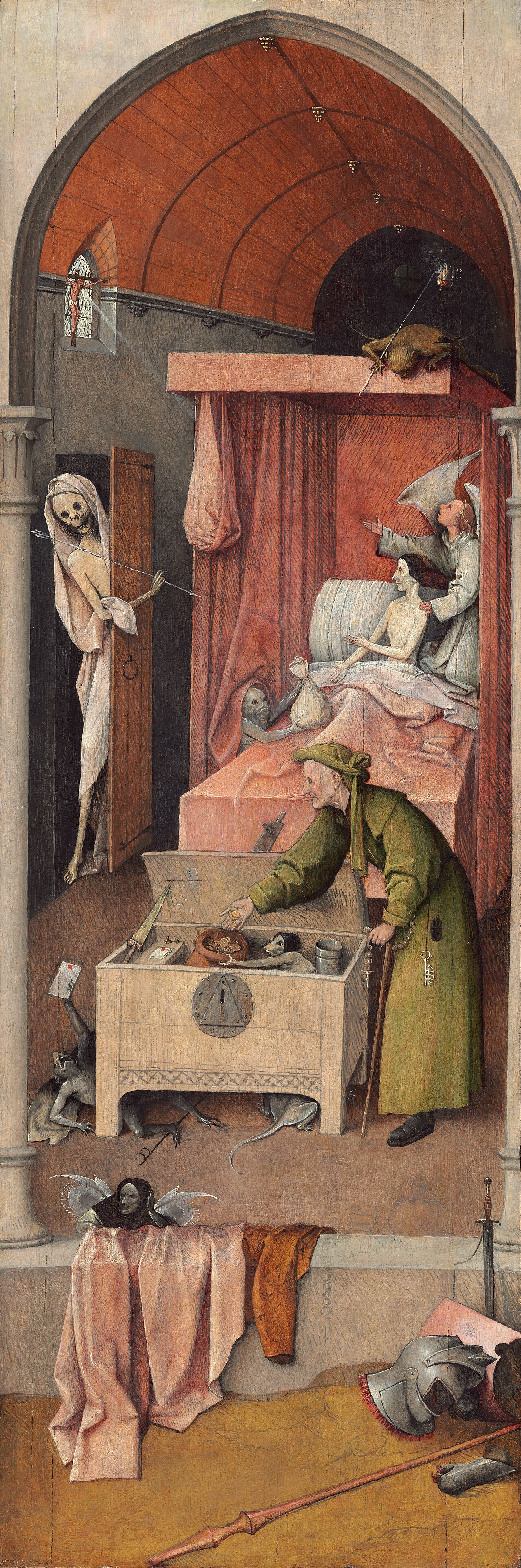
Death and the Miser
Hieronymus Bosch · c. 1490-1516
Free account
Read every Hieronymus Bosch source
Sign up free →
Ready when you are
Start chatting with Hieronymus Bosch now.
20 messages free · No credit card · Available in 50+ languages.