


Primary sourcePaintingc. 1490-1500
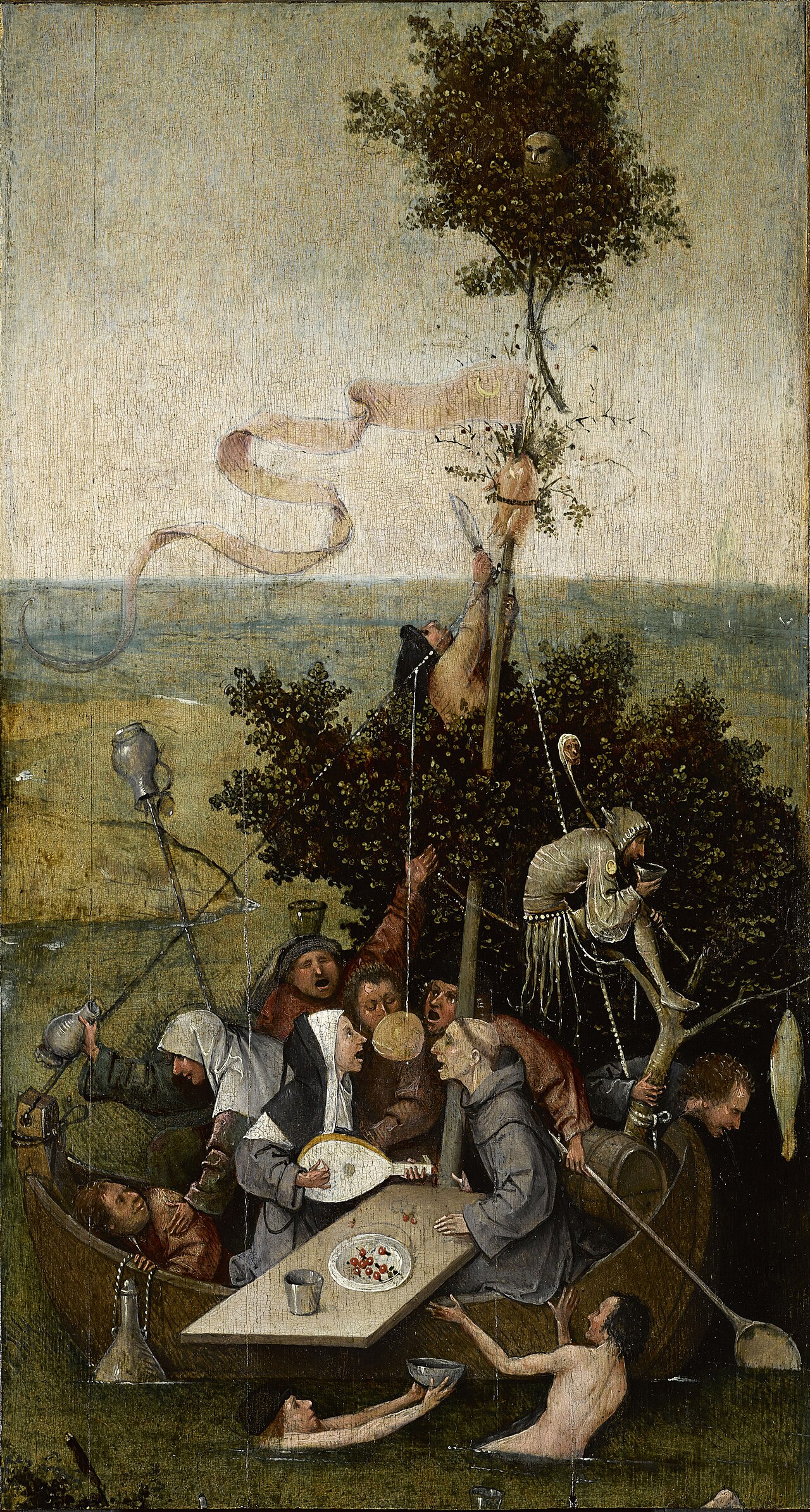
Ship of Fools
Hieronymus Bosch · c. 1490-1500
A surviving fragment of a Bosch triptych showing fools and clergy carousing in a boat, satirizing gluttony and corruption.
This fragment is one of Bosch's surviving satirical works, showing his comic, moralizing view of human folly.
About this source
What it is
Painted around 1490-1500 by Hieronymus Bosch, this panel survives as a fragment of a larger triptych that was later cut apart. It depicts the sin of gluttony and was originally joined to the panels now known as Allegory of Gluttony and Death and the Miser. It is held in the Musée du Louvre, Paris, donated in 1918.
Why it matters
The ship of fools was an old idea, going back to classical writers and popularized again by Sebastian Brant's satire Das Narrenschiff. Bosch's painting shows how artists responded to popular literature of their time, using humor and exaggeration to criticize bad behavior, including that of clergy and laity shown feasting instead of behaving responsibly.
Look closer
- What clues suggest the people on the boat are meant to look foolish or sinful?
- Why might Bosch have chosen a boat, rather than a house or city, as the setting?
- What does the painting's damaged, fragmentary state tell us about how artworks survive over centuries?
This painting is part of the curated material that grounds the AI version of Hieronymus Bosch on Humy.ai — when students ask about related events, the AI can quote it and cite it.
More Hieronymus Bosch sources
Browse all 95 →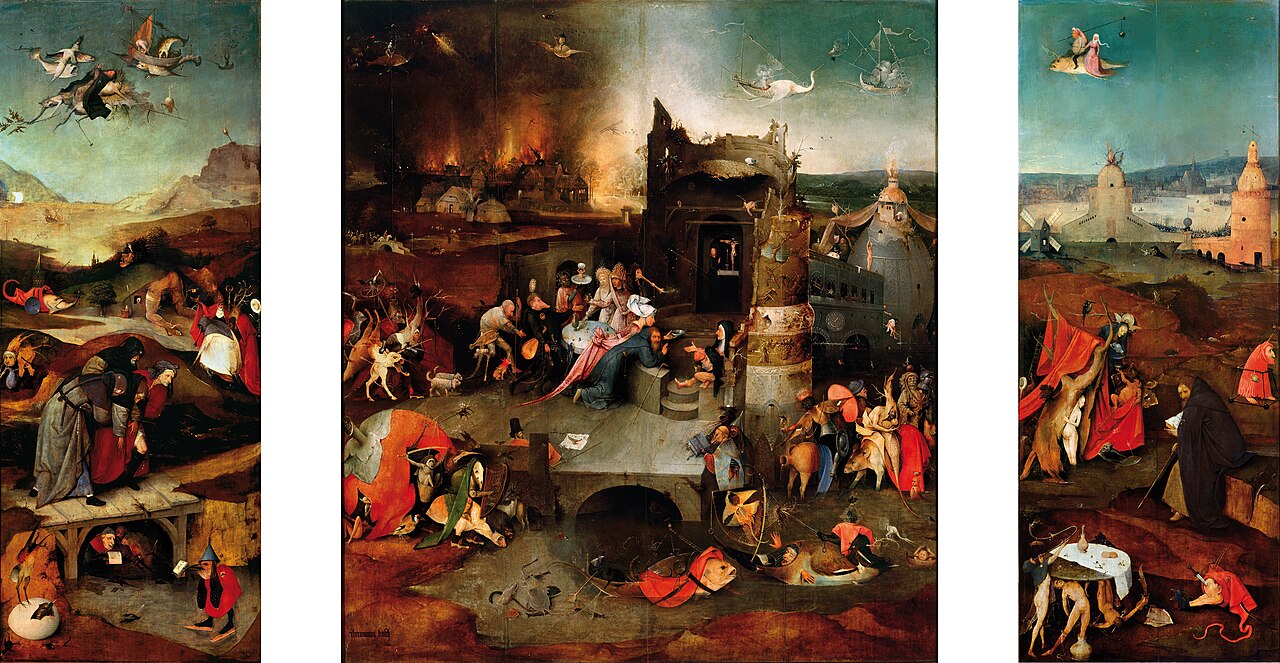 Painting
Primary source
Temptation of Saint Anthony
Hieronymus Bosch · c. 1501
 Painting
Primary source
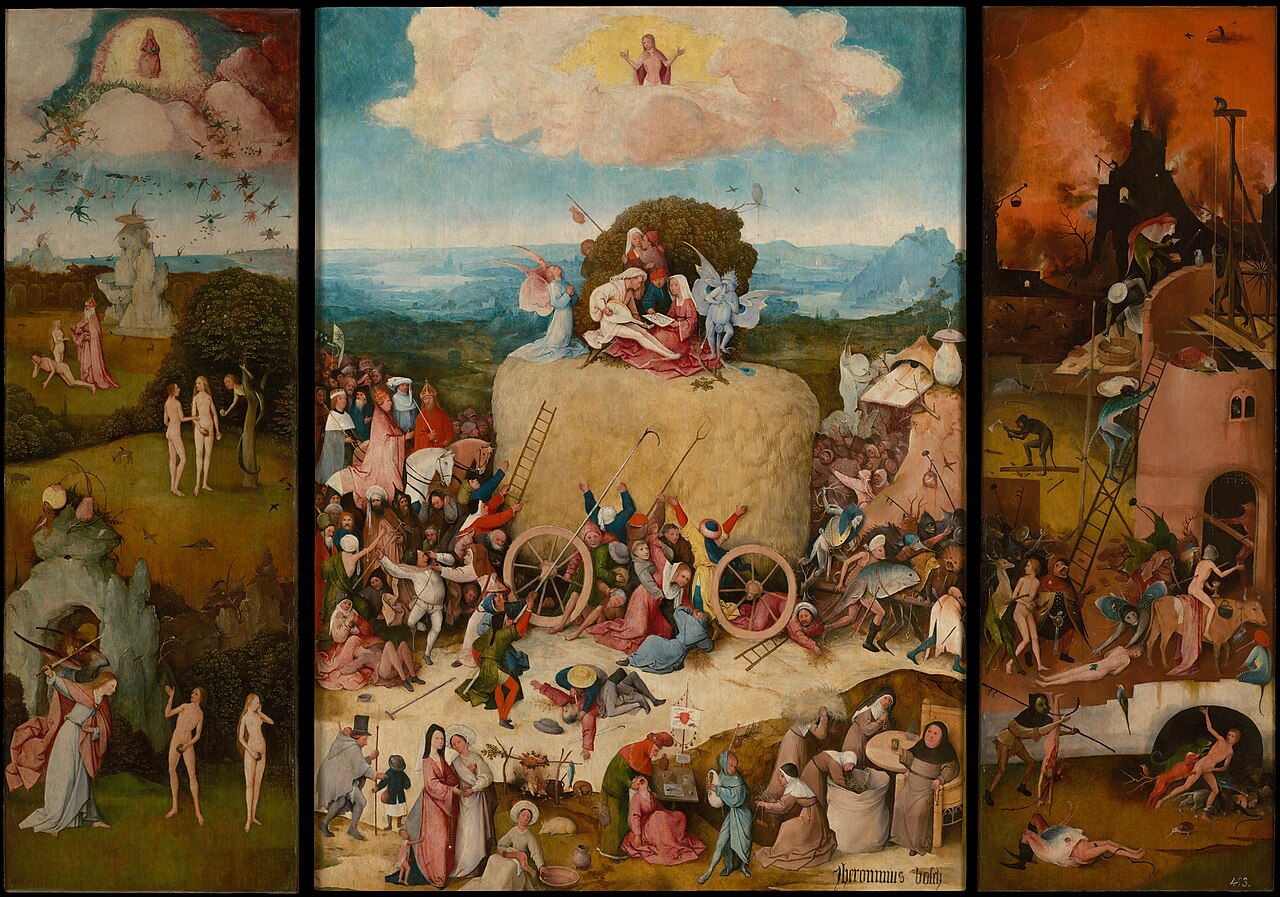
The Haywain Triptych
Hieronymus Bosch · c. 1510-1516
 Painting
Secondary source
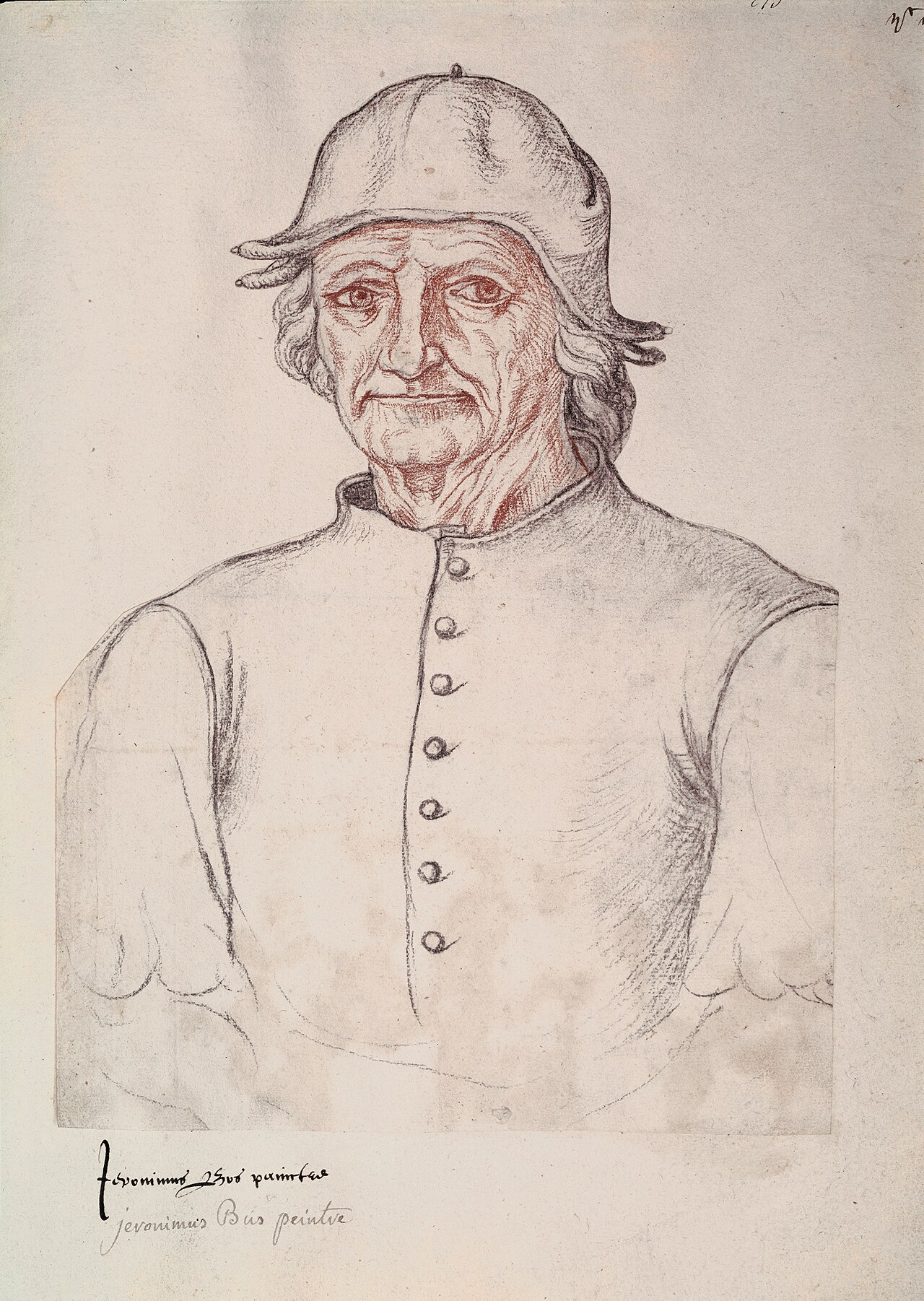
Portrait of Hieronymus Bosch
Jacques Le Boucq · c. 1550
 Painting
Primary source
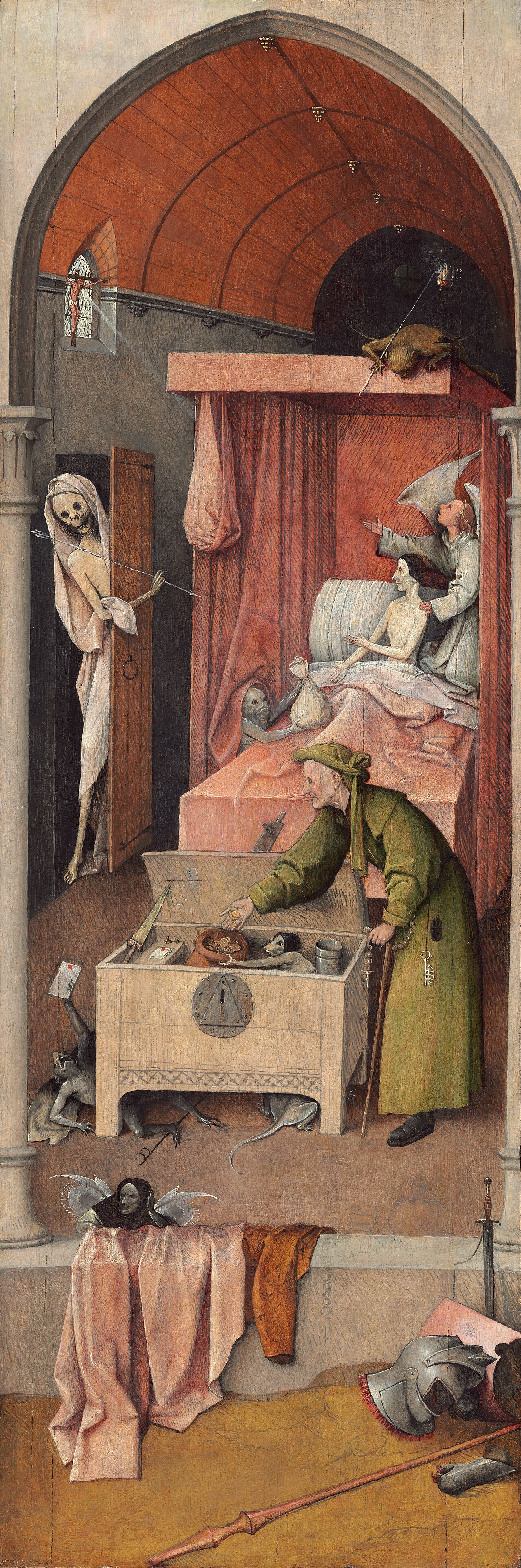
Death and the Miser
Hieronymus Bosch · c. 1490-1516
Free account
Read every Hieronymus Bosch source
Sign up free →
Ready when you are
Start chatting with Hieronymus Bosch now.
20 messages free · No credit card · Available in 50+ languages.