


Secondary sourcePainting1783
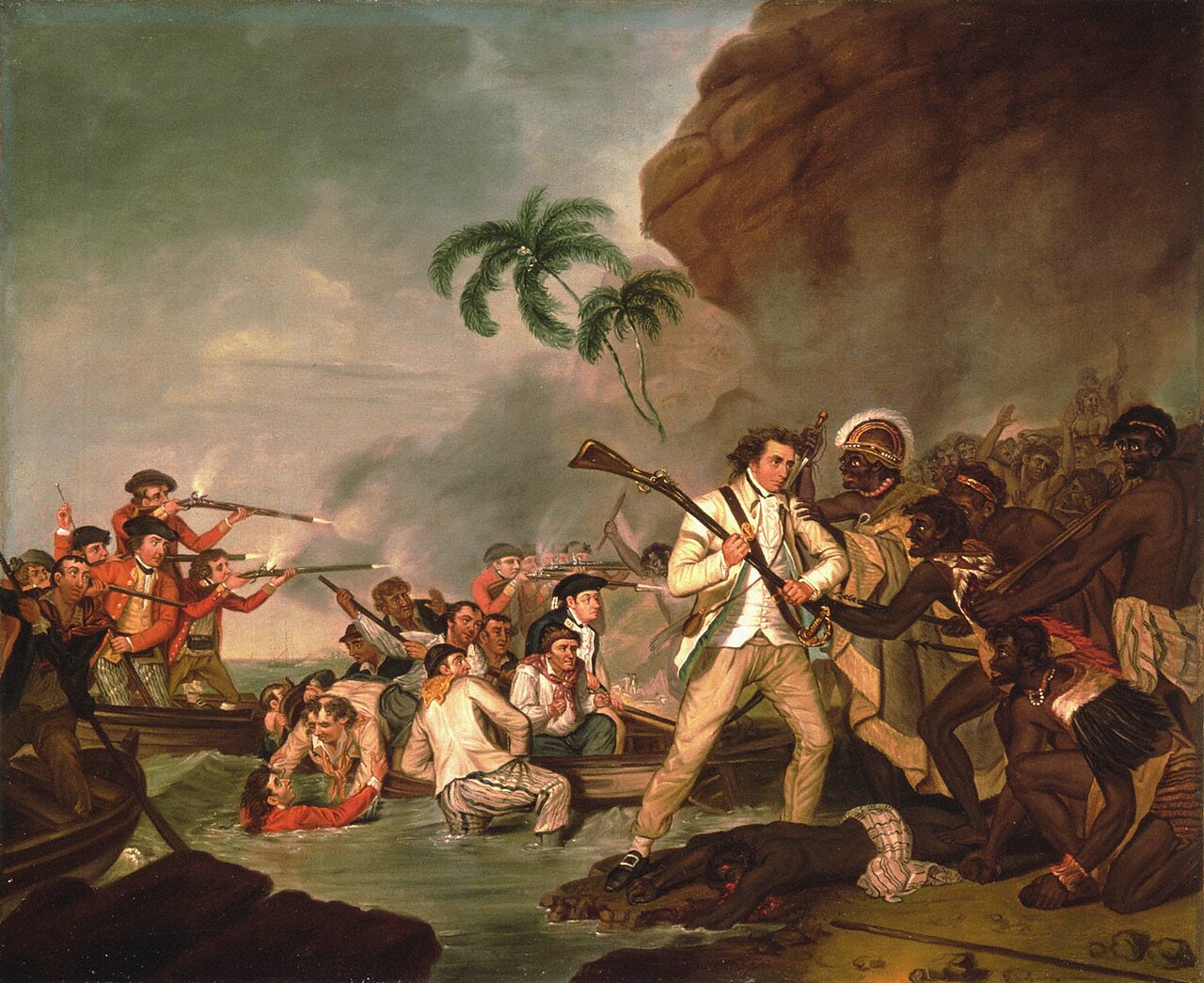
Death of Captain James Cook
George Carter · 1783
George Carter's 1783 oil painting imagines Cook's final moments on a Hawaiian shore, one of several early depictions of his death.
An early, dramatized depiction of Cook's death, showing how the event was quickly mythologised in art.
About this source
What it is
This oil painting, made by George Carter in 1783, depicts the death of Captain James Cook. It is held at the Bernice P. Bishop Museum and was one of several competing versions of the scene painted soon after Cook's death, alongside works by John Webber and Johann Zoffany.
Why it matters
Painted the year after news of Cook's death reached Britain, this work shows how quickly his death became a dramatic, almost legendary story in European art. Comparing it to other artists' versions reveals how different painters imagined the same event differently, often without having witnessed it themselves.
Look closer
- Who is shown as calm or heroic in the painting, and who is shown as threatening?
- Since Carter did not witness the event, where might he have gotten his information?
- How does this painting compare to other depictions of the same event made around the same time?
This painting is part of the curated material that grounds the AI version of James Cook on Humy.ai — when students ask about related events, the AI can quote it and cite it.
More James Cook sources
Meet the AI James Cook →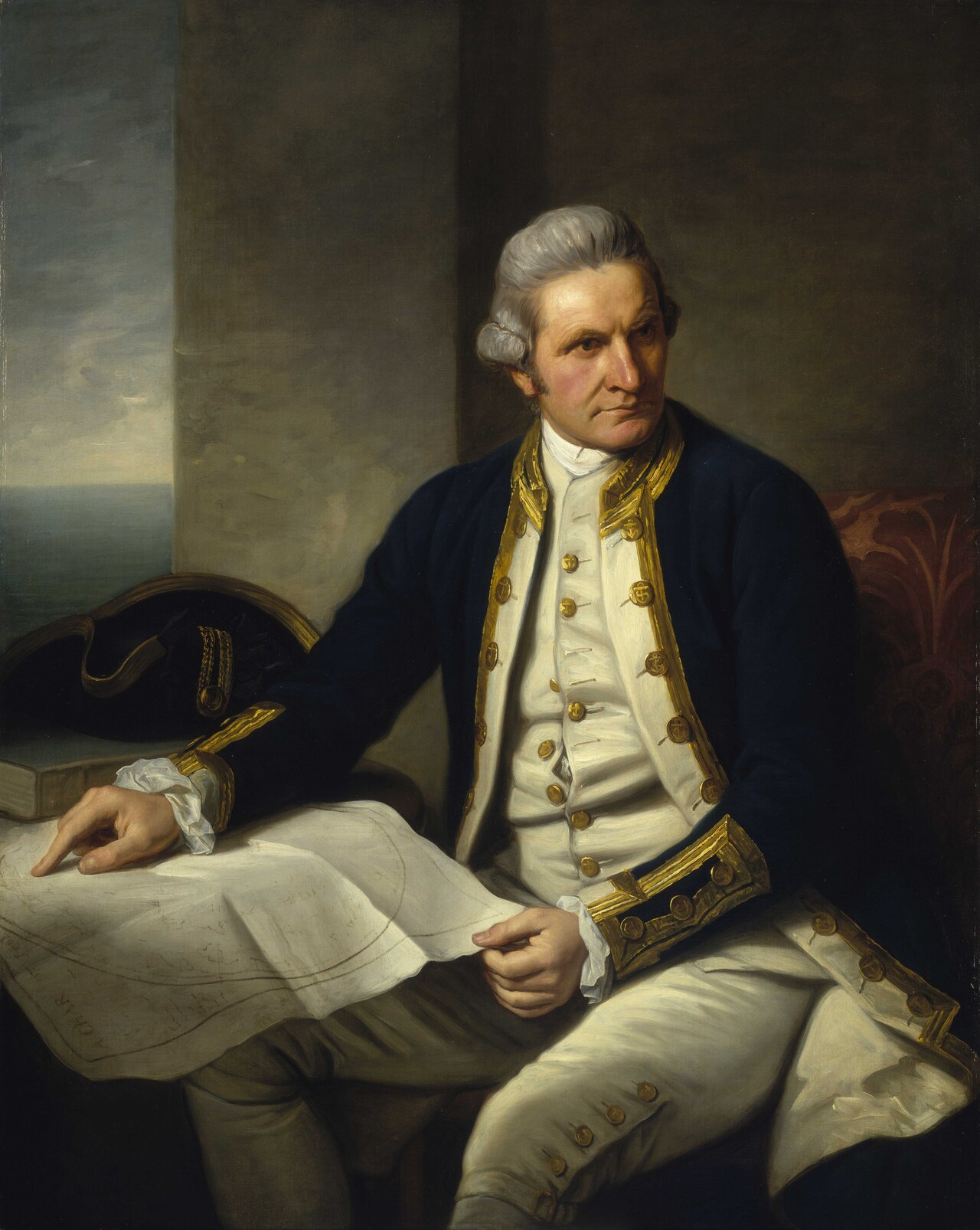 Painting
Primary source
Captain James Cook, 1728-79
Nathaniel Dance-Holland · c. 1775-1776
 Painting
Secondary source
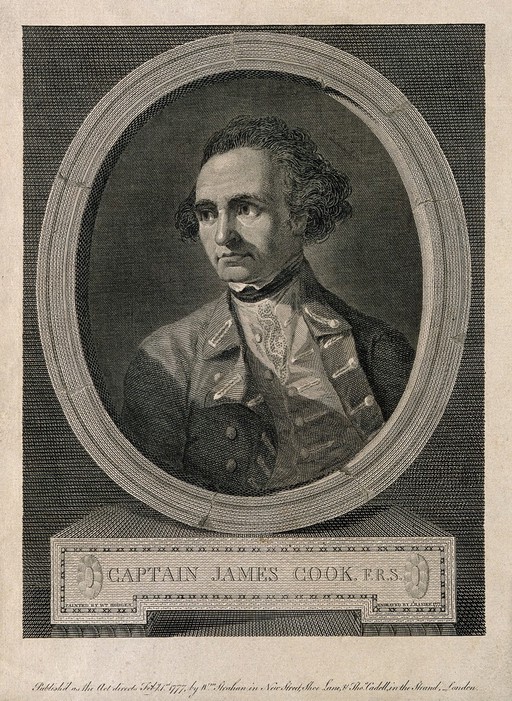
James Cook, line engraving by Basire after Hodges
William Hodges · 1777
 Document
Primary source
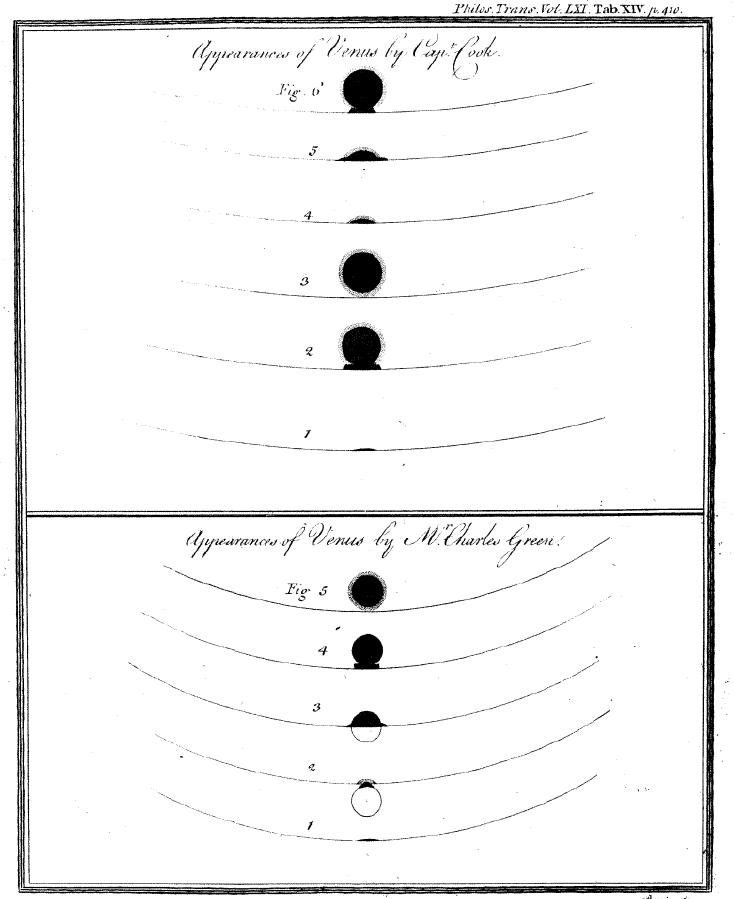
Sketchings of the 1769 Venus Transit
James Cook and Charles Green · 1769
 Painting
Primary source
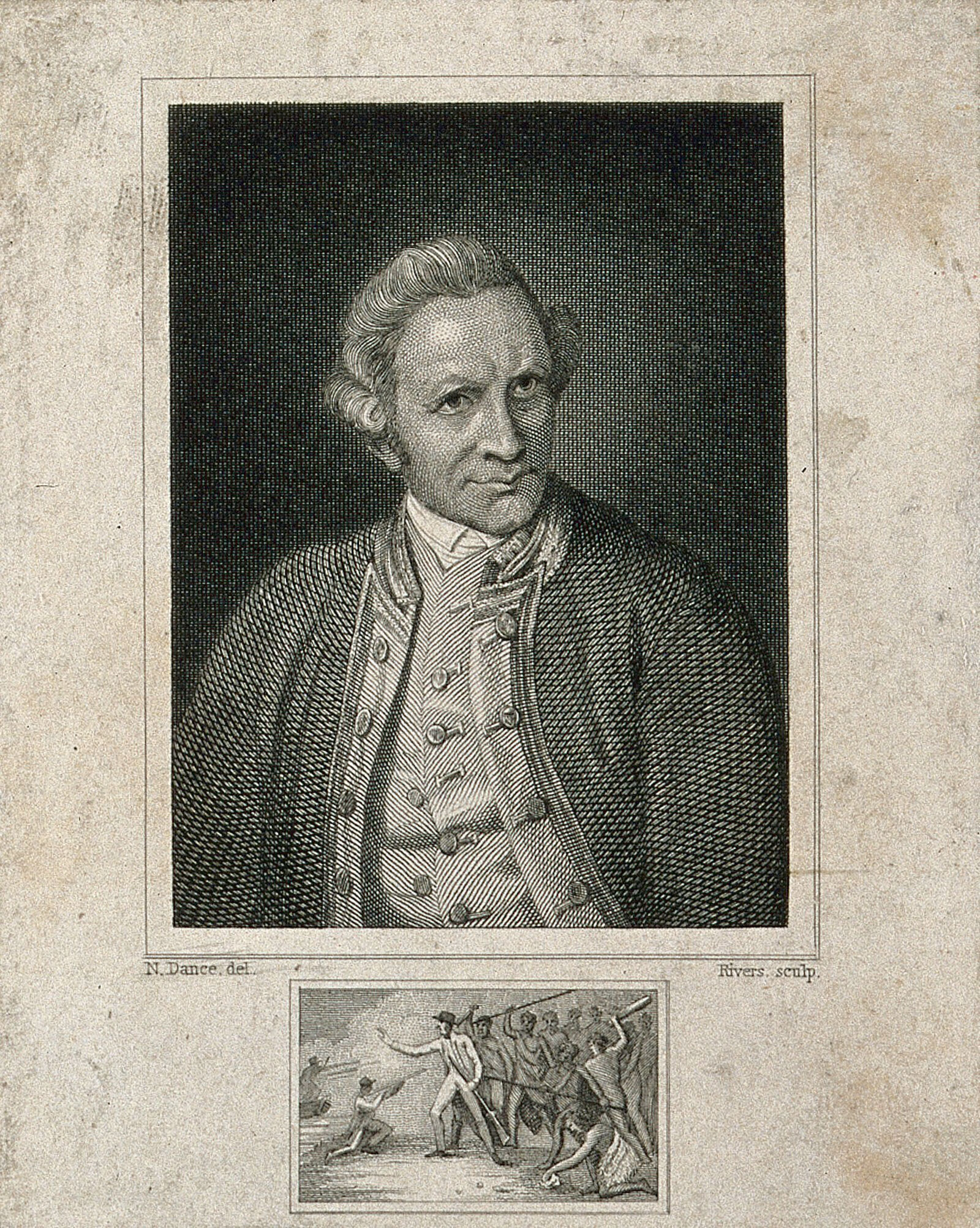
James Cook, engraving by Rivers after Dance-Holland
Nathaniel Dance-Holland · 1776
 Document
Primary source
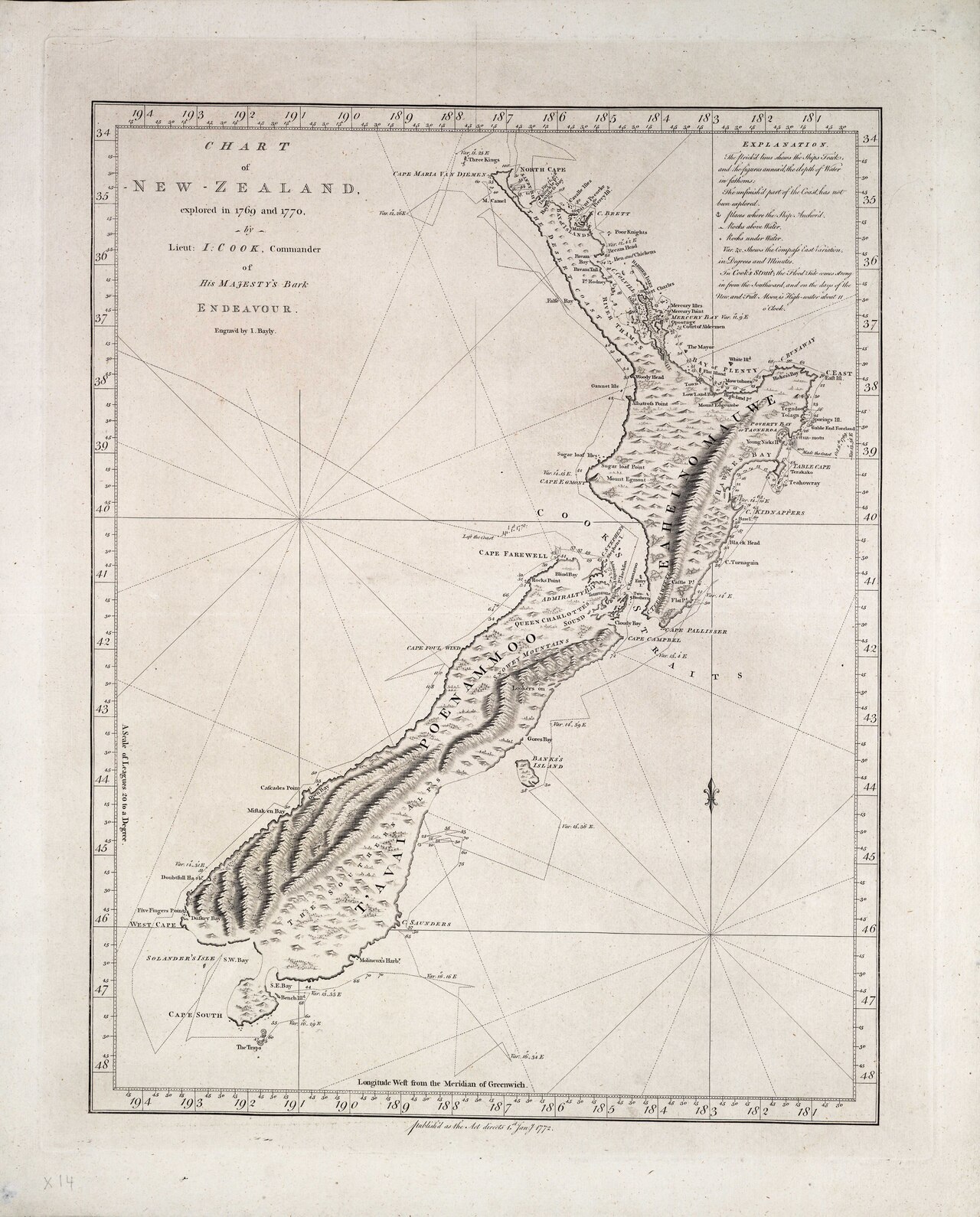
Chart of New Zealand, explored in 1769 and 1770
James Cook · 1770
Ready when you are
Start chatting with James Cook now.
20 messages free · No credit card · Available in 50+ languages.