


Primary sourceArtifactc. 19–18 BC
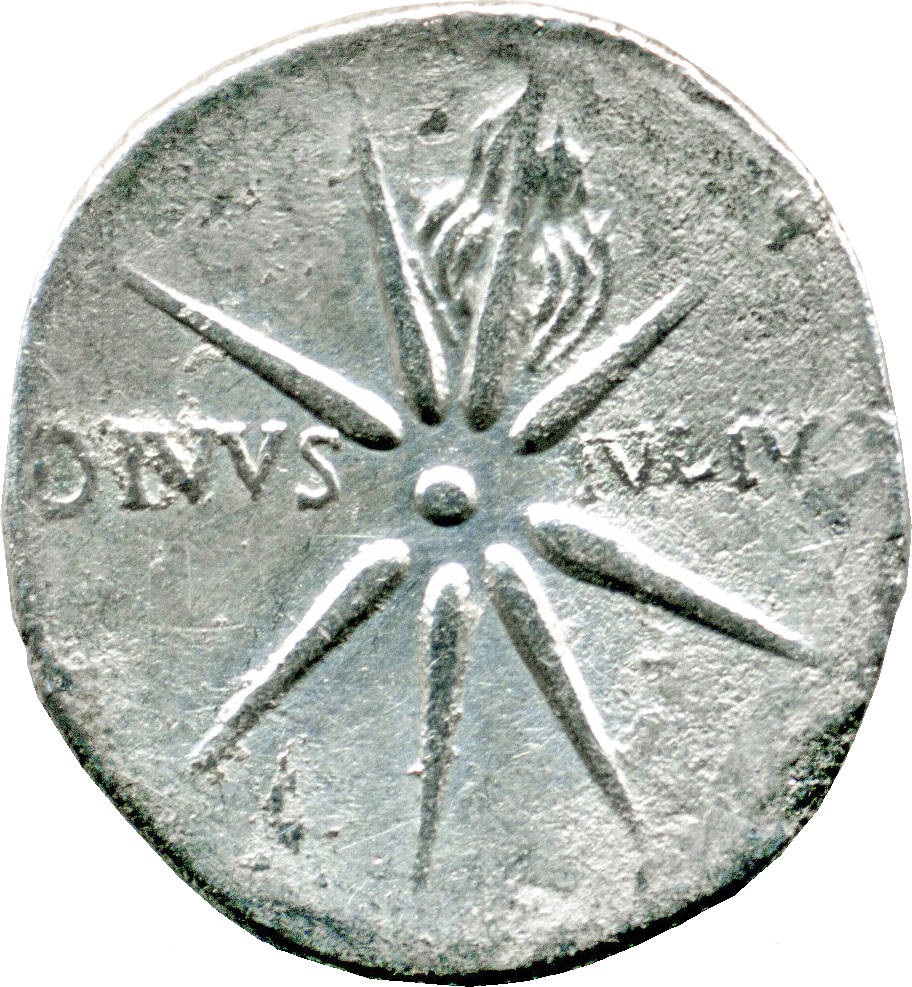
Denarius of Augustus with Caesar's comet
Mint of Augustus · c. 19–18 BC
A silver coin issued by Augustus showing the comet of 44 BC labelled DIVVS IVLIVS, documenting the official deification of Julius Caesar.
This coin commemorates Caesar's deification as 'Divus Iulius', showing how his death was turned into political propaganda for Augustus.
About this source
What it is
This silver denarius was minted under Augustus around 19-18 BC. Its reverse shows a star with a comet above it and the inscription DIVVS IVLIVS, 'the divine Julius', referring to Julius Caesar. It is held by the British Museum.
Why it matters
The comet appeared in 44 BC, months after Caesar's assassination, and was widely interpreted as a sign of his soul rising to the heavens. Augustus, Caesar's adopted heir, used this image on coinage to promote Caesar's official deification and strengthen his own claim to power as the son of a god.
Look closer
- Why would Augustus want people across the empire to see this image on a coin?
- What does it mean to turn a natural event, a comet, into political propaganda?
- How does this coin connect Caesar's death to Augustus's own rise to power?
This artifact is part of the curated material that grounds the AI version of Julius Caesar on Humy.ai — when students ask about related events, the AI can quote it and cite it.
More Julius Caesar sources
Meet the AI Julius Caesar →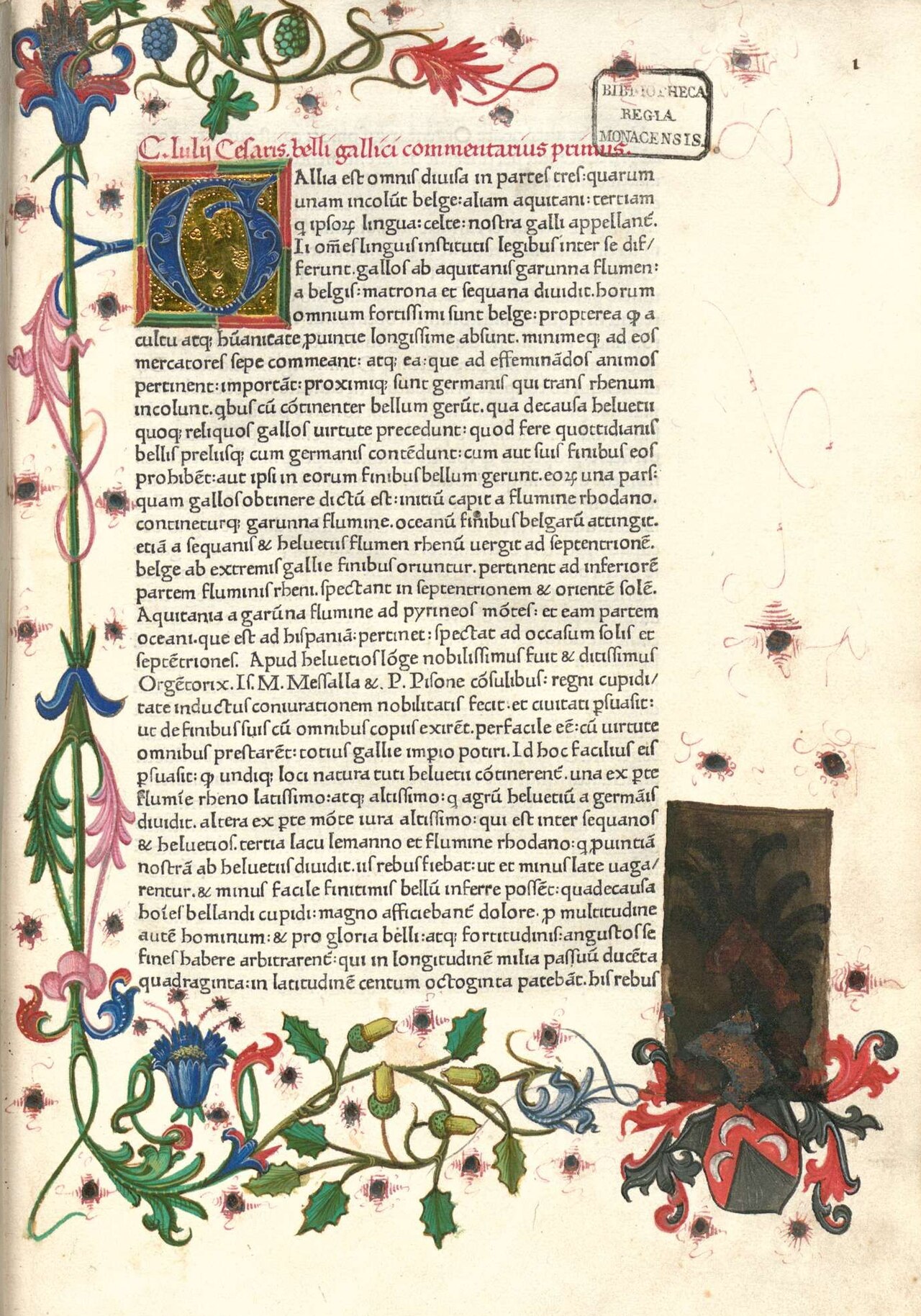 Book
Primary source
Commentarii de Bello Gallico
Julius Caesar · c. 58-50 BCE (this copy 1469)
 Painting
Secondary source
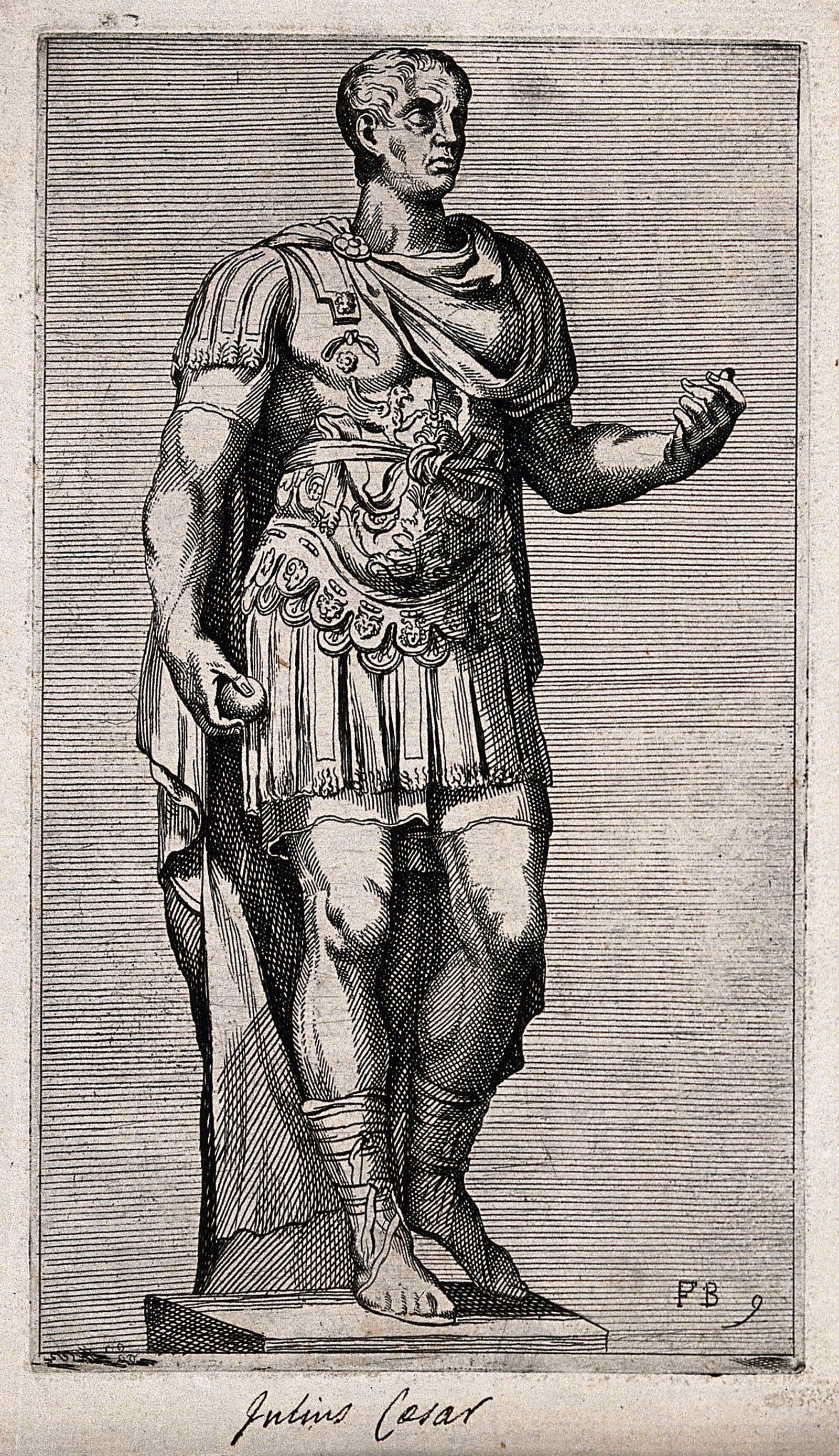
Etched Portrait of Julius Caesar
F. Perrier
 Painting
Secondary source
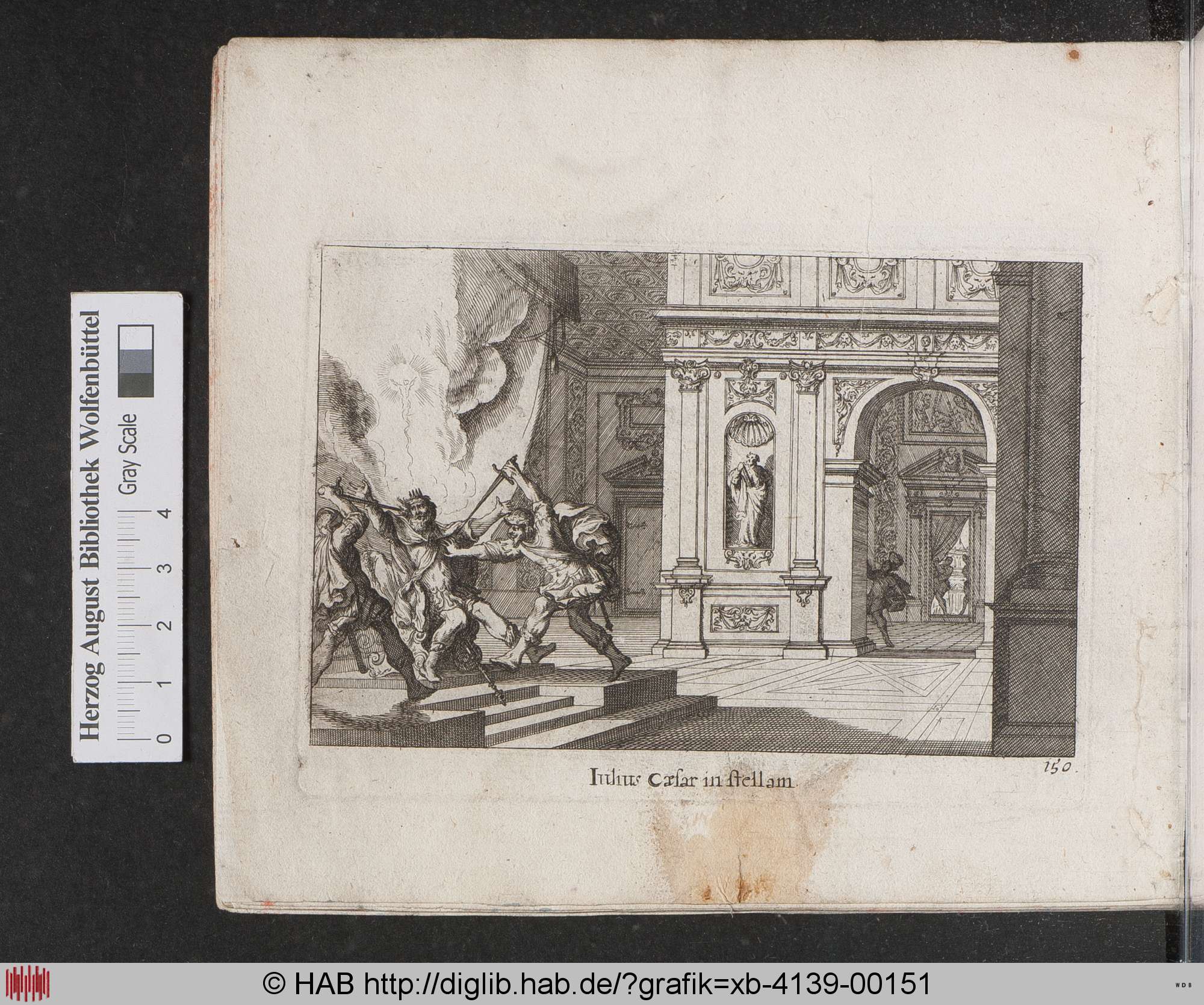
Murder of Julius Caesar in the Senate
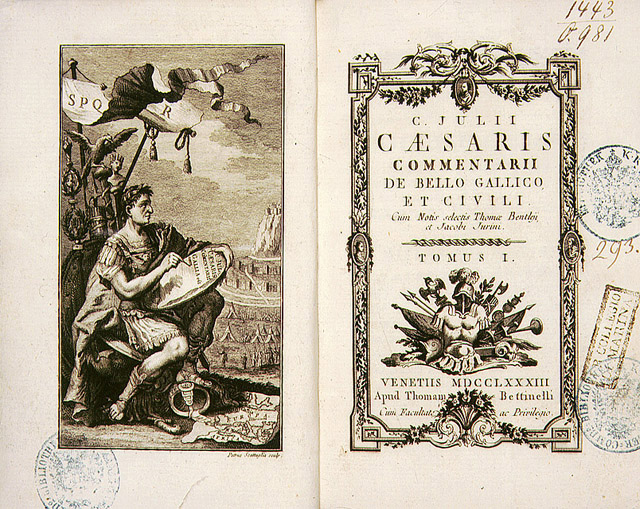 Book
Primary source
Commentarii de Bello Civili
Julius Caesar · 49-48 BCE
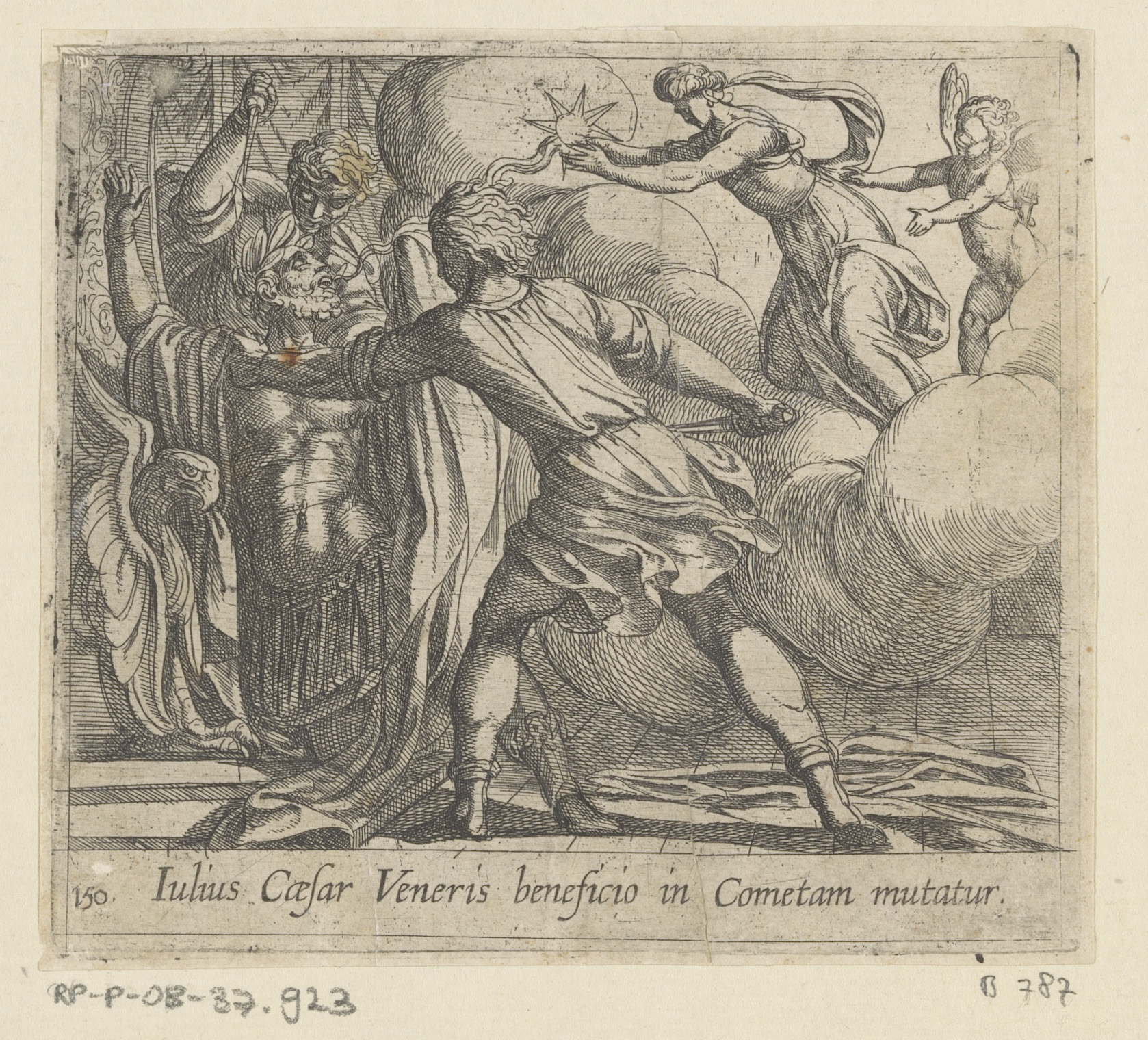 Painting
Secondary source
The Murder of Julius Caesar
1606
Ready when you are
Start chatting with Julius Caesar now.
20 messages free · No credit card · Available in 50+ languages.