


Primary sourceArtifact47–46 BC
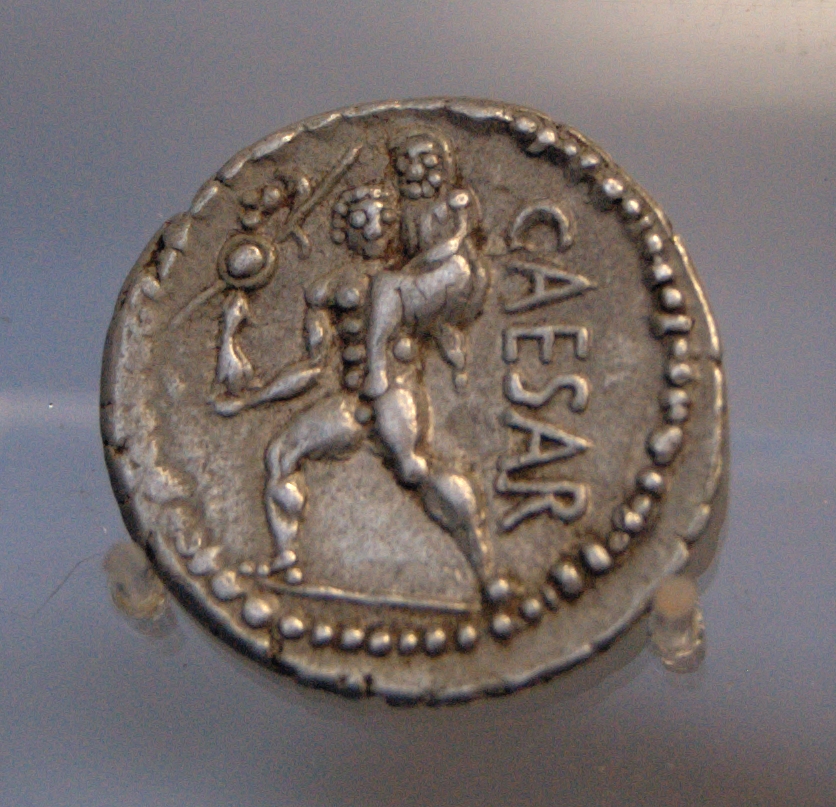
Denarius of Caesar with Aeneas carrying Anchises
Mint of Julius Caesar · 47–46 BC
A silver coin minted for Julius Caesar showing Aeneas carrying his father Anchises, promoting the Julian family's claimed descent from Venus.
Caesar commissioned this coin to promote his family's legendary descent from Venus through Aeneas.
About this source
What it is
This silver denarius was minted for Julius Caesar around 47–46 BC. Its reverse shows Aeneas carrying his elderly father Anchises while fleeing Troy, alongside the Palladium, with the inscription CAESAR. It is held by the British Museum.
Why it matters
Coins were a powerful tool for Roman leaders to spread political messages. By choosing the mythical hero Aeneas, ancestor of the Julian family and son of Venus, Caesar's mint was publicizing his family's claim to divine and legendary descent, reinforcing his authority and prestige during a period of civil war.
Look closer
- Why would a general issuing coins during wartime choose a mythological scene instead of his own portrait?
- What does this coin suggest about how Caesar wanted the Roman public to see him?
- How does money function as a form of propaganda?
This artifact is part of the curated material that grounds the AI version of Julius Caesar on Humy.ai — when students ask about related events, the AI can quote it and cite it.
More Julius Caesar sources
Meet the AI Julius Caesar →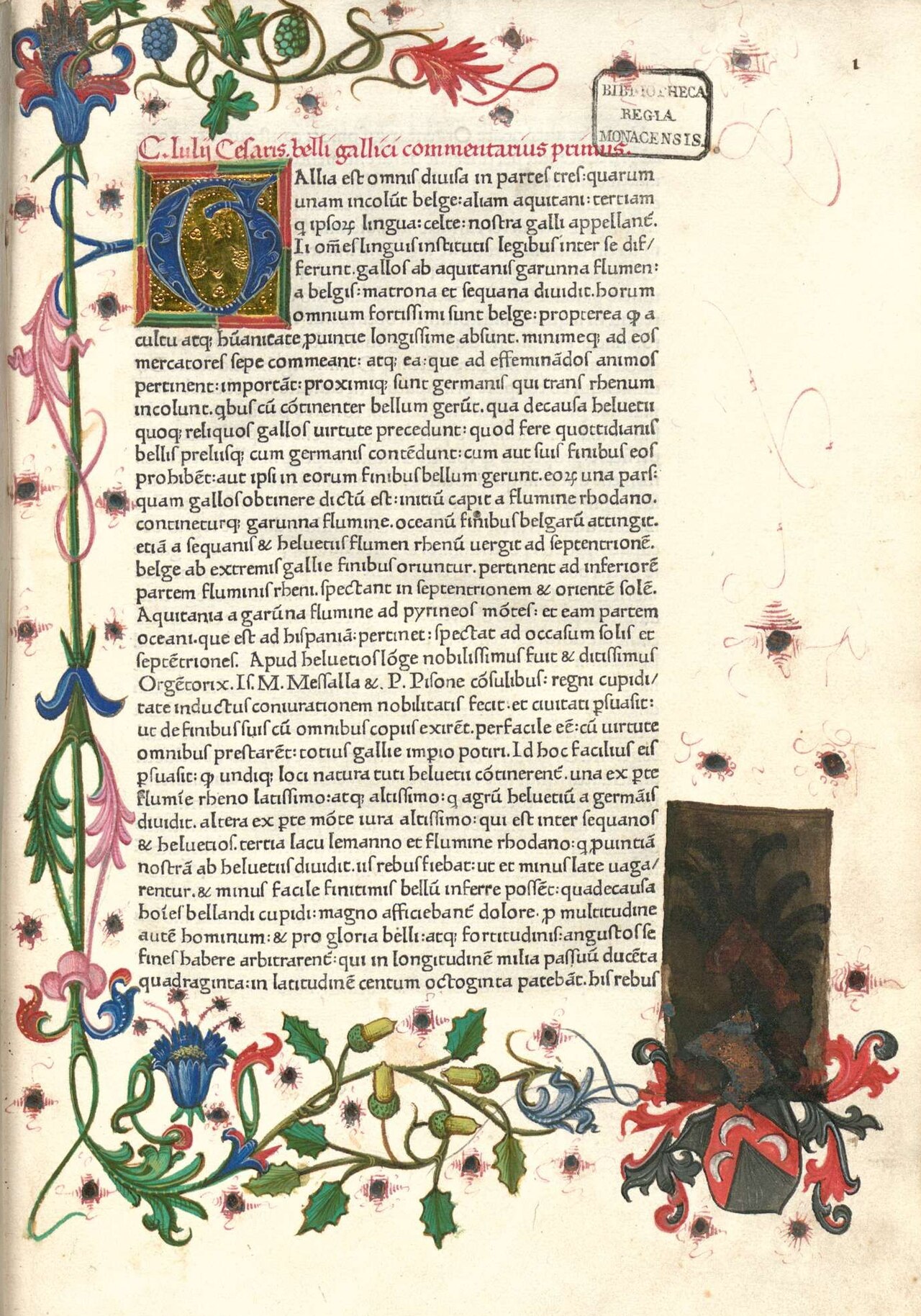 Book
Primary source
Commentarii de Bello Gallico
Julius Caesar · c. 58-50 BCE (this copy 1469)
 Painting
Secondary source
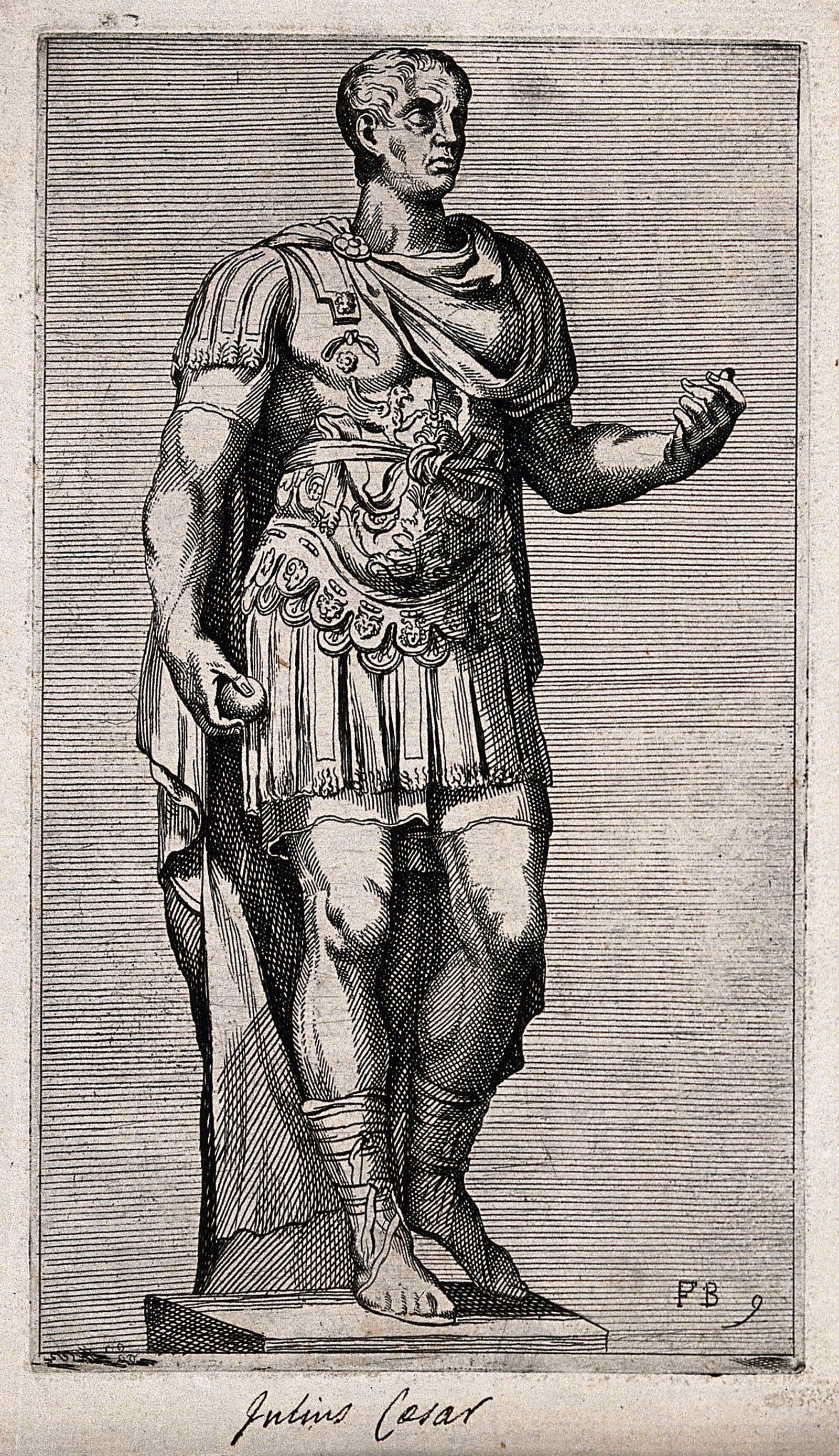
Etched Portrait of Julius Caesar
F. Perrier
 Painting
Secondary source
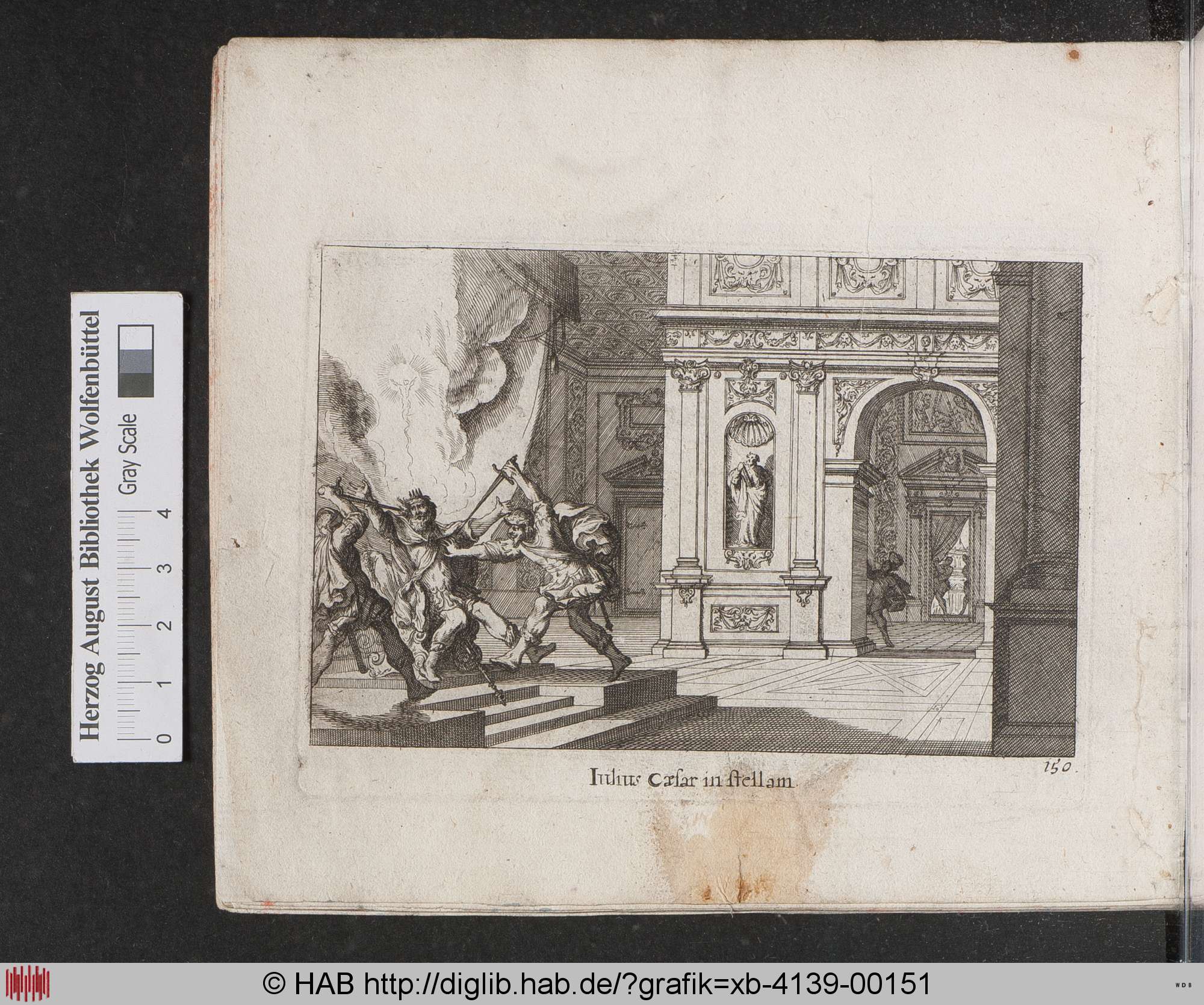
Murder of Julius Caesar in the Senate
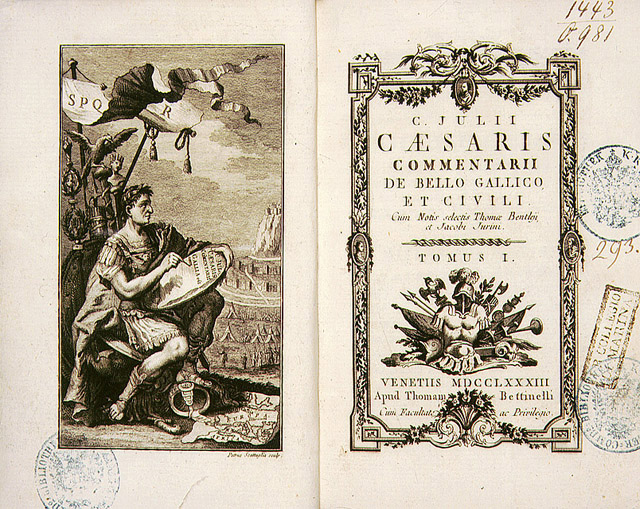 Book
Primary source
Commentarii de Bello Civili
Julius Caesar · 49-48 BCE
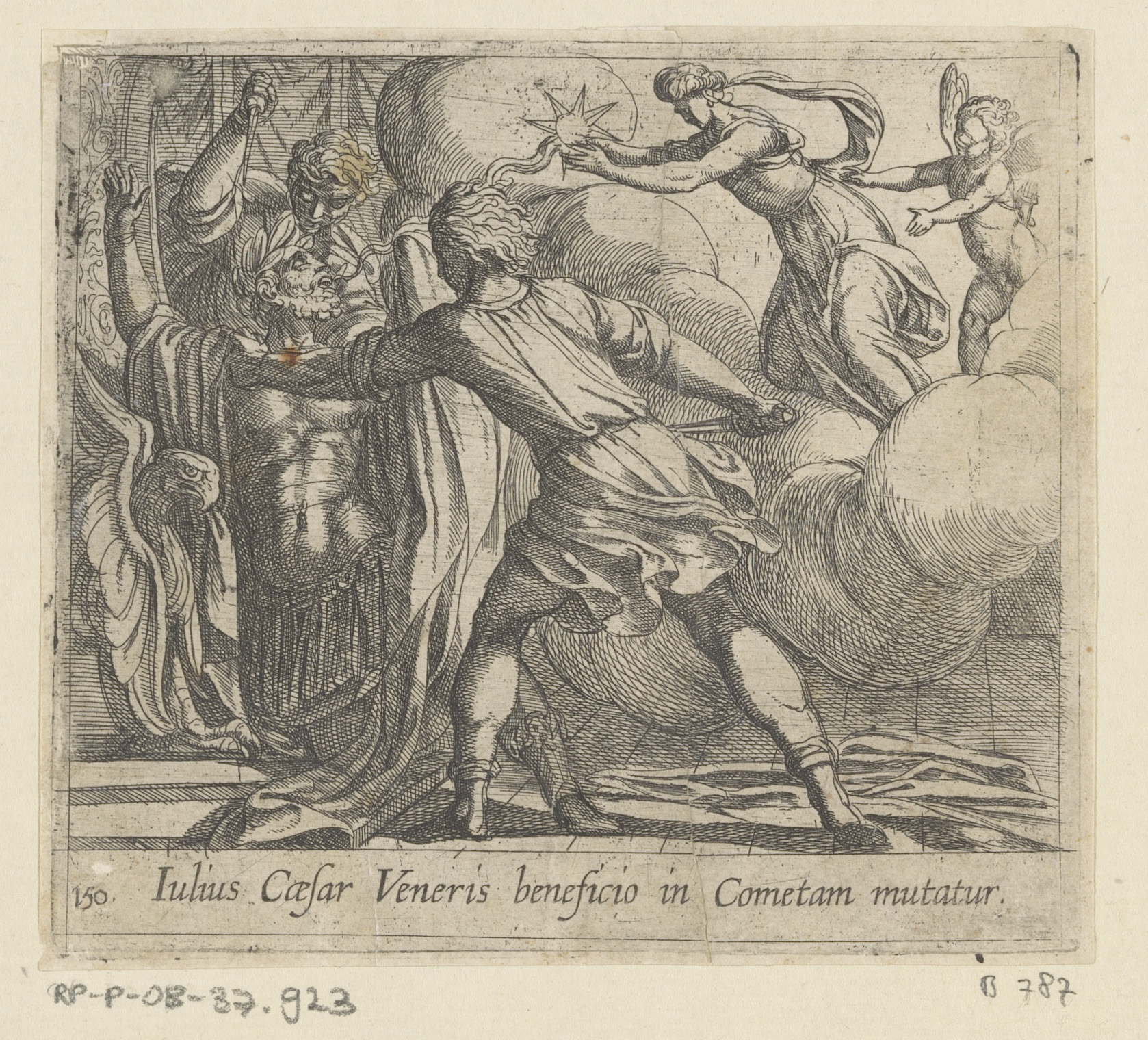 Painting
Secondary source
The Murder of Julius Caesar
1606
Ready when you are
Start chatting with Julius Caesar now.
20 messages free · No credit card · Available in 50+ languages.