


Primary sourceDocument4th century BC
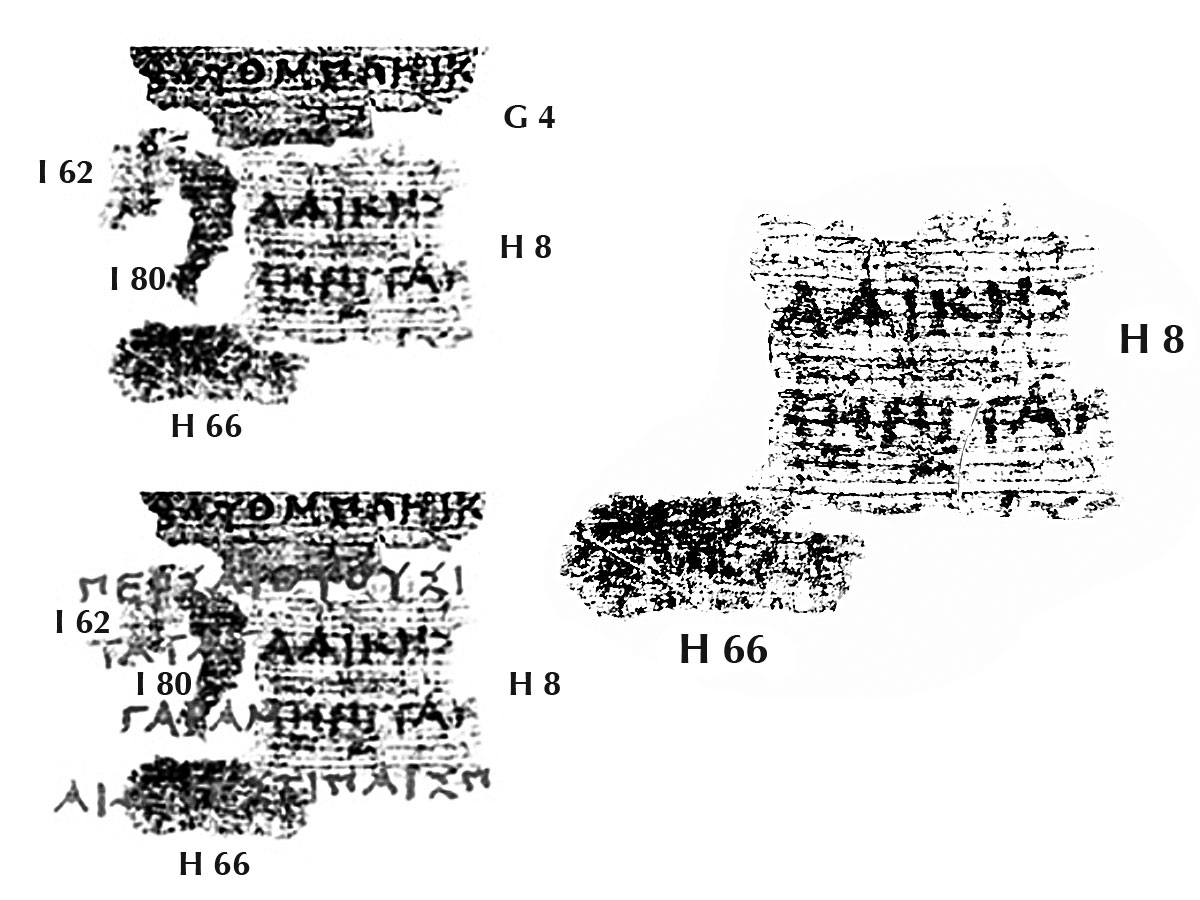
Derveni Papyrus, Column IV
Unknown author · 4th century BC
The oldest surviving European manuscript, a charred papyrus roll found in a tomb, quoting Heraclitus's words on the size of the sun.
This papyrus is the oldest surviving physical source quoting Heraclitus's actual words.
About this source
What it is
The Derveni papyrus is a burnt papyrus roll found in a grave near Thessaloniki, Greece, dating to the 4th century BC. It contains a philosophical commentary on an older poem, and in the section shown here the unknown commentator quotes a saying attributed to Heraclitus about the sun not overstepping its measure.
Why it matters
Because it was written only a little over a century after Heraclitus lived, this fragment is the earliest physical evidence of his sayings, far older than any surviving copy of his book. It shows that Heraclitus's ideas about nature and cosmic order were already being discussed and copied by later Greek thinkers.
Look closer
- What condition is the papyrus in, and what does that tell you about how fragile ancient texts were?
- Why might a commentator writing generations after Heraclitus want to quote his exact words?
- What does it mean that we only know Heraclitus through quotations like this rather than his original book?
This document is part of the curated material that grounds the AI version of Heraclitus on Humy.ai — when students ask about related events, the AI can quote it and cite it.
More Heraclitus sources
Browse all 88 → Book
Secondary source
Lives and Opinions of Eminent Philosophers, Book V (Life of Aristotle)
Diogenes Laërtius · c. 3rd century CE
Primary source
Cratylus
Plato
 Book
Secondary source
Metaphysics
Aristotle · c. 400 BCE
Secondary source
Refutation of All Heresies
Hippolytus · early 3rd century
Free account
Read every Heraclitus source
Sign up free →
Ready when you are
Start chatting with Heraclitus now.
20 messages free · No credit card · Available in 50+ languages.