


Primary sourceBook
Cratylus
Plato
A Platonic dialogue about whether names are natural or conventional, in which Socrates examines the origins of words, including the names of the gods.
Plato wrote this dialogue on names and language, featuring Cratylus, the Heraclitean thinker who Aristotle says first introduced Plato to Heraclitus.
About this source
What it is
Cratylus is a dialogue by Plato. Most modern scholars think it was written mostly in Plato's middle period. Two men, Cratylus and Hermogenes, ask Socrates whether names are natural or conventional. Hermogenes holds that names are simply agreed sounds, while Cratylus holds that names express the true essence of things. Socrates offers guesses about the origins of many words, including the names of the Olympian gods.
Why it matters
The dialogue is one of the earliest discussions of how language relates to reality. Cratylus is said to have been Plato's first known intellectual influence, introducing him to the teachings of Heraclitus. Later scholars, including Ferdinand de Saussure and Gerard Genette, drew on its questions about the arbitrariness of the sign.
Look closer
- Socrates argues by guessing word origins. Which of his etymologies seem convincing to you, and which seem like jokes?
- Hermogenes and Cratylus each claim the truth. What evidence does the dialogue give for either side?
- The text is an English translation of a Greek work. What might a translator change, and how would that shape your reading?
This book is part of the curated material that grounds the AI version of Plato on Humy.ai — when students ask about related events, the AI can quote it and cite it.
More Plato sources
Meet the AI Plato →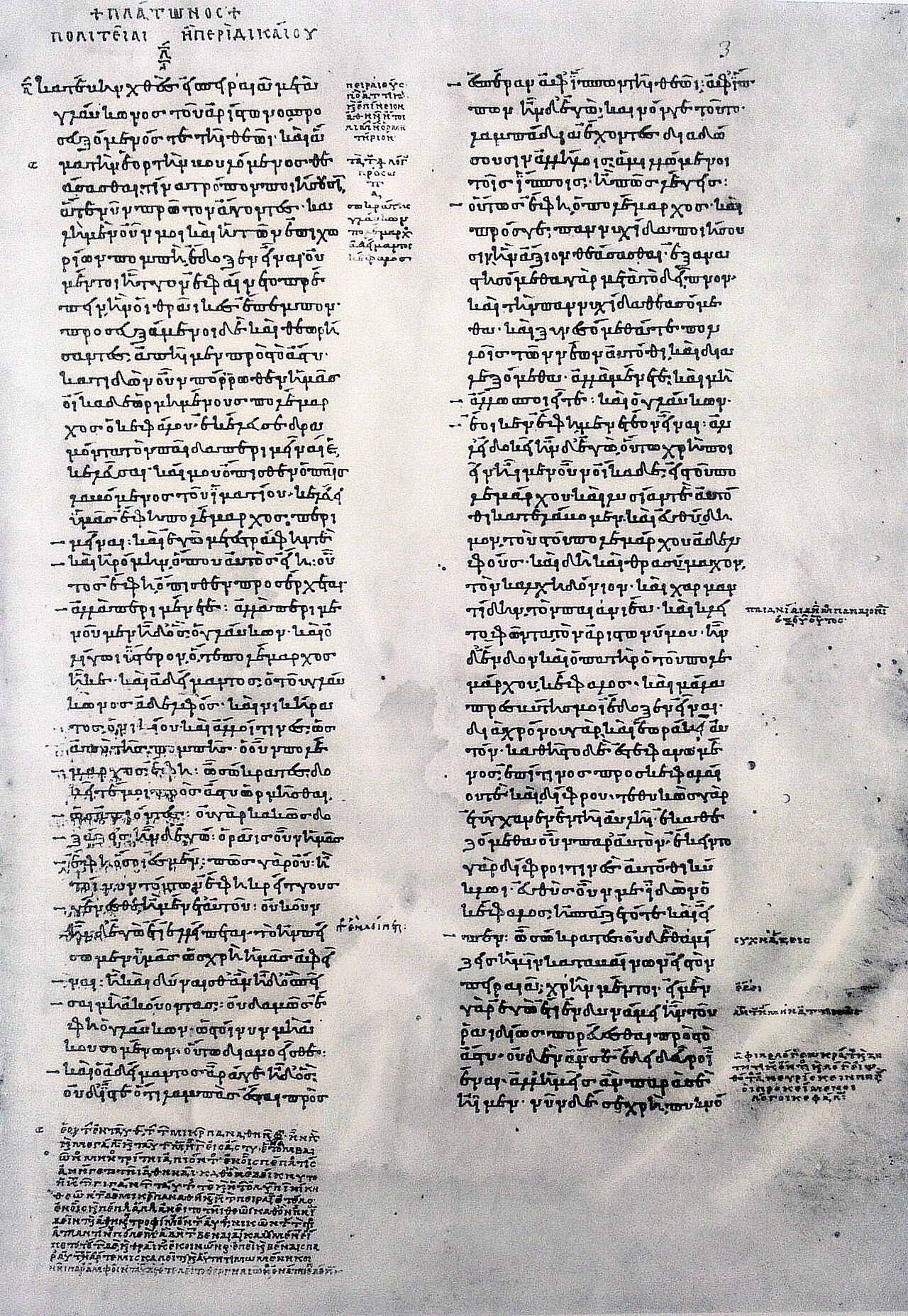 Book
Secondary source
The Republic
Plato · c. 375 BC
 Book
Primary source
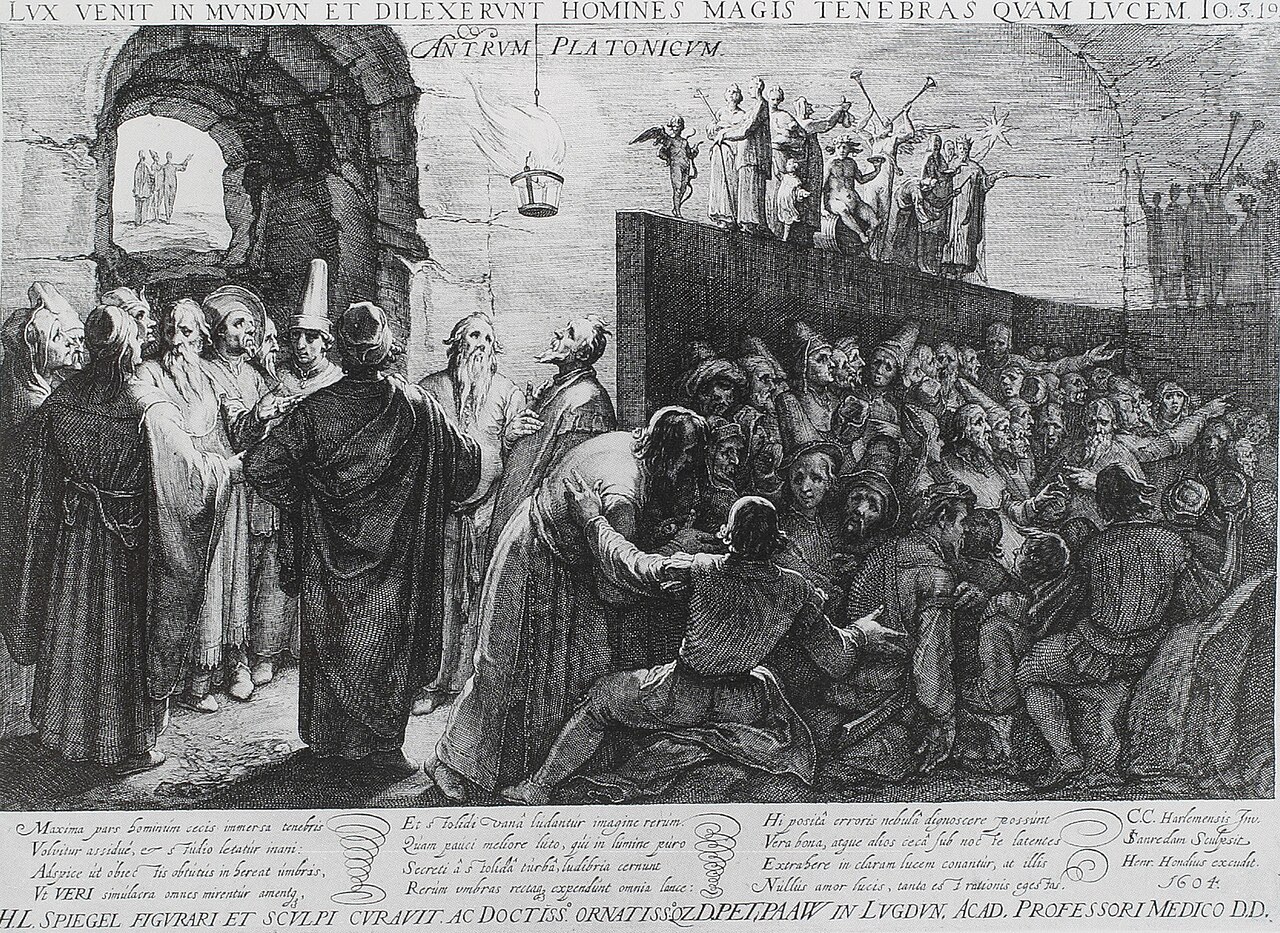
Allegory of the Cave
Plato · c. 400 BC
Secondary source
Apology
Plato · c. 395 BC
 Sculpture
Secondary source
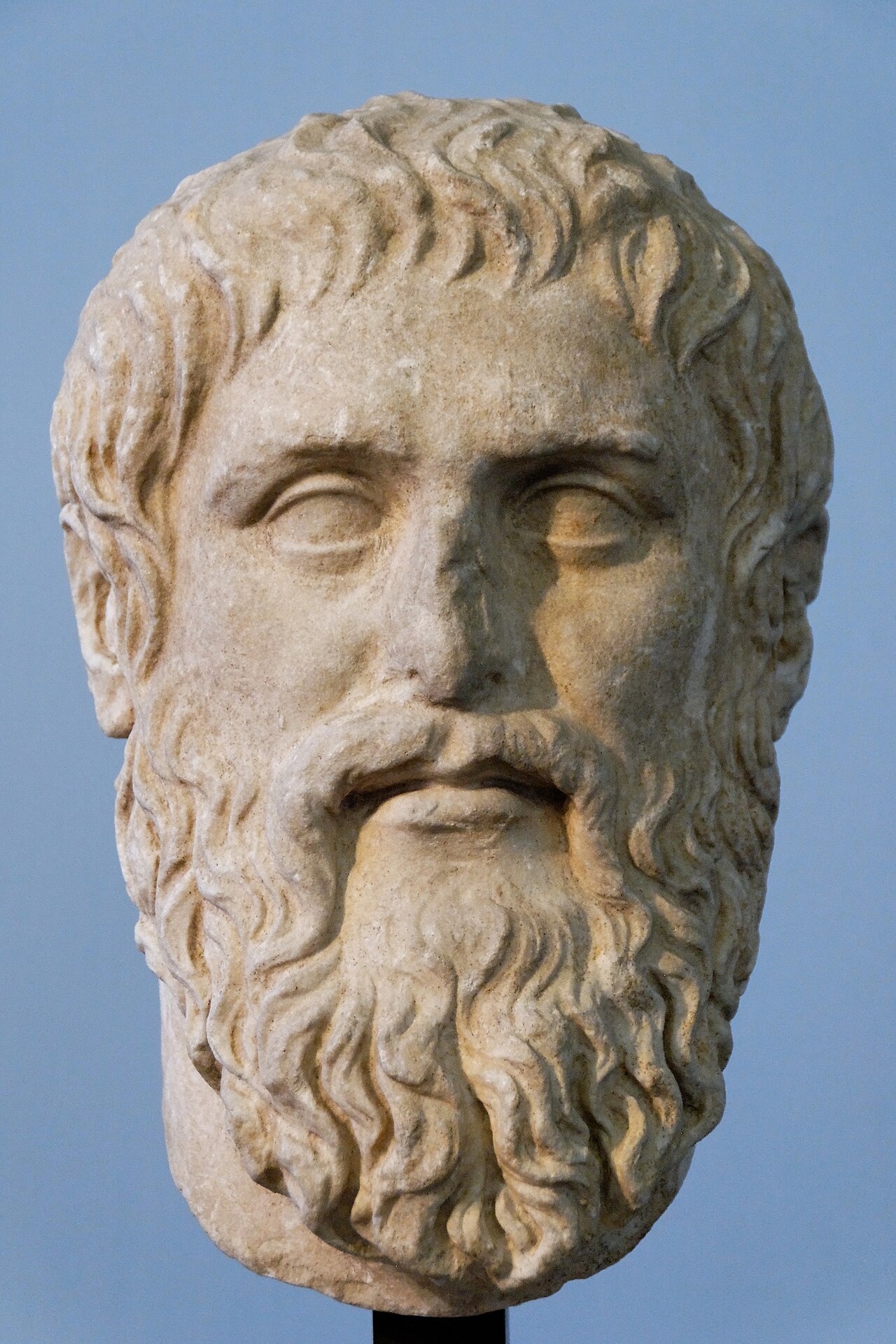
Portrait of Plato
Silanion (original type) · ca. 370 BC (original type); this copy Roman era
 Book
Secondary source
Phaedo
Plato · c. 360 BC
Ready when you are
Start chatting with Plato now.
20 messages free · No credit card · Available in 50+ languages.