


Secondary sourceSculptureca. 370 BC (original type); this copy Roman era
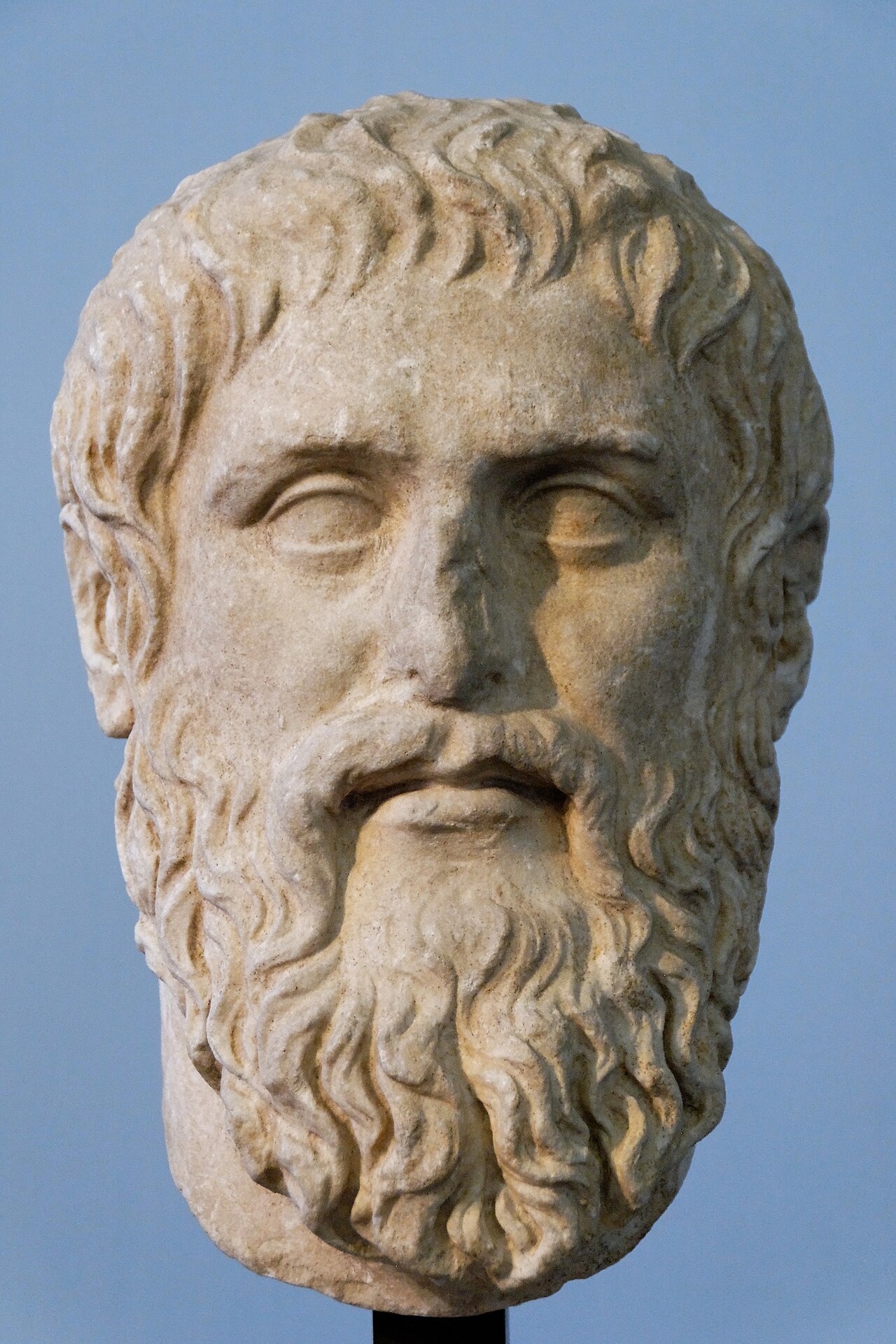
Portrait of Plato
Silanion (original type) · ca. 370 BC (original type); this copy Roman era
A Roman marble copy of a portrait type attributed to Silanion, our best evidence of what Plato looked like.
This bust is our best surviving evidence of what Plato himself looked like.
About this source
What it is
This marble bust is a Roman copy of a portrait type attributed to the sculptor Silanion, likely made in or just after Plato's lifetime. The copy is held in the Capitoline Museums.
Why it matters
Because the original was created so close to Plato's own time, this portrait type is considered the best surviving evidence of his actual appearance. It shows how important Plato was to later generations, who kept copying his image for centuries, including for his own school, the Academy.
Look closer
- What details of the face and hair does the sculptor use to suggest wisdom or age?
- Why might later Romans have wanted copies of a Greek philosopher's portrait?
- Since this is a copy of a copy, how sure can we be that it really looked like Plato?
This sculpture is part of the curated material that grounds the AI version of Plato on Humy.ai — when students ask about related events, the AI can quote it and cite it.
Ready when you are
Start chatting with Plato now.
20 messages free · No credit card · Available in 50+ languages.