


Primary sourcePainting1606
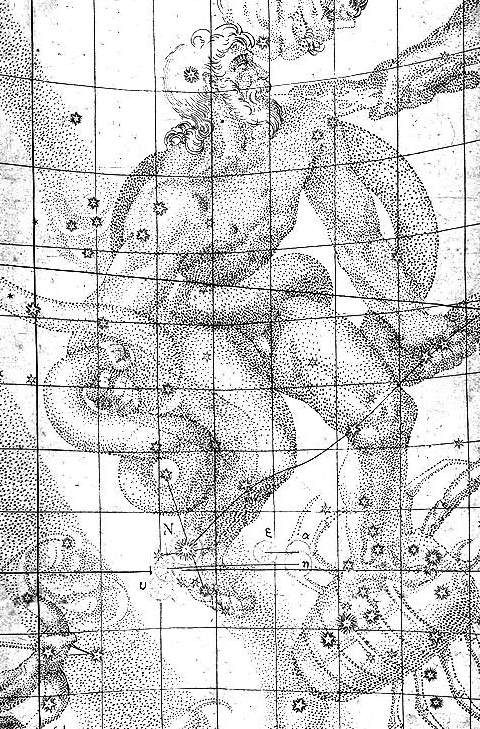
Diagram Locating the 1604 Supernova in De Stella Nova
Johannes Kepler · 1606
A star chart drawn by Kepler marking the position of the supernova he observed in 1604, the last supernova seen in our galaxy with certainty.
Kepler drew this diagram himself to record the position of the 1604 supernova he observed and wrote about.
About this source
What it is
This is an illustration from Johannes Kepler's 1606 book De Stella Nova in Pede Serpentarii (On the New Star in Ophiuchus's Foot). It is a star chart showing the constellation Ophiuchus, with a letter 'N' marking the location of a new star — a supernova — that Kepler observed in 1604.
Why it matters
This supernova, now called Kepler's Supernova, is the most recent supernova in our galaxy observed with certainty. Kepler's careful recording of its position and his writings about it show his skill as an observer and his role in advancing the study of the heavens using precise measurement, before telescopes were used in astronomy.
Look closer
- What details in the chart show Kepler's care in marking exact positions of stars?
- Why would recording the position of a new star matter to astronomers at the time?
- What tools might Kepler have used to make such a precise chart without a telescope?
This painting is part of the curated material that grounds the AI version of Johannes Kepler on Humy.ai — when students ask about related events, the AI can quote it and cite it.
More Johannes Kepler sources
Meet the AI Johannes Kepler →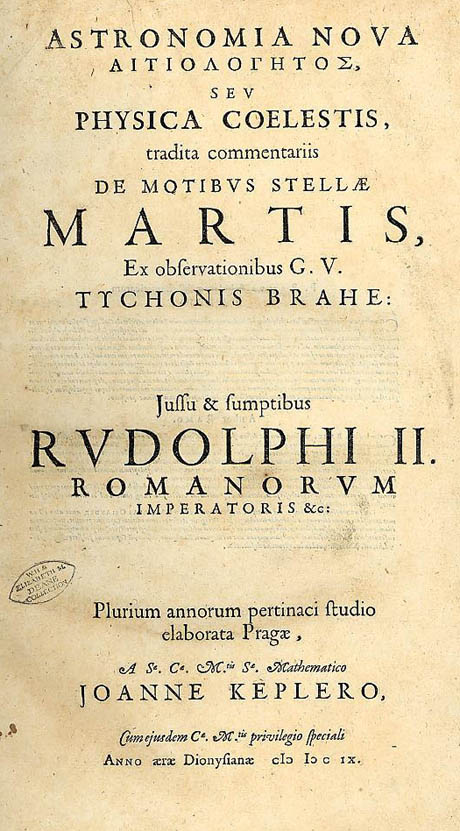 Book
Secondary source
Astronomia Nova
Johannes Kepler · 1609
 Book
Primary source
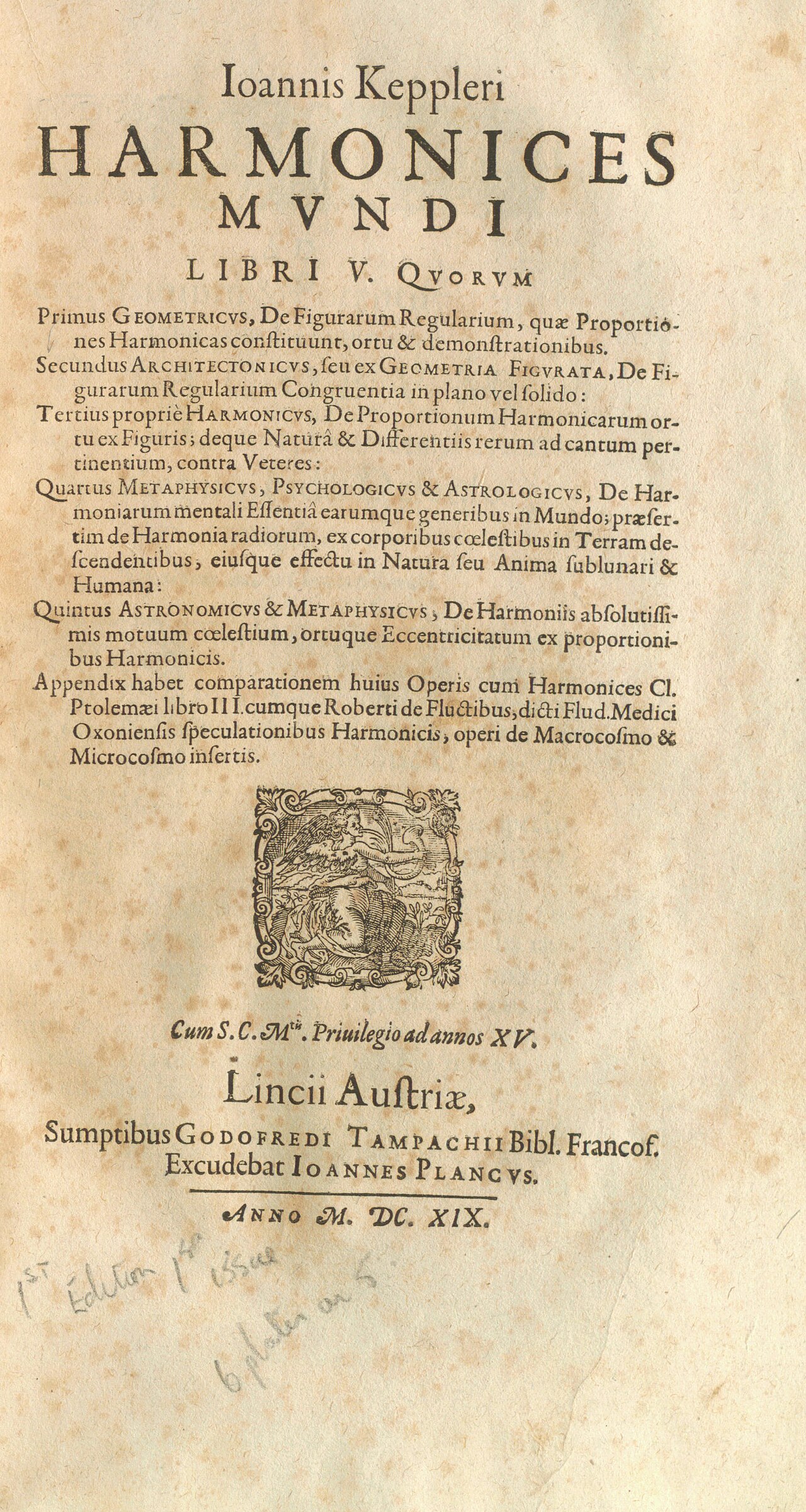
Harmonices Mundi
Johannes Kepler · 1619
 Book
Secondary source
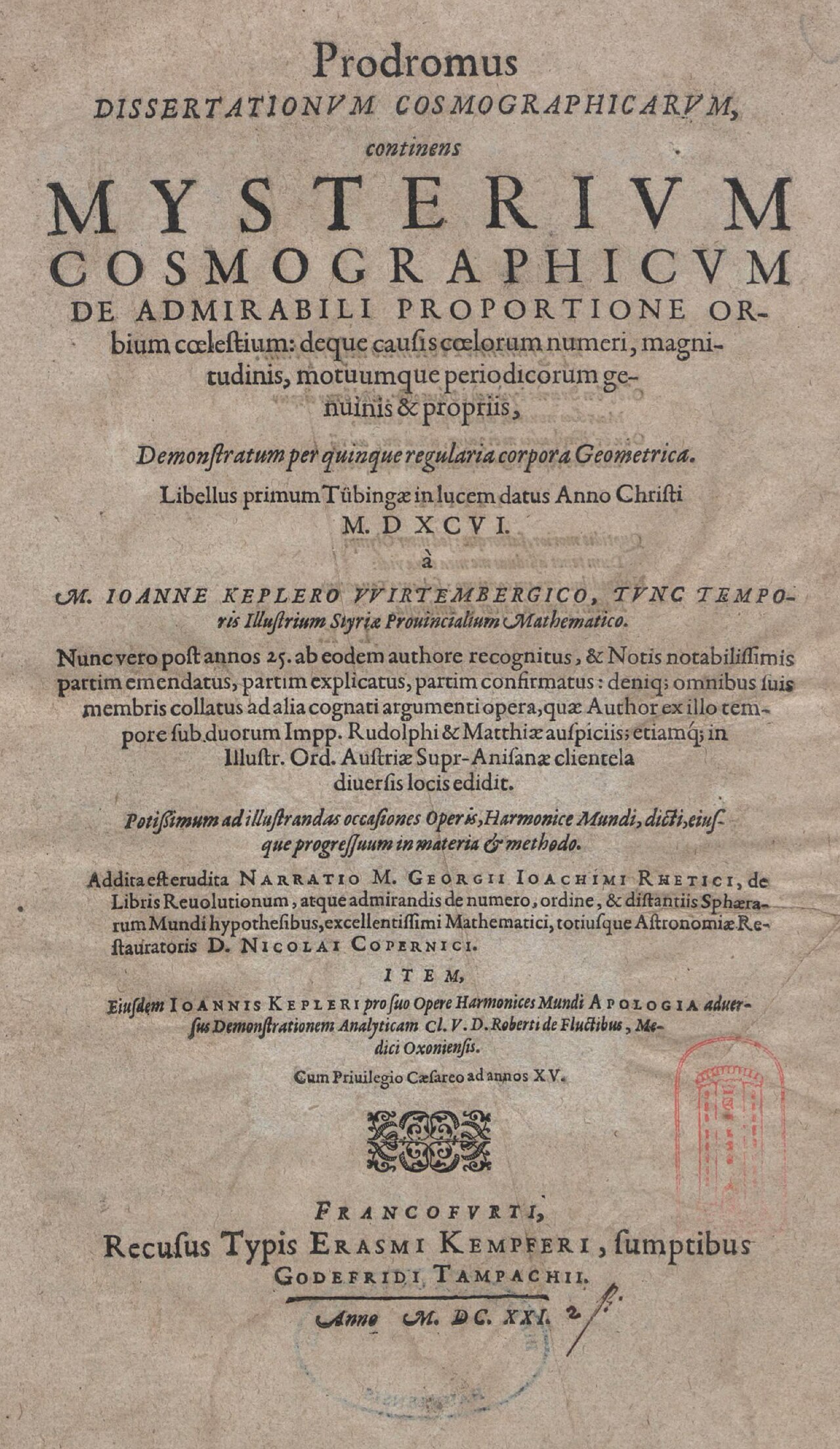
Mysterium Cosmographicum
Johannes Kepler · 1596 (2nd edition 1621)
Secondary source
The Martyrs of Science: Galileo, Tycho Brahe and Kepler
David Brewster
 Book
Secondary source
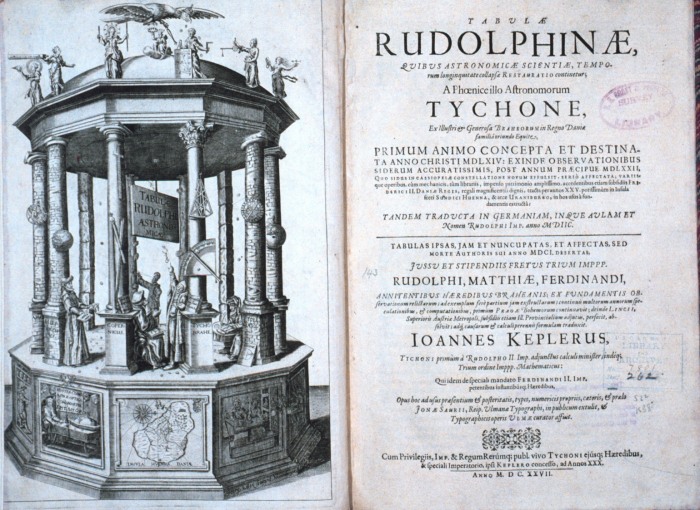
Rudolphine Tables
Johannes Kepler · 1627
Ready when you are
Start chatting with Johannes Kepler now.
20 messages free · No credit card · Available in 50+ languages.