


Primary sourceDocument1609
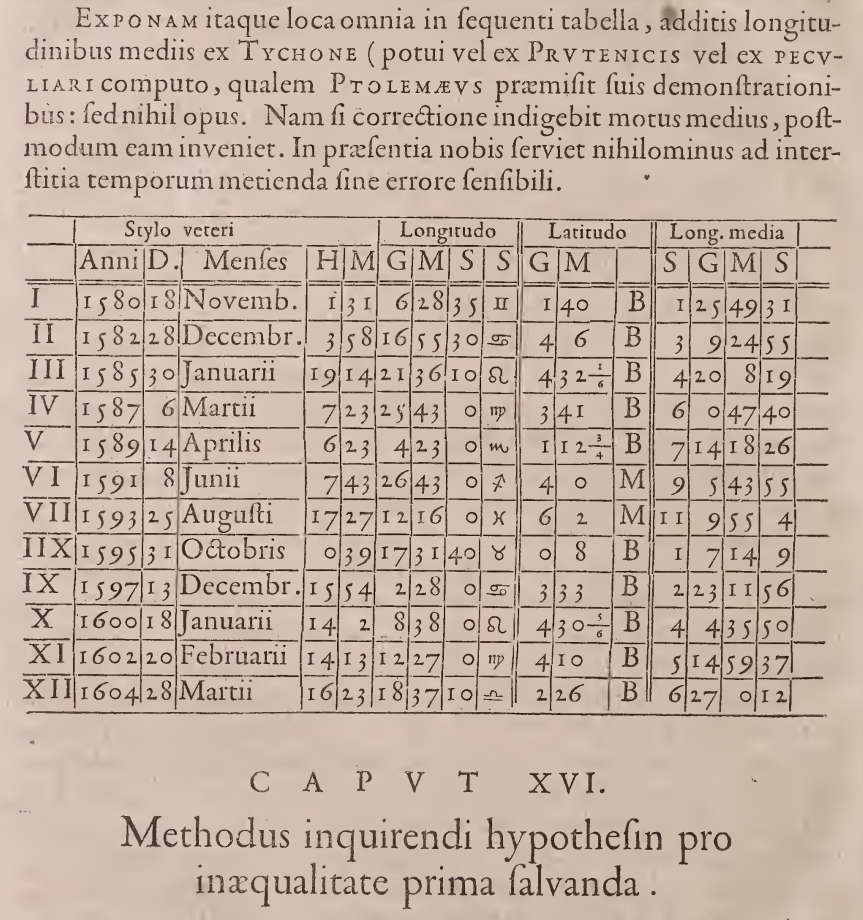
Diagram of Tycho's Twelve Oppositions of Mars
Johannes Kepler · 1609
A table and diagram by Kepler listing twelve observed positions of Mars, used in his astronomical research.
Kepler compiled and analyzed this data table himself while developing his laws of planetary motion.
About this source
What it is
This printed page comes from Johannes Kepler's book Astronomia Nova, published in 1609. It shows a table listing twelve oppositions of Mars, with columns for years, dates, times, and positions, drawn from observational data.
Why it matters
Kepler relied heavily on the careful astronomical observations collected by Tycho Brahe. By analyzing this data, Kepler worked out that planets travel in elliptical, not circular, orbits — a discovery that changed astronomy forever. This page shows the painstaking data analysis behind that breakthrough.
Look closer
- Why would a scientist need twelve separate observations instead of just one or two?
- What does this table tell you about the relationship between observation and theory in science?
- What parts of Tycho's original observations does this printed table not show us?
This document is part of the curated material that grounds the AI version of Johannes Kepler on Humy.ai — when students ask about related events, the AI can quote it and cite it.
More Johannes Kepler sources
Meet the AI Johannes Kepler →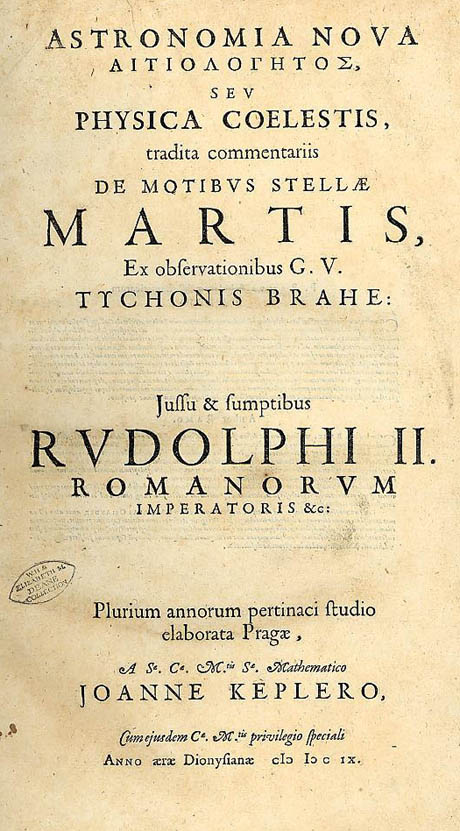 Book
Secondary source
Astronomia Nova
Johannes Kepler · 1609
 Book
Primary source
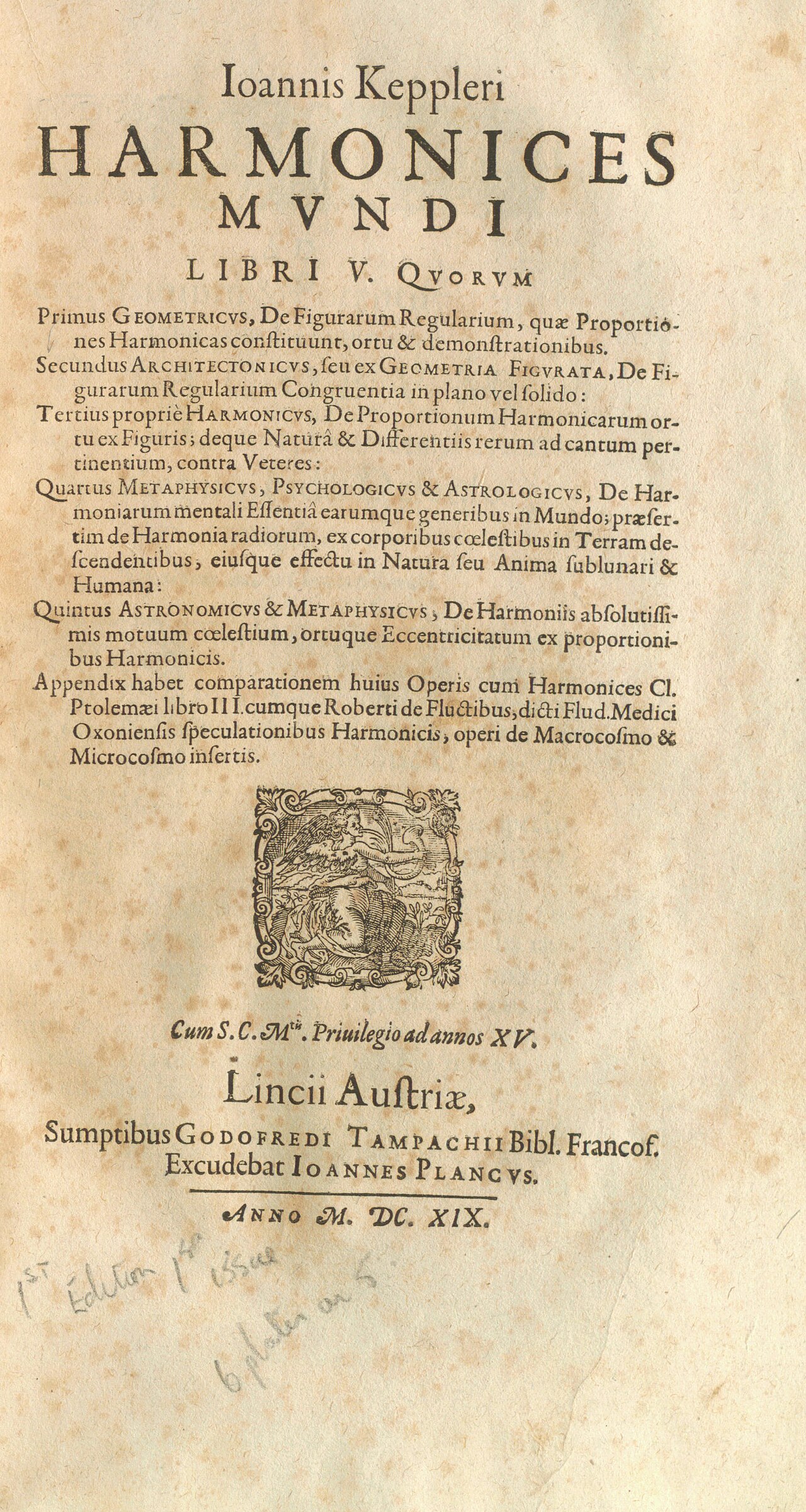
Harmonices Mundi
Johannes Kepler · 1619
 Book
Secondary source
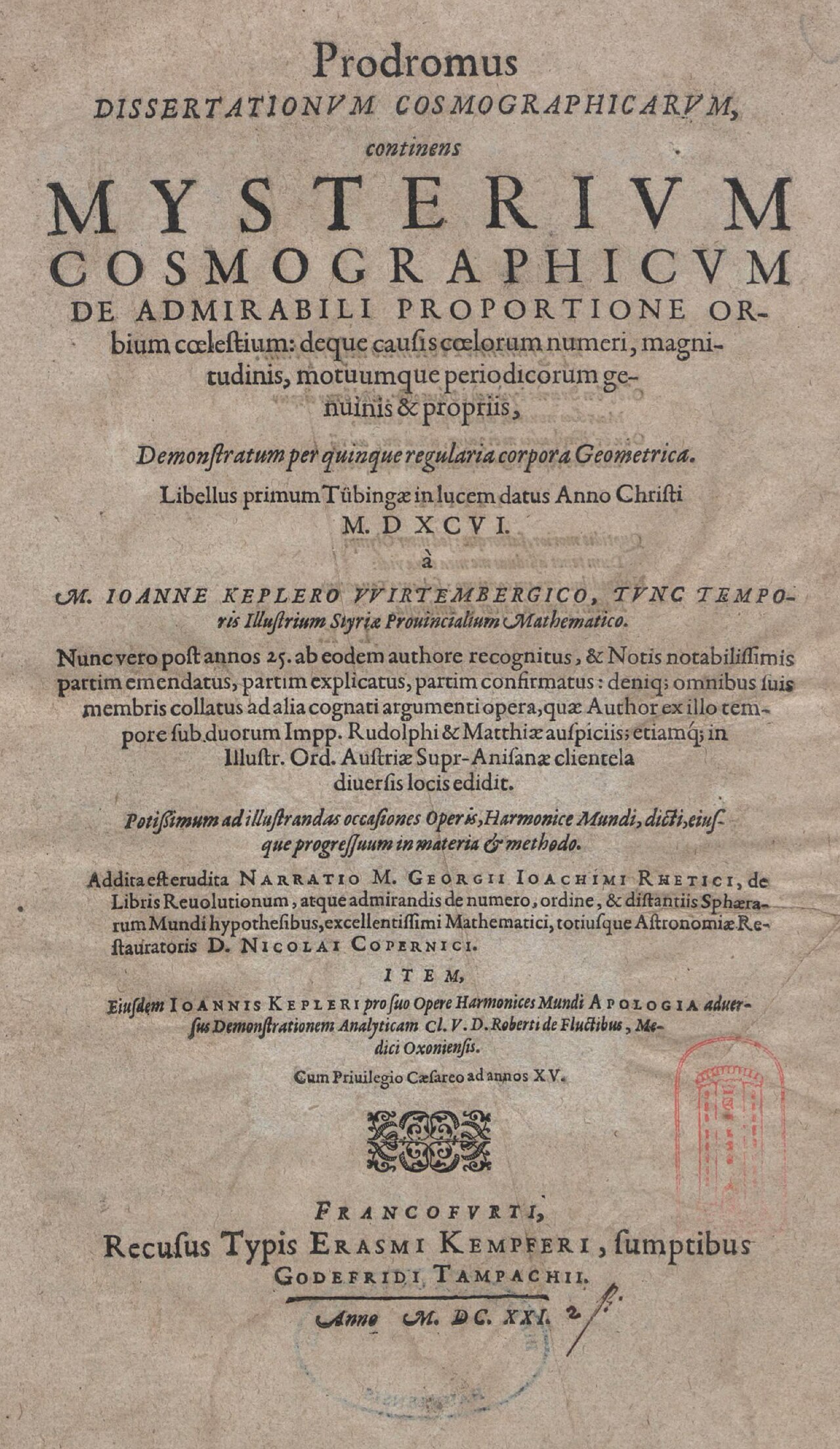
Mysterium Cosmographicum
Johannes Kepler · 1596 (2nd edition 1621)
Secondary source
The Martyrs of Science: Galileo, Tycho Brahe and Kepler
David Brewster
 Book
Secondary source
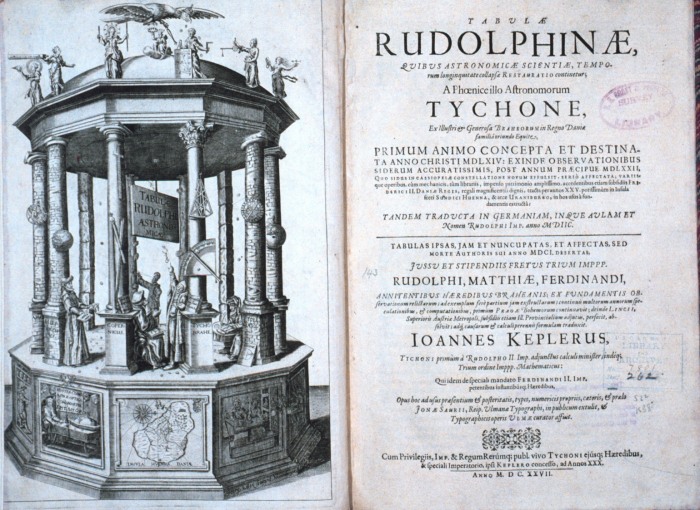
Rudolphine Tables
Johannes Kepler · 1627
Ready when you are
Start chatting with Johannes Kepler now.
20 messages free · No credit card · Available in 50+ languages.