


Primary sourceBook1605
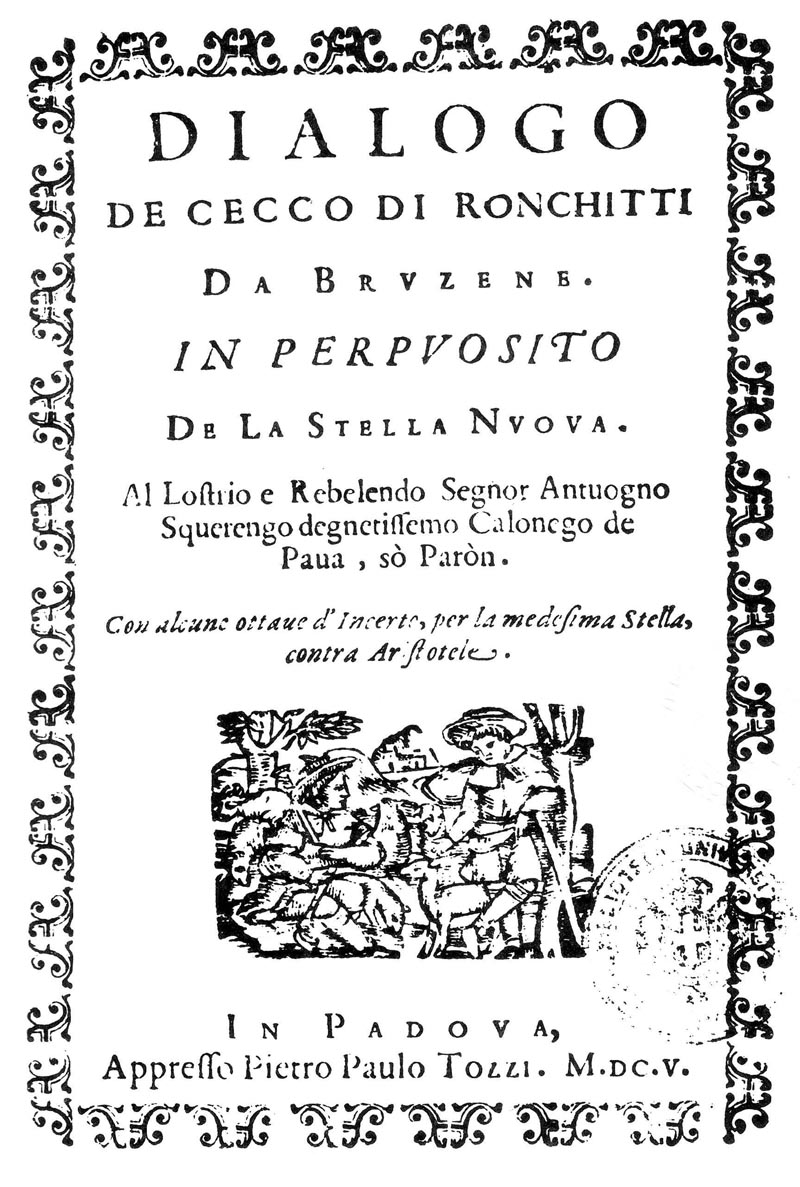
Dialogo de Cecco da Ronchitti da Bruzene in perpuosito de la stella Nova
Galileo Galilei · 1605
A 1605 pamphlet in rustic Paduan dialect, attributed to Galileo, defending the idea that the heavens can change.
Galileo is believed to be the pseudonymous author (or co-author) of this pamphlet defending change in the heavens.
About this source
What it is
This is the title page of the Dialogo de Cecco di Ronchitti da Bruzene in perpuosito de la stella Nuova, printed in Padua in 1605. Scholars believe it was written by Galileo Galilei, his follower Girolamo Spinelli, or both together, under a pseudonym.
Why it matters
The pamphlet mocked the Aristotelian philosopher Antonio Lorenzini for arguing that the new star seen in 1604 (Kepler's Supernova) could not represent real change in the heavens. Writing in a coarse rustic dialect rather than formal Latin let Galileo ridicule his opponent sharply while hiding behind a pseudonym, showing his combative style and willingness to challenge old authorities on the unchanging heavens.
Look closer
- Why might Galileo have chosen to write in dialect and under a false name rather than openly?
- What does mocking an opponent's argument, rather than only presenting evidence, tell you about scientific debate at the time?
- How does this pamphlet connect to later, bigger disputes about whether the heavens could change?
This book is part of the curated material that grounds the AI version of Galileo Galilei on Humy.ai — when students ask about related events, the AI can quote it and cite it.
More Galileo Galilei sources
Meet the AI Galileo Galilei →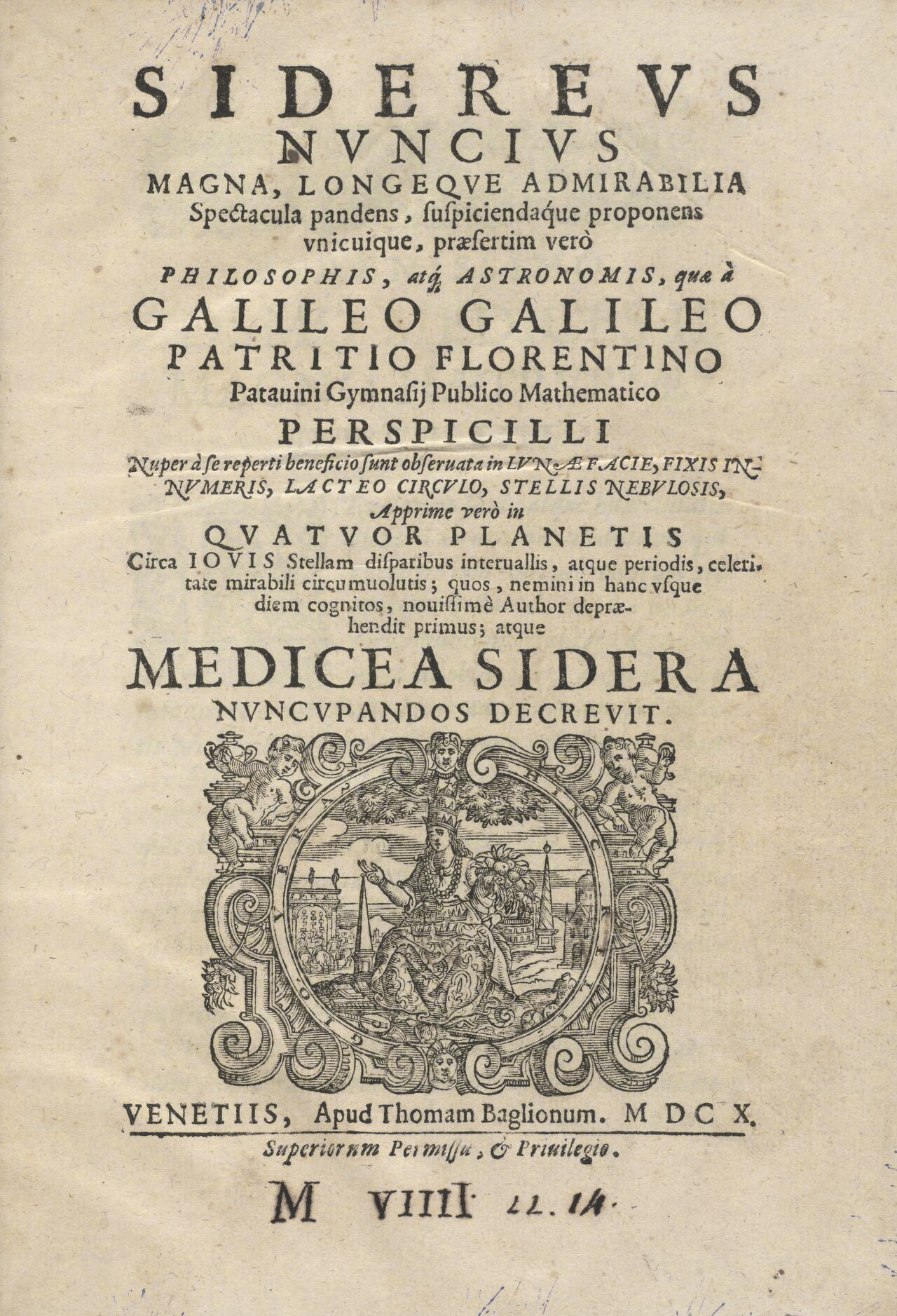 Book
Primary source
Sidereus Nuncius
Galileo Galilei · 1610
 Painting
Primary source
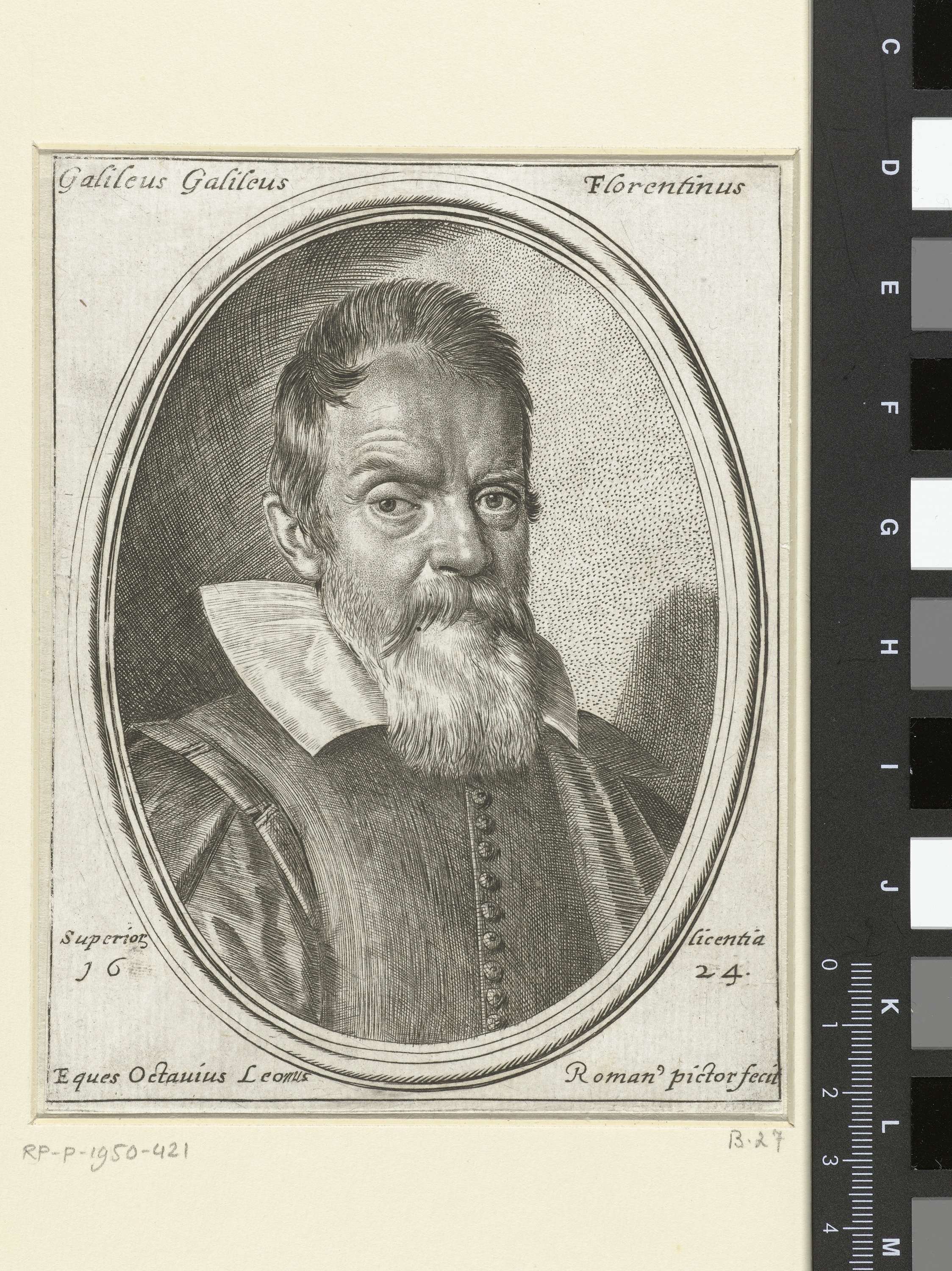
Portrait of Galileo Galilei (1624 print)
1624
 Painting
Primary source
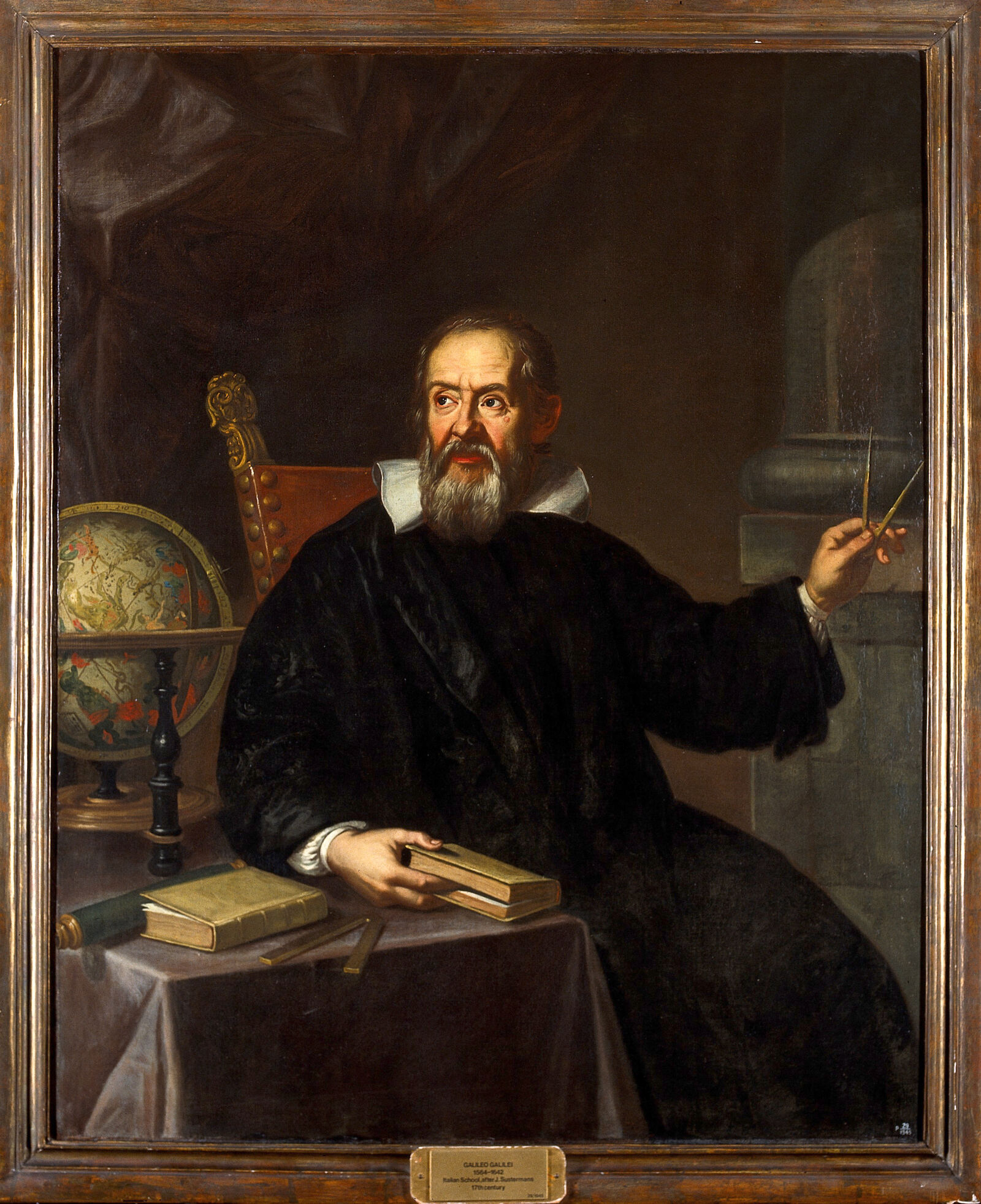
Oil Portrait of Galileo in His Study
Unknown Italian painter · 18th century (?)
 Painting
Primary source
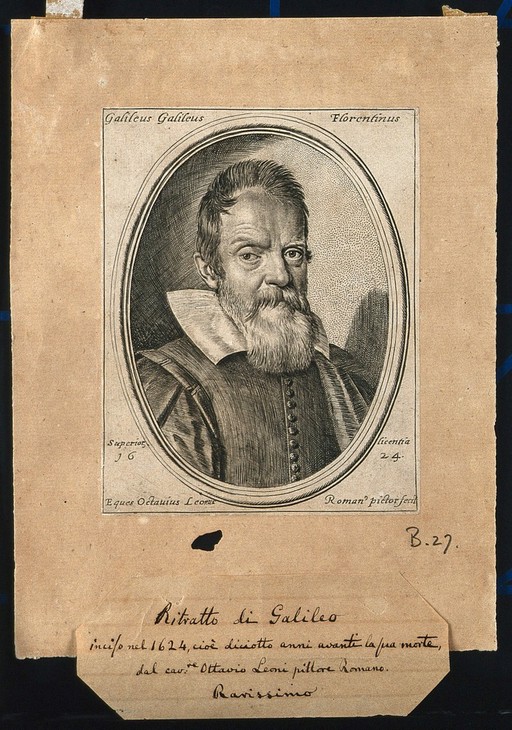
Galileo Galilei, line engraving by Ottavio Leoni
Ottavio Leoni · 1624
 Book
Primary source
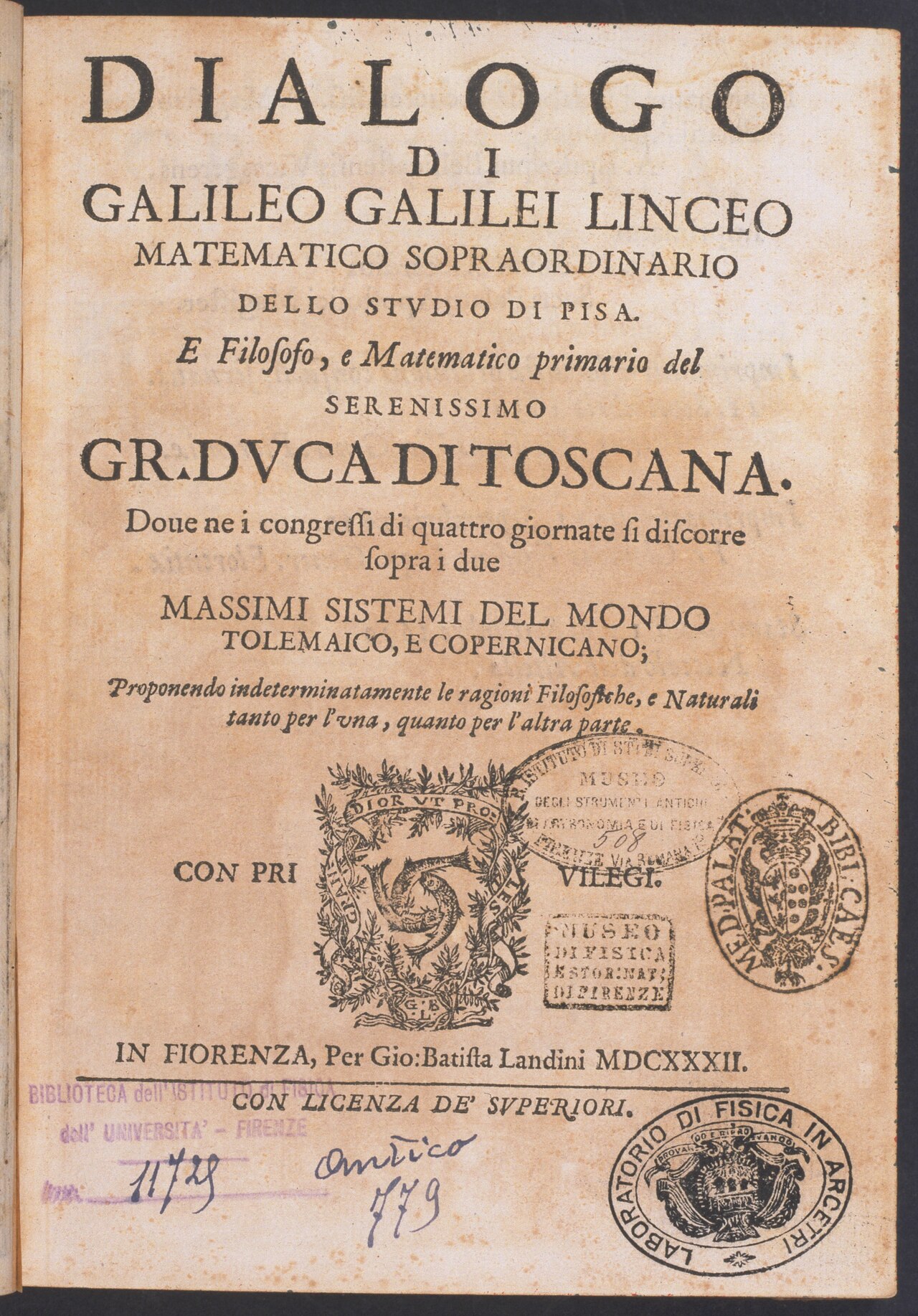
Dialogue Concerning the Two Chief World Systems
Galileo Galilei · 1632
Ready when you are
Start chatting with Galileo Galilei now.
20 messages free · No credit card · Available in 50+ languages.