


Primary sourceArtifact293
Diocletian's Palace
293
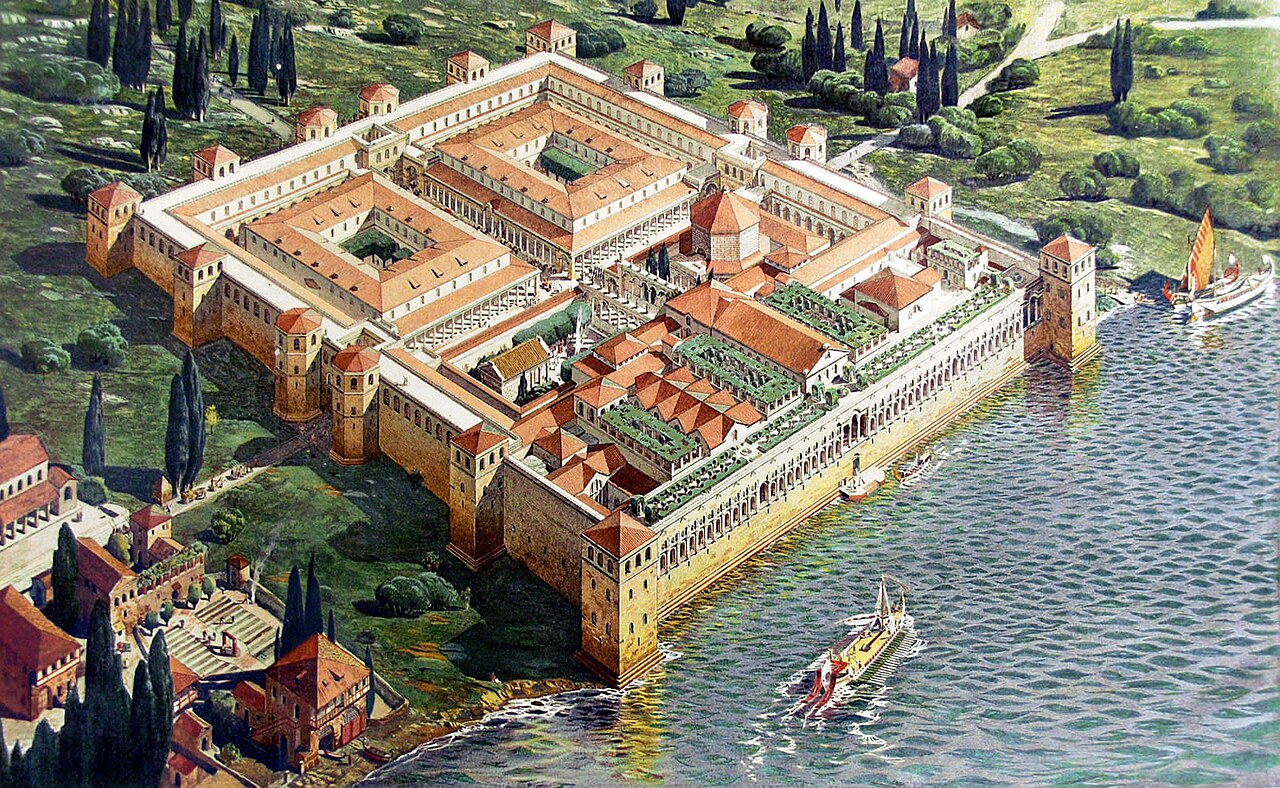
The fortified retirement palace Diocletian built near his hometown, where he lived after giving up the throne in 305.
Diocletian commissioned this palace as his retirement home after abdicating the throne in 305.
About this source
What it is
Diocletian's Palace is a large fortified complex built at the end of the 3rd century AD on the Dalmatian coast, near the emperor's hometown. It was constructed as his retirement residence, with roughly half serving as his personal quarters and the rest housing a military garrison. Builders came from both the eastern empire and the local region.
Why it matters
The palace reveals Diocletian's military background in its fortress-like design and shows how he imagined his life after giving up imperial power in 305 — famously saying he preferred tending cabbages to the burdens of rule. After his death the building continued to be used, and when nearby Salona was destroyed, refugees settled within its strong walls, eventually growing into the city of Split, where the palace still forms the historic core.
Look closer
- What does the choice to build a fortress-like retirement home tell you about Diocletian's life and fears?
- How did ordinary people later reuse this imperial building, and what does that show about how history layers over itself?
- Why might an emperor retire voluntarily, and what does his reported comment about cabbages suggest about his attitude to power?
This artifact is part of the curated material that grounds the AI version of Diocletian on Humy.ai — when students ask about related events, the AI can quote it and cite it.
More Diocletian sources
Browse all 92 →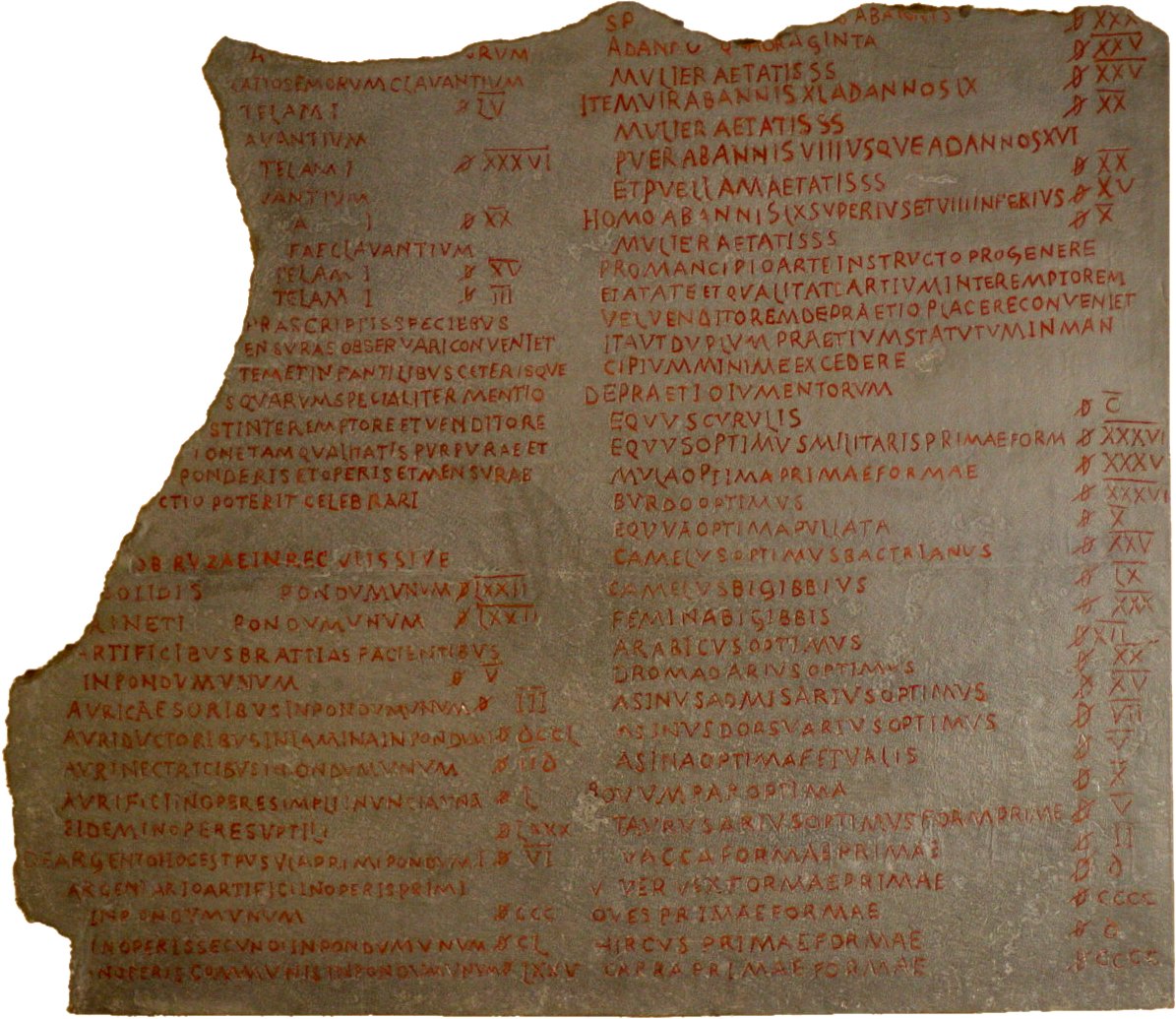 Document
Primary source
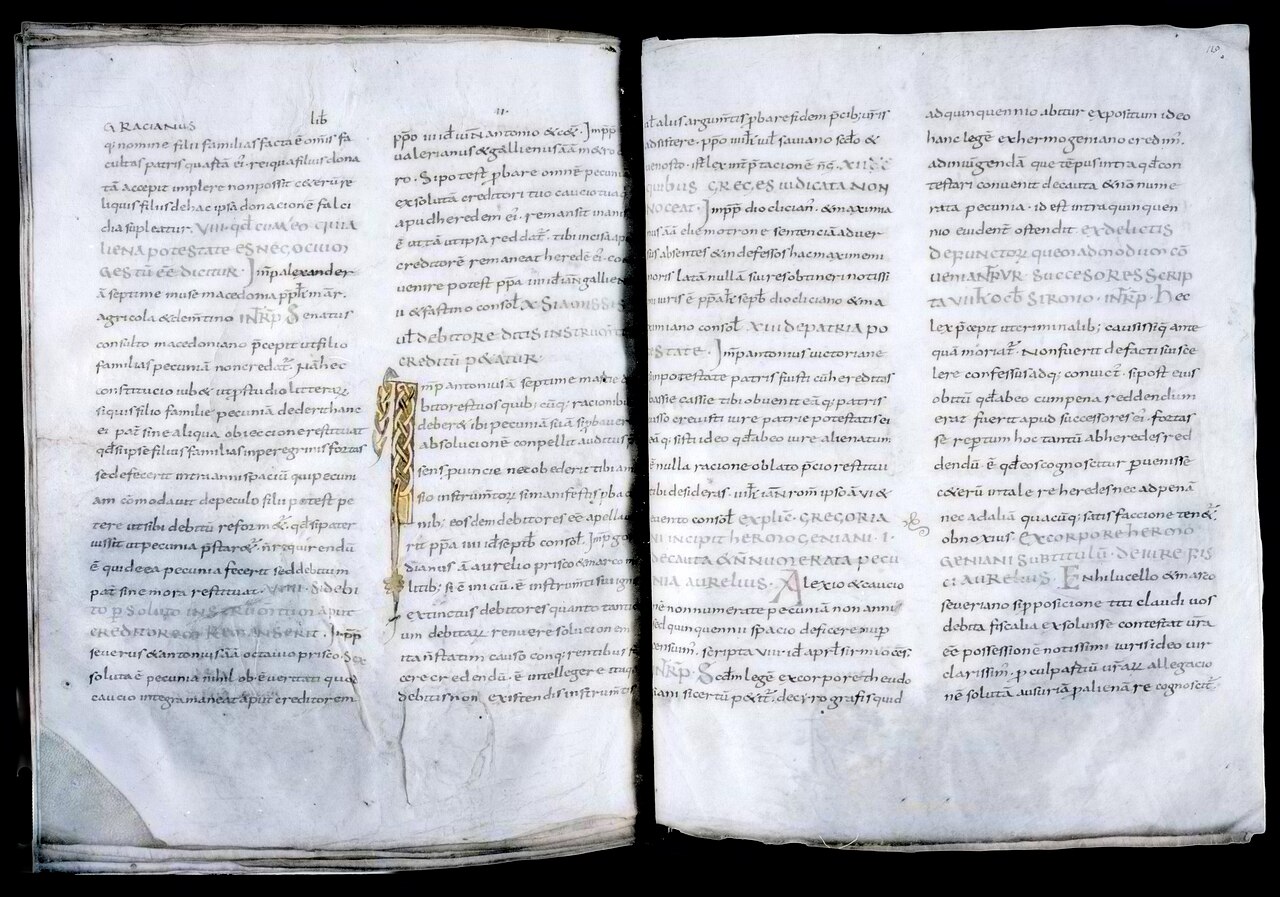
Edict on Maximum Prices
Diocletian · 301
 Book
Secondary source
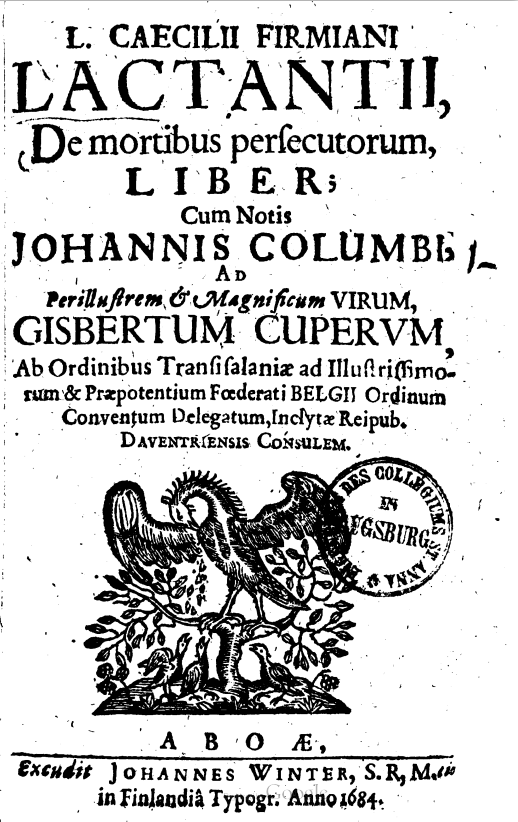
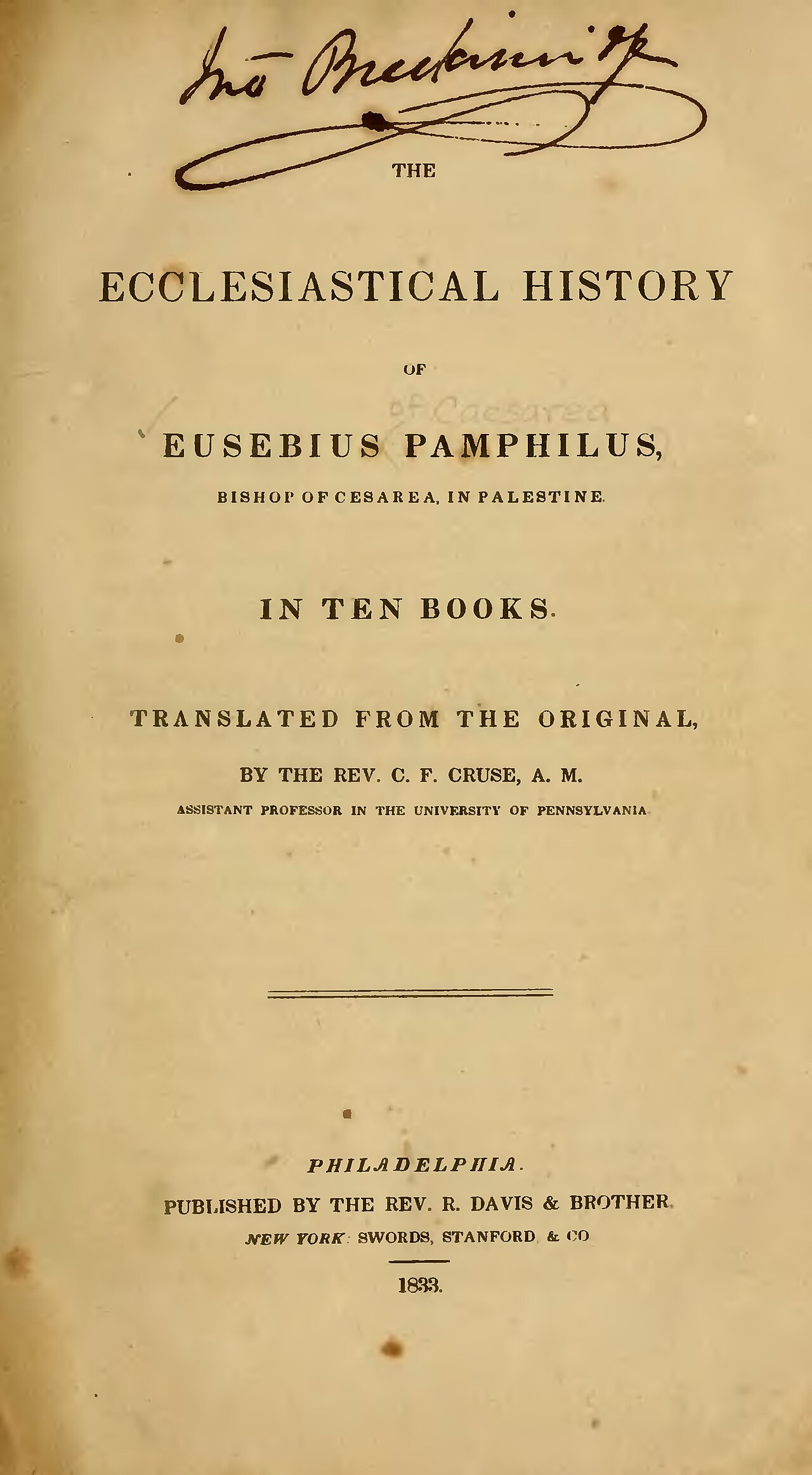
De mortibus persecutorum
Lactantius · after 316
 Sculpture
Primary source
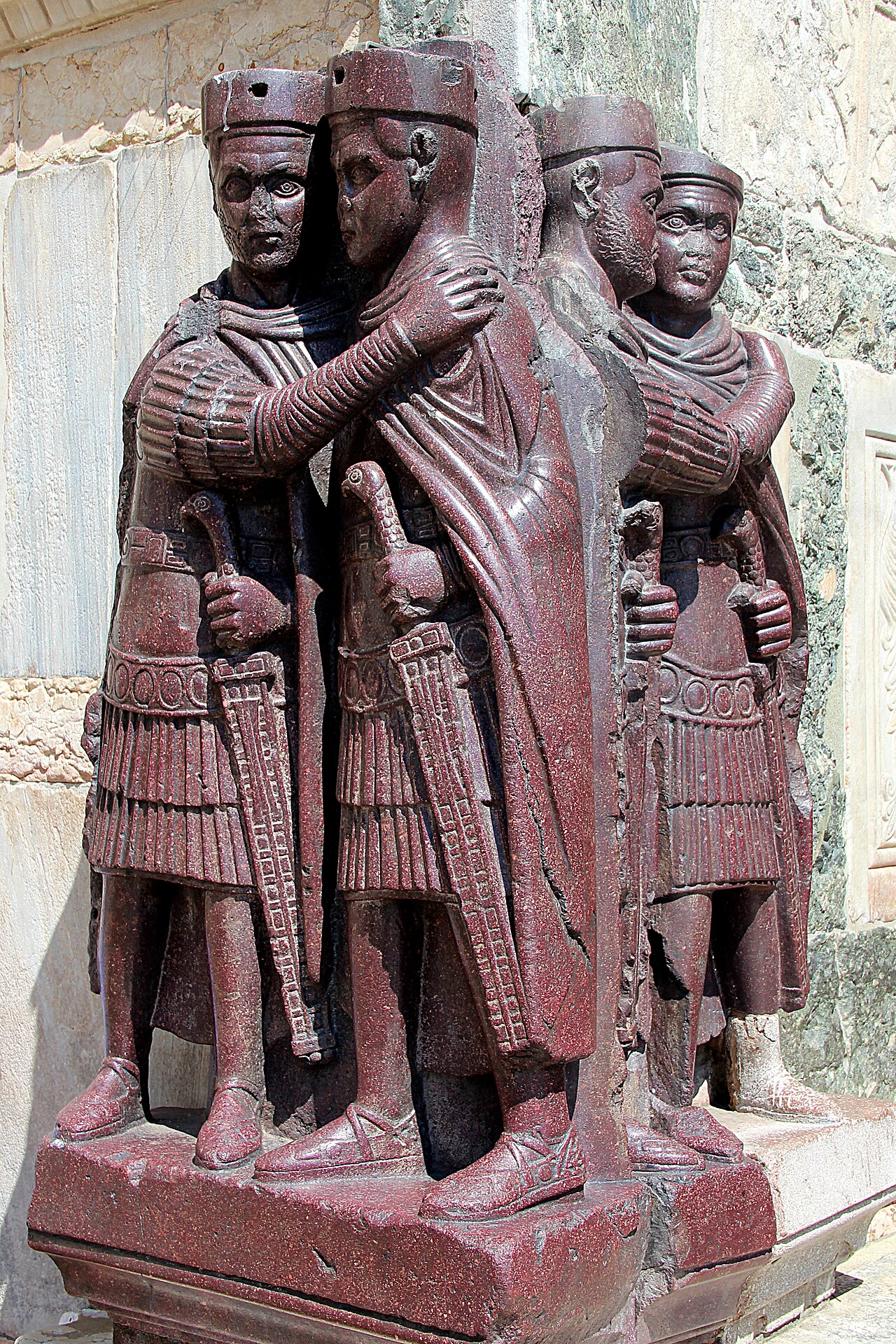
Portrait of the Four Tetrarchs
c. 300 CE
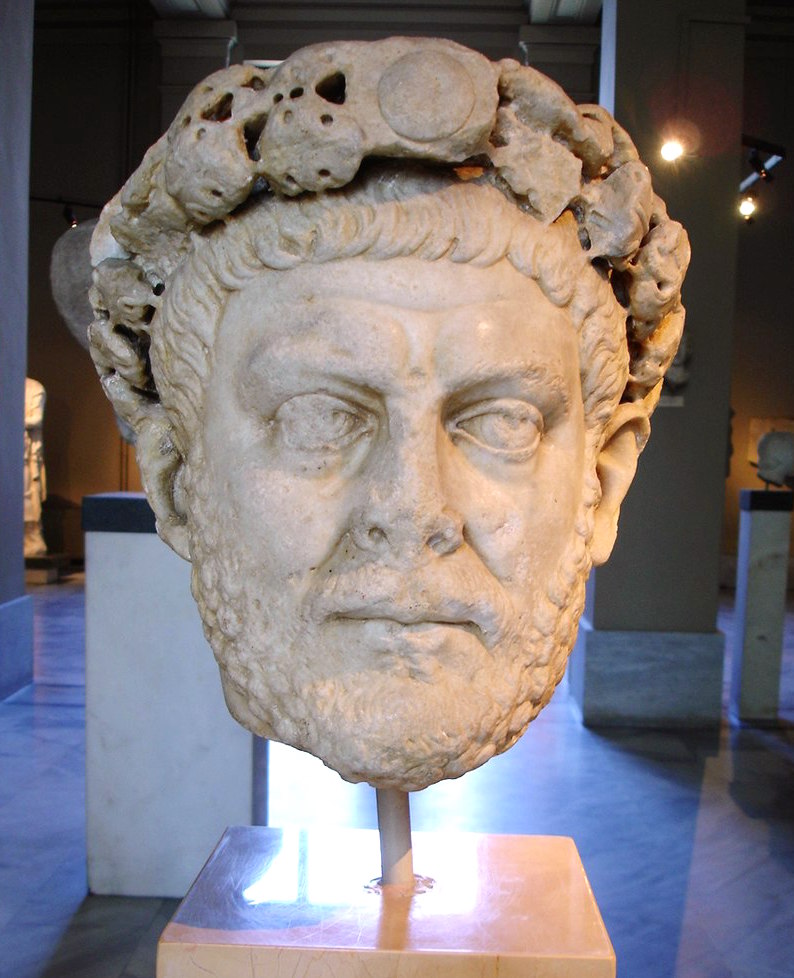 Sculpture
Primary source
Portrait of Diocletian
284-305 AD
Free account
Read every Diocletian source
Sign up free →
Ready when you are
Start chatting with Diocletian now.
20 messages free · No credit card · Available in 50+ languages.