


Primary sourceBook1619
Discourse on Comets
Mario Guiducci · 1619
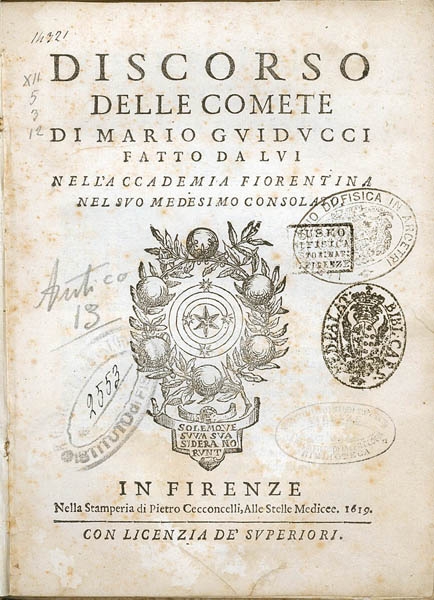
A 1619 pamphlet, mostly written by Galileo but published under Mario Guiducci's name, arguing comets were atmospheric effects.
Galileo was the real, hidden author of this pamphlet, using Guiducci's name to voice his arguments against the Jesuits.
About this source
What it is
This is the title page of Discorso delle Comete, printed in Florence in 1619. Though credited to Mario Guiducci, the manuscript is largely in Galileo Galilei's own handwriting, with Guiducci's sections corrected by him.
Why it matters
The pamphlet responded to a lecture by the Jesuit Orazio Grassi on comets seen in 1618, arguing they were not solid bodies but atmospheric effects, and criticizing Tycho Brahe's ideas about their paths. It began a bitter dispute with Grassi that later damaged Galileo's standing with the Jesuits. The piece shows how Galileo used allies to argue dangerous scientific points without putting his own name directly in the firing line.
Look closer
- Why might Galileo have let someone else's name appear as author of his own argument?
- What does the harshness of his private notes about Grassi suggest about the tone of scientific debate at the time?
- What risks might Galileo have been trying to avoid in 1619?
This book is part of the curated material that grounds the AI version of Galileo Galilei on Humy.ai — when students ask about related events, the AI can quote it and cite it.
More Galileo Galilei sources
Meet the AI Galileo Galilei →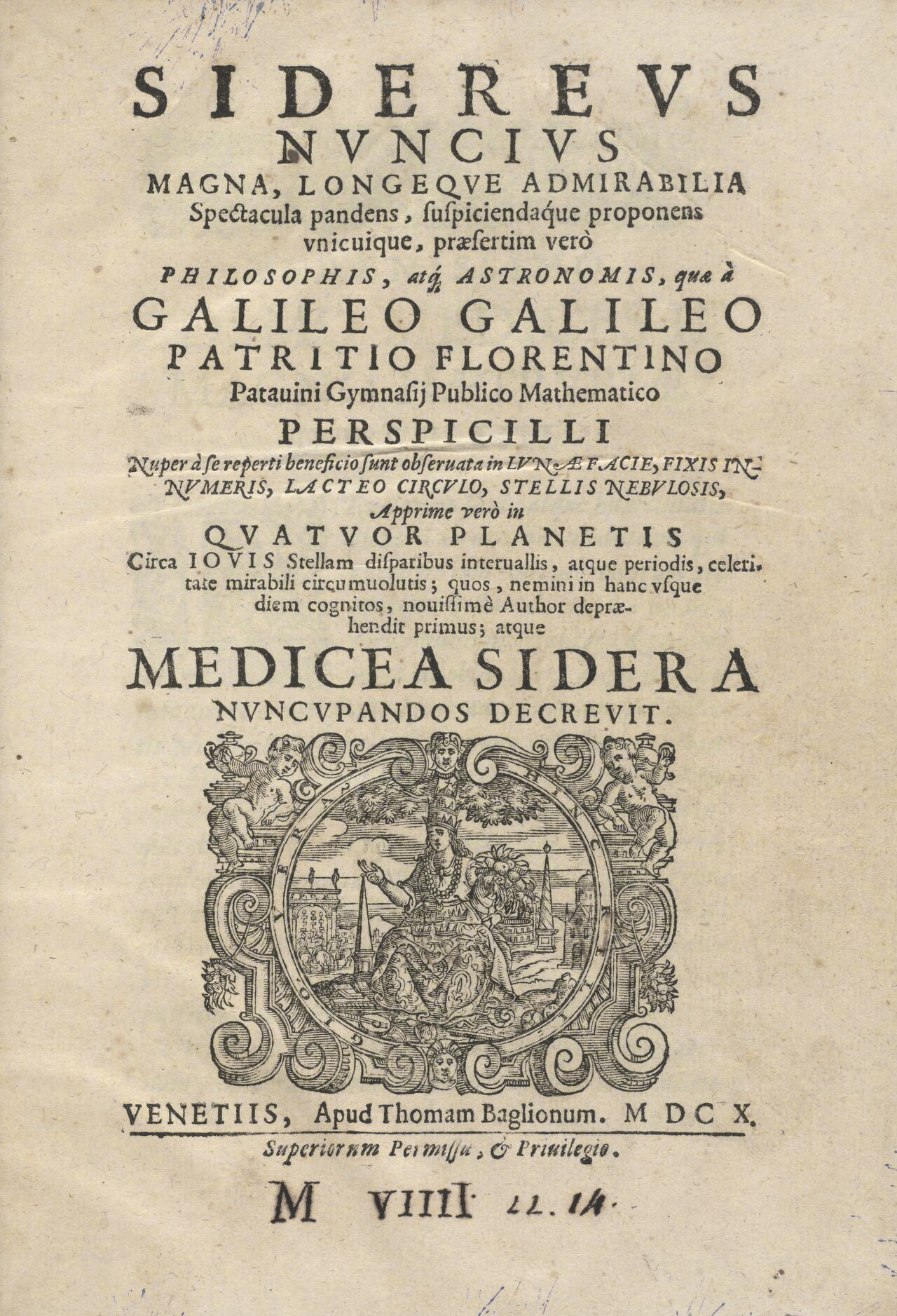 Book
Primary source
Sidereus Nuncius
Galileo Galilei · 1610
 Painting
Primary source
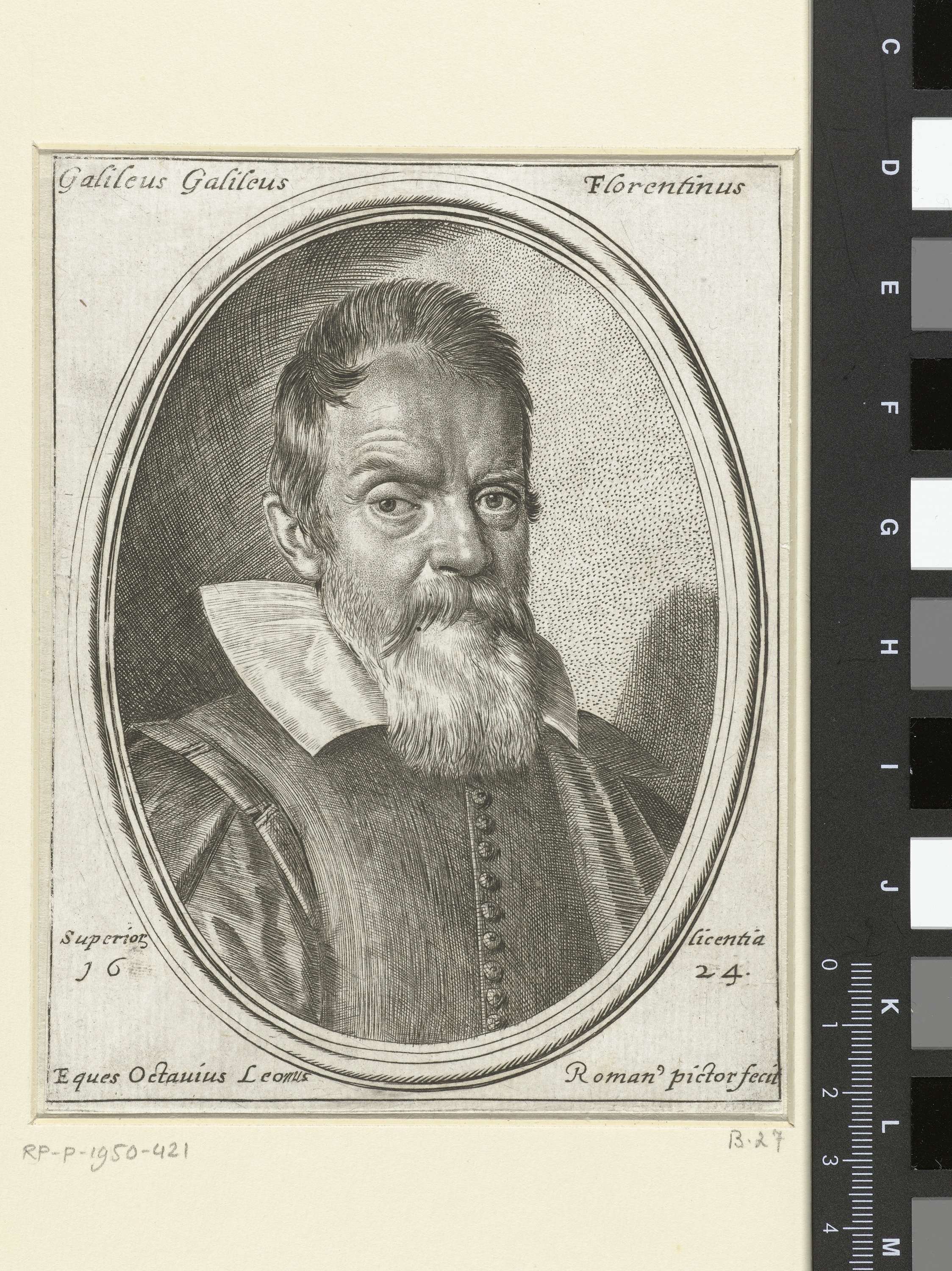
Portrait of Galileo Galilei (1624 print)
1624
 Painting
Primary source
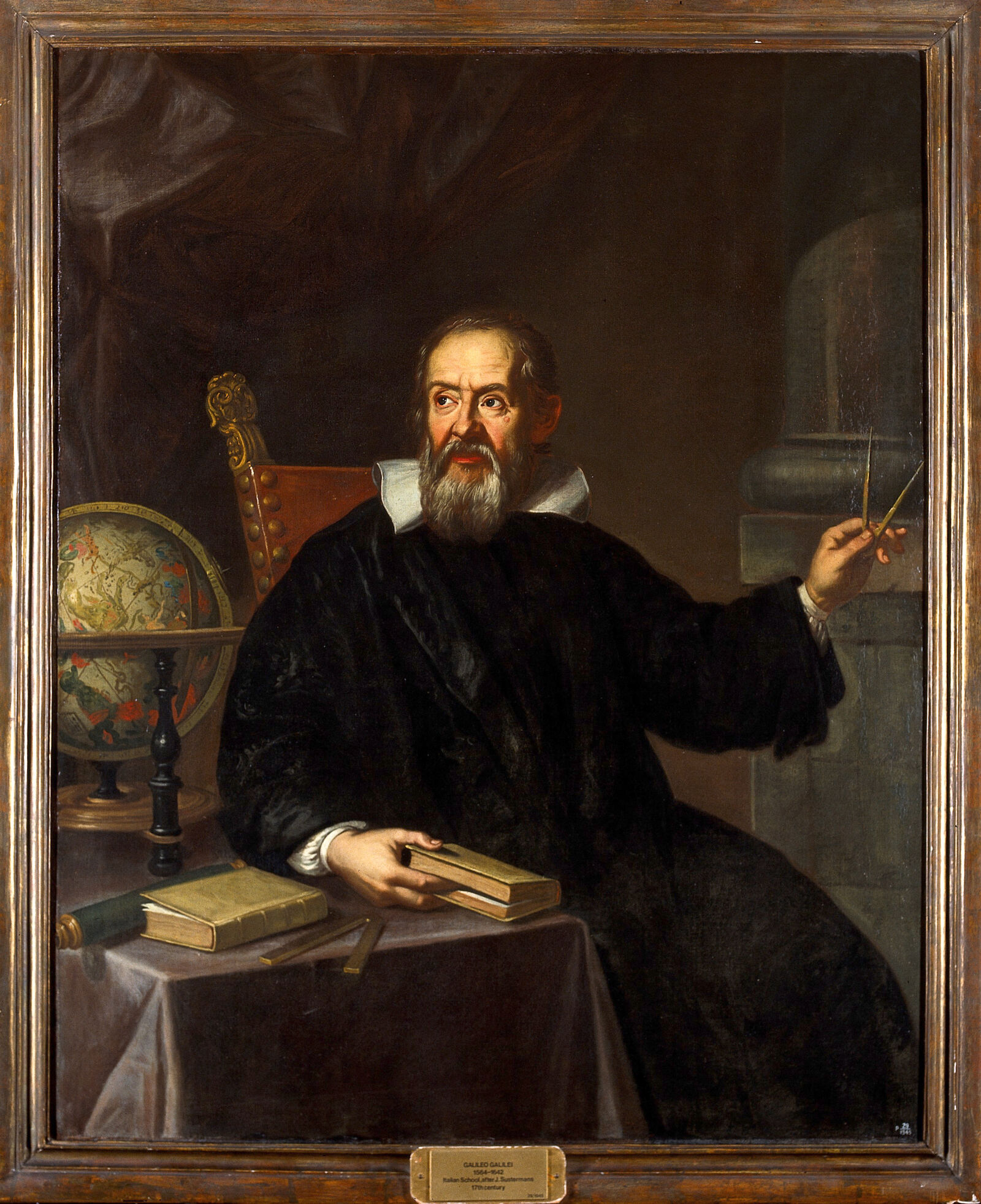
Oil Portrait of Galileo in His Study
Unknown Italian painter · 18th century (?)
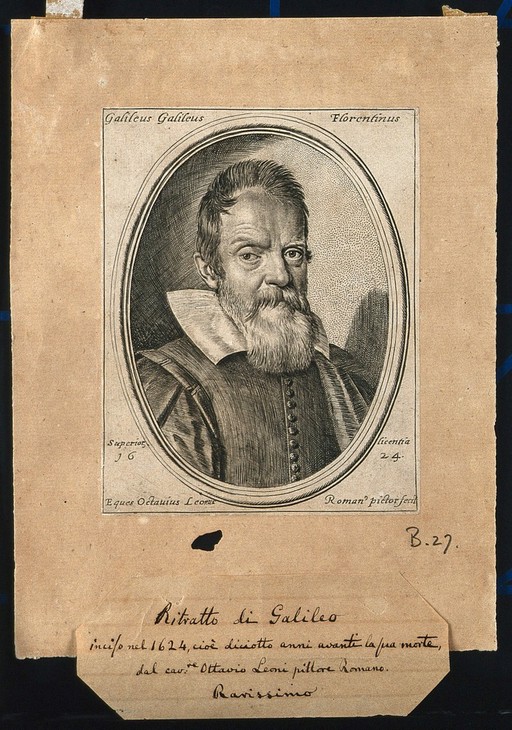 Painting
Primary source
Galileo Galilei, line engraving by Ottavio Leoni
Ottavio Leoni · 1624
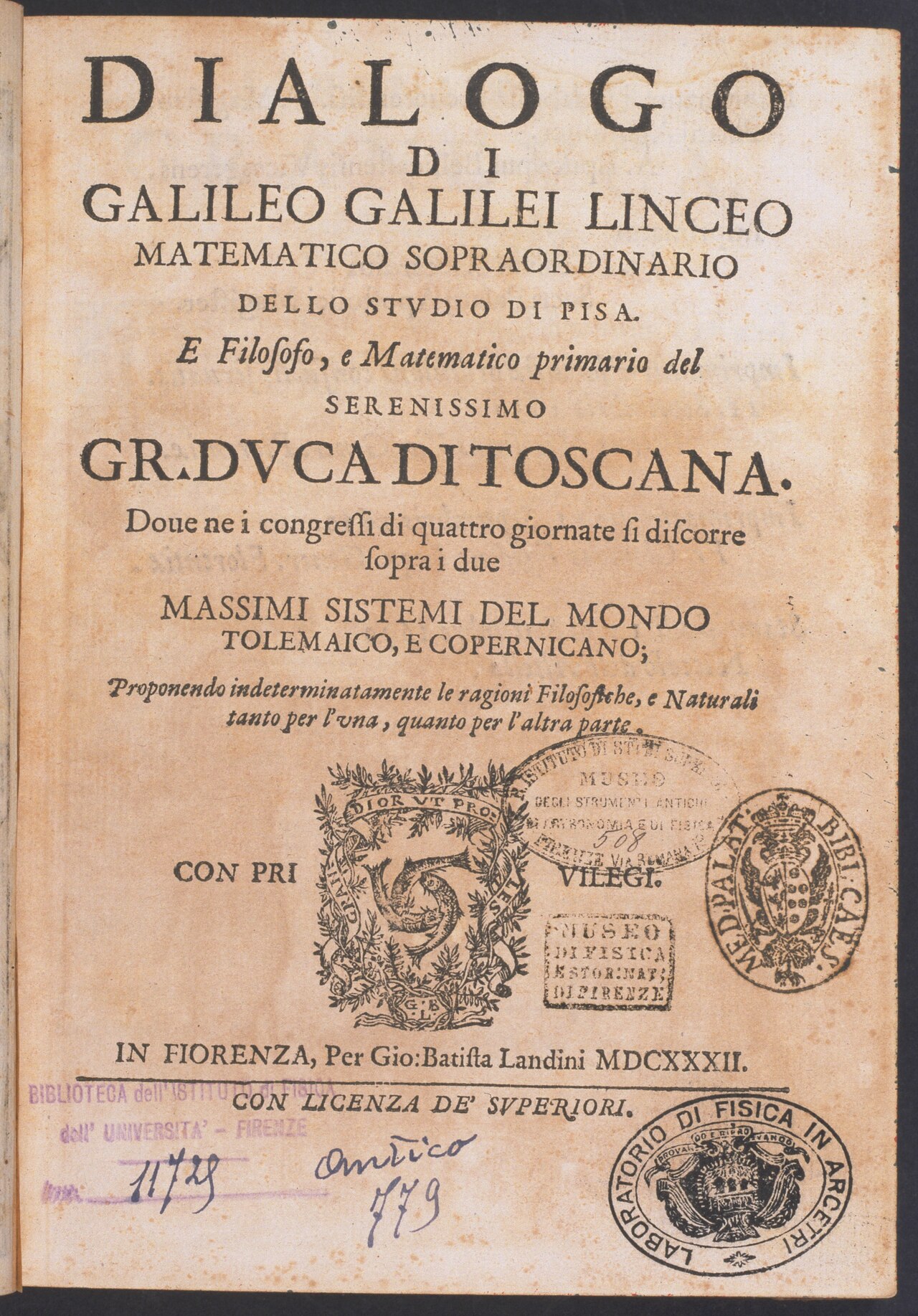 Book
Primary source
Dialogue Concerning the Two Chief World Systems
Galileo Galilei · 1632
Ready when you are
Start chatting with Galileo Galilei now.
20 messages free · No credit card · Available in 50+ languages.