


Secondary sourceArtifact
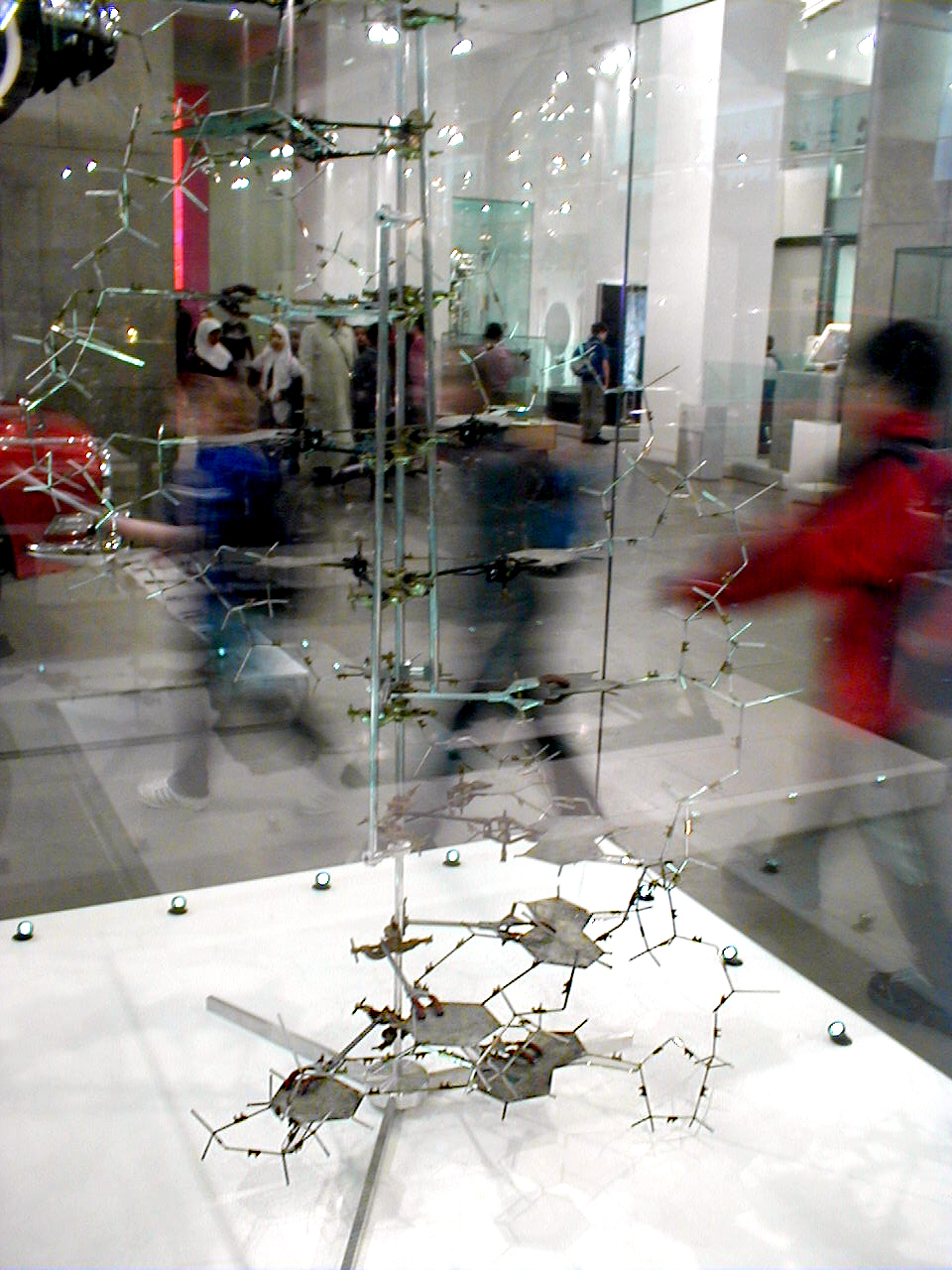
DNA Model, Crick and Watson
User:Alkivar
A photograph of the 1953 wire-and-plate model of the DNA double helix built by Francis Crick and James Watson, now displayed in London's National Science Museum.
Depicts the 1953 DNA model Watson built with Francis Crick, central to his most famous discovery.
About this source
What it is
This is a photograph of a physical model of the DNA double helix, built in 1953 by Francis Crick and James Watson. The model, made of metal wire and plates, is now on permanent display at the National Science Museum in London.
Why it matters
This model represents one of the most significant discoveries in biology: the double helix structure of DNA. It was built by Crick and Watson as part of the work that led to their understanding of how genetic information is stored and copied. It is a physical, tangible version of the scientific breakthrough that reshaped modern biology and medicine.
Look closer
- What does building a physical model tell you about how scientists worked before computers?
- Why might this specific object be considered a symbol of a major scientific breakthrough?
- What does the model not show about the actual experiments and data behind the discovery?
This artifact is part of the curated material that grounds the AI version of James Watson on Humy.ai — when students ask about related events, the AI can quote it and cite it.
More James Watson sources
Meet the AI James Watson →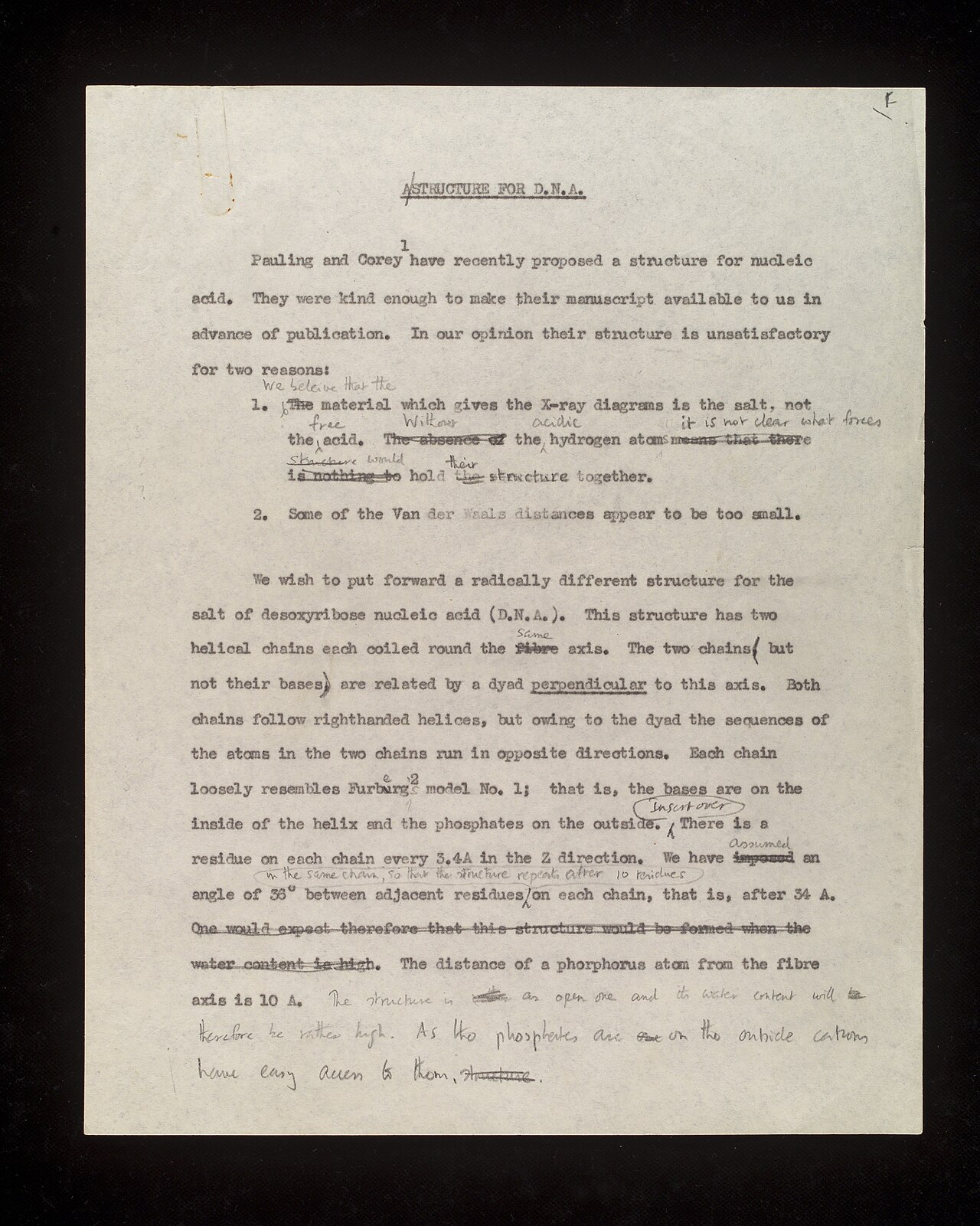 Document
Primary source
A Structure for Deoxyribonucleic Acid
James D. Watson and Francis Crick · 25 April 1953
 Photograph
Primary source
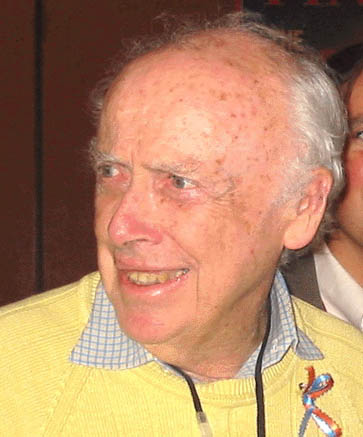
James Watson
Steve Jurvetson · 2003
 Document
Primary source
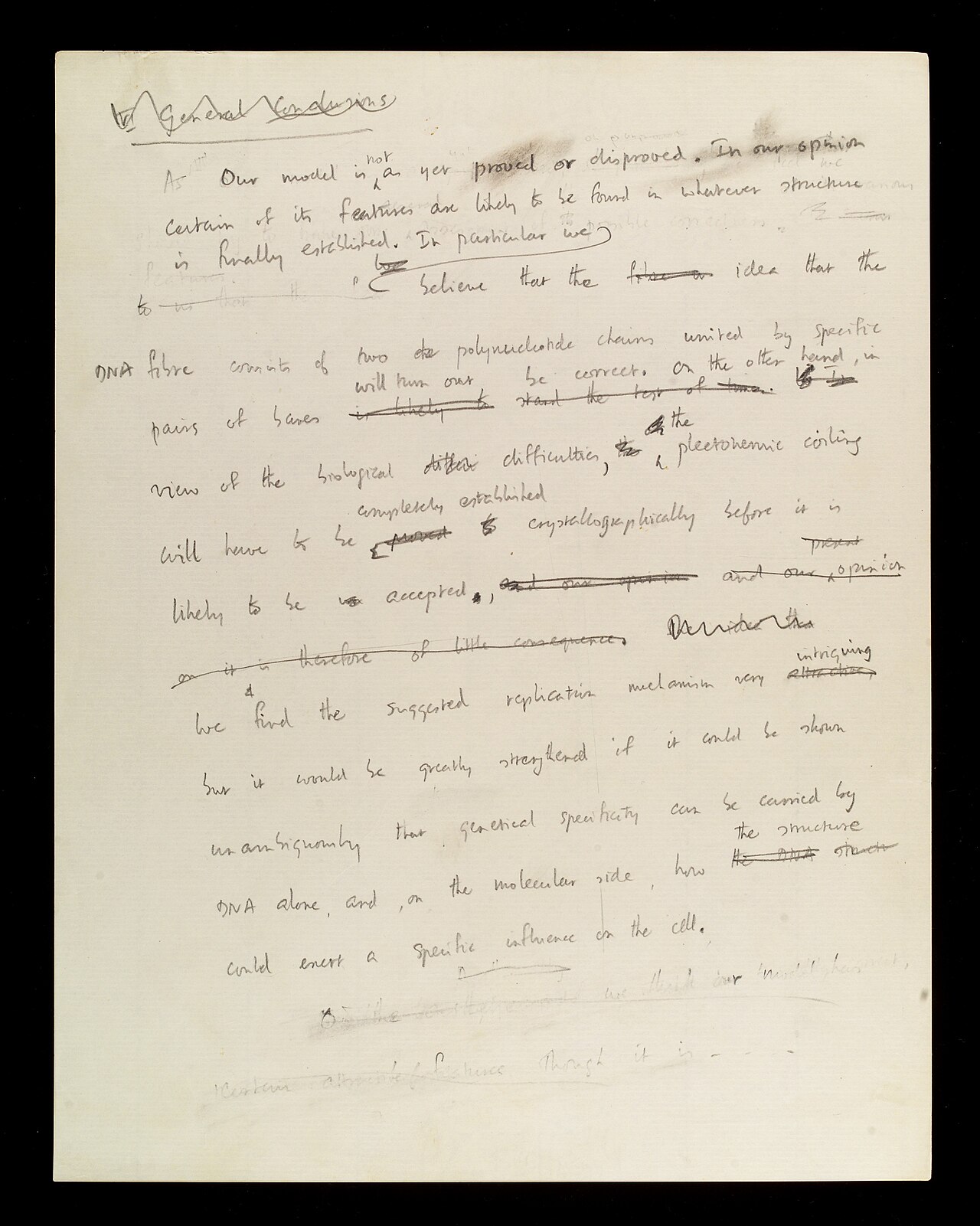
Genetical Implications of the Structure of Deoxyribonucleic Acid
James D. Watson and Francis Crick · 30 May 1953
 Photograph
Primary source
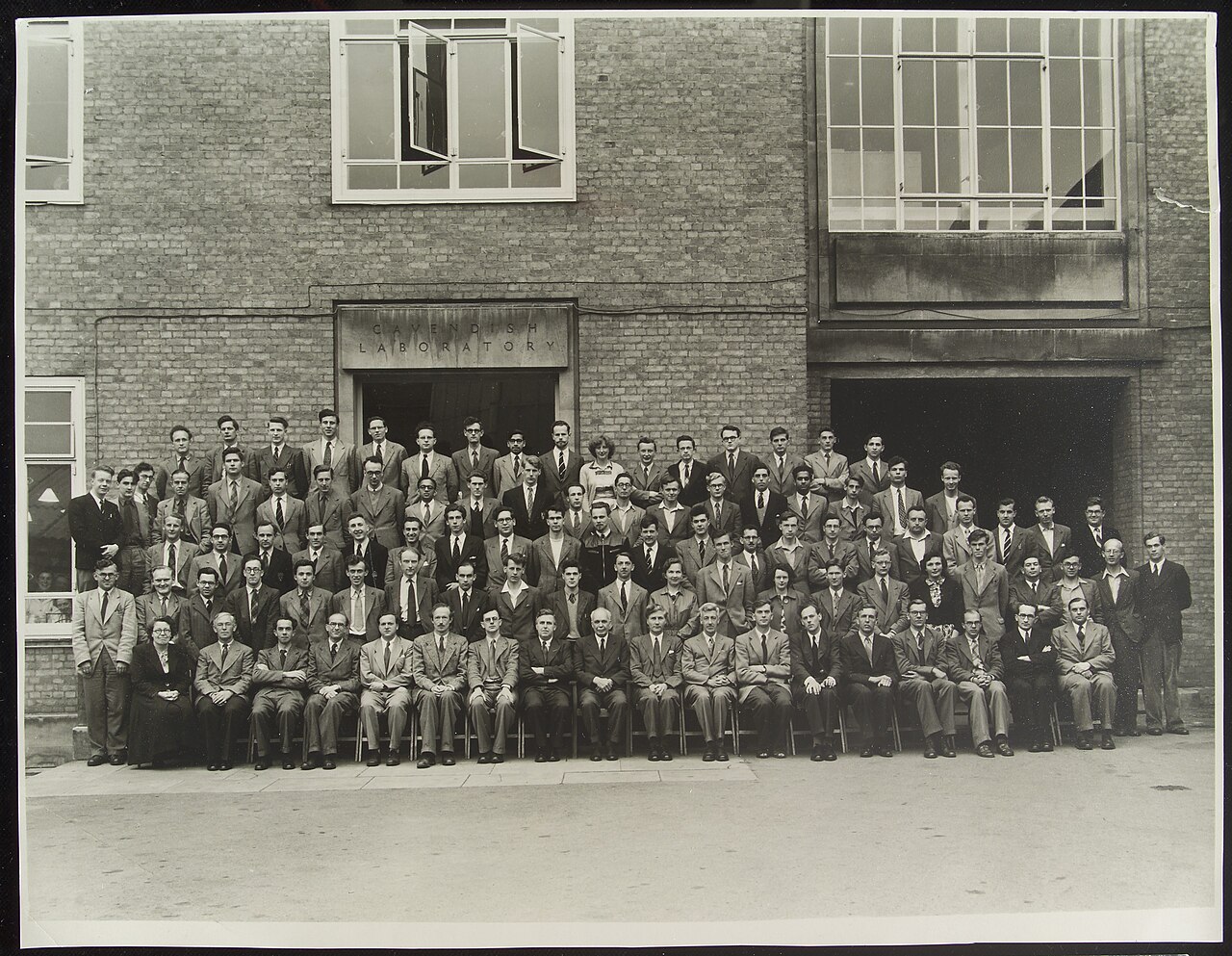
Physics Research Students, Cavendish Laboratory, 1952
June 1952
 Artifact
Primary source
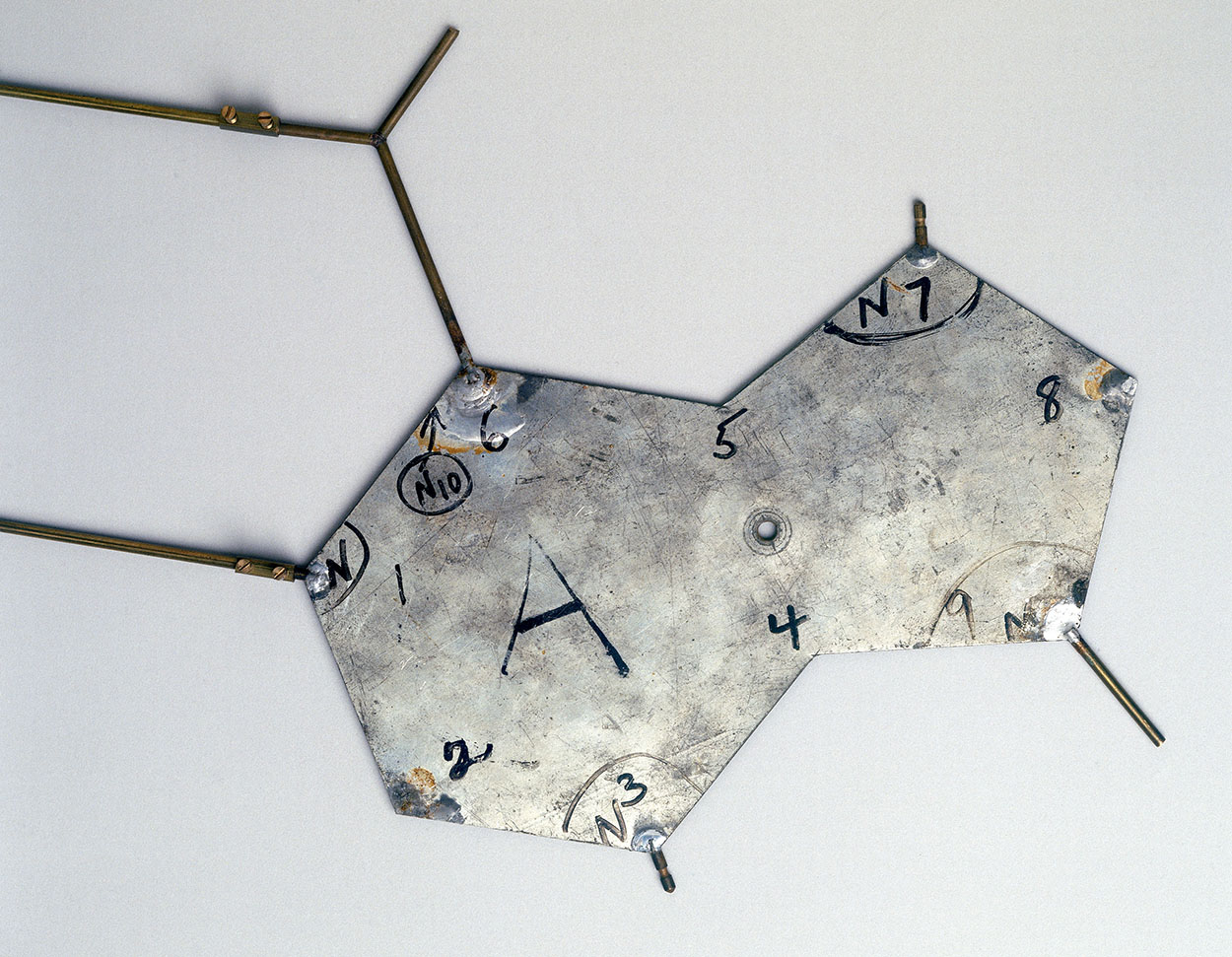
Thymine Template from the DNA Molecular Model
James Watson and Francis Crick · 1953
Ready when you are
Start chatting with James Watson now.
20 messages free · No credit card · Available in 50+ languages.