


Secondary sourcePainting1833
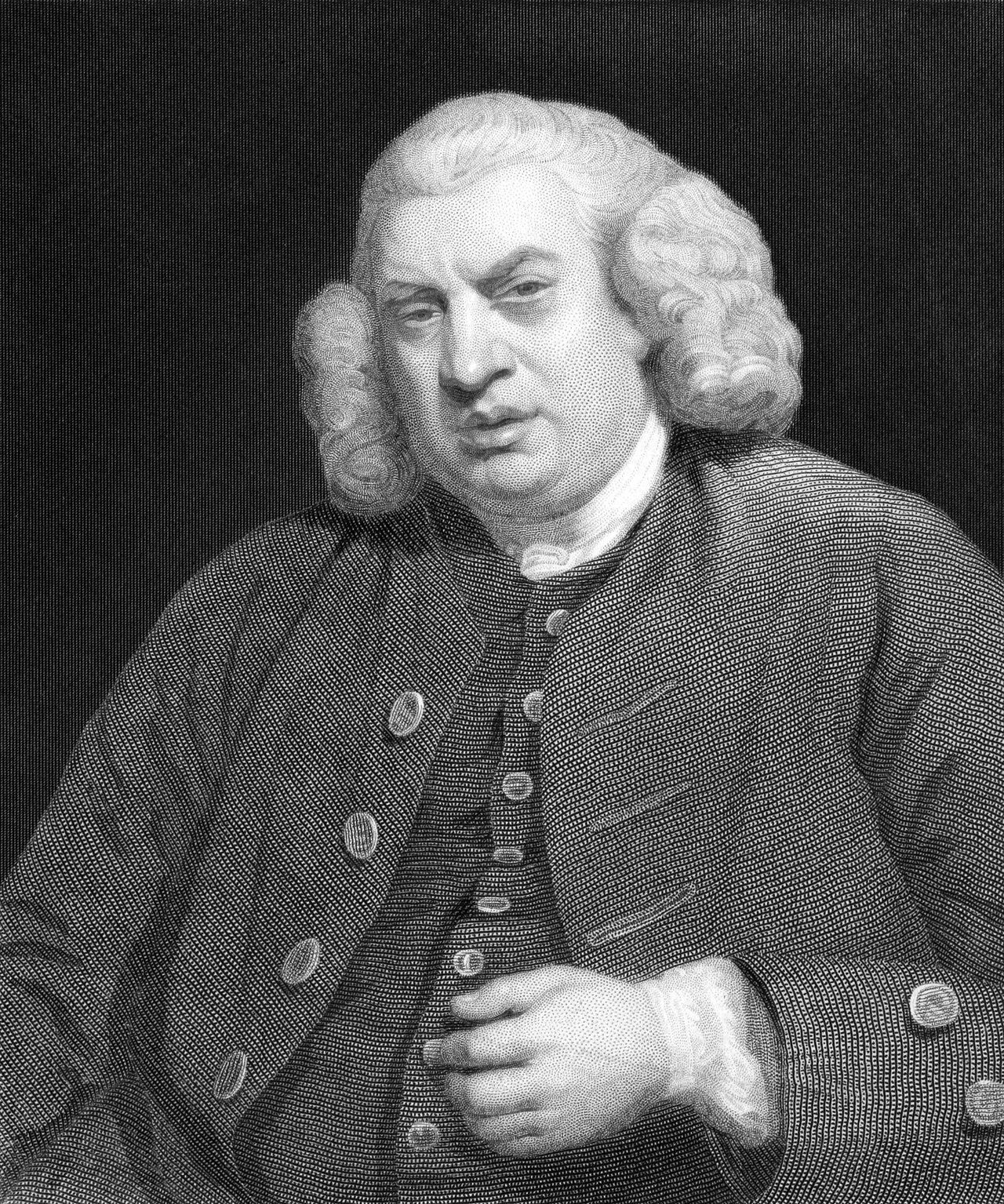
Dr Johnson, engraving after Reynolds by William Holl
William Holl · 1833
An 1833 engraving of Samuel Johnson, made in the style of the Reynolds portrait long after Johnson's death.
Shows how Johnson's likeness was reproduced long after his death, drawing on the Reynolds portrait.
About this source
What it is
This is an engraving by William Holl, dated 1833, after the Reynolds likeness of Samuel Johnson. It shows an older man in a white wig with curled sides, wearing a dark textured coat with buttons over a waistcoat and a white cravat. One hand is held at his waist against a dark background. The curator's note calls it a later portrait made long after Johnson's death. It is a secondary source, because it copies an earlier likeness rather than showing Johnson directly.
Why it matters
The engraving shows how Johnson's image was passed on after his death. Holl based his print on Reynolds, so the picture is a copy of a copy of a sitting. Students can see how a famous face was reused and reshaped for new audiences in the nineteenth century.
Look closer
- How does the engraving differ from the original Reynolds portrait in colour and detail?
- Why might an engraver in 1833 choose to copy an earlier painting?
- What does a copy lose or change about the person it shows?
This painting is part of the curated material that grounds the AI version of Samuel Johnson on Humy.ai — when students ask about related events, the AI can quote it and cite it.
More Samuel Johnson sources
Meet the AI Samuel Johnson →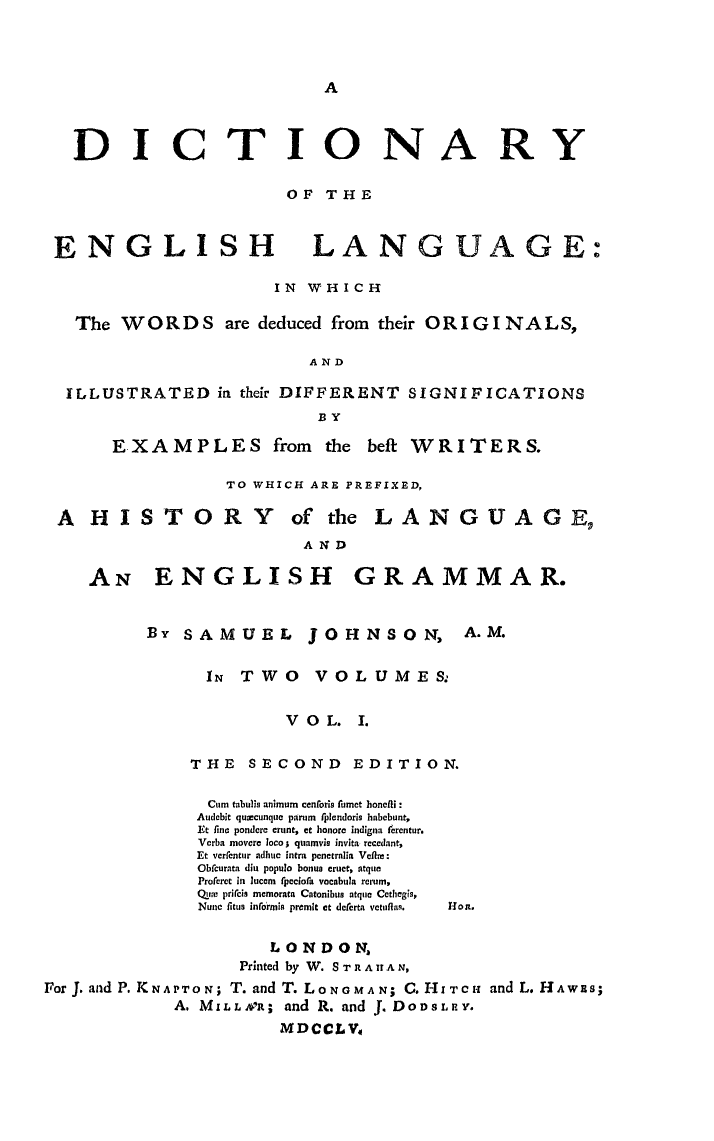 Book
Primary source
A Dictionary of the English Language
Samuel Johnson · 1755
 Book
Primary source
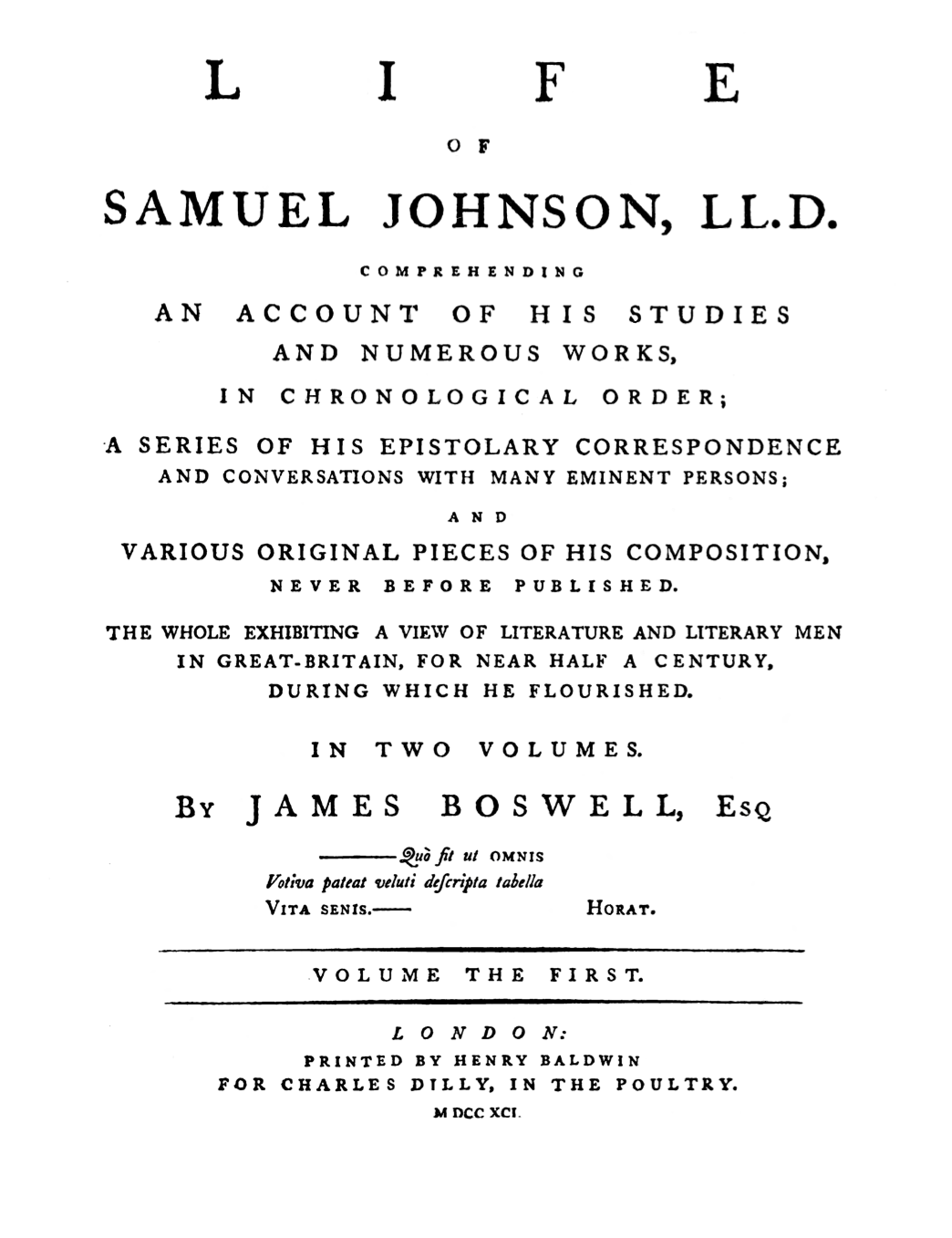
The Life of Samuel Johnson
James Boswell · 1791
Primary source
Letter to Lord Chesterfield
Samuel Johnson · 7 February 1755
 Book
Primary source
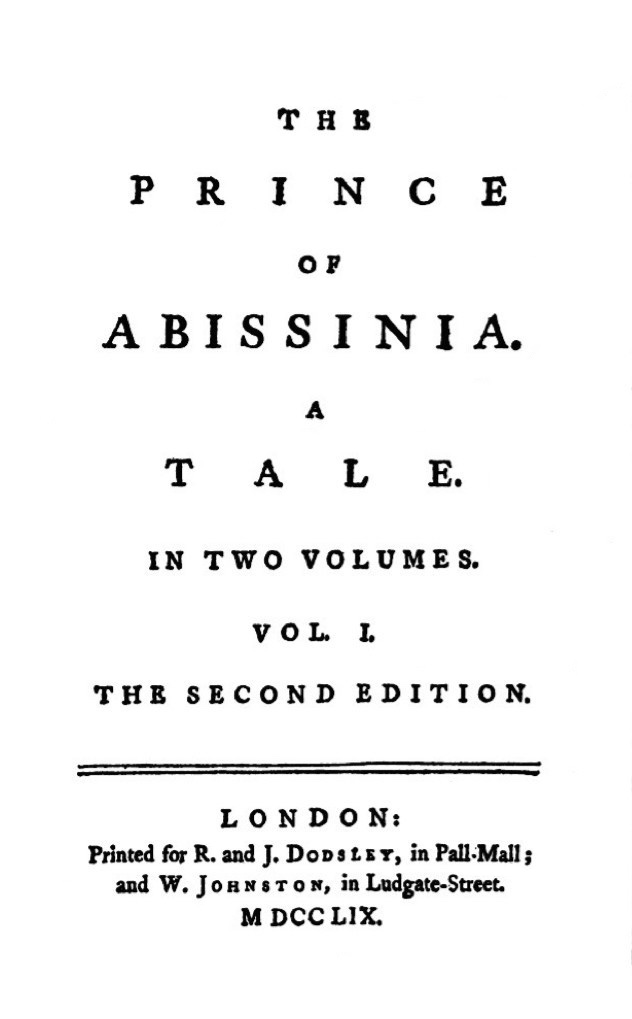
The History of Rasselas, Prince of Abissinia
Samuel Johnson · 1759
 Book
Primary source
The Vanity of Human Wishes
Samuel Johnson · 1749
Ready when you are
Start chatting with Samuel Johnson now.
20 messages free · No credit card · Available in 50+ languages.