



Dr. Michael Calvert
Assistant Superintendent, South Allegheny School District, Pennsylvania
Been using Humy in his district since 2024
“We enjoyed the program last year and used it frequently.”

AI Historical Figure
Noted English lexicographer and writer.
Chat with Samuel Johnson via text or voice — in 42 languages, drawing on a curated biography and 90 historical sources. Available 24/7.

Samuel Johnson
Online · responds in seconds
Hello — I'm Samuel Johnson. Noted English lexicographer and writer. What would you like to ask me?
20 messages free · No credit card · Powered by Humy.ai
Live preview · Switch between 42 languages above · Send a message to continue in the app
Multilingual
Ask Samuel Johnson questions in any language below, and the rest of Humy's app speaks it too. Pick yours to open the chat in that language.
Also in German (Austria), German (Switzerland), English (UK), English (Australia), English (Canada).
90 sources · 47 books · 23 paintings · 8 documents · 5 artifacts · 3 sculptures · 2 letters · 2 diary entries
Samuel Johnson doesn’t improvise from thin air. The AI is grounded in 90 curated historical sources students can inspect. Open any of them to see what informs the conversation.
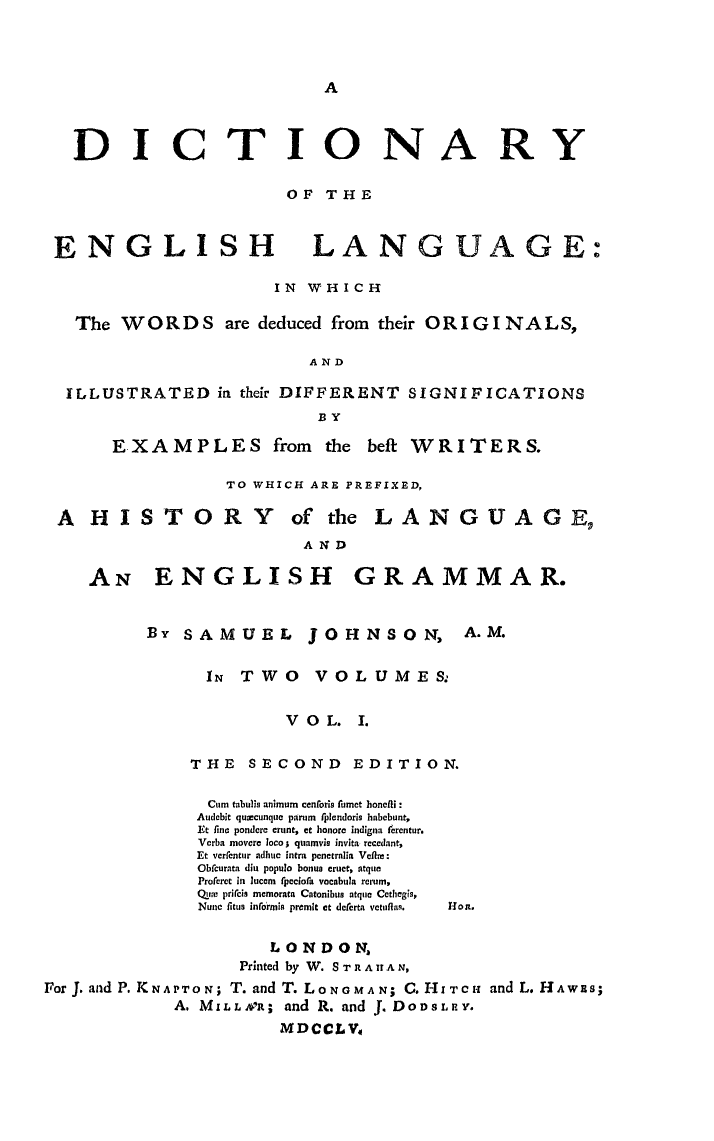 Book
Primary source
Samuel Johnson · 1755
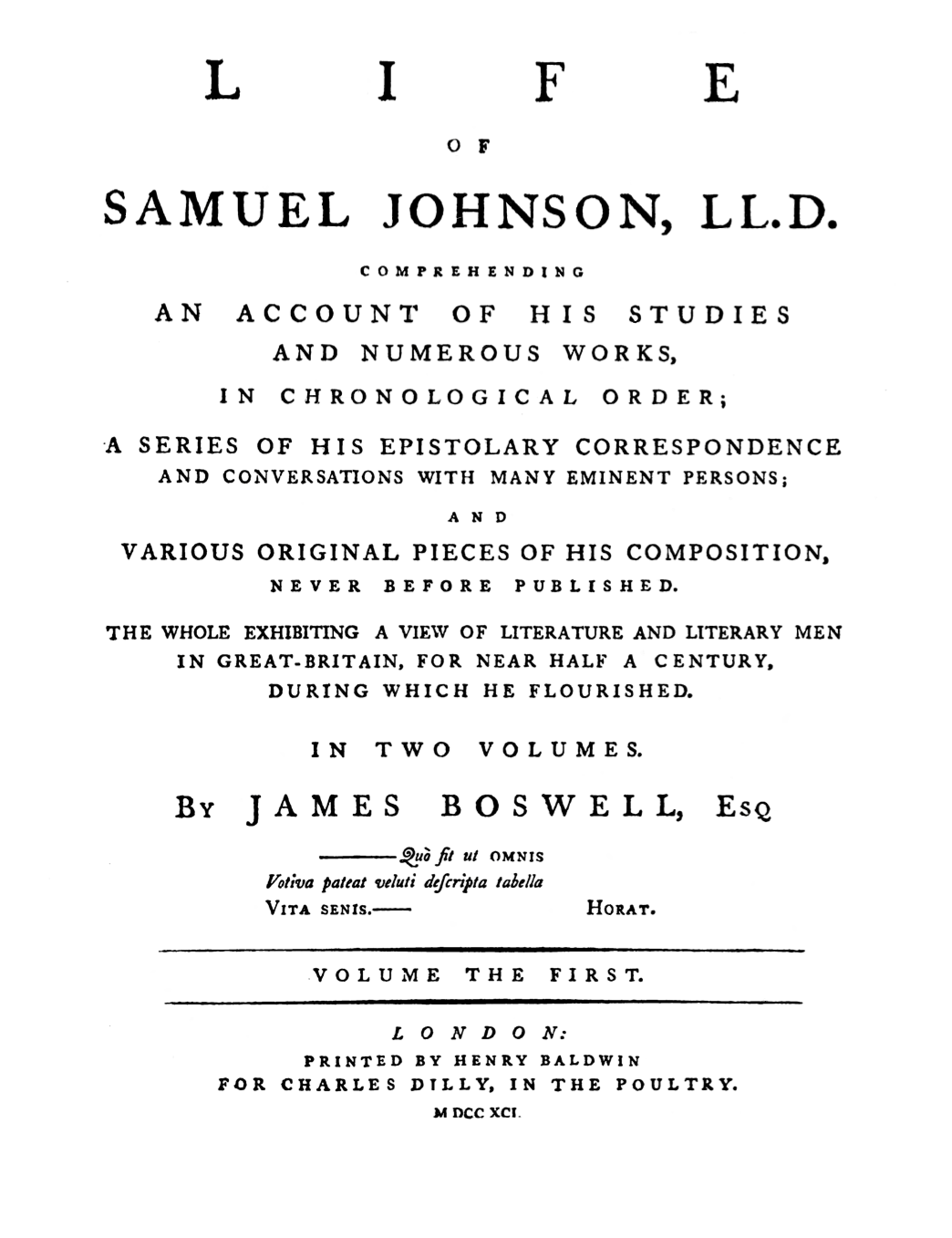 Book
Primary source
James Boswell · 1791
Primary source
Samuel Johnson · 7 February 1755
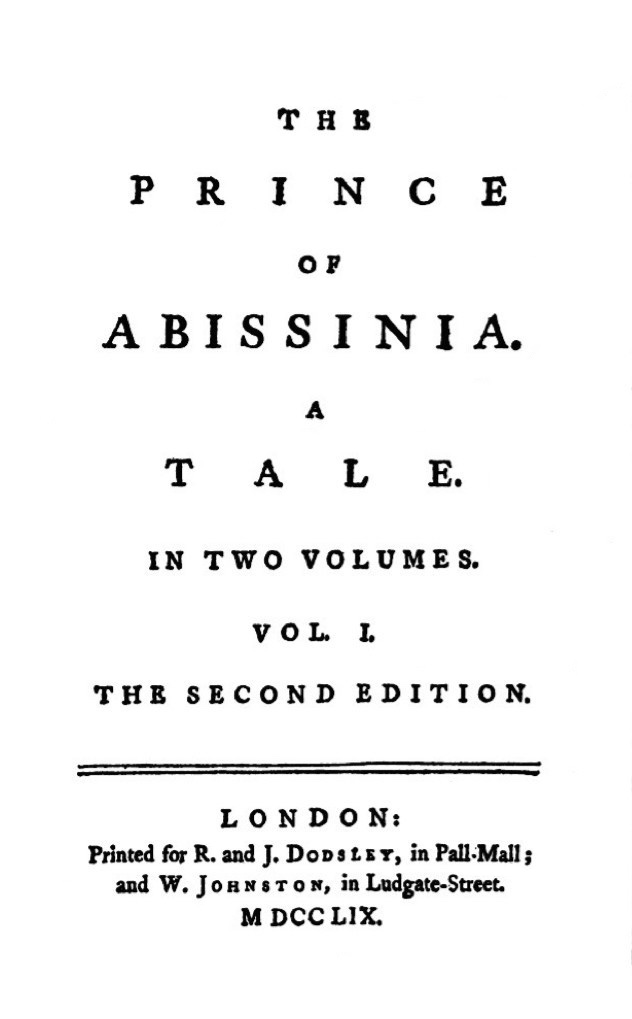 Book
Primary source
Samuel Johnson · 1759
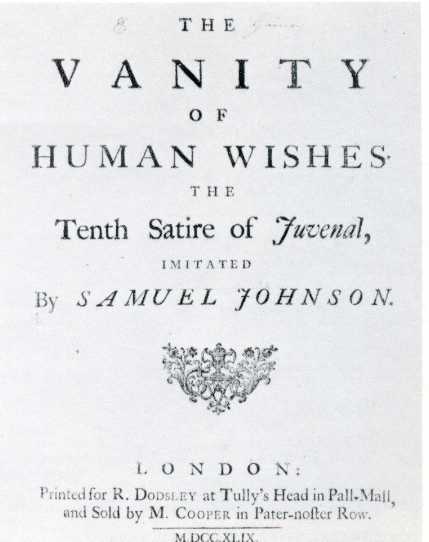 Book
Primary source
Samuel Johnson · 1749
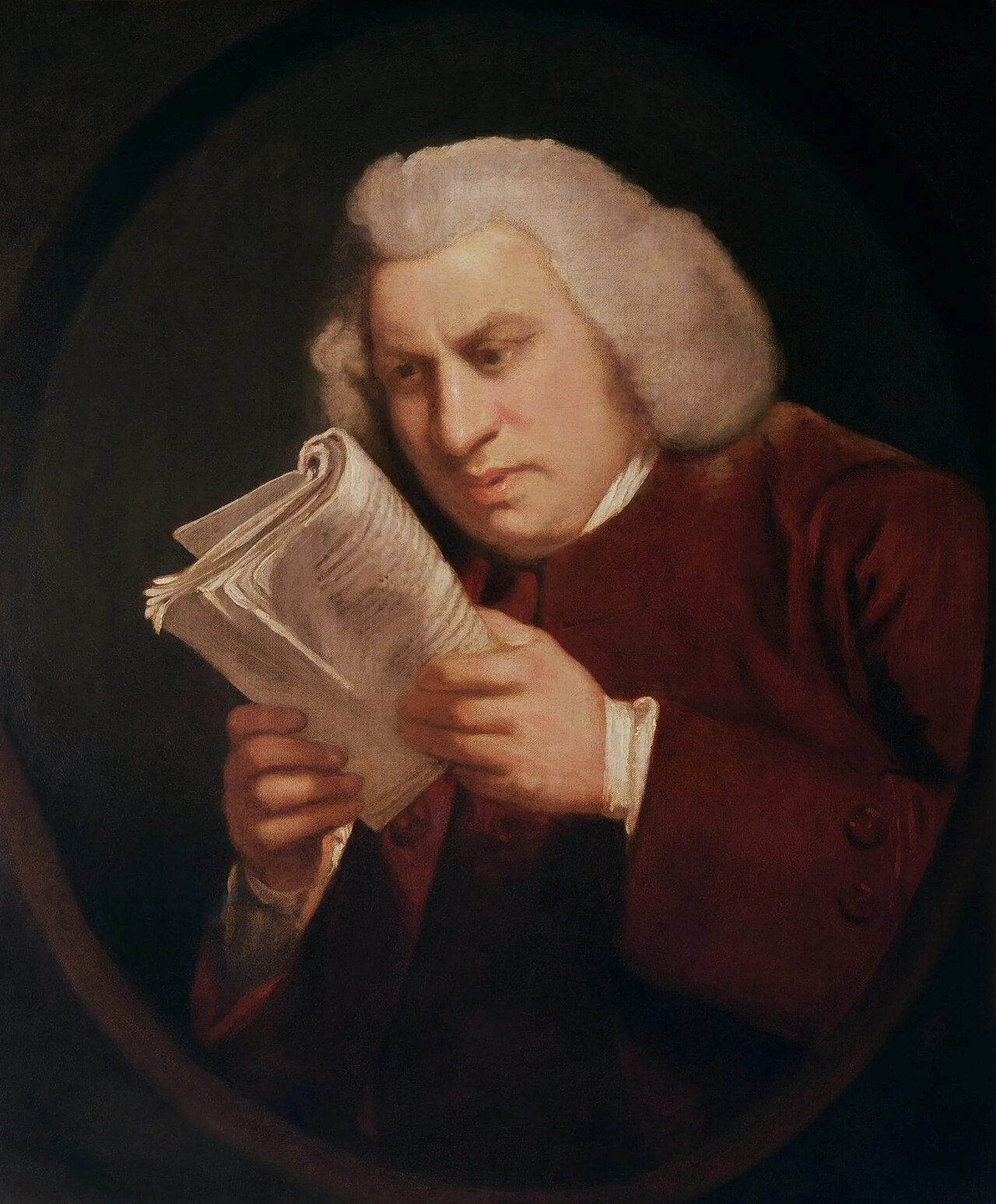 Painting
Primary source
Joshua Reynolds · c. 1775
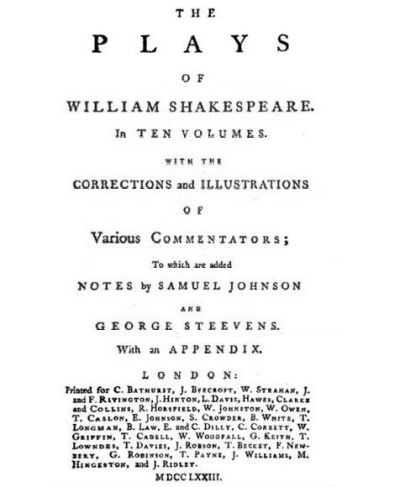 Book
Primary source
William Shakespeare; edited by Samuel Johnson and George Steevens · 1765 (this printing 1783)
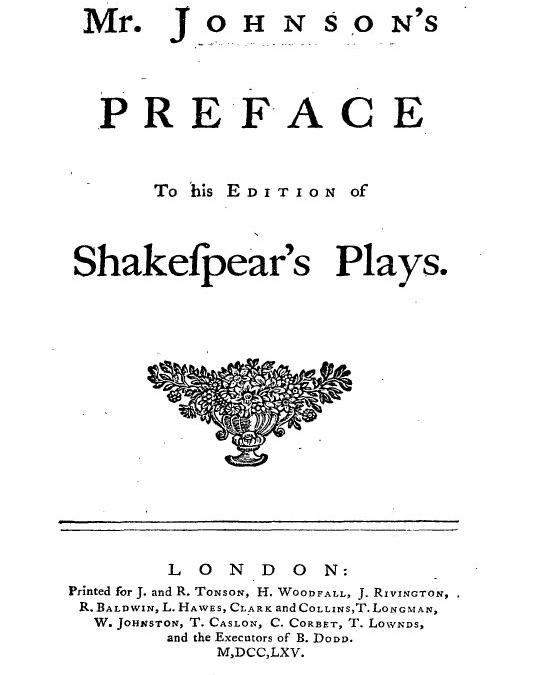 Book
Primary source
Samuel Johnson · 1765
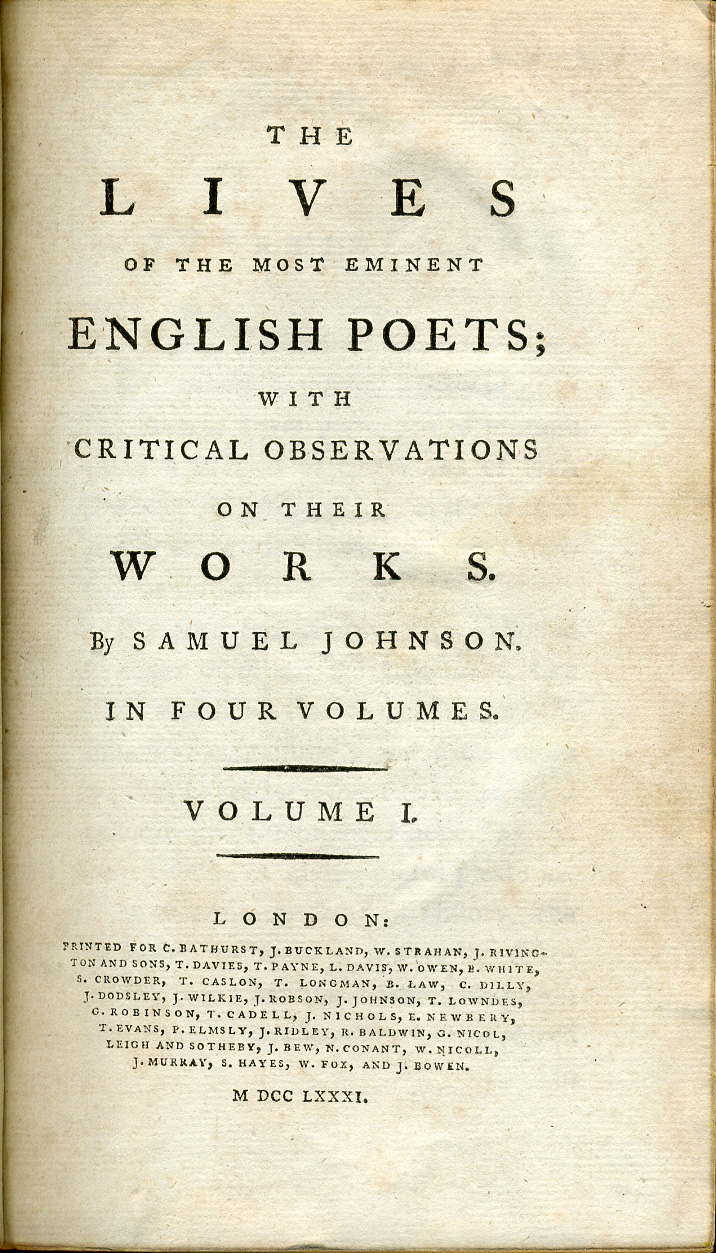 Book
Primary source
Samuel Johnson · 1779-1781
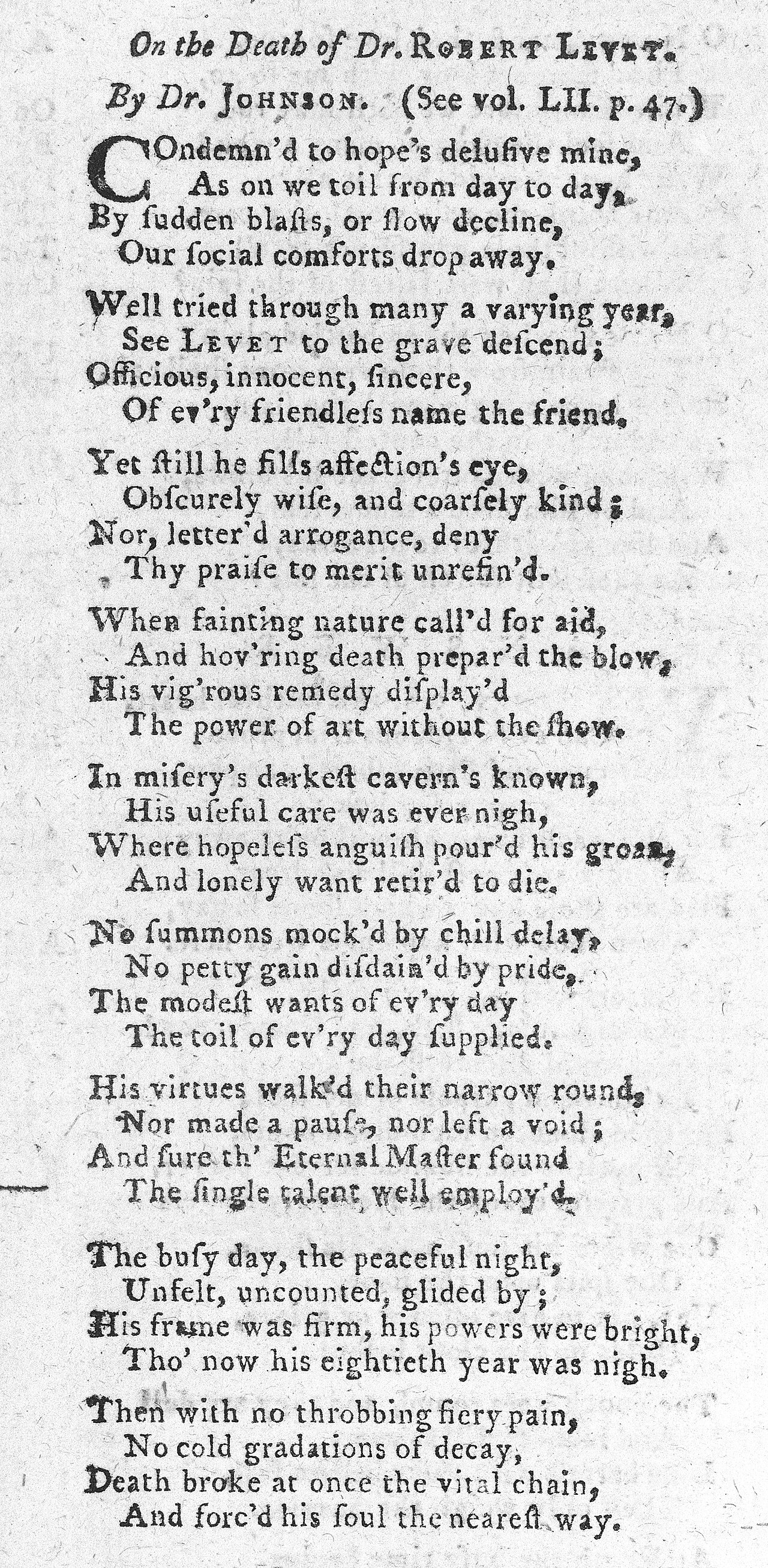 Book
Primary source
Samuel Johnson · 1782
Primary source
Samuel Johnson · 1775
 Diary entry
Primary source
James Boswell · 1785
Primary source
Samuel Johnson · 1747
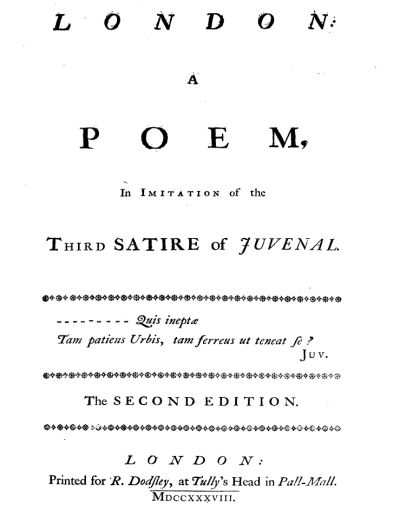 Book
Primary source
Samuel Johnson · 1738
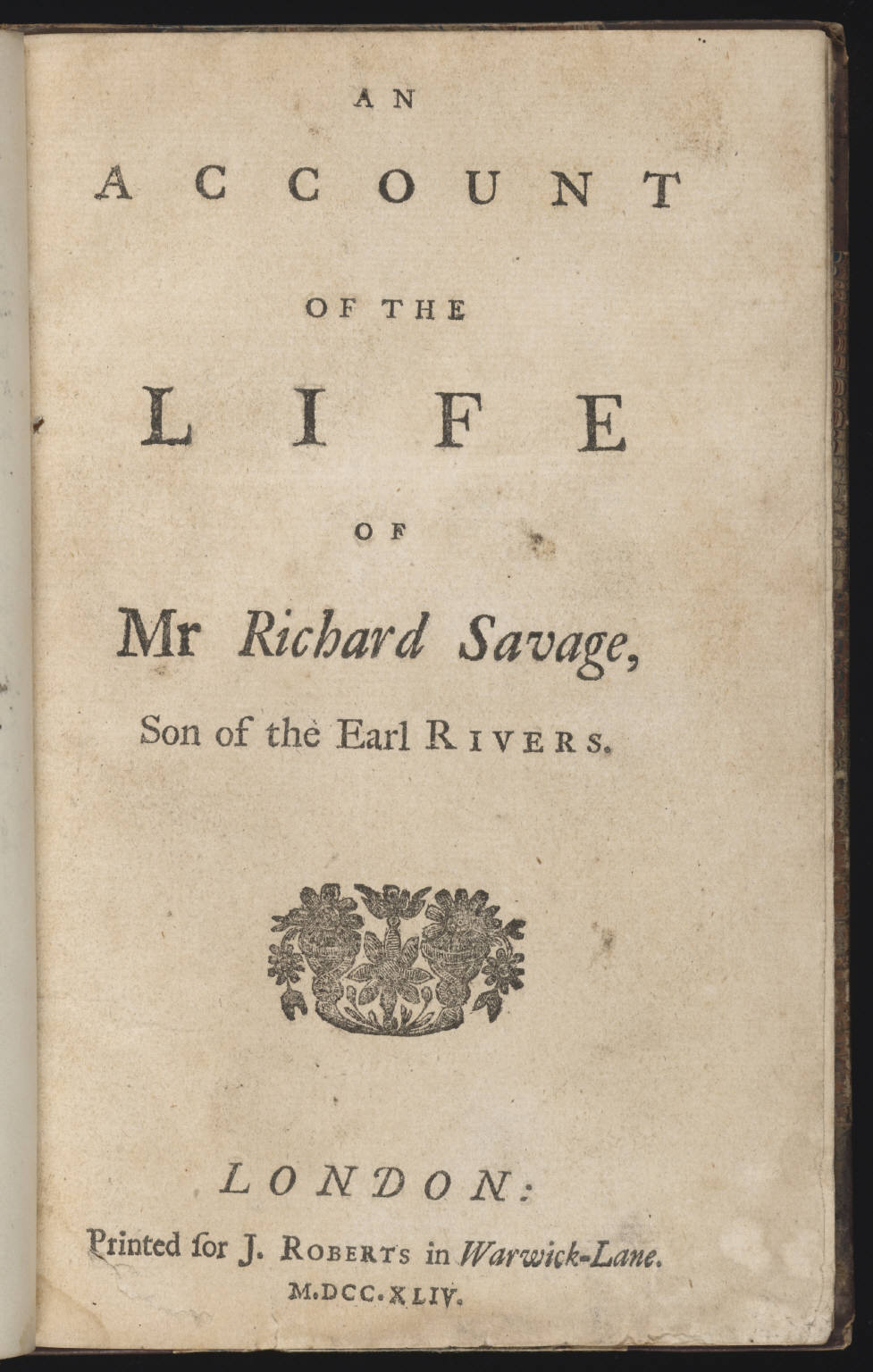 Book
Primary source
Samuel Johnson · 1744
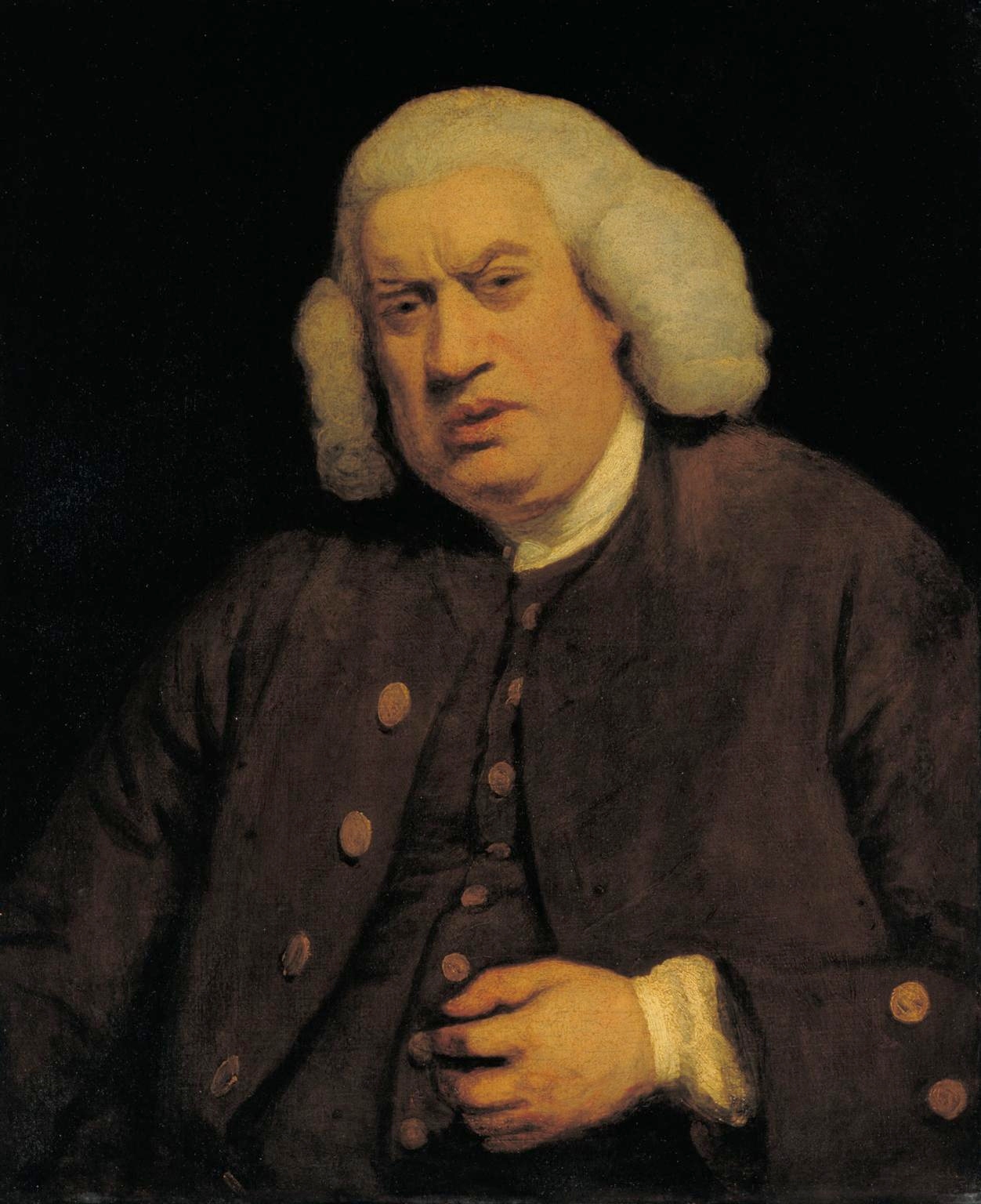 Painting
Primary source
Joshua Reynolds · 1772
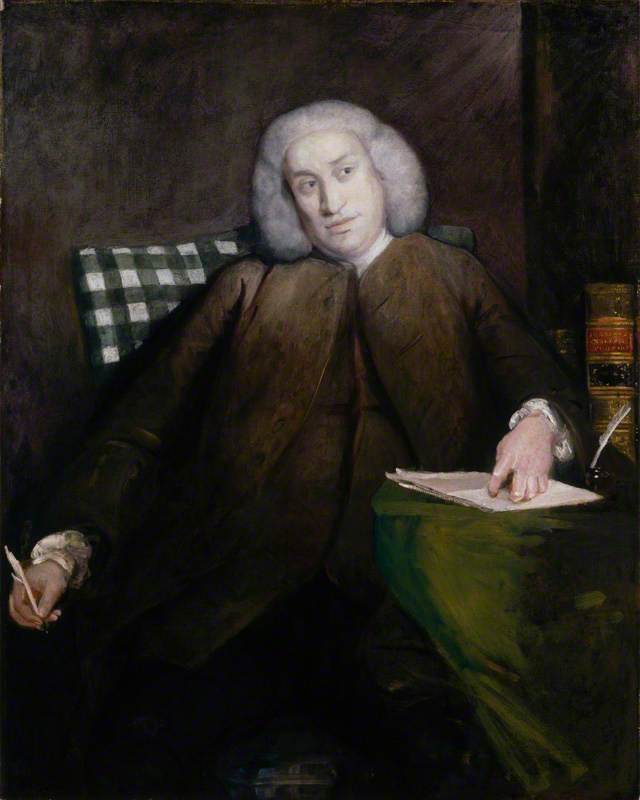 Painting
Primary source
Joshua Reynolds · c. 1756
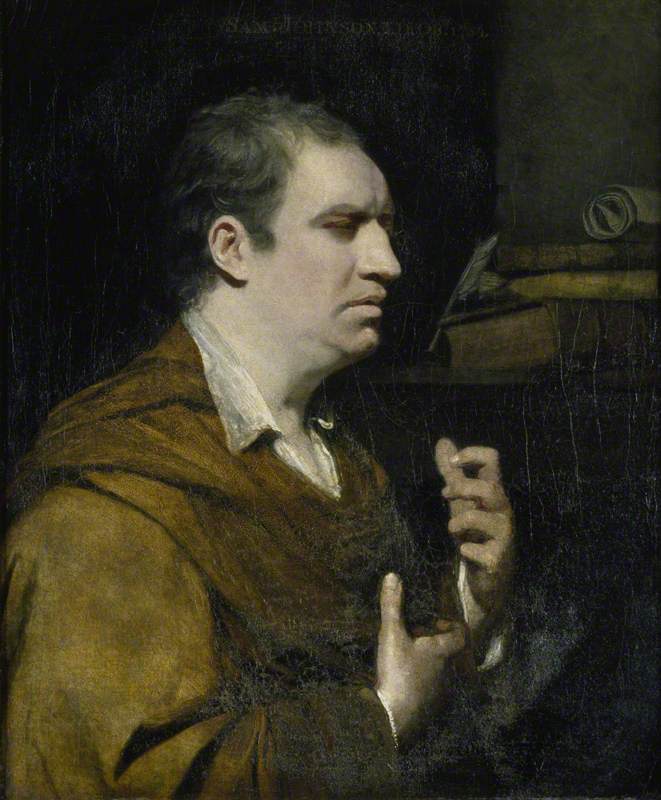 Painting
Primary source
Joshua Reynolds · 1769
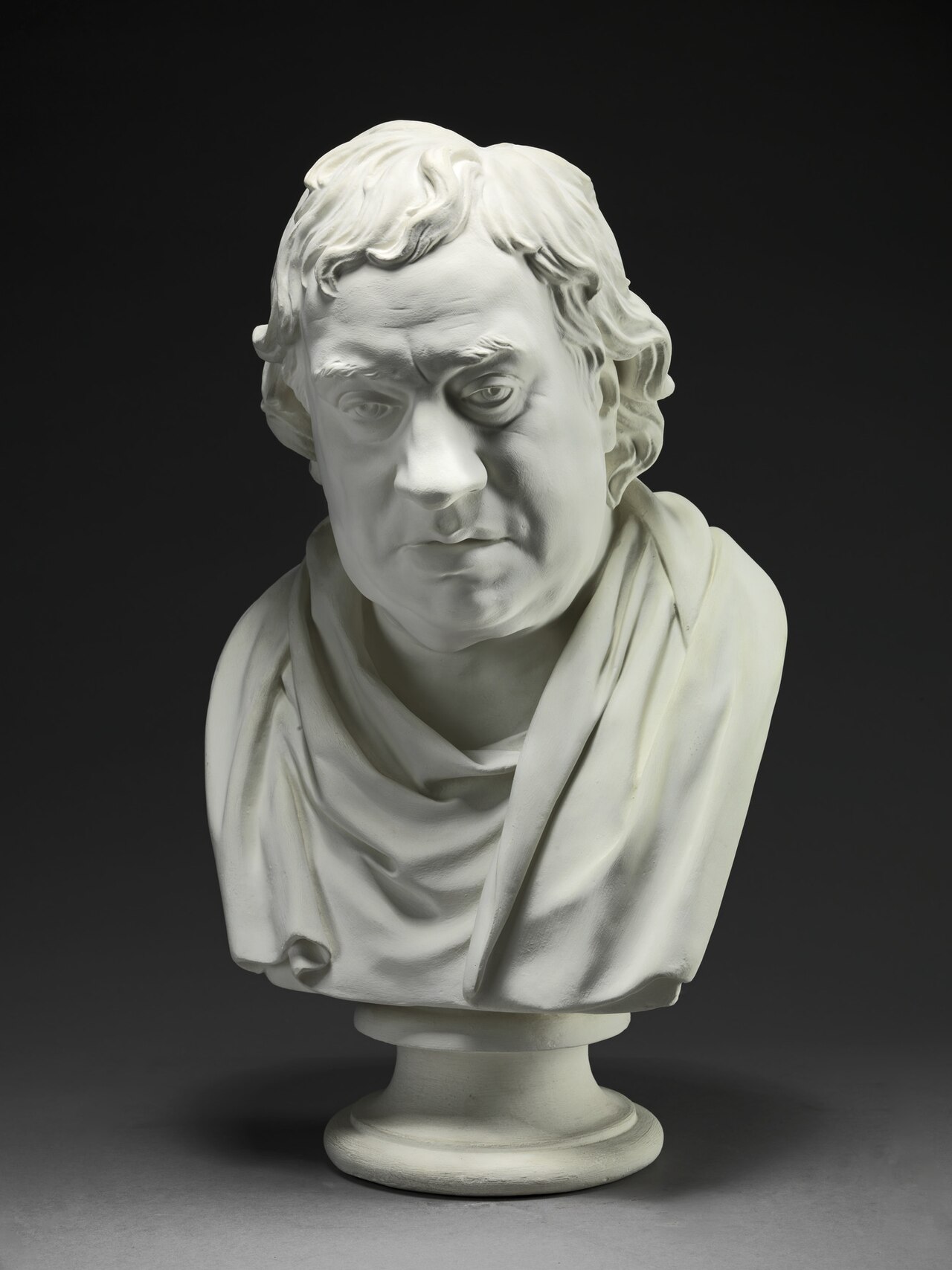 Sculpture
Primary source
Joseph Nollekens · 1777
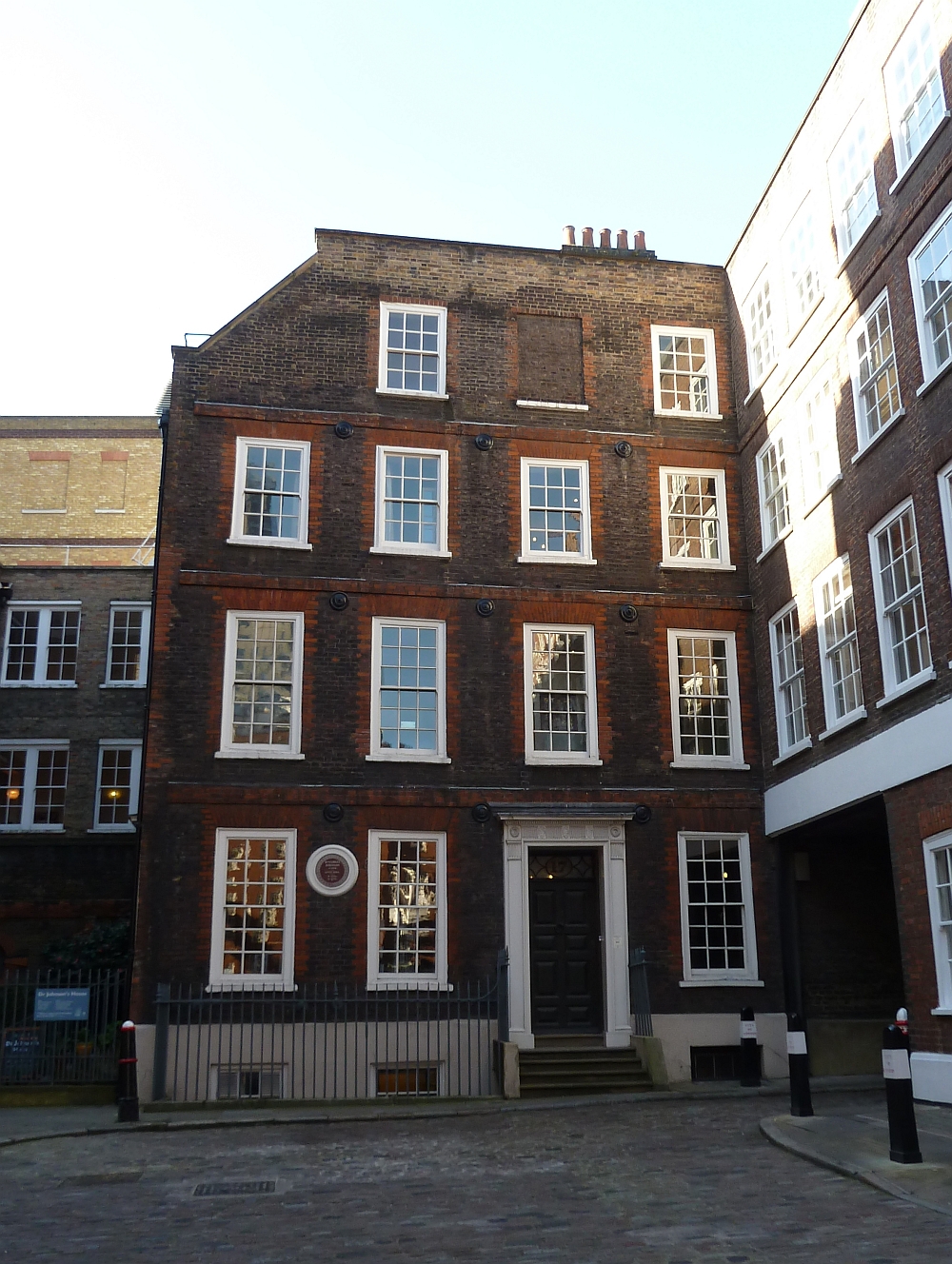 Artifact
Primary source
c. 1700
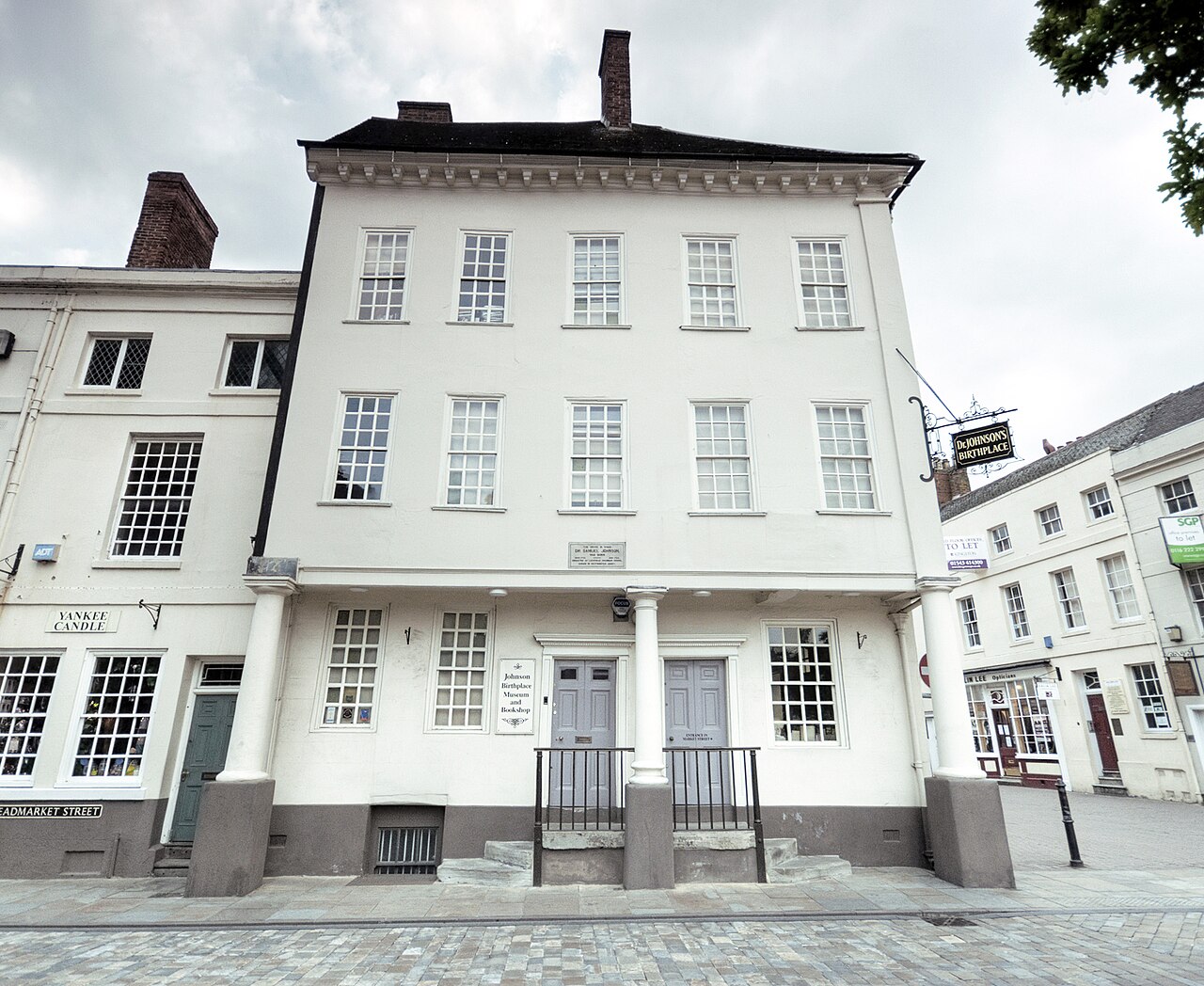 Artifact
Primary source
1707
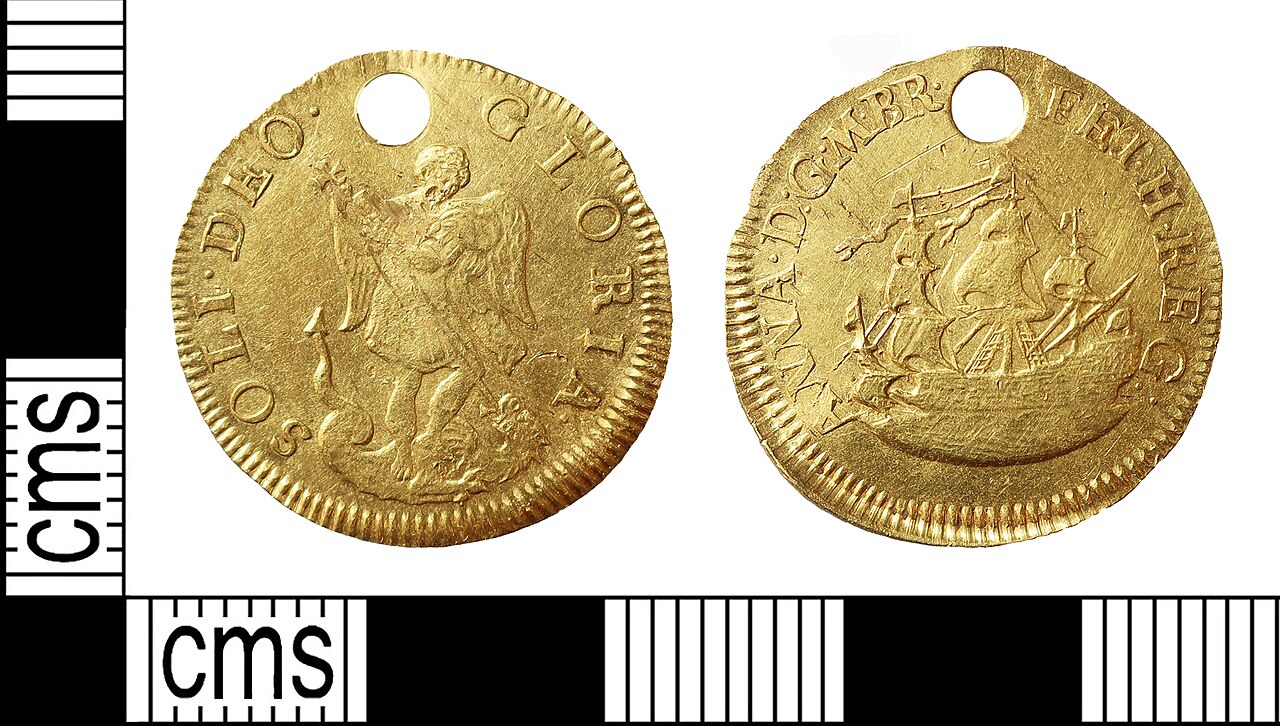 Artifact
Primary source
1712
 Book
Secondary source
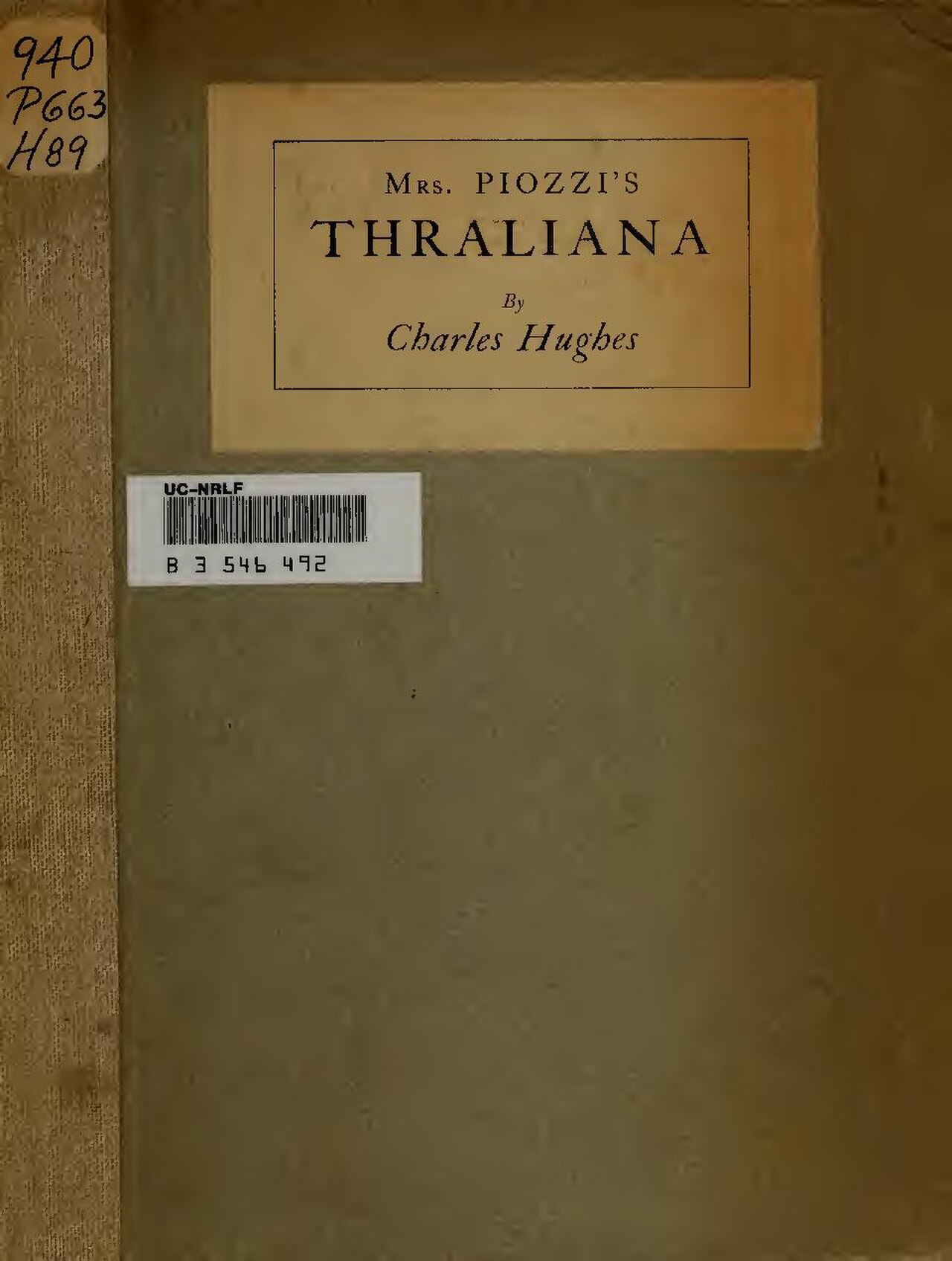
Hester Thrale · 26 March 1786
 Diary entry
Primary source
Hester Thrale · 1776–1809 (published 1942)
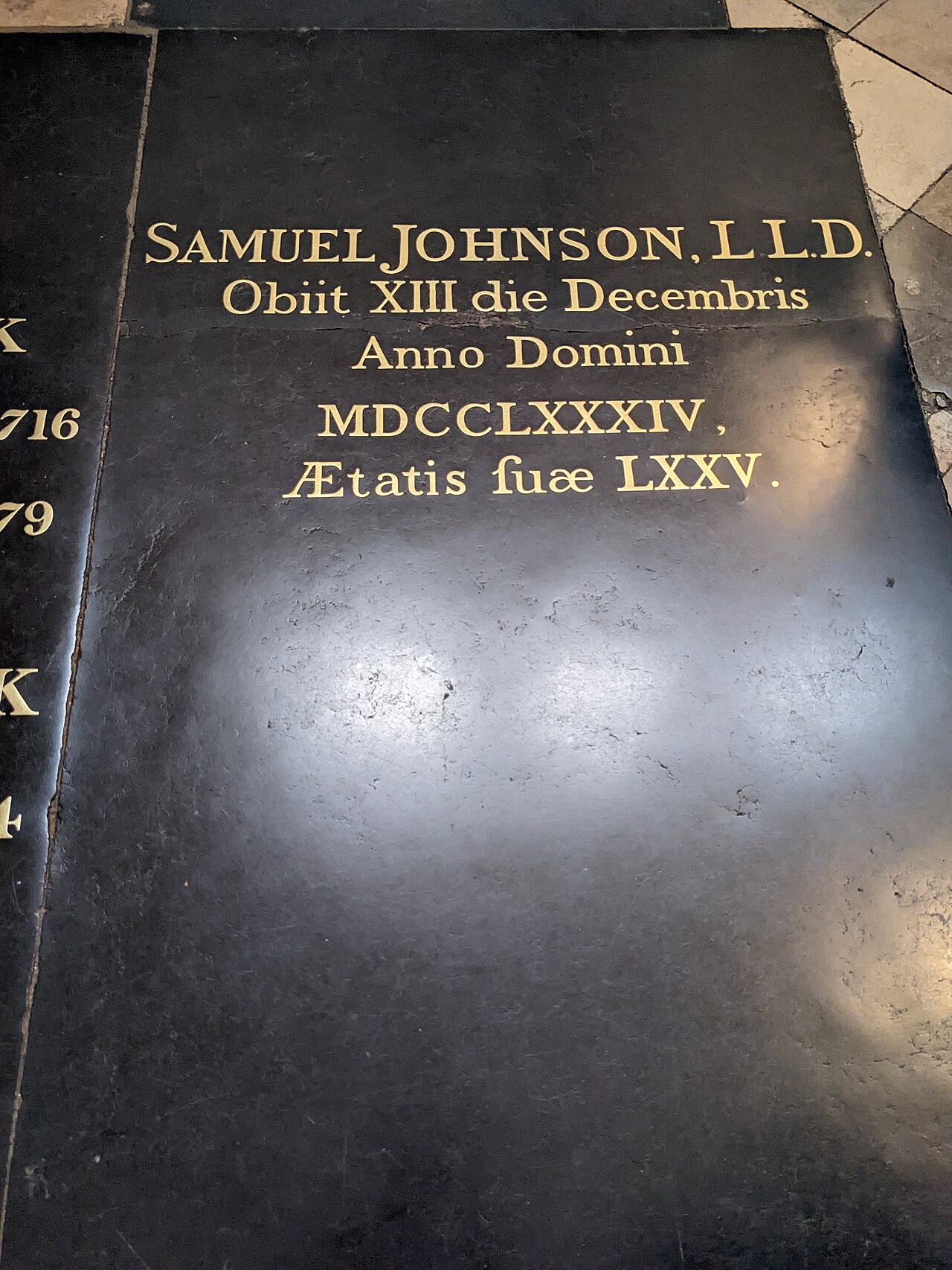 Artifact
Primary source
1784
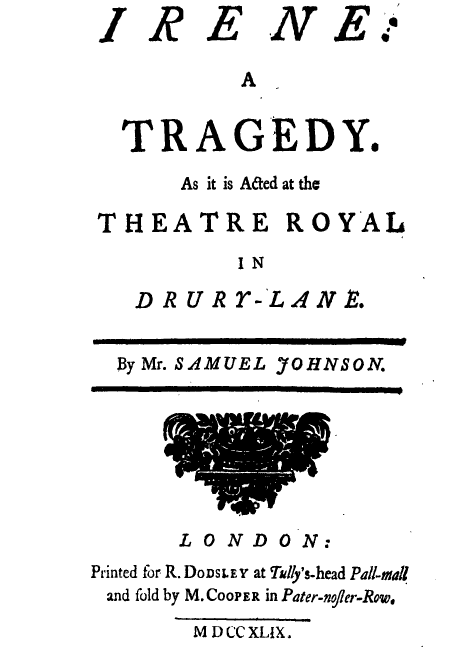 Book
Primary source
Samuel Johnson · 1749 (performed); written 1726–1749
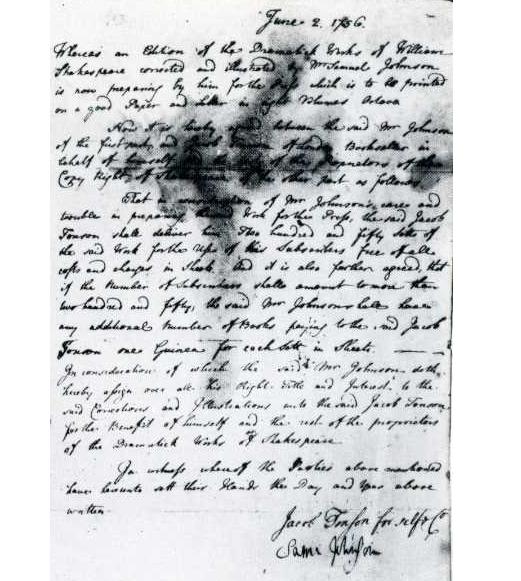 Document
Primary source
Jacob Tonson and Samuel Johnson · 2 June 1756
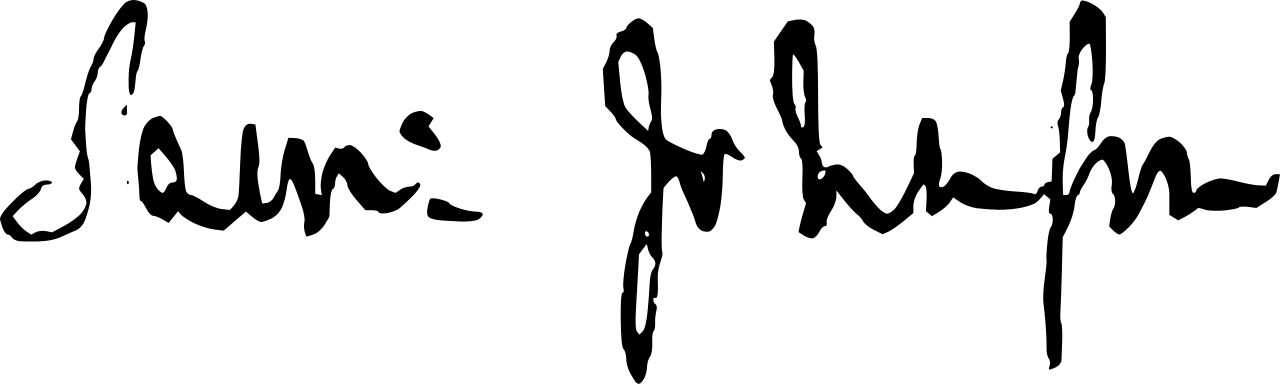 Document
Primary source
Samuel Johnson
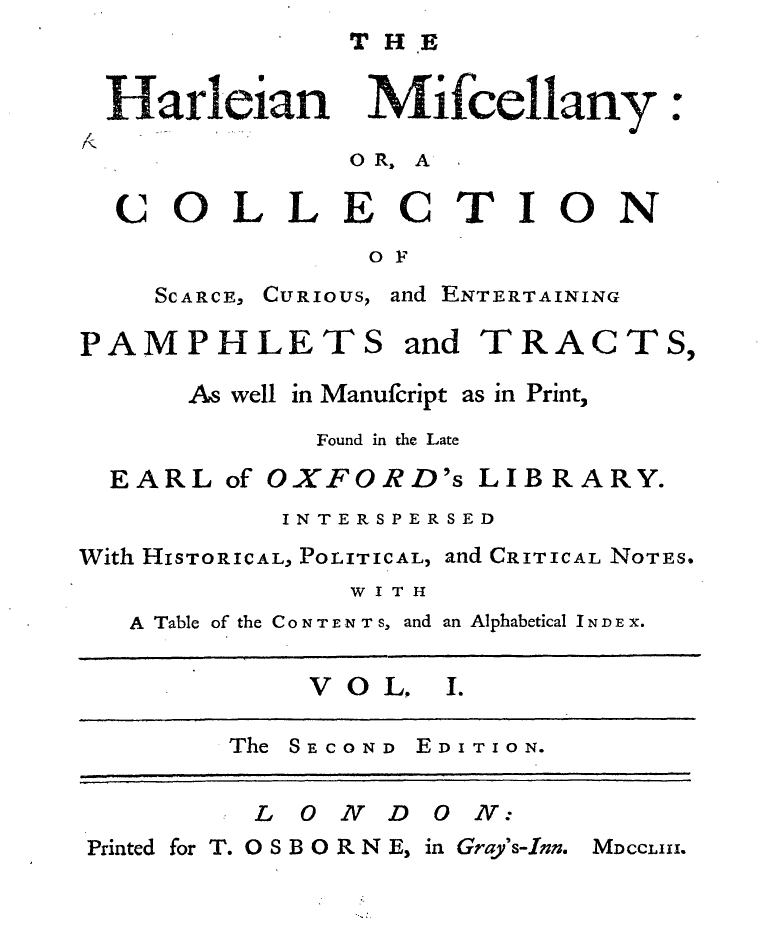 Book
Primary source
Samuel Johnson · 1744-1753
 Document
Primary source
Samuel Johnson · 1771
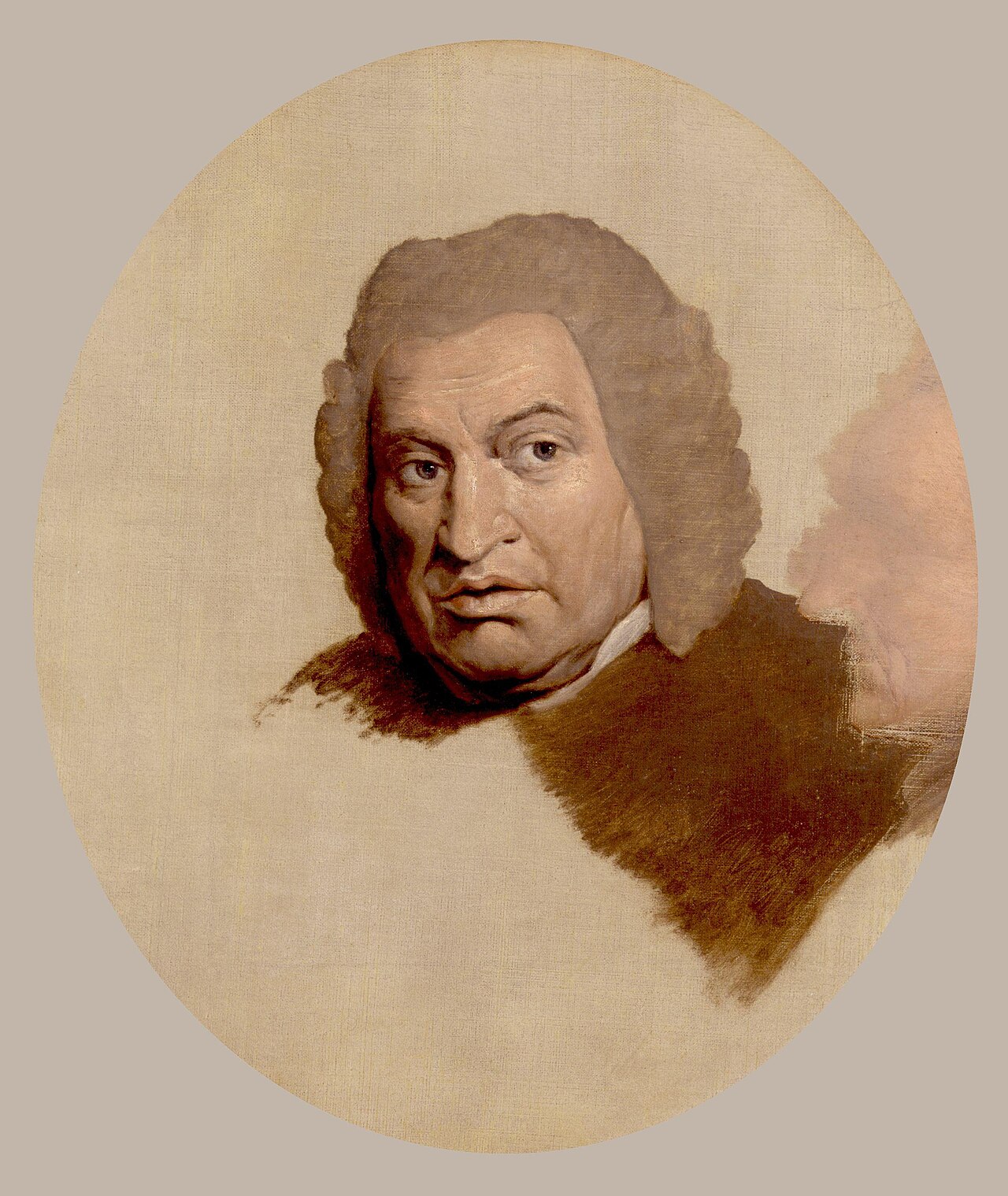 Painting
Primary source
James Barry · 1779
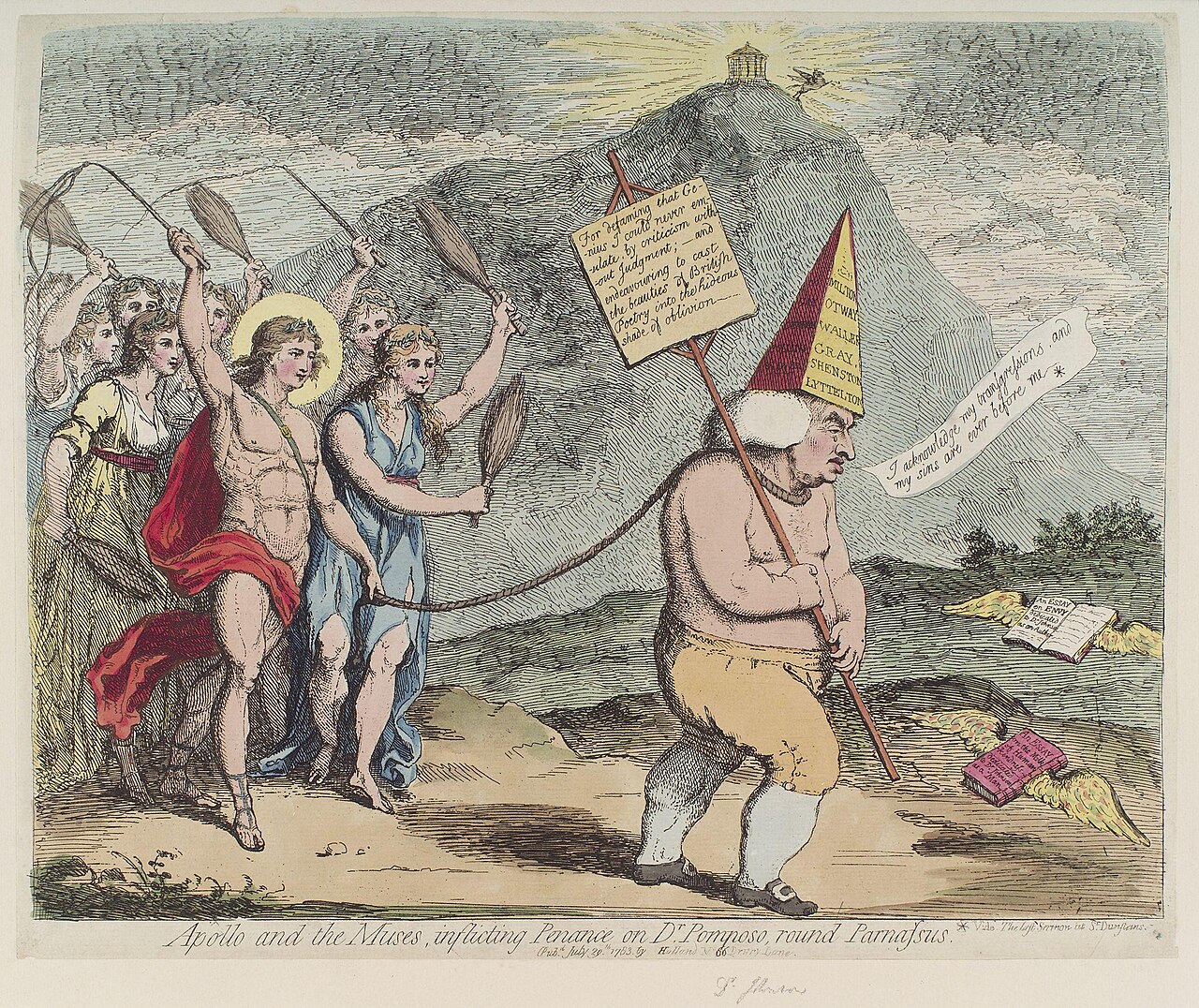 Painting
Primary source
James Gillray · 1783
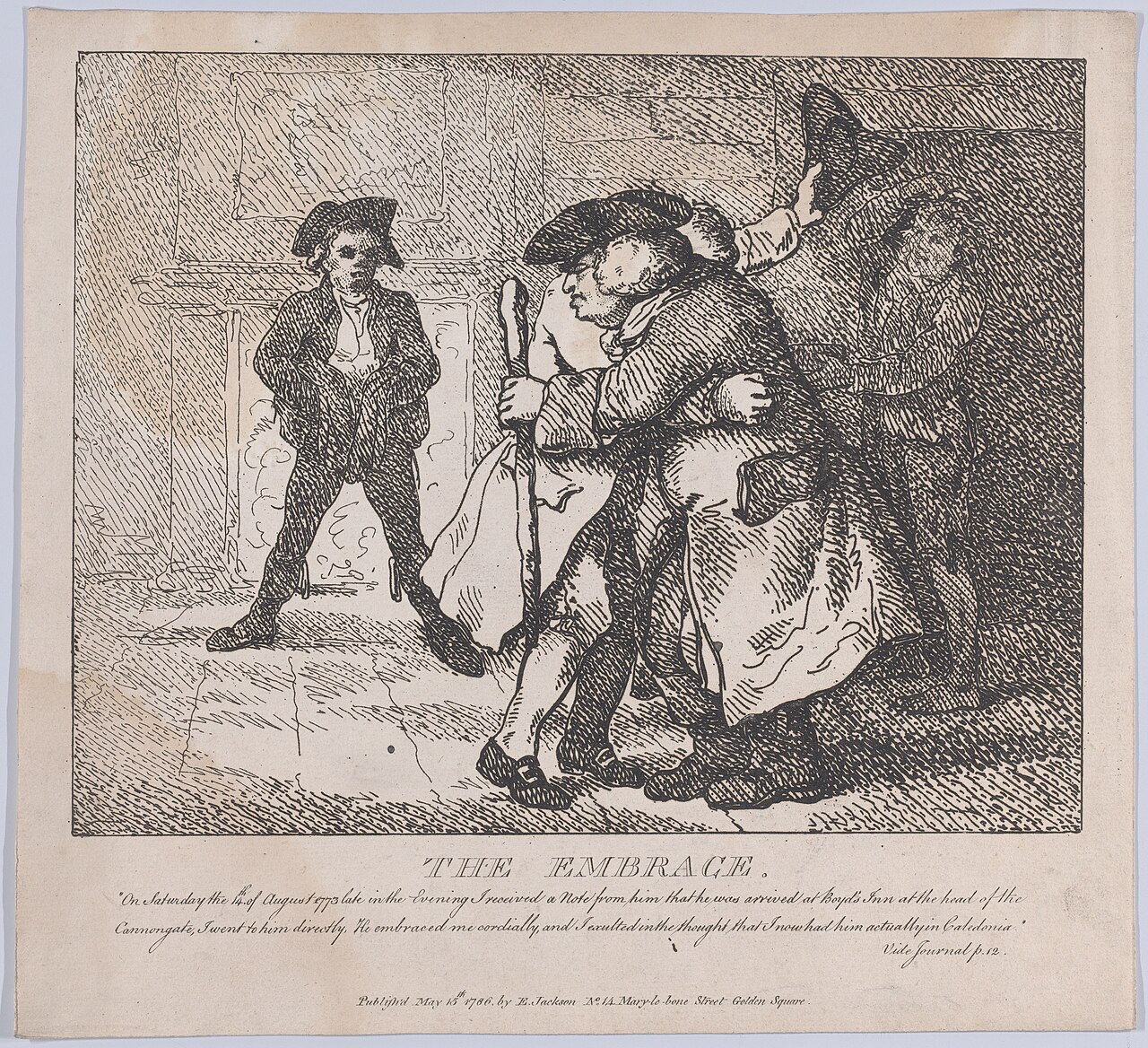 Painting
Secondary source
Thomas Rowlandson · 1786
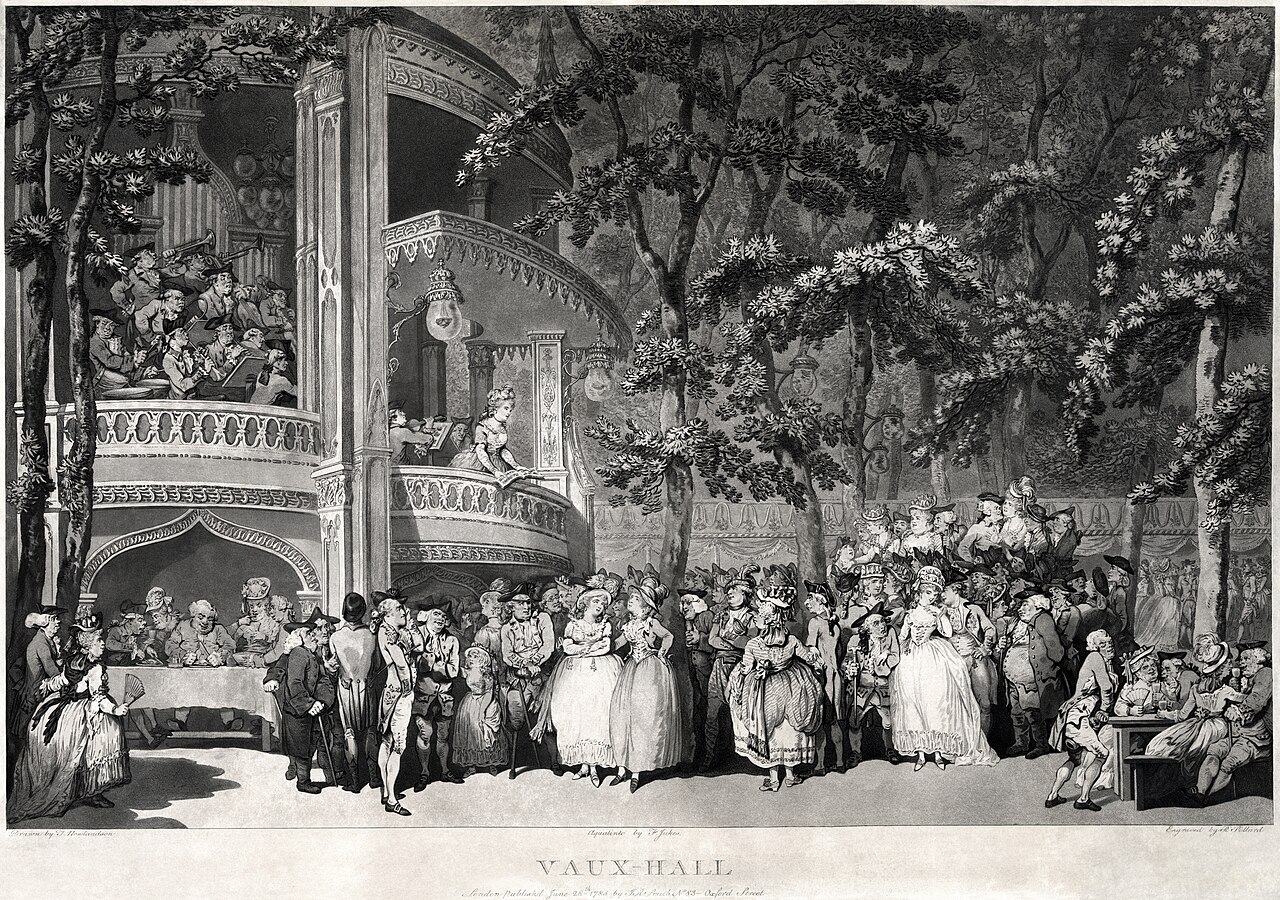 Painting
Secondary source
Thomas Rowlandson · 1785
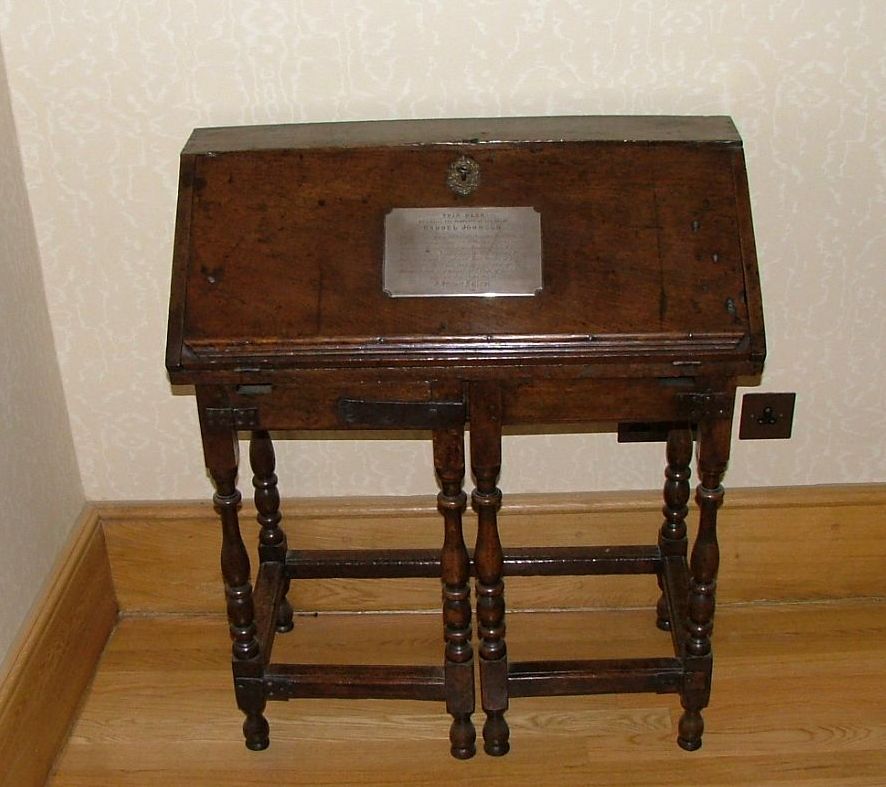 Artifact
Primary source
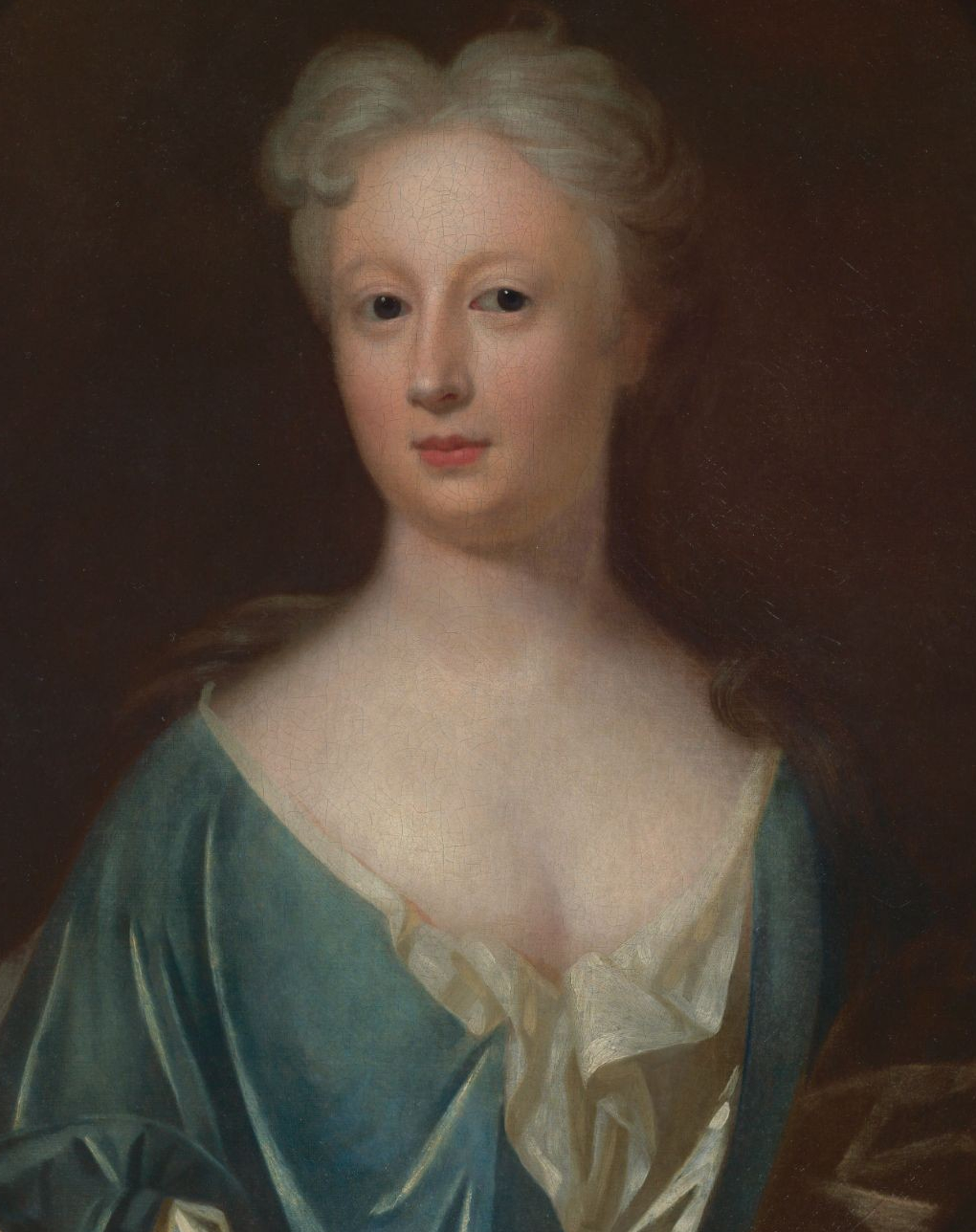 Painting
Primary source
Maria Verelst
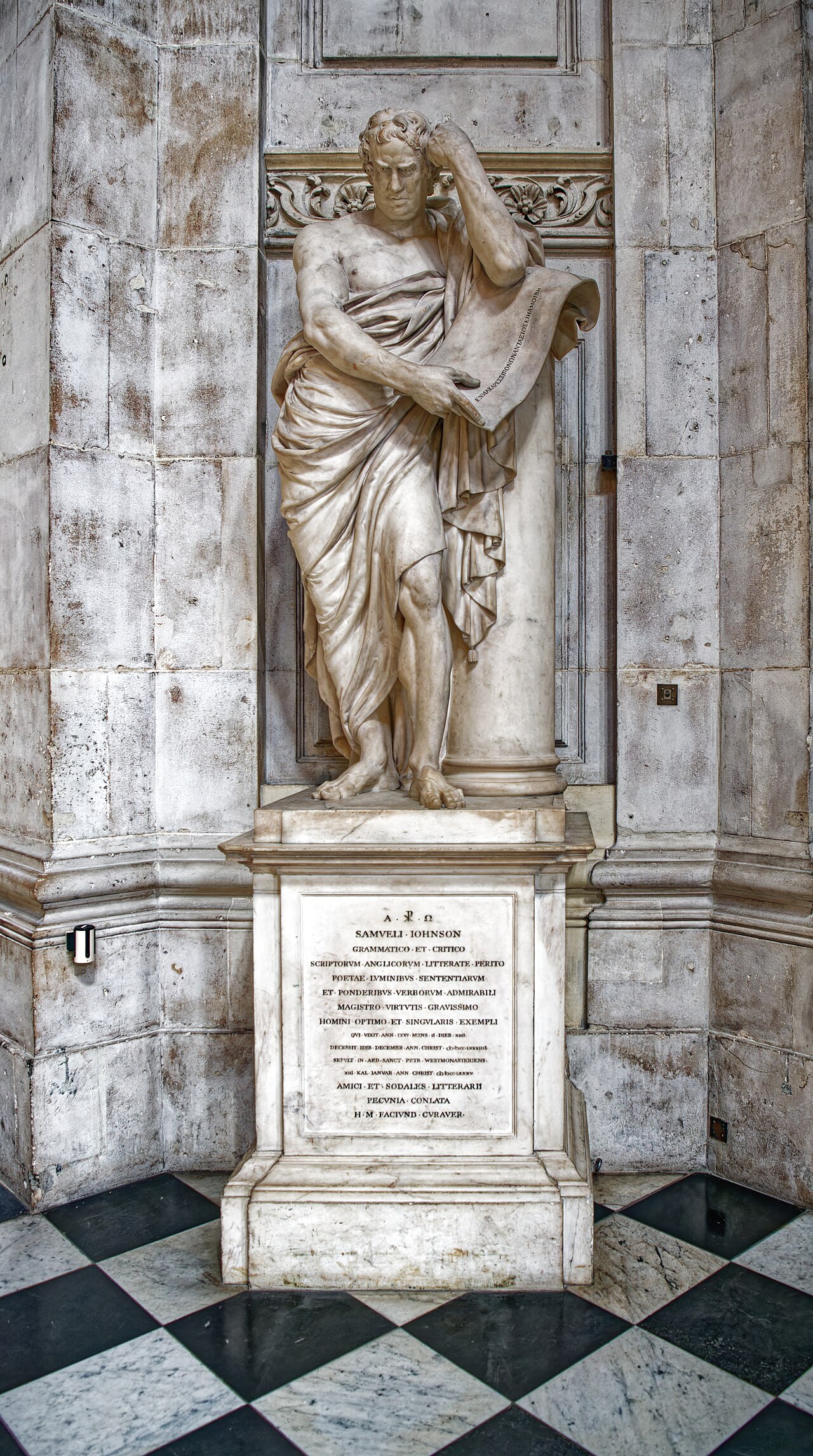 Sculpture
Secondary source
John Bacon · 1796
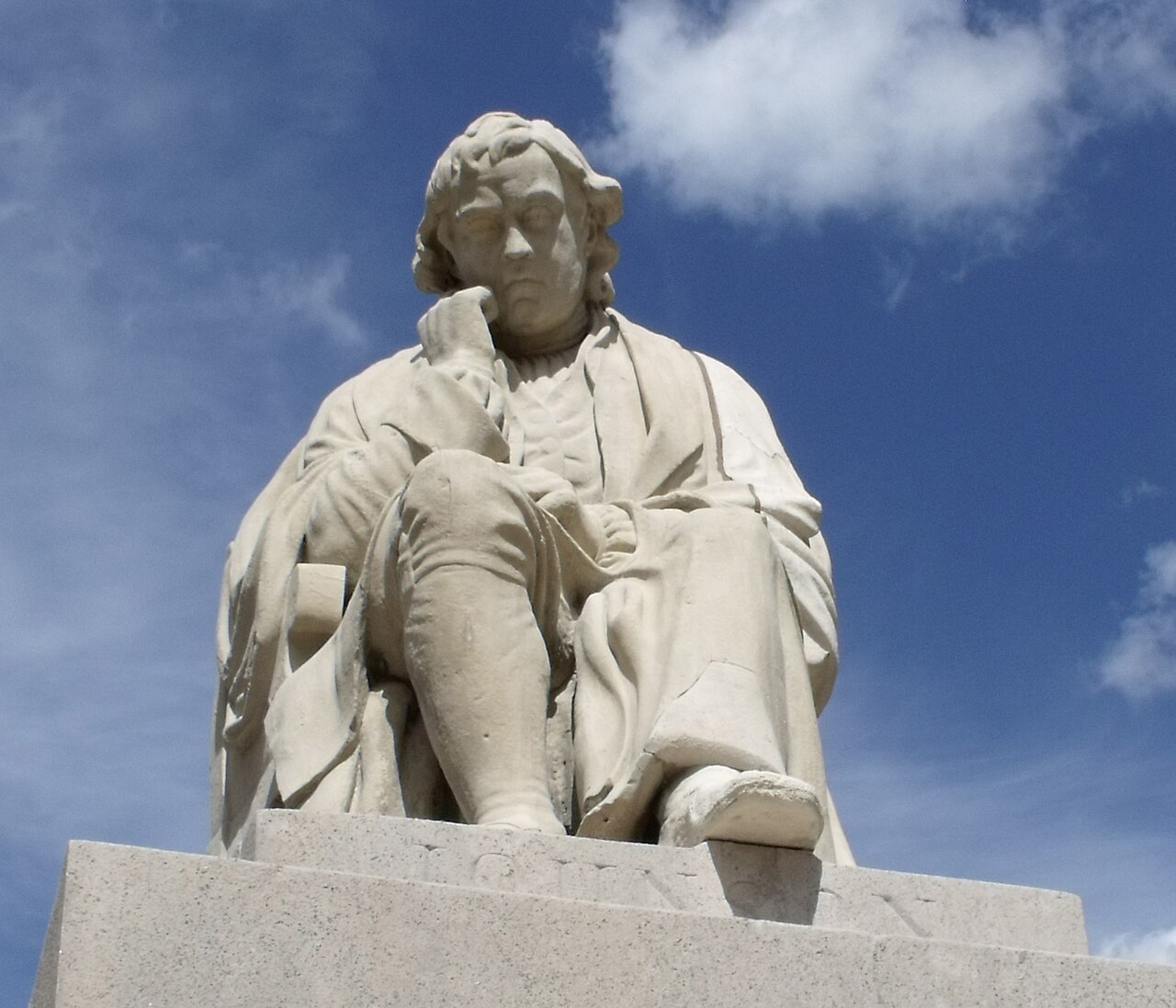 Sculpture
Secondary source
Richard Cockle Lucas · 1838
 Document
Primary source
Samuel Johnson · 1770
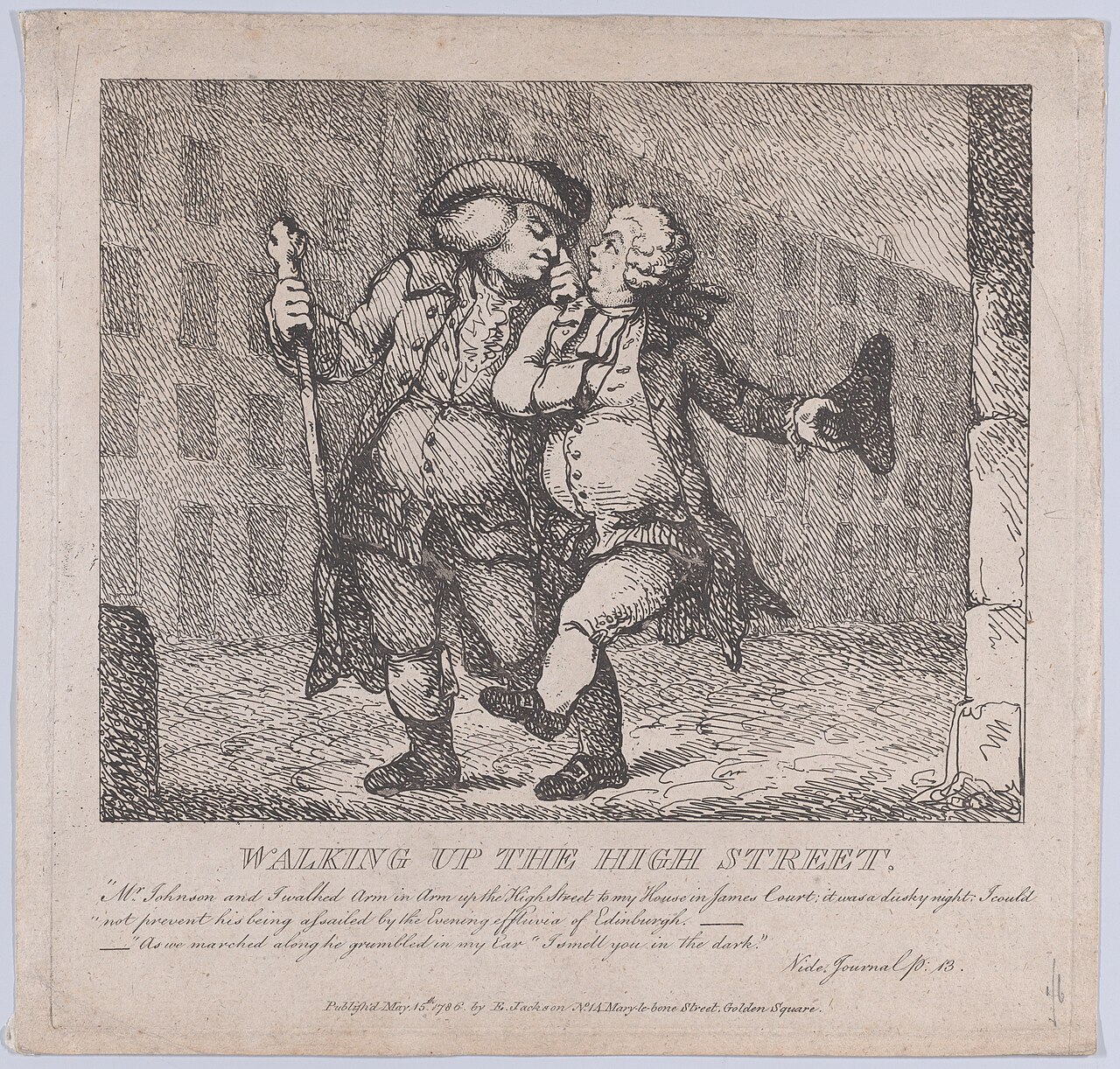 Painting
Secondary source
Thomas Rowlandson · 1786
 Book
Primary source
Samuel Johnson · 1776
Primary source
Samuel Johnson
 Book
Primary source
Samuel Johnson · 1908 edition
 Book
Primary source
Hester Lynch Piozzi · 1861
Secondary source
George Birkbeck Norman Hill · 1897
Primary source
James Boswell
Primary source
Samuel Johnson · 1775
Primary source
Samuel Johnson
Primary source
Samuel Johnson
Secondary source
Walter Raleigh · 1910
 Book
Primary source
Samuel Johnson · 1792
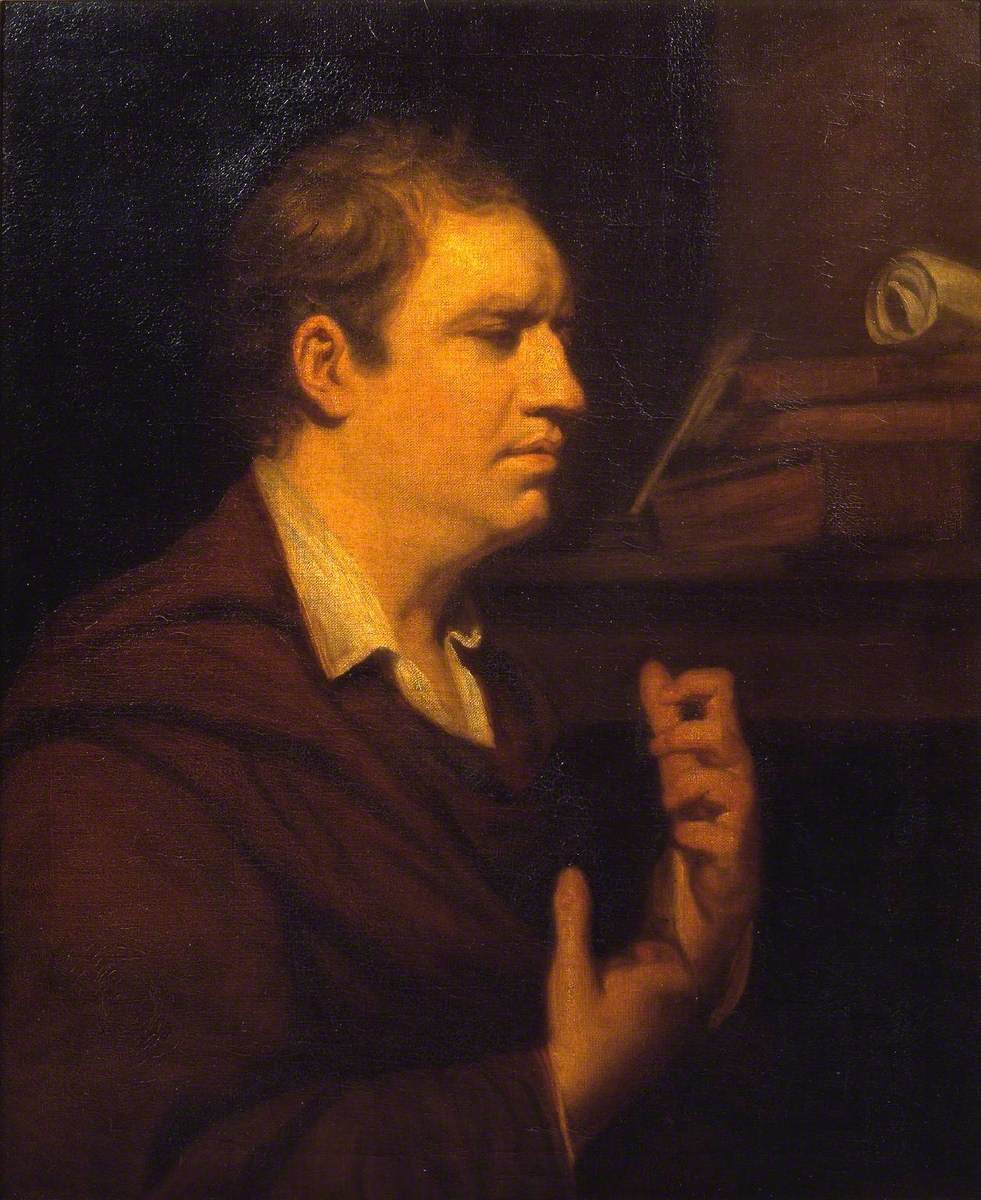 Painting
Primary source
Joshua Reynolds · 1770
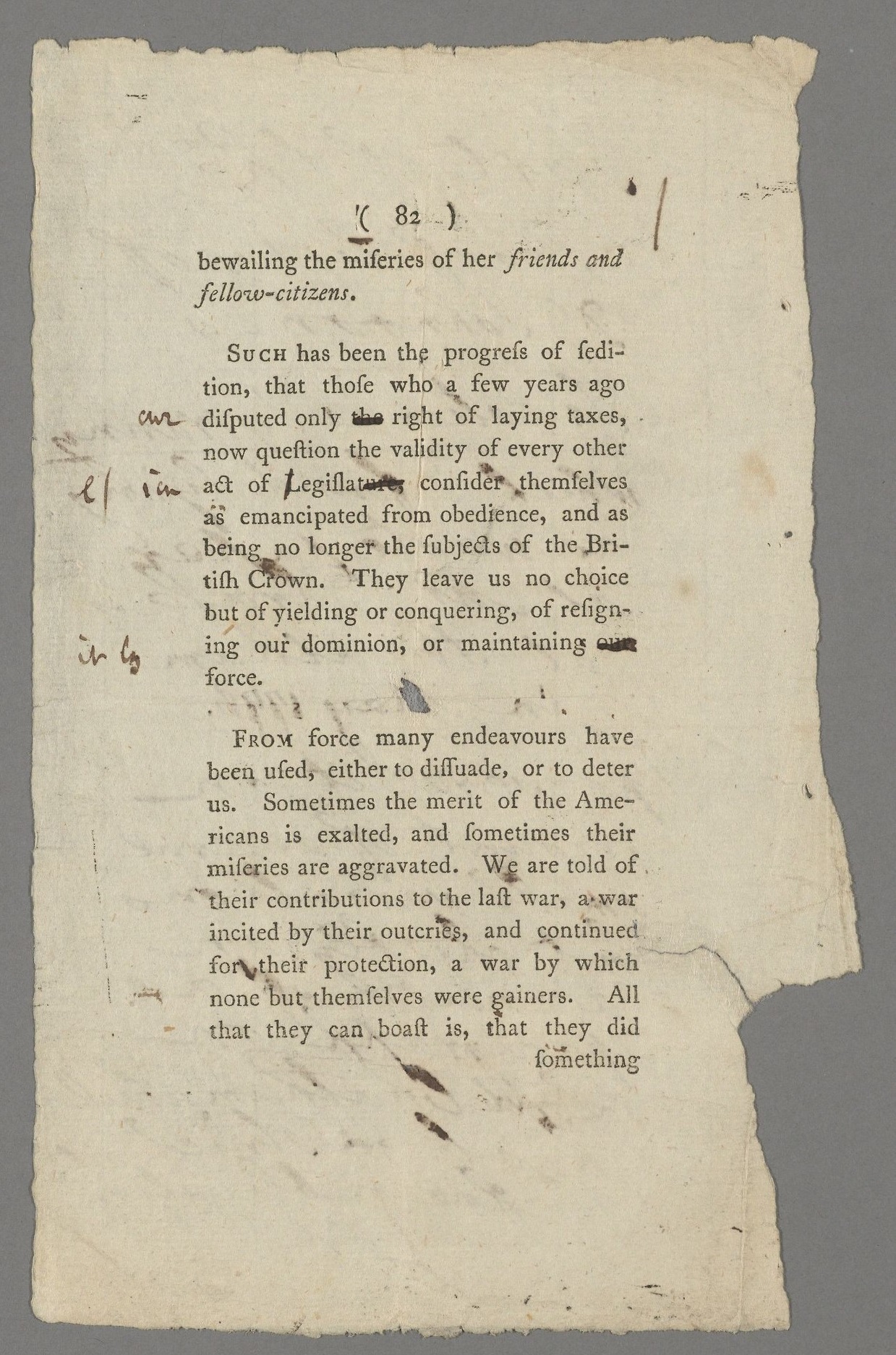 Document
Primary source
Samuel Johnson · 1775
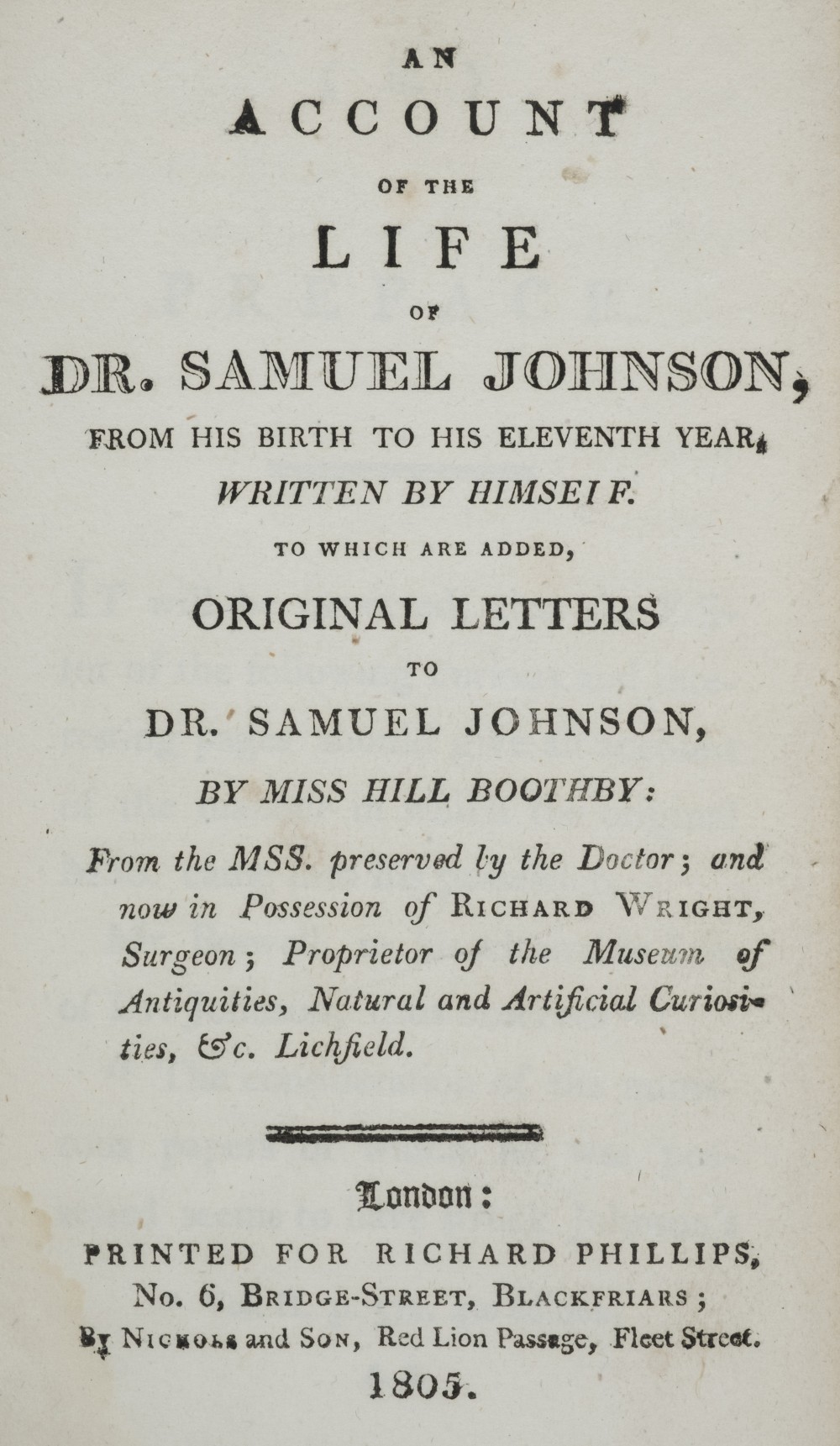 Book
Primary source
Samuel Johnson · 1805 (written earlier by Johnson)
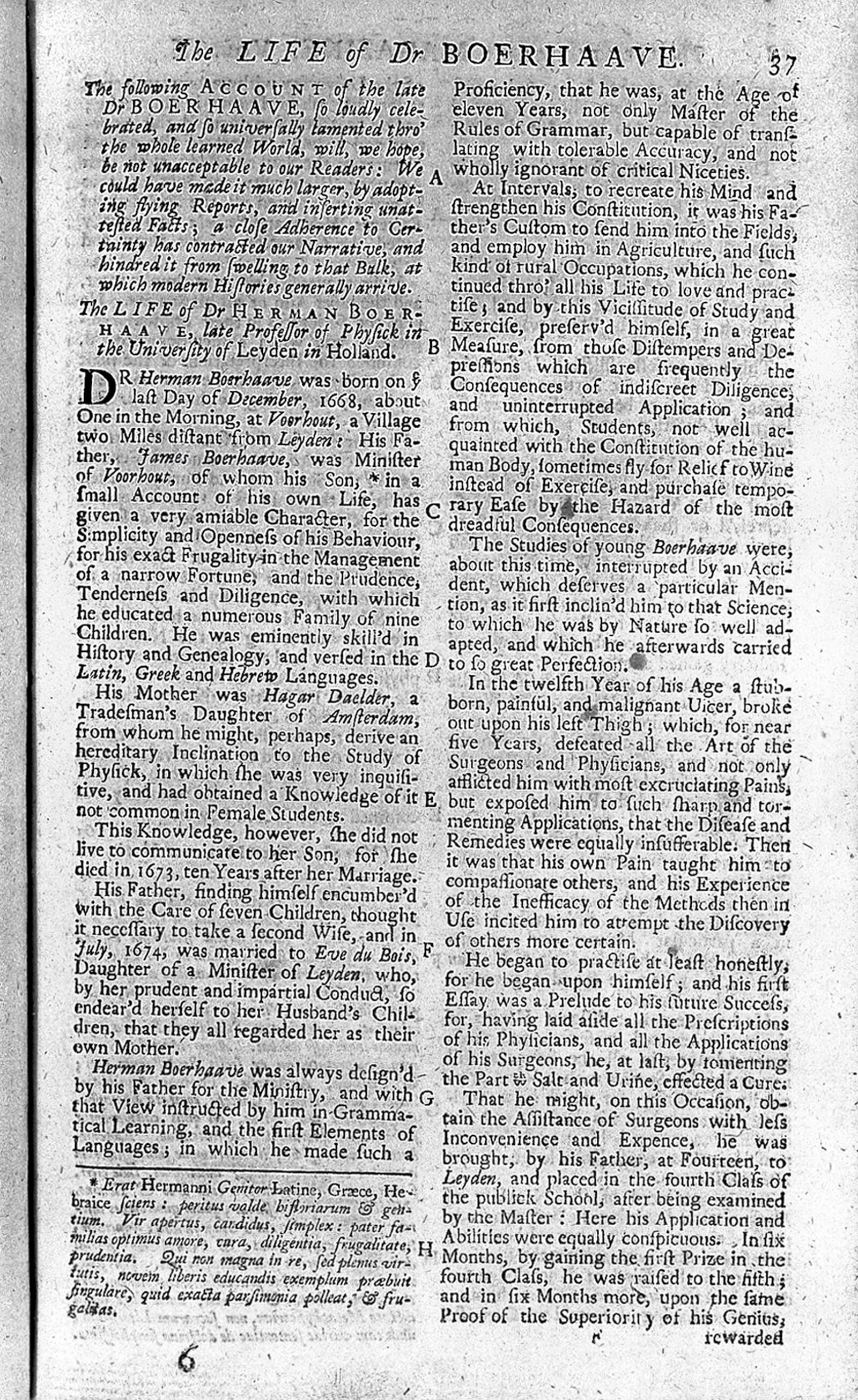 Book
Primary source
Samuel Johnson · 1739
 Book
Secondary source
William Prideaux Courtney · 1915
 Book
Secondary source
Joseph Thomas Raby · 1909
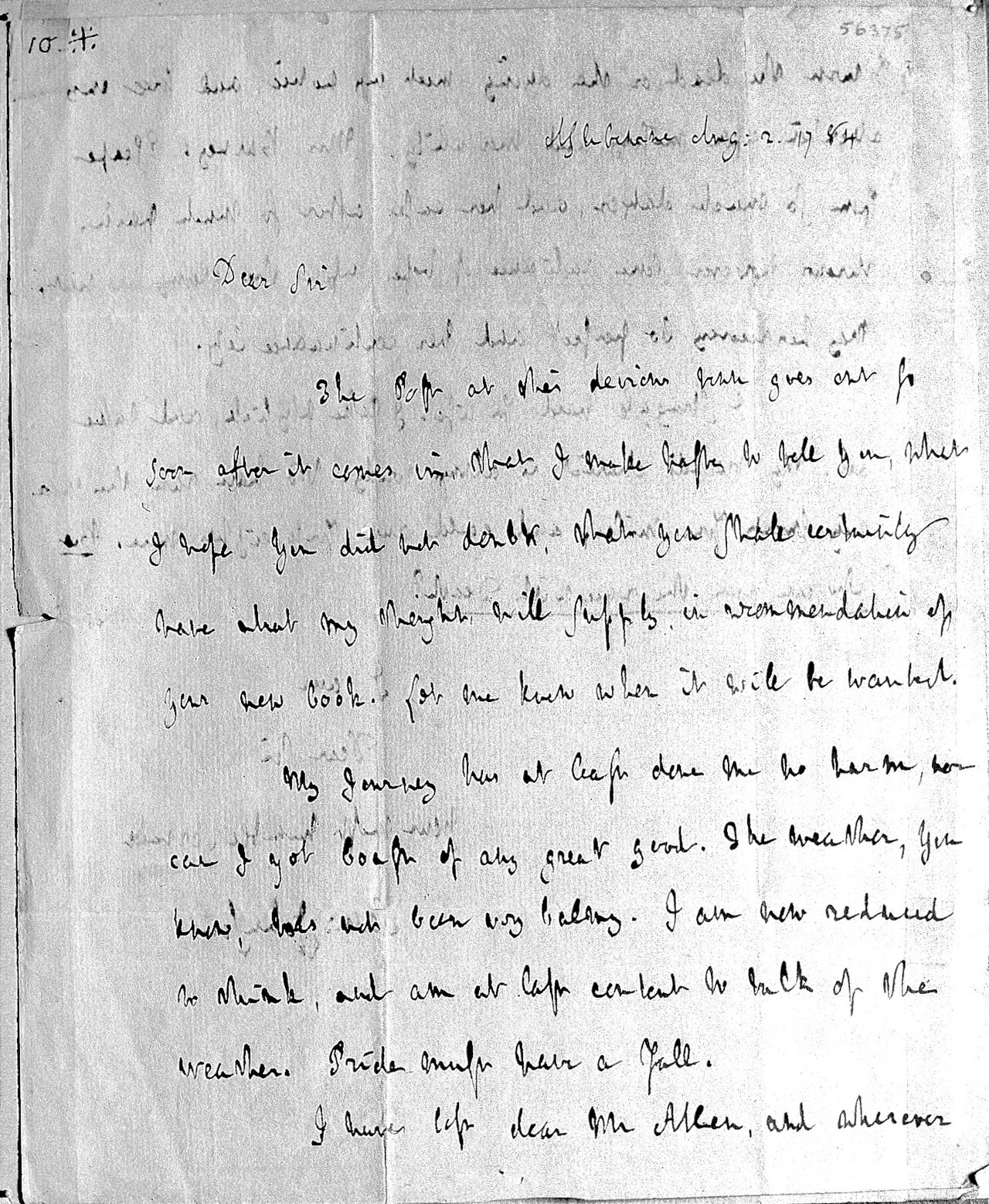 Letter
Primary source
Samuel Johnson · 2 August 1784
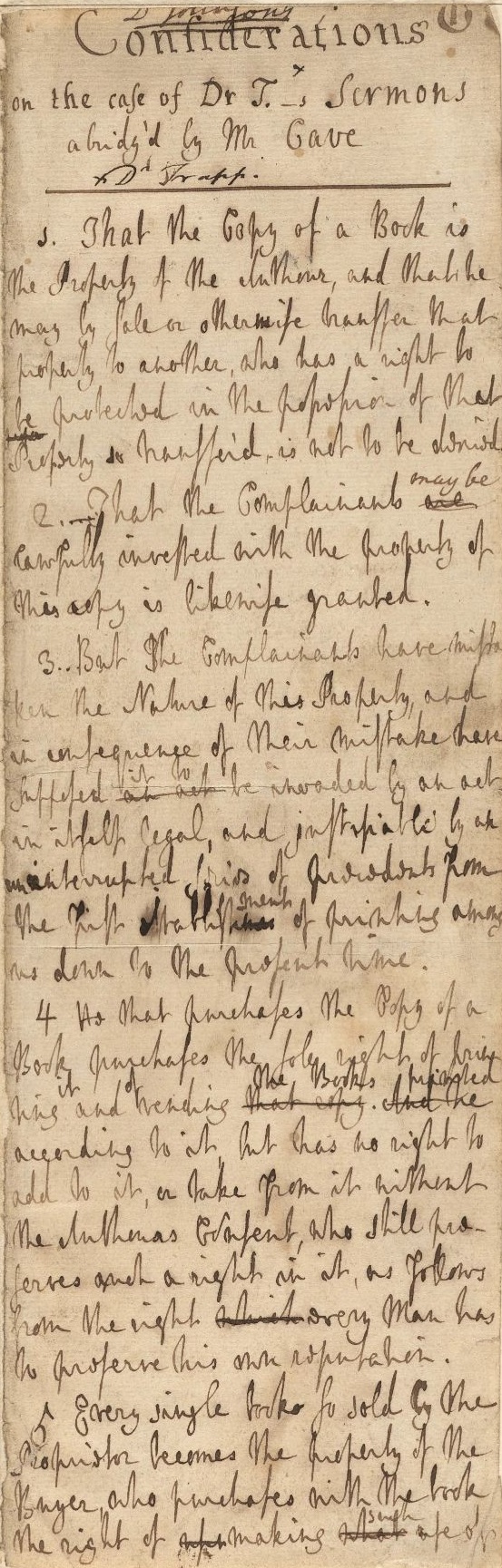 Document
Primary source
Samuel Johnson · 1738
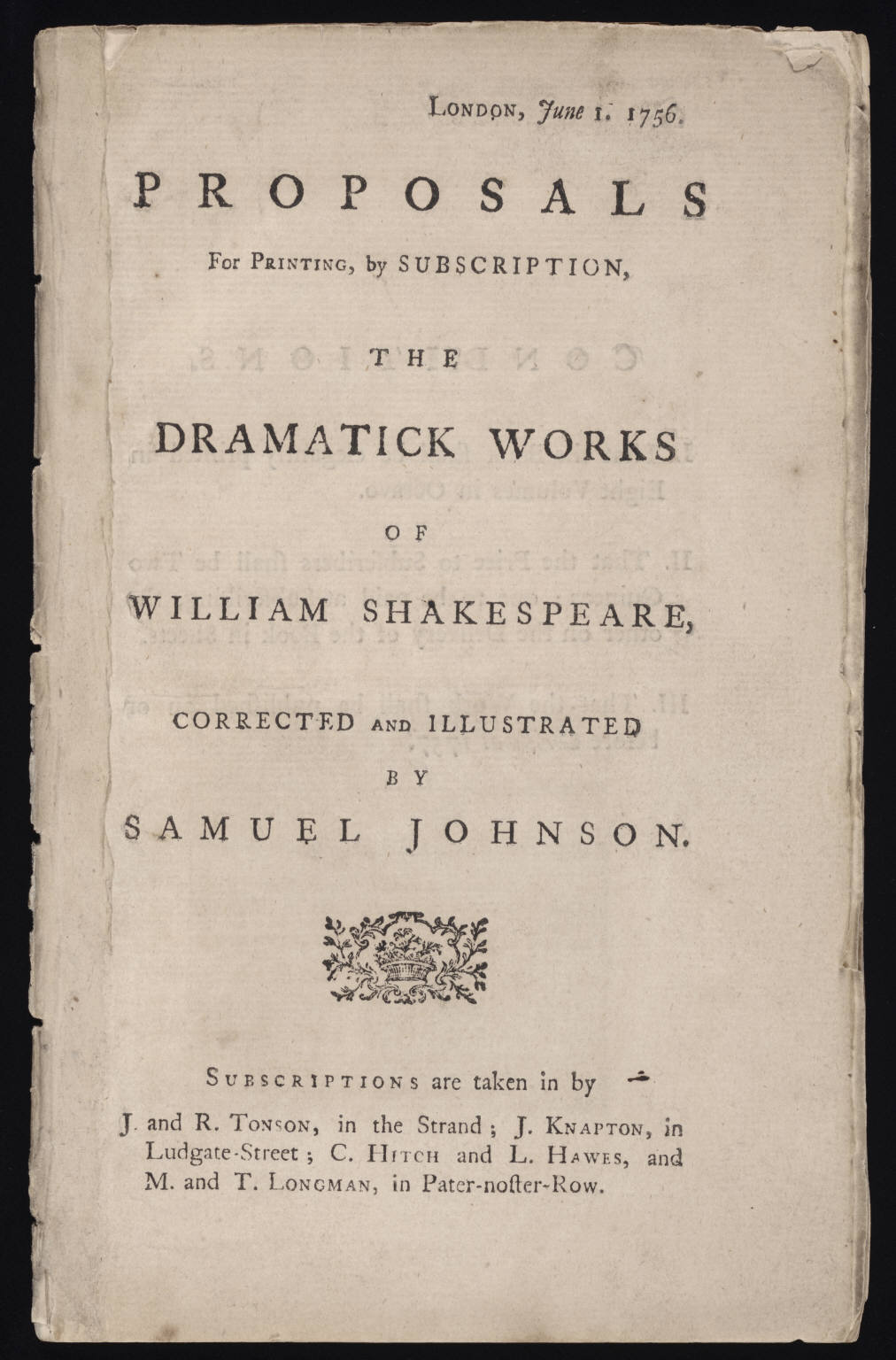 Document
Primary source
Samuel Johnson · 1 June 1756
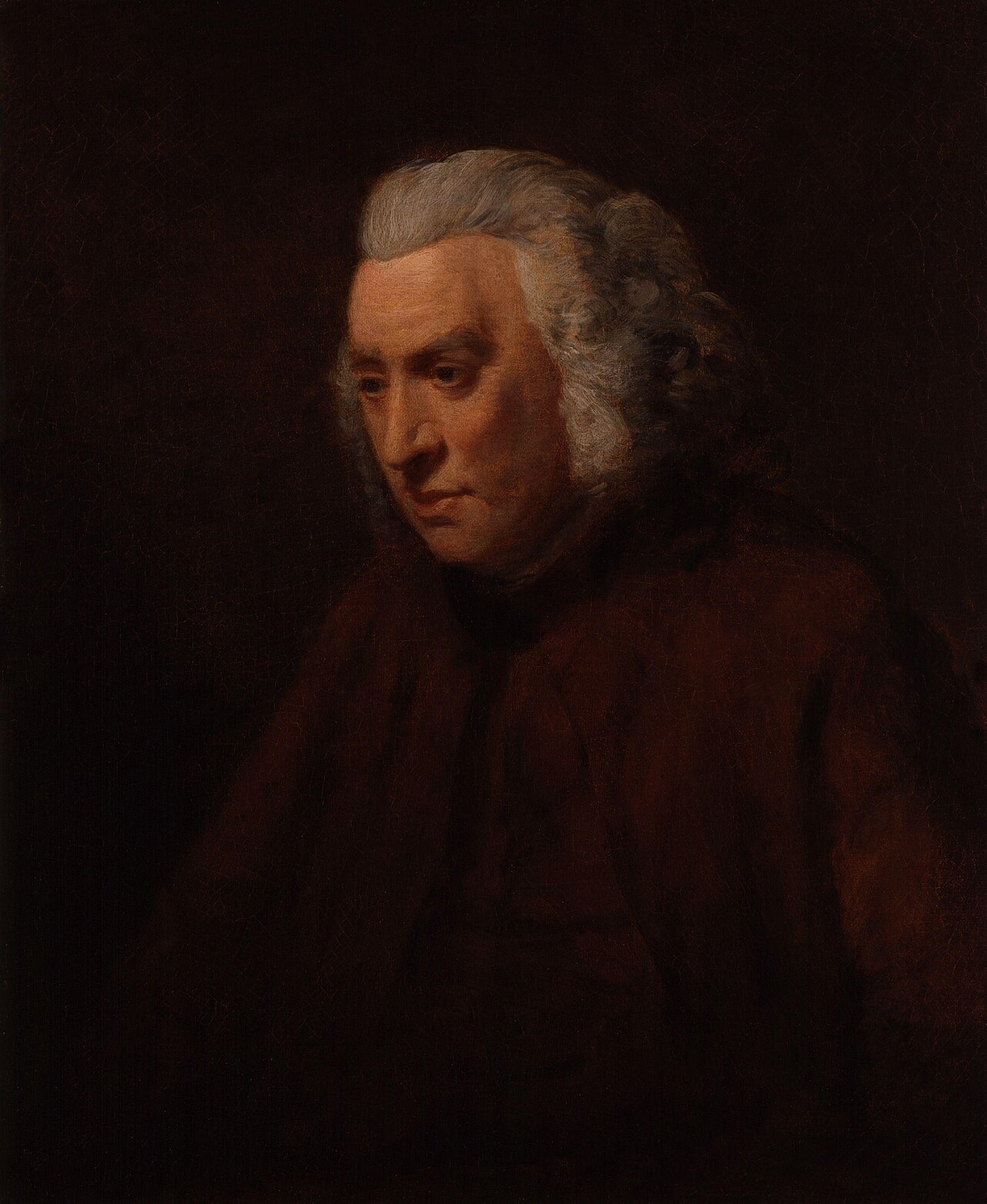 Painting
Secondary source
After John Opie · 1783-1784
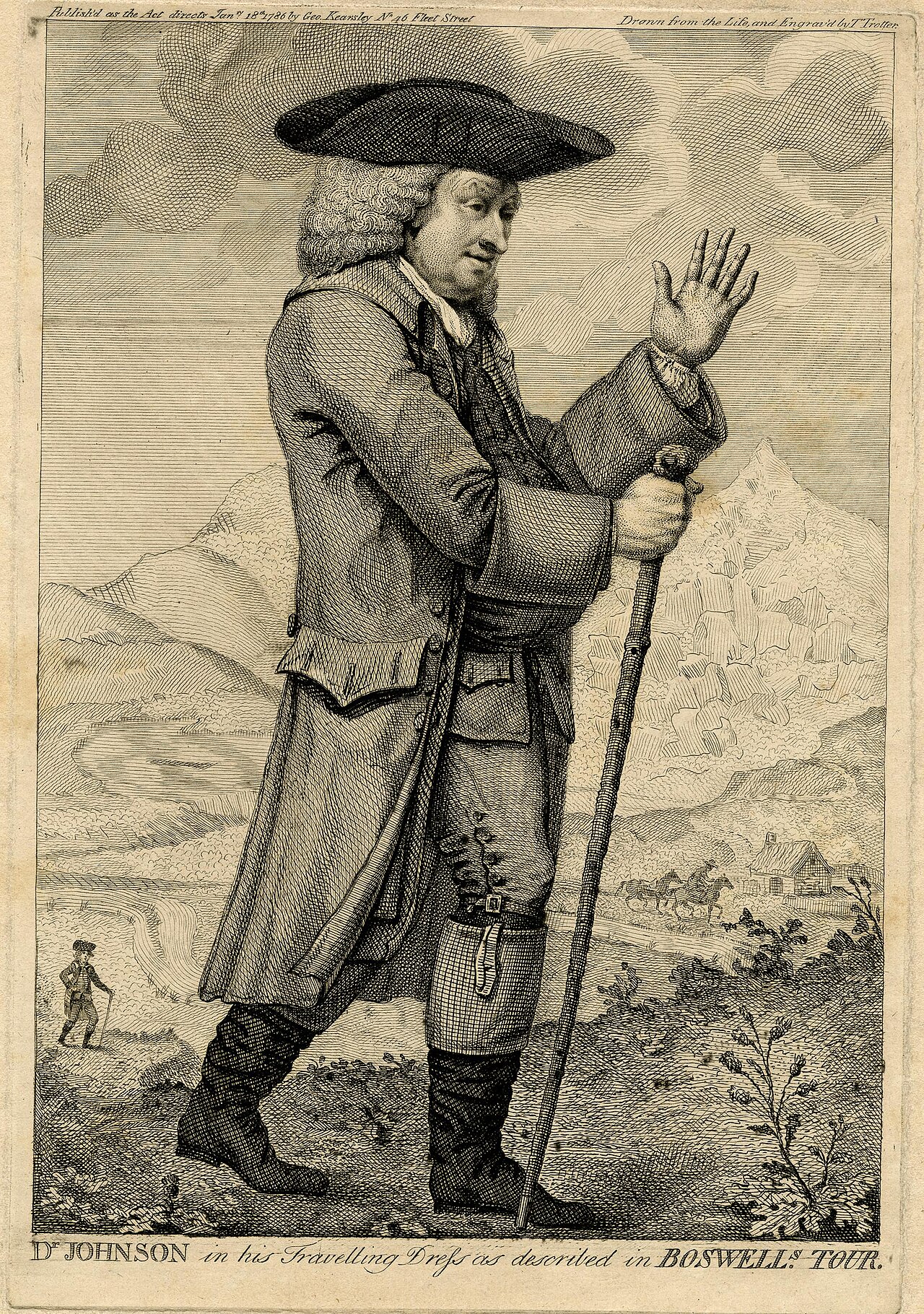 Painting
Secondary source
Thomas Trotter · 1786
Primary source
Samuel Johnson · 1769
Primary source
Samuel Johnson · 1776
Primary source
Samuel Johnson · 1774
Primary source
Samuel Johnson · 1741
Primary source
Samuel Johnson
Primary source
Samuel Johnson · c. 1779
Primary source
Jerónimo Lobo; translated by Samuel Johnson · 1735
Secondary source
Rev. George Gilfillan · 1855
Primary source
James Thomson Callender · 1782
Secondary source
Leslie Stephen · 1878
 Book
Secondary source
Walter Raleigh · 1907
Secondary source
Thomas Babington Macaulay · 1881
Secondary source
Leslie Stephen · 1898
Secondary source
Richard Claverhouse Jebb · 1907
Secondary source
George Birkbeck Norman Hill · 1890
Secondary source
John Cann Bailey · 1913
Secondary source
Thomas Babington Macaulay · 1903
Secondary source
S. C. Roberts · 1919
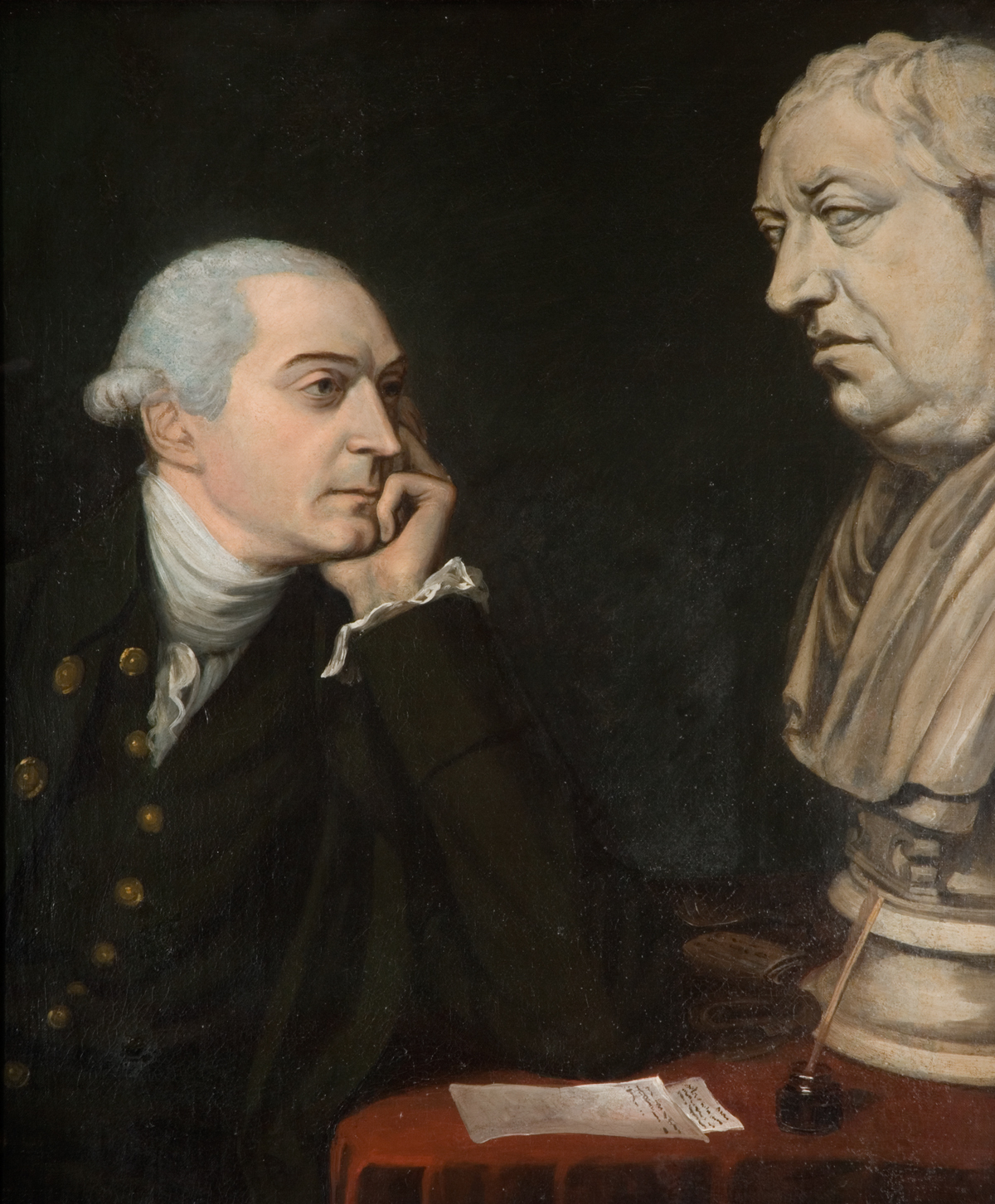 Painting
Primary source
Johann Zoffany (attributed) · circa 1785
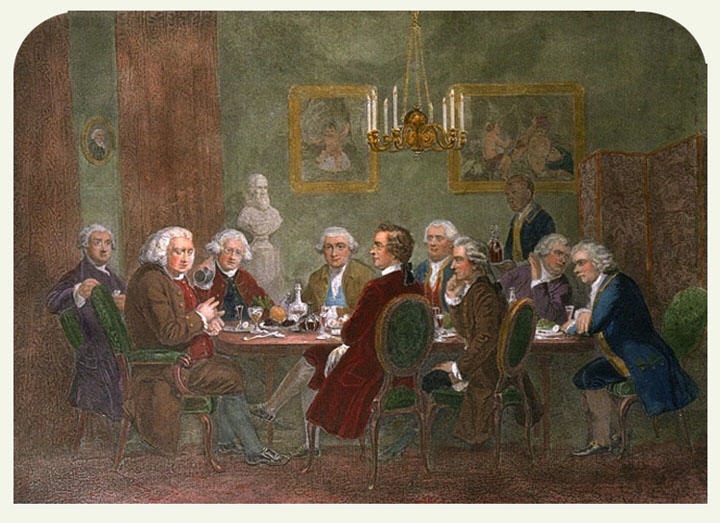 Painting
Secondary source
D. George Thompson (engraver), after James William Edmund Doyle · 1851
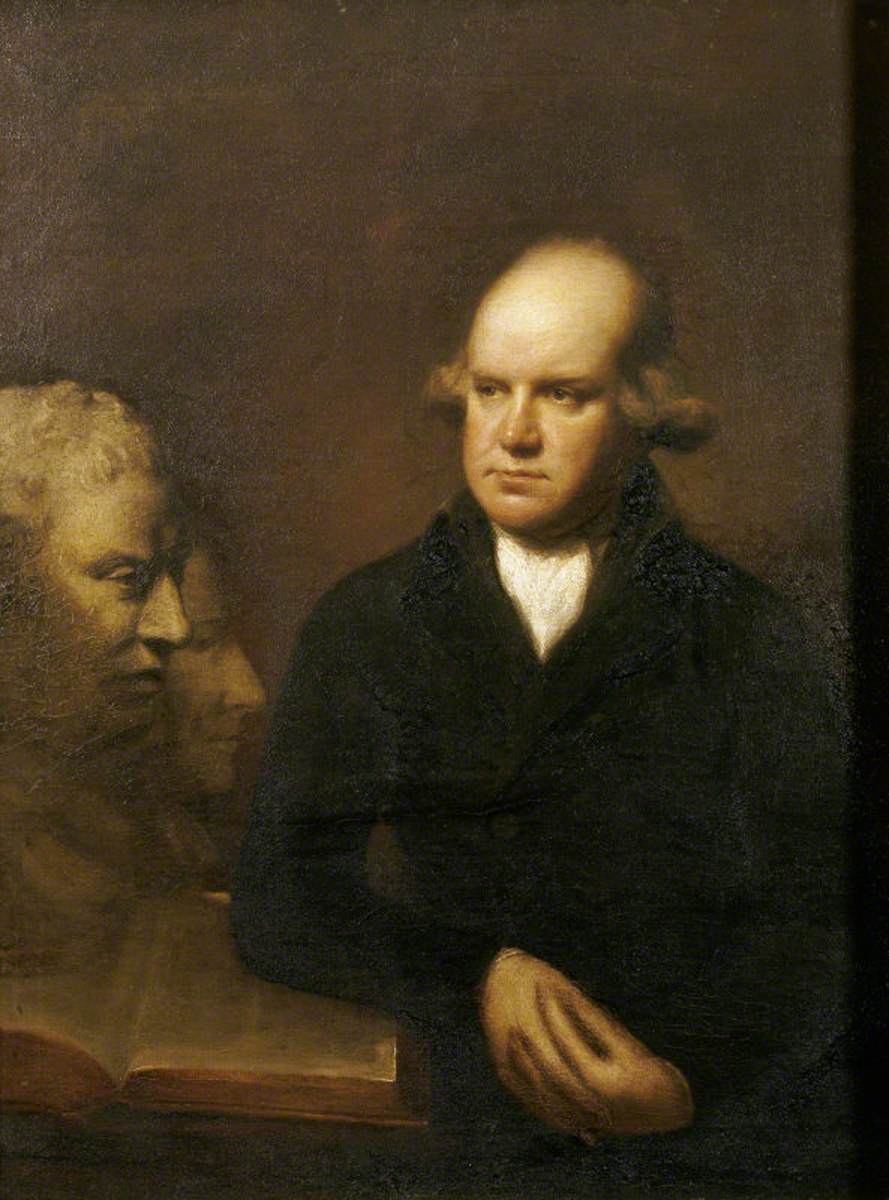 Painting
Primary source
Lemuel Francis Abbott · between circa 1786 and circa 1803
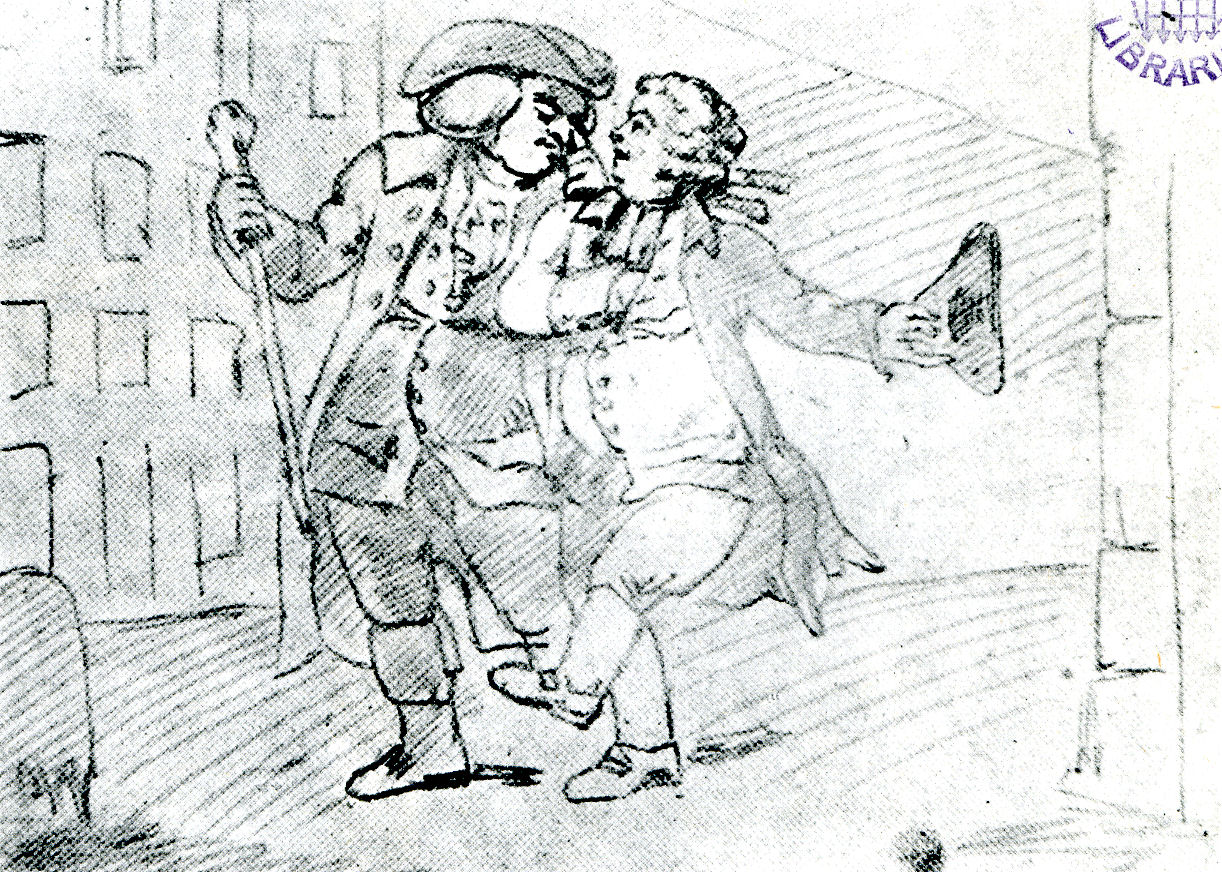 Painting
Primary source
S. Collings · c. 1786
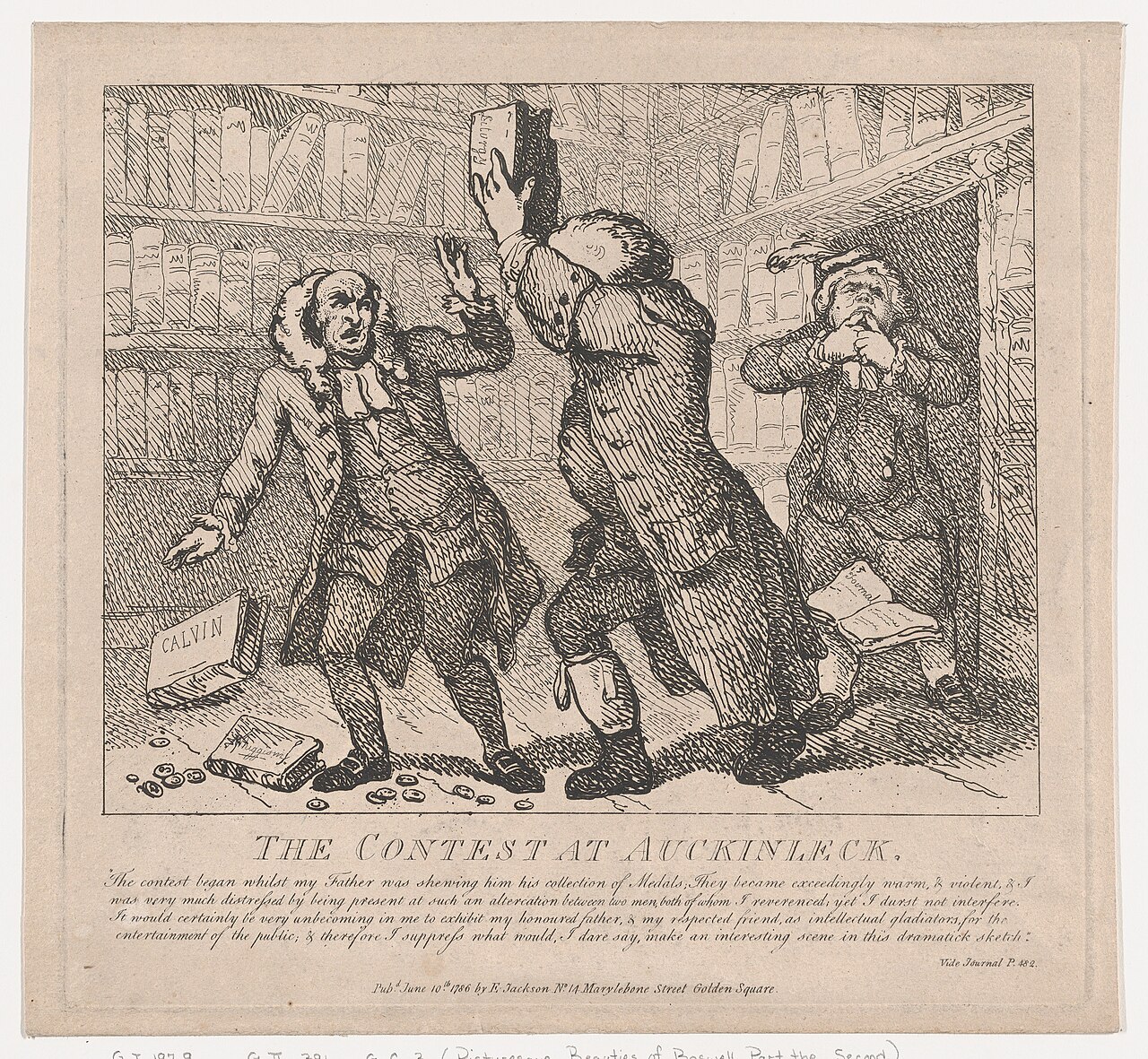 Painting
Primary source
Samuel Collings · 10 June 1786
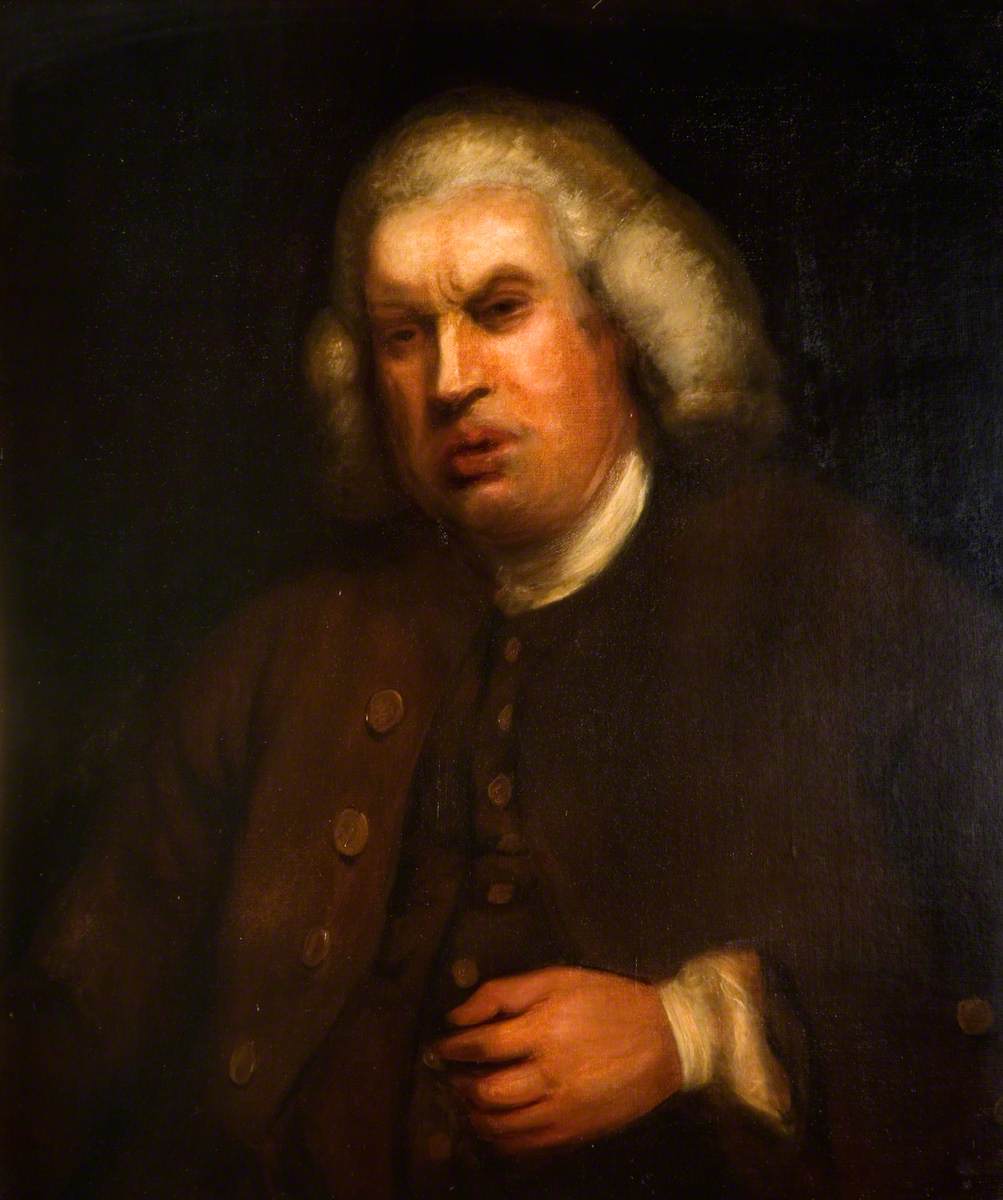 Painting
Primary source
Joshua Reynolds
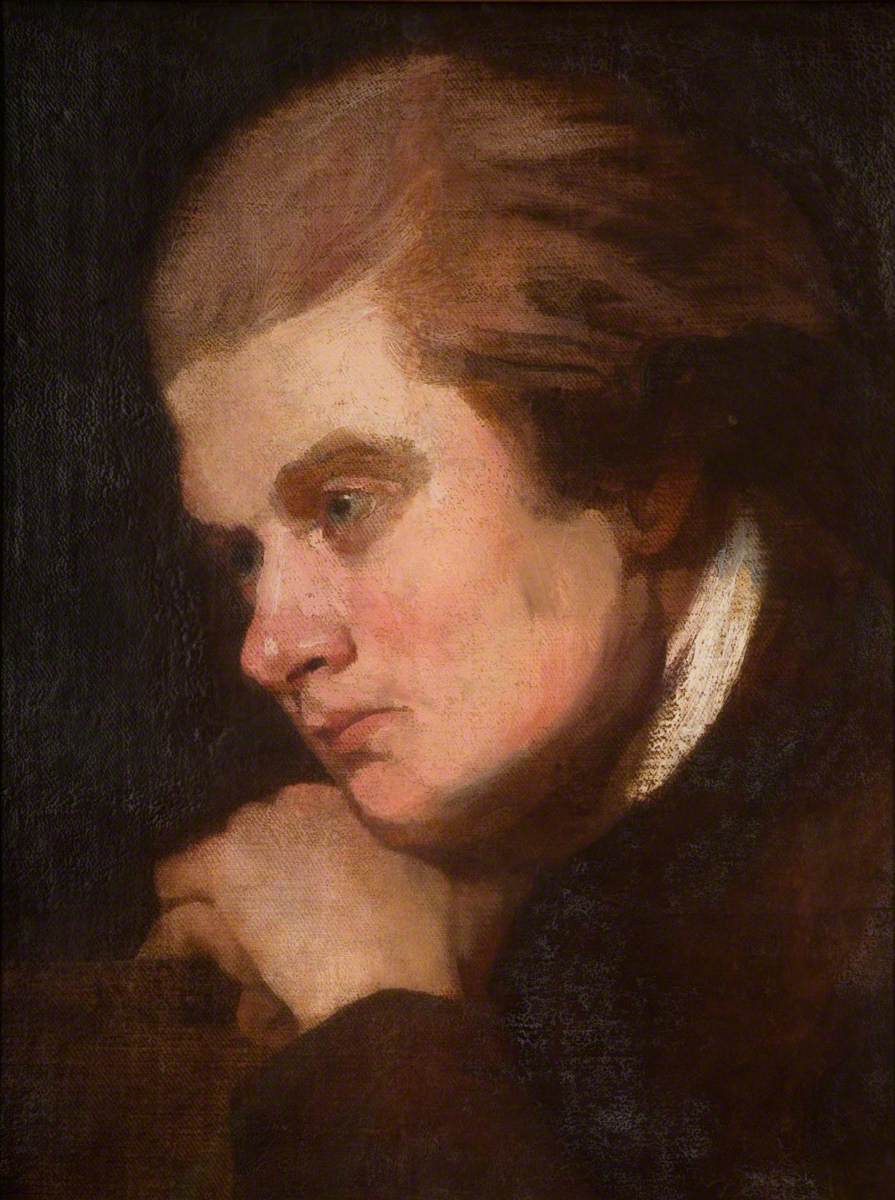 Painting
Primary source
Joshua Reynolds
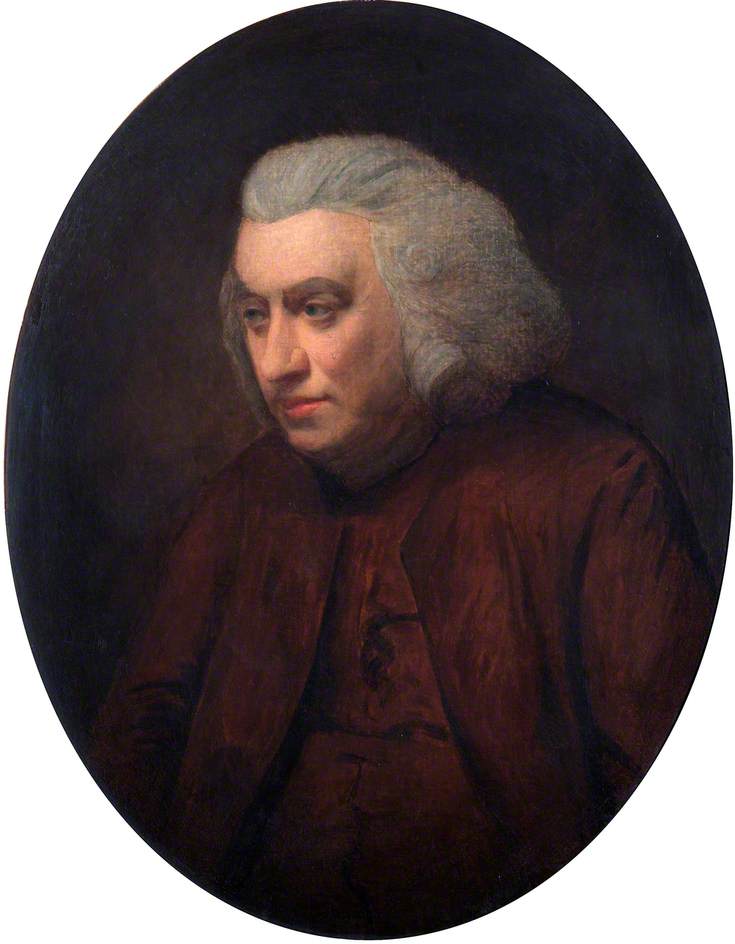 Painting
Primary source
John Opie
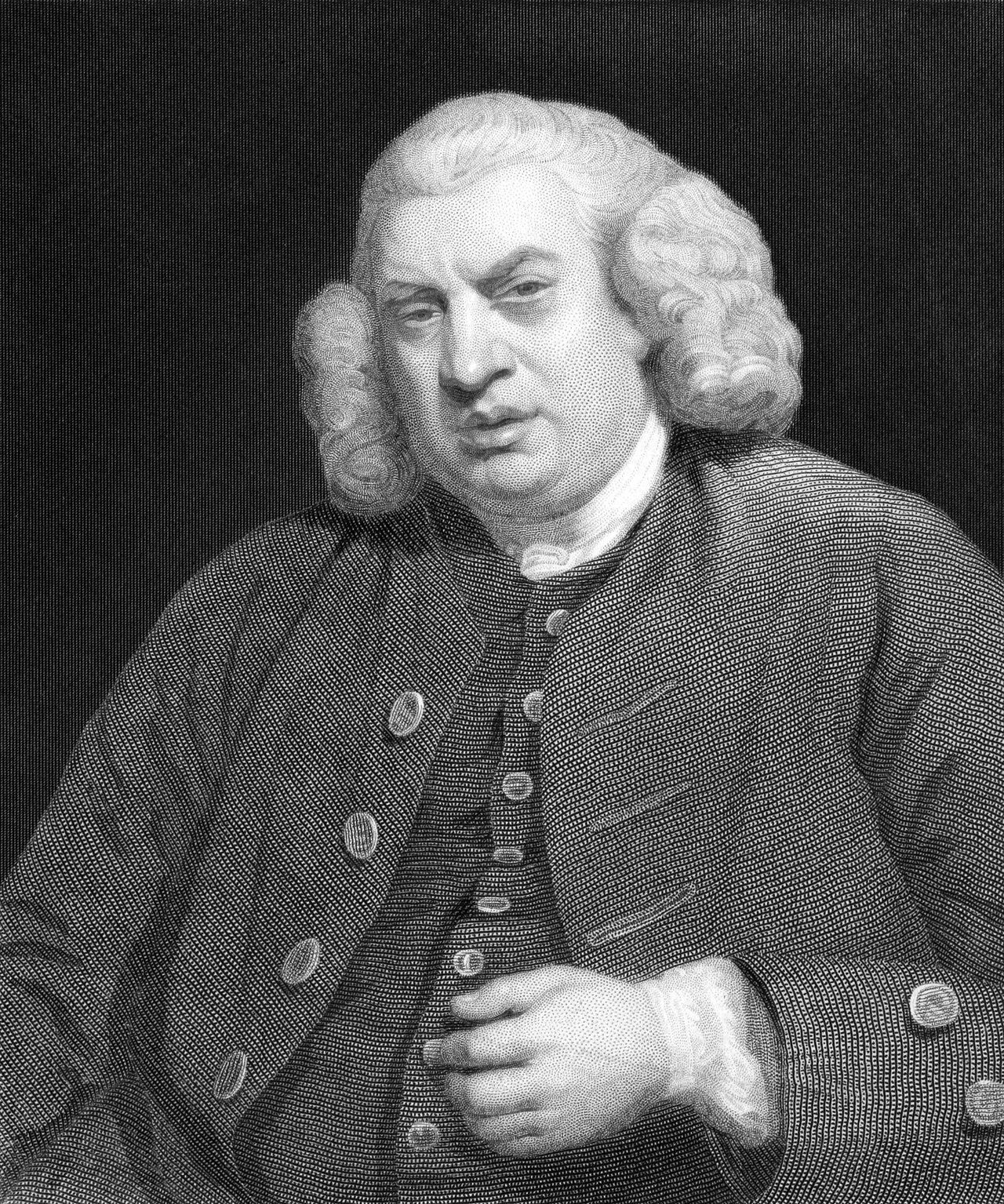 Painting
Secondary source
William Holl · 1833
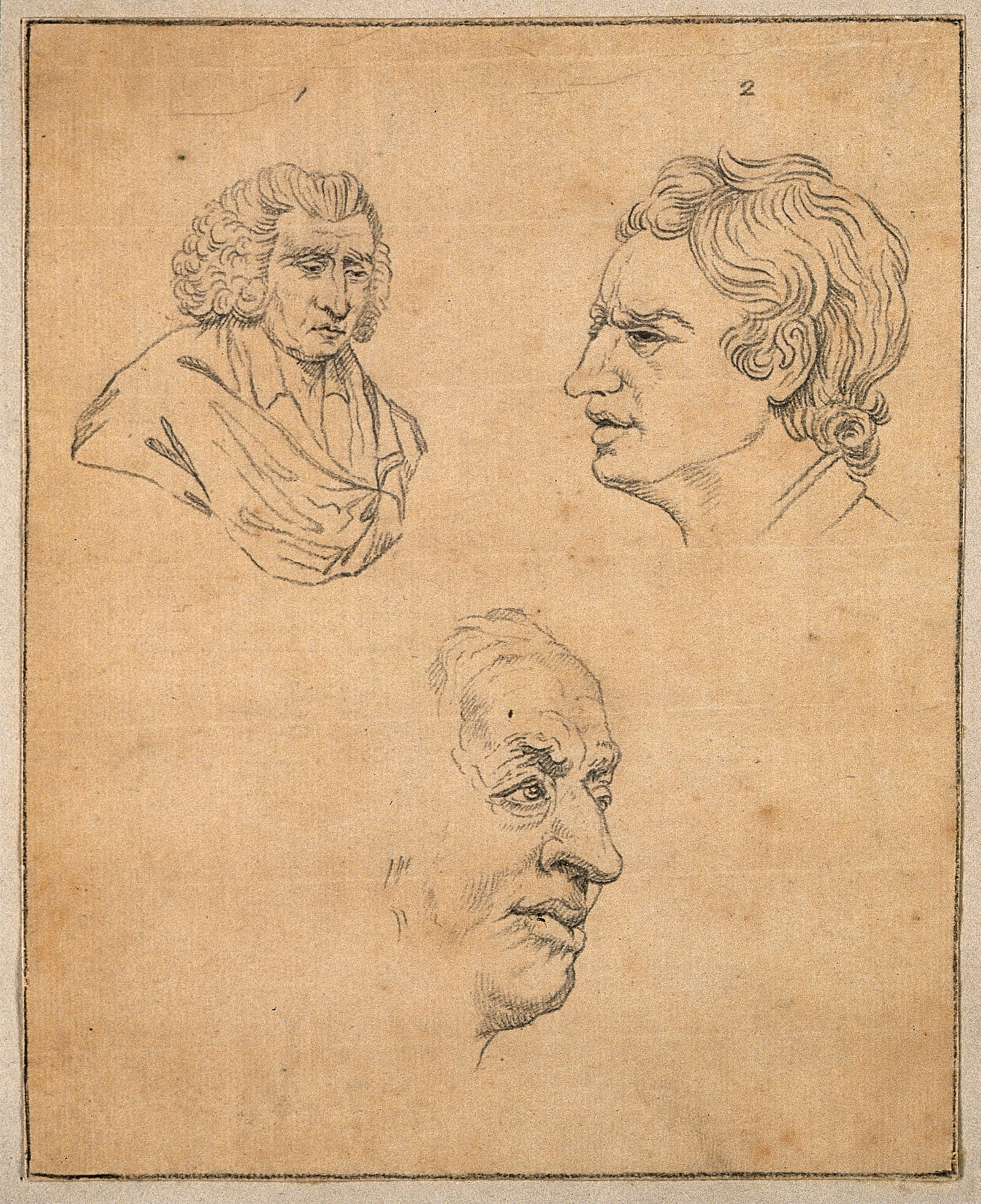 Painting
Secondary source
Johann Kaspar Lavater · c. 1789
Want the full shelf? Chat with Samuel Johnson in the app and open the Sources panel — every quote links back to the original.
1 collection
A ready-made collection from the Humy team that features Samuel Johnson. Preview it, then try it free.
Paying customers



























Dr. Michael Calvert
Assistant Superintendent, South Allegheny School District, Pennsylvania
Been using Humy in his district since 2024
“We enjoyed the program last year and used it frequently.”

Jacob Chisom
World and American History, Monticello High School, Arkansas
Been using Humy in his classroom since 2024
“My students say it’s a welcome change of pace. I’m not a fan of the “sage on the stage” model, so I try to incorporate research-oriented and self-paced activities. With Humy, students have to take charge of their learning. They’ve become more adept at critical thinking, forming better questions, and improving their reading comprehension. The interview feature has been my go-to tool. I create assignments where students must ask historical figures a set number of questions, then summarize the responses to ensure they’re truly absorbing the material. This approach lets them actively explore the past rather than passively consuming information.”
Roger Campbell
7th-grade World History, Lancaster County, Pennsylvania
Been using Humy in his classroom since 2024
“Humy has helped me bring historical figures, sometimes long past, to life. When my students interact with these figures in real-time, it eliminates some of the perceived “ancient” characteristics of my curriculum. This has shifted my students’ thinking away from viewing history as abstract or irrelevant. Real-time interactions make historical figures relatable, even allowing students to ask off-topic questions that help put historical lives in a more relevant context for 13-year-olds. The feature I use the most is the interview feature. After teaching a topic, most recently Gandhi and Joan of Arc, I have the students ask pointed, focused questions. We practice good conversation techniques beforehand, teaching them to listen (or read) carefully and formulate thoughtful follow-up questions rather than just interrogating. It helps students practice effective conversation skills.”
Dr. Michael Calvert
Assistant Superintendent, South Allegheny School District, Pennsylvania
Been using Humy in his district since 2024
“We enjoyed the program last year and used it frequently.”
Jacob Chisom
World and American History, Monticello High School, Arkansas
Been using Humy in his classroom since 2024
“My students say it’s a welcome change of pace. I’m not a fan of the “sage on the stage” model, so I try to incorporate research-oriented and self-paced activities. With Humy, students have to take charge of their learning. They’ve become more adept at critical thinking, forming better questions, and improving their reading comprehension. The interview feature has been my go-to tool. I create assignments where students must ask historical figures a set number of questions, then summarize the responses to ensure they’re truly absorbing the material. This approach lets them actively explore the past rather than passively consuming information.”
Roger Campbell
7th-grade World History, Lancaster County, Pennsylvania
Been using Humy in his classroom since 2024
“Humy has helped me bring historical figures, sometimes long past, to life. When my students interact with these figures in real-time, it eliminates some of the perceived “ancient” characteristics of my curriculum. This has shifted my students’ thinking away from viewing history as abstract or irrelevant. Real-time interactions make historical figures relatable, even allowing students to ask off-topic questions that help put historical lives in a more relevant context for 13-year-olds. The feature I use the most is the interview feature. After teaching a topic, most recently Gandhi and Joan of Arc, I have the students ask pointed, focused questions. We practice good conversation techniques beforehand, teaching them to listen (or read) carefully and formulate thoughtful follow-up questions rather than just interrogating. It helps students practice effective conversation skills.”
FAQ
Like any LLM, the AI version of Samuel Johnson can get details wrong. Open one of these sources in a new tab to verify what you’ve read.

Economist and author of "The Wealth of Nations"

Scottish philosopher and historian of the 18th century.

Philosopher and writer known for his ideas on social contract theory and education.

German philosopher associated with German idealism.

German poet, philosopher, and literary critic associated with the Romantic movement.

Political philosopher known for his work on social contract theory and the concept of the "state of nature.
Ready when you are
20 messages free · No credit card · Available in 50+ languages.