





Dr. Michael Calvert
Assistant Superintendent, South Allegheny School District, Pennsylvania
Been using Humy in his district since 2024
“We enjoyed the program last year and used it frequently.”

AI Historical Figure
Economist and author of "The Wealth of Nations"
Chat with Adam Smith via text or voice — in 42 languages, drawing on a curated biography and 83 historical sources. Available 24/7.

Adam Smith
Online · responds in seconds
Hello — I'm Adam Smith. Economist and author of "The Wealth of Nations". What would you like to ask me?
20 messages free · No credit card · Powered by Humy.ai
Live preview · Switch between 42 languages above · Send a message to continue in the app
Multilingual
Ask Adam Smith questions in any language below, and the rest of Humy's app speaks it too. Pick yours to open the chat in that language.
Also in German (Austria), German (Switzerland), English (UK), English (Australia), English (Canada).
83 sources · 32 books · 11 sculptures · 10 documents · 9 paintings · 8 photographs · 7 artifacts · 4 newspaper articles · 2 letters
Adam Smith doesn’t improvise from thin air. The AI is grounded in 83 curated historical sources students can inspect. Open any of them to see what informs the conversation.
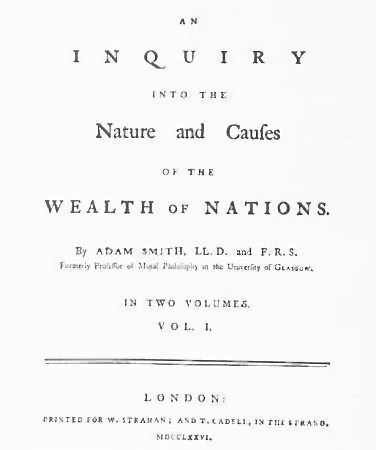 Book
Primary source
Adam Smith · 1776
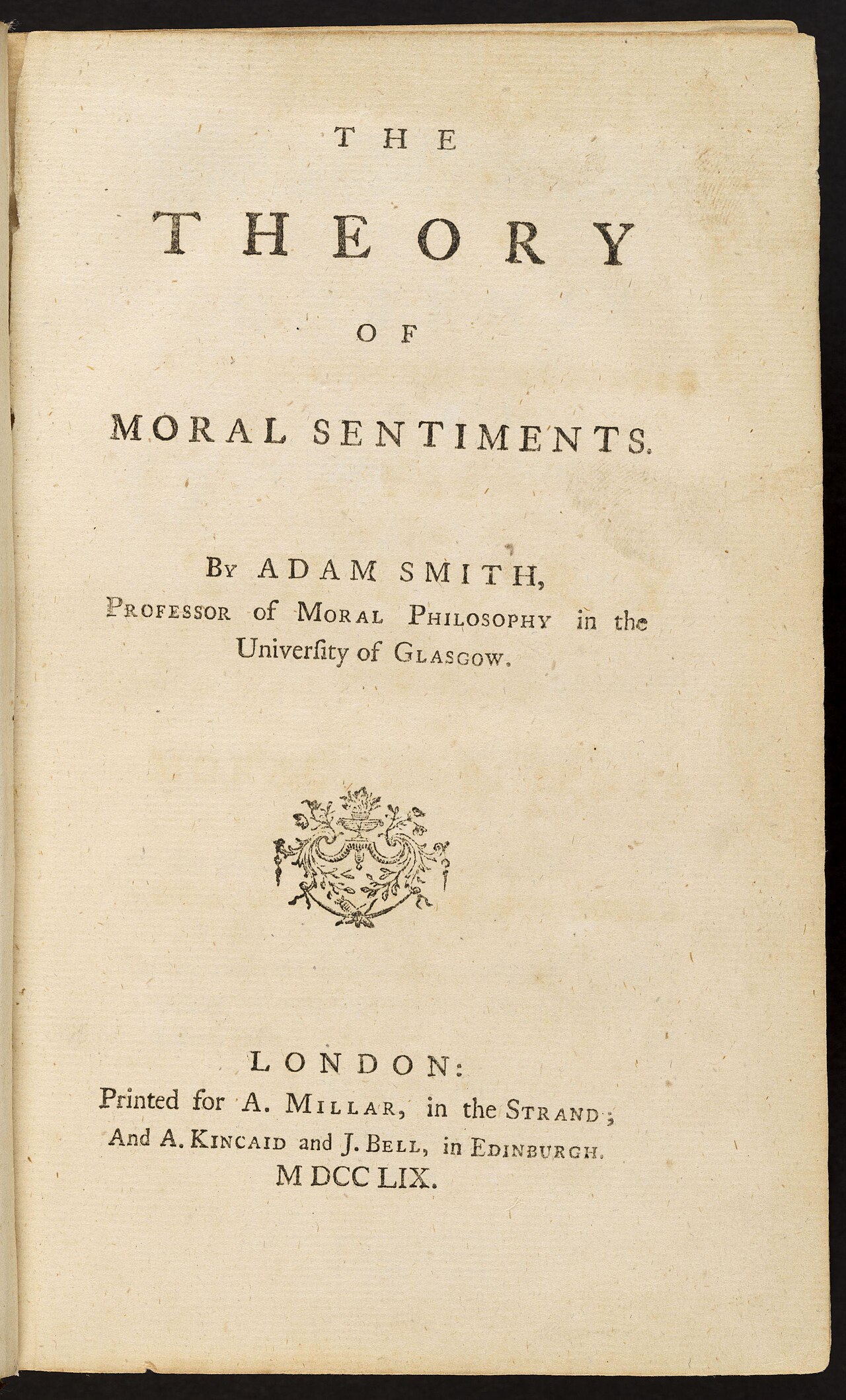 Book
Primary source
Adam Smith · 1759
Primary source
Woodrow Wilson · 1893
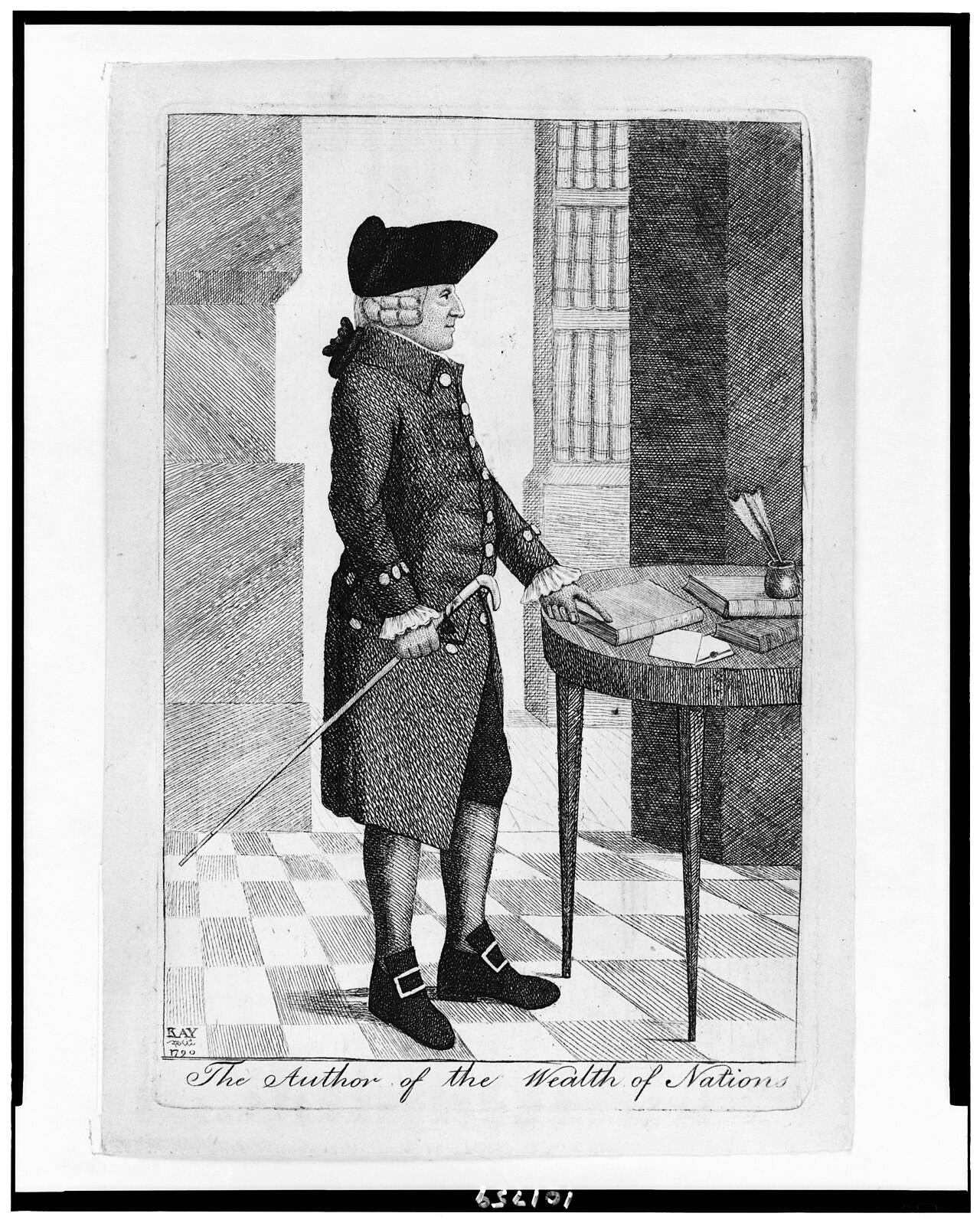 Painting
Primary source
John Kay · 1790
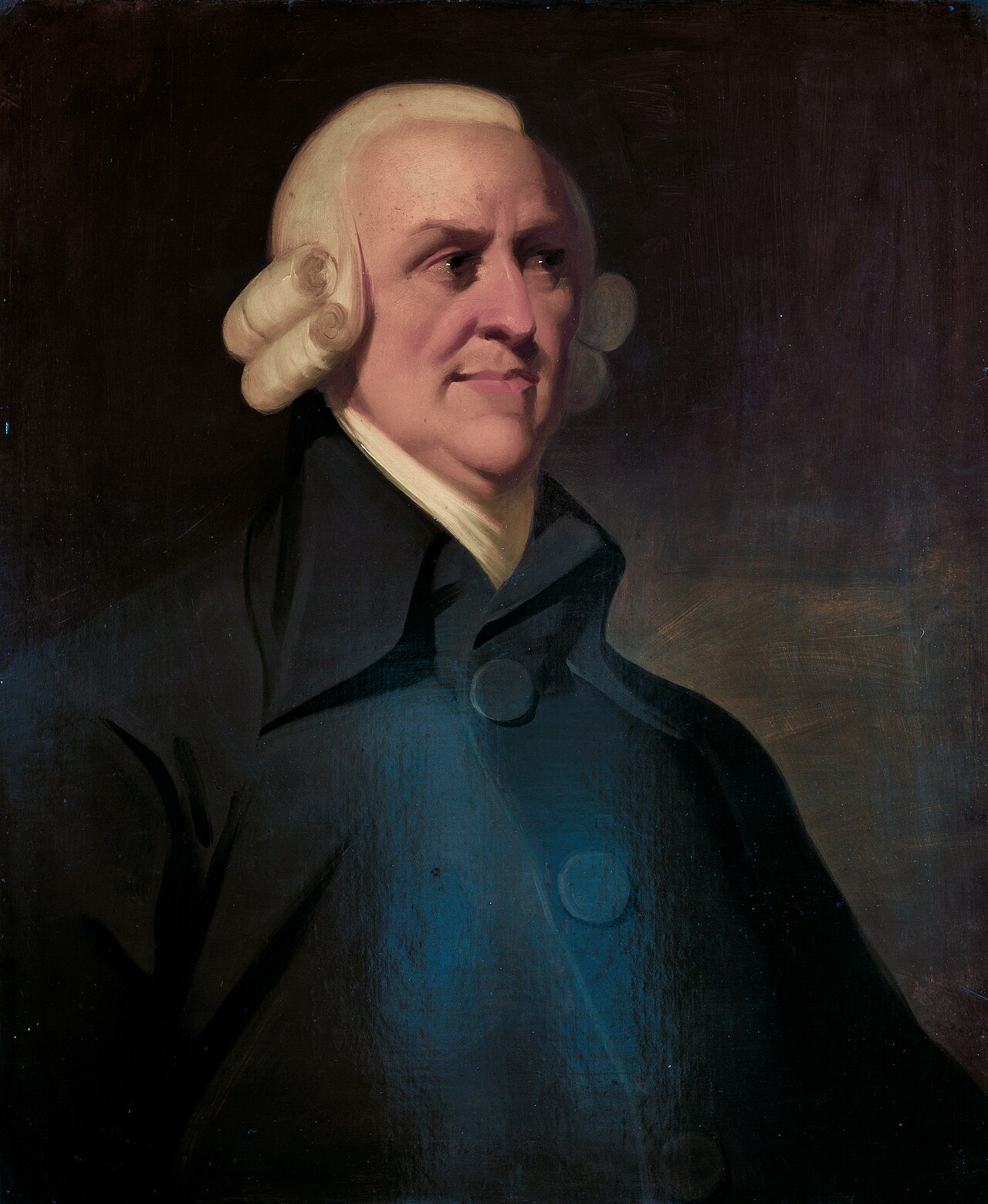 Painting
Secondary source
Unknown · c. 1790
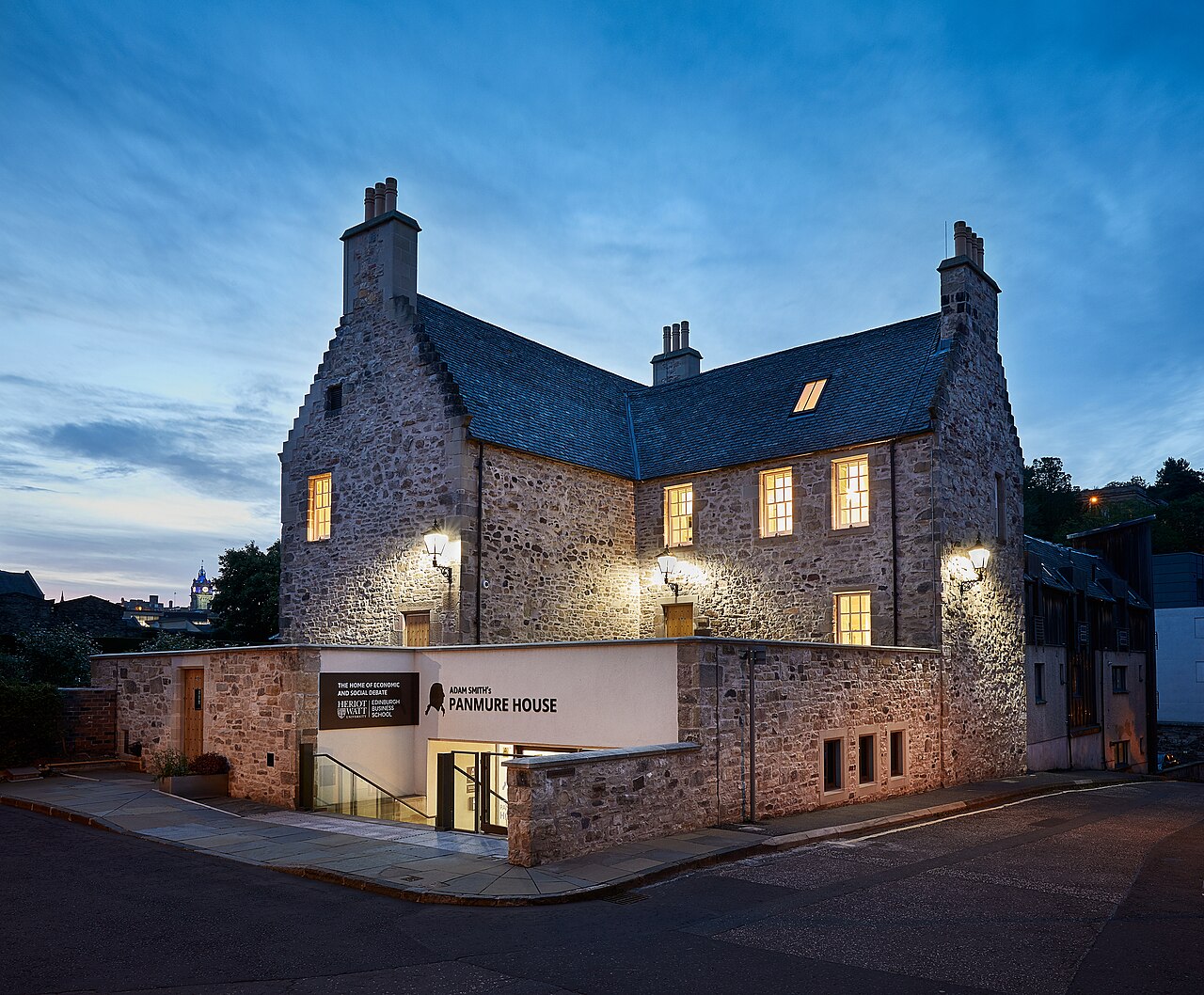 Artifact
Primary source
1691-1693 (built); Smith resided 1778-1790
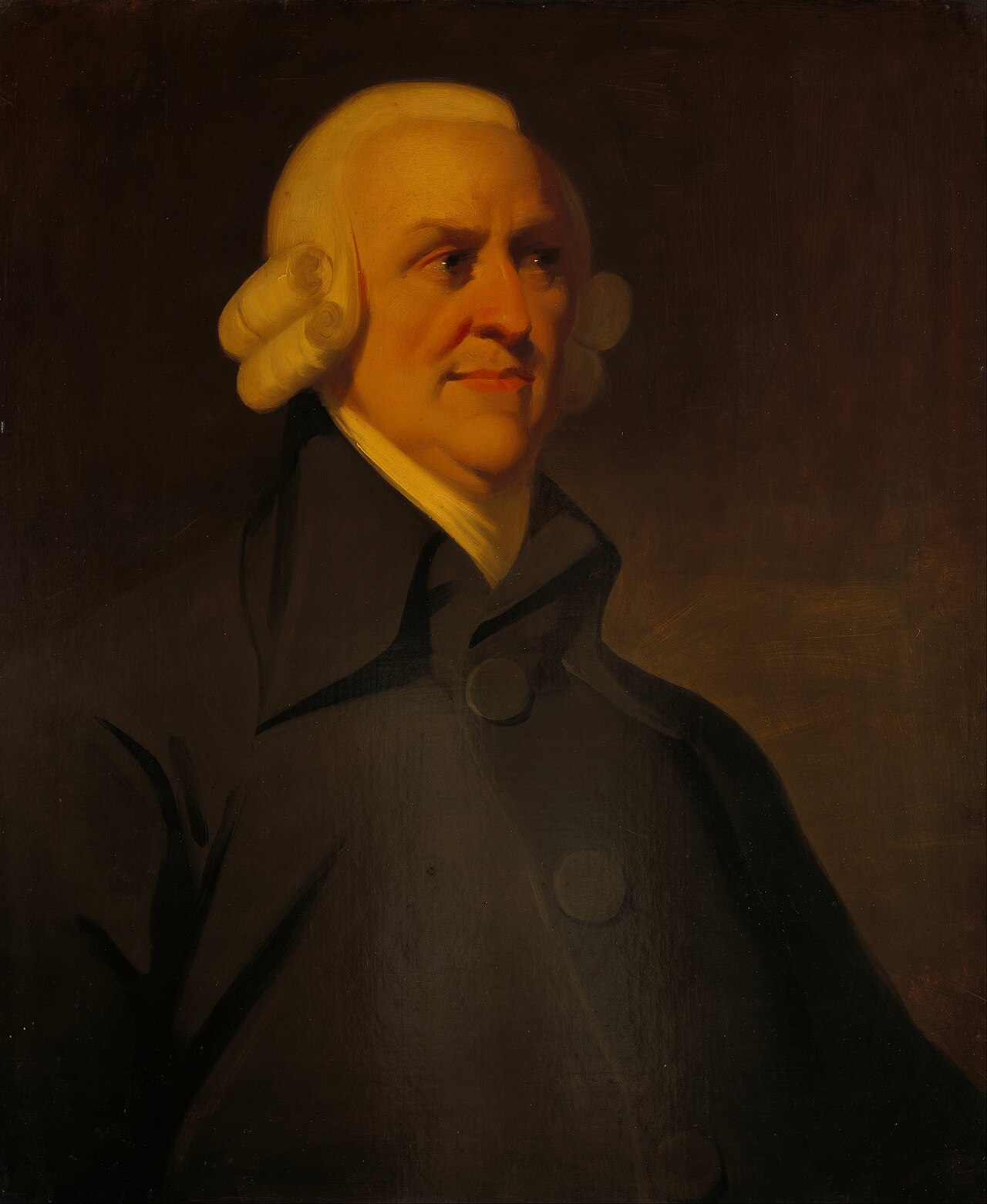 Painting
Secondary source
Unknown (Scottish) · c. 1800
 Book
Primary source
George Horne · 1777
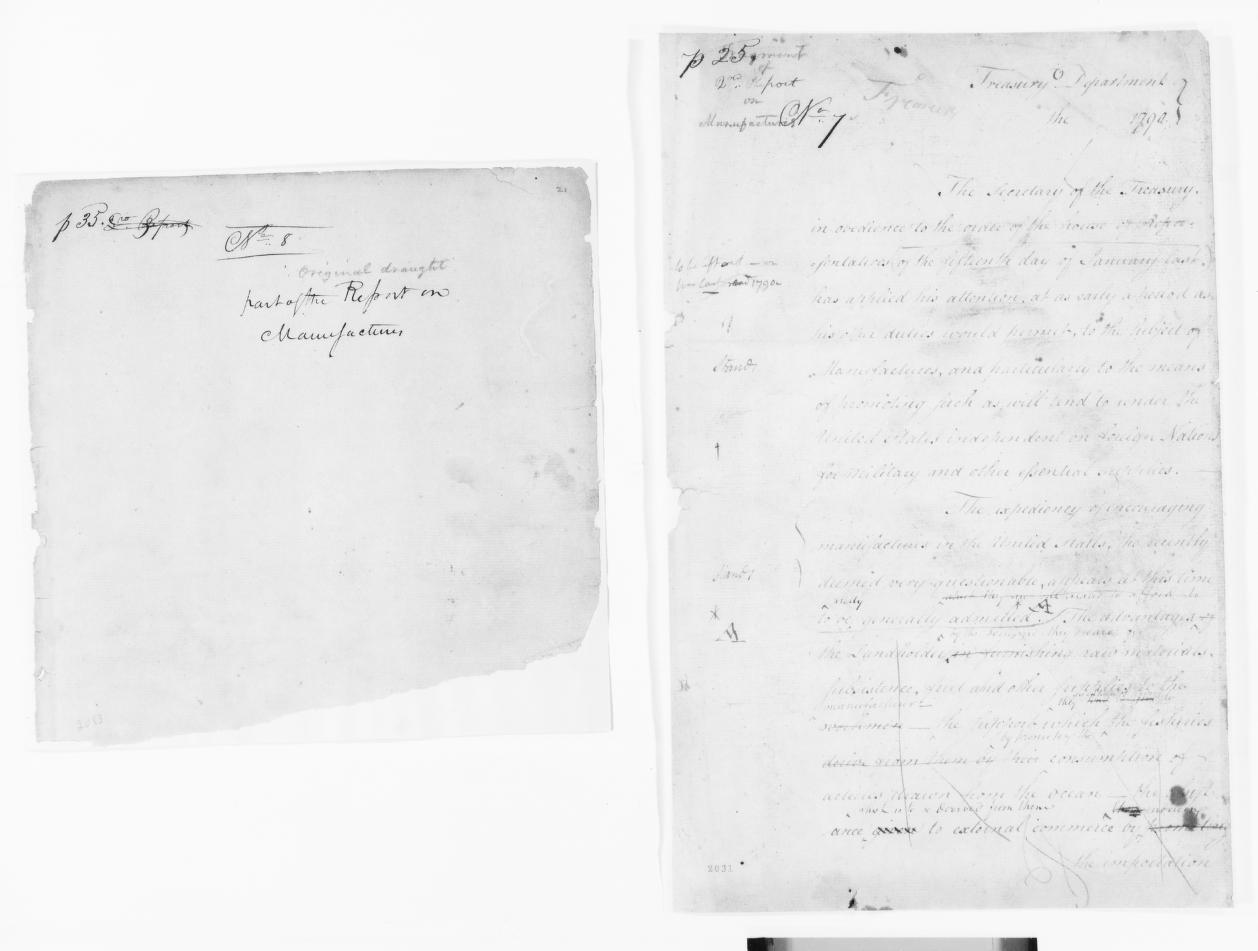 Document
Primary source
Alexander Hamilton · 5 December 1791
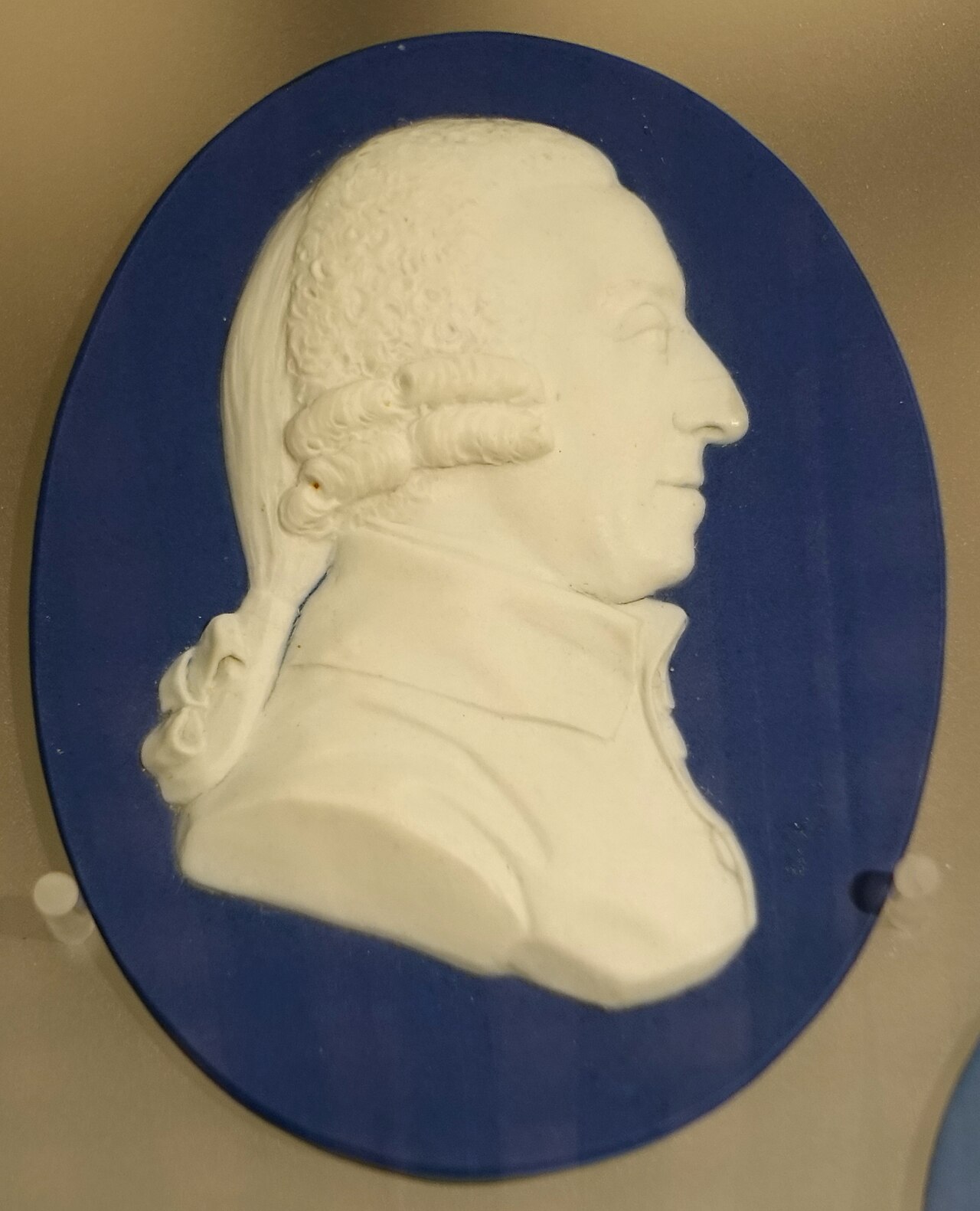 Artifact
Secondary source
1787
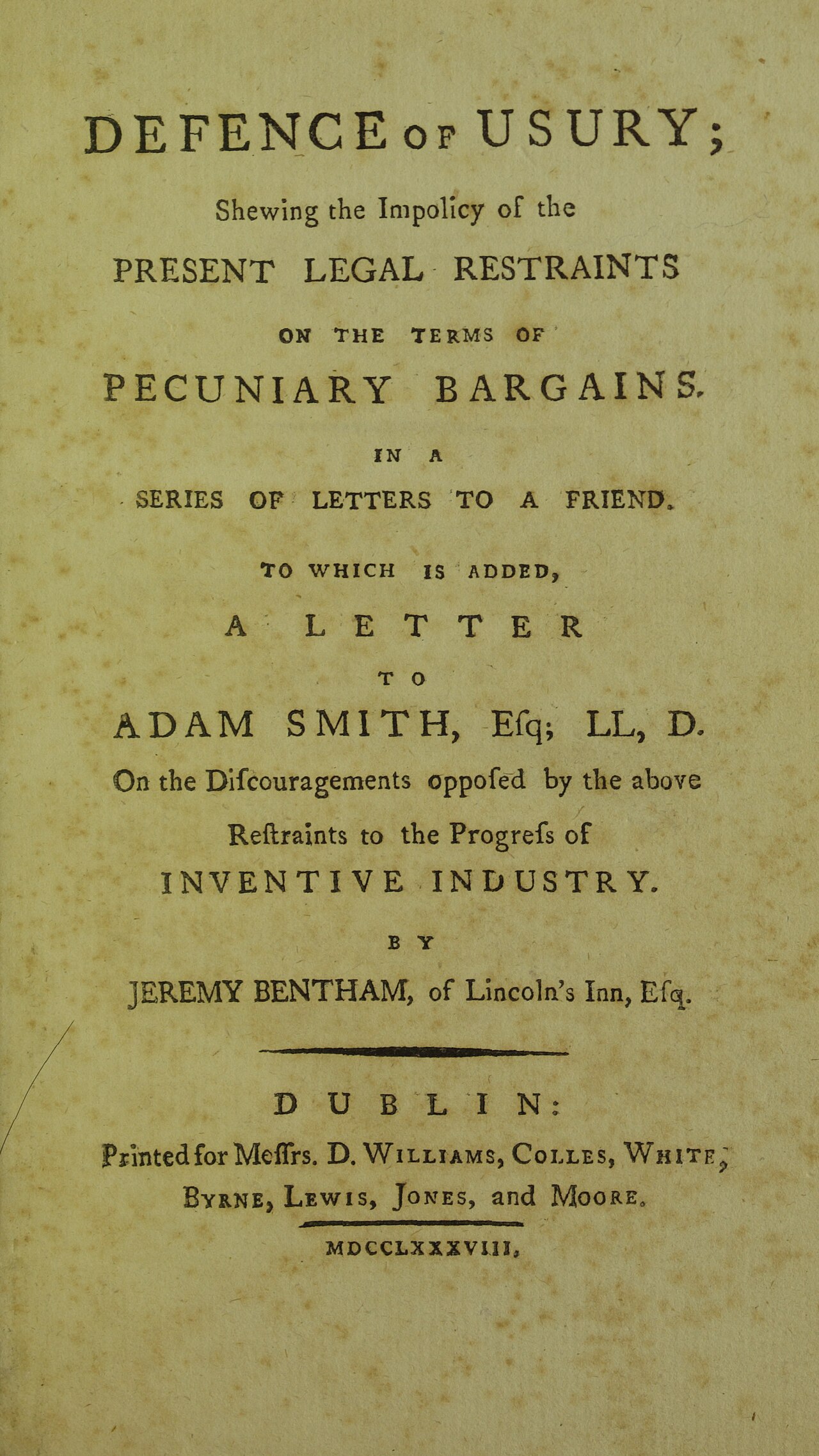 Book
Primary source
Jeremy Bentham · 1787
 Artifact
Primary source
18th century
 Artifact
Secondary source
after 1790
 Document
Primary source
Adam Smith · 1783
Secondary source
Adam Smith · 1902
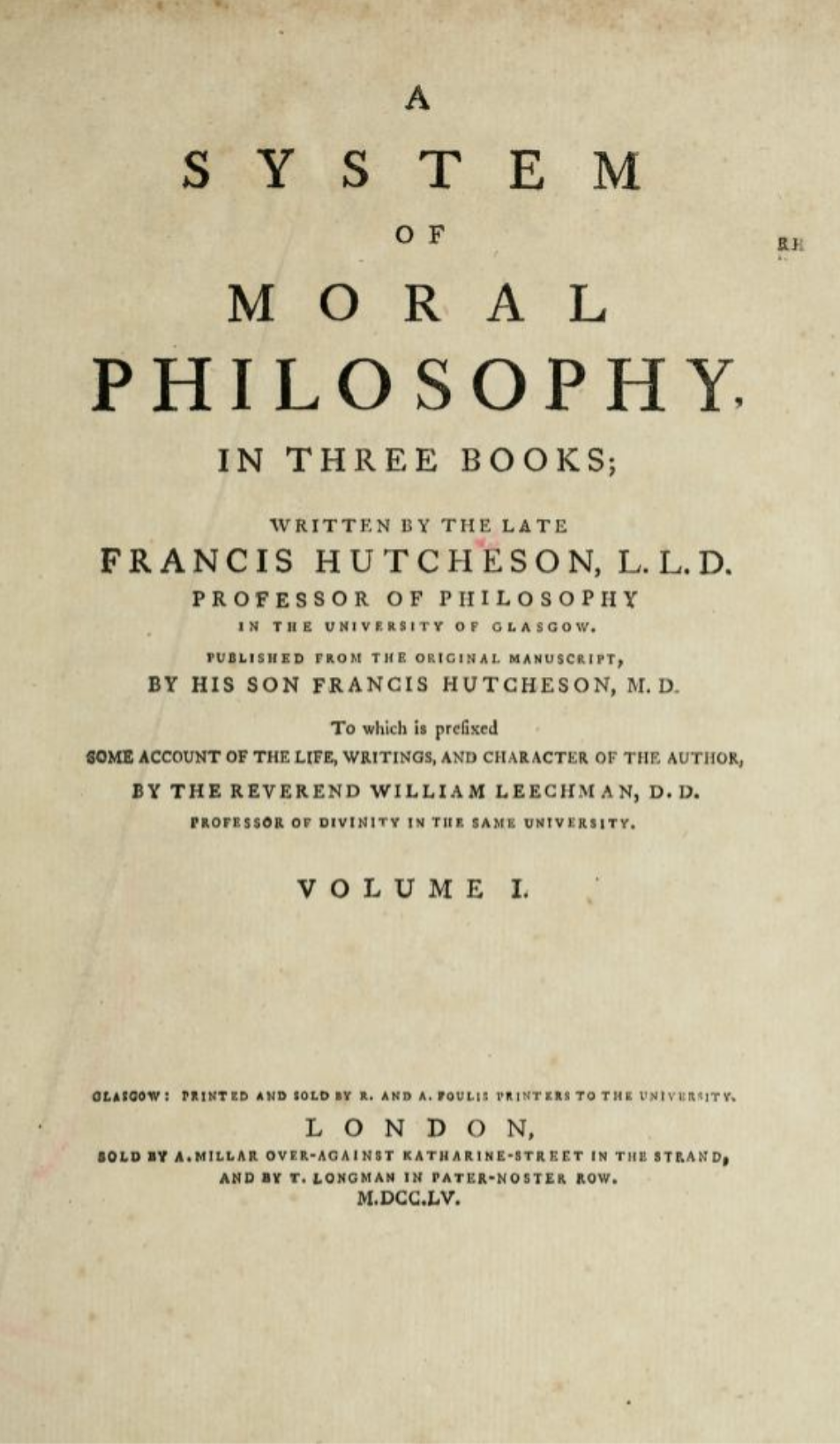 Book
Primary source
Francis Hutcheson · 1755
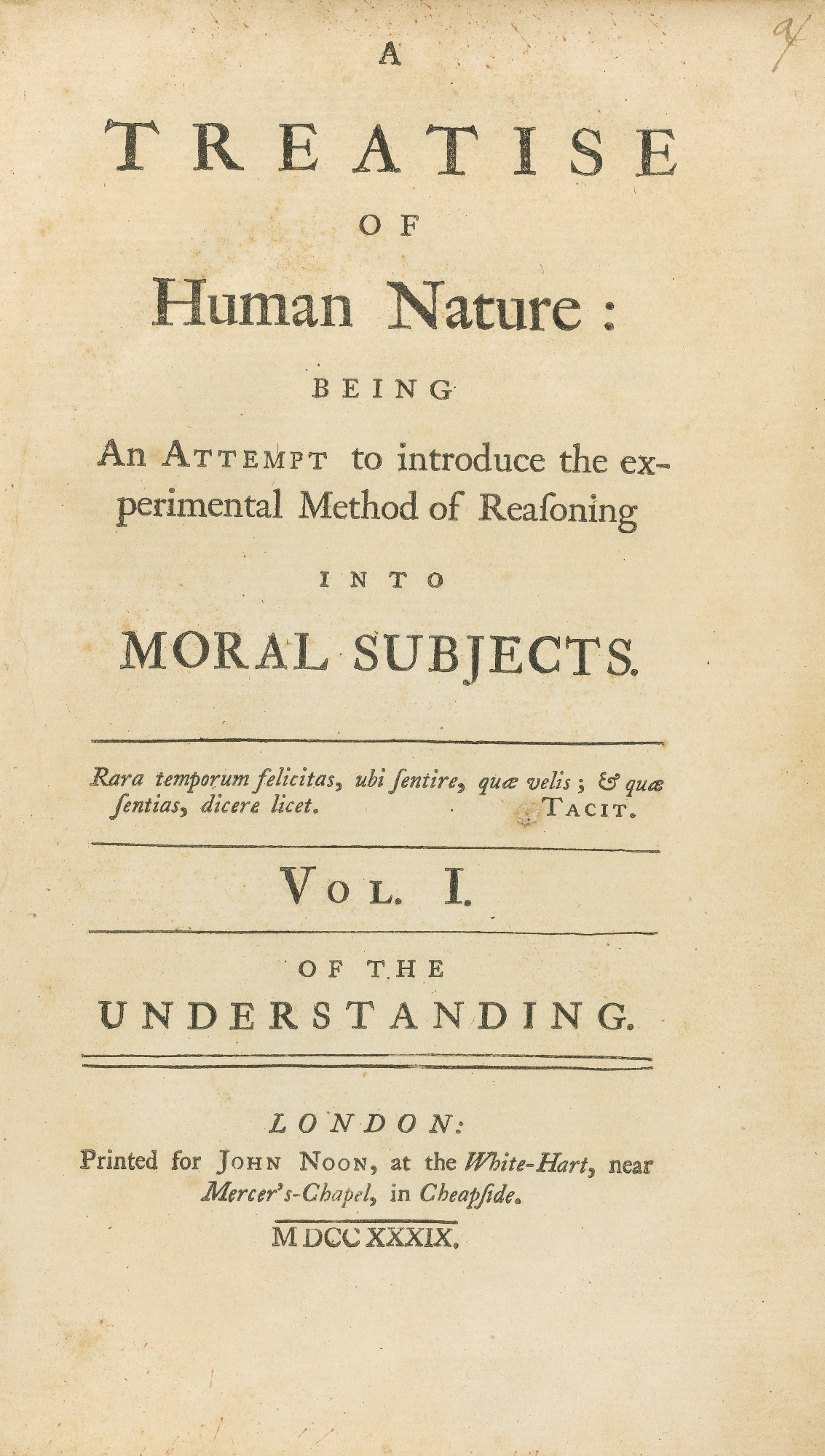 Book
Primary source
David Hume · 1739-1740
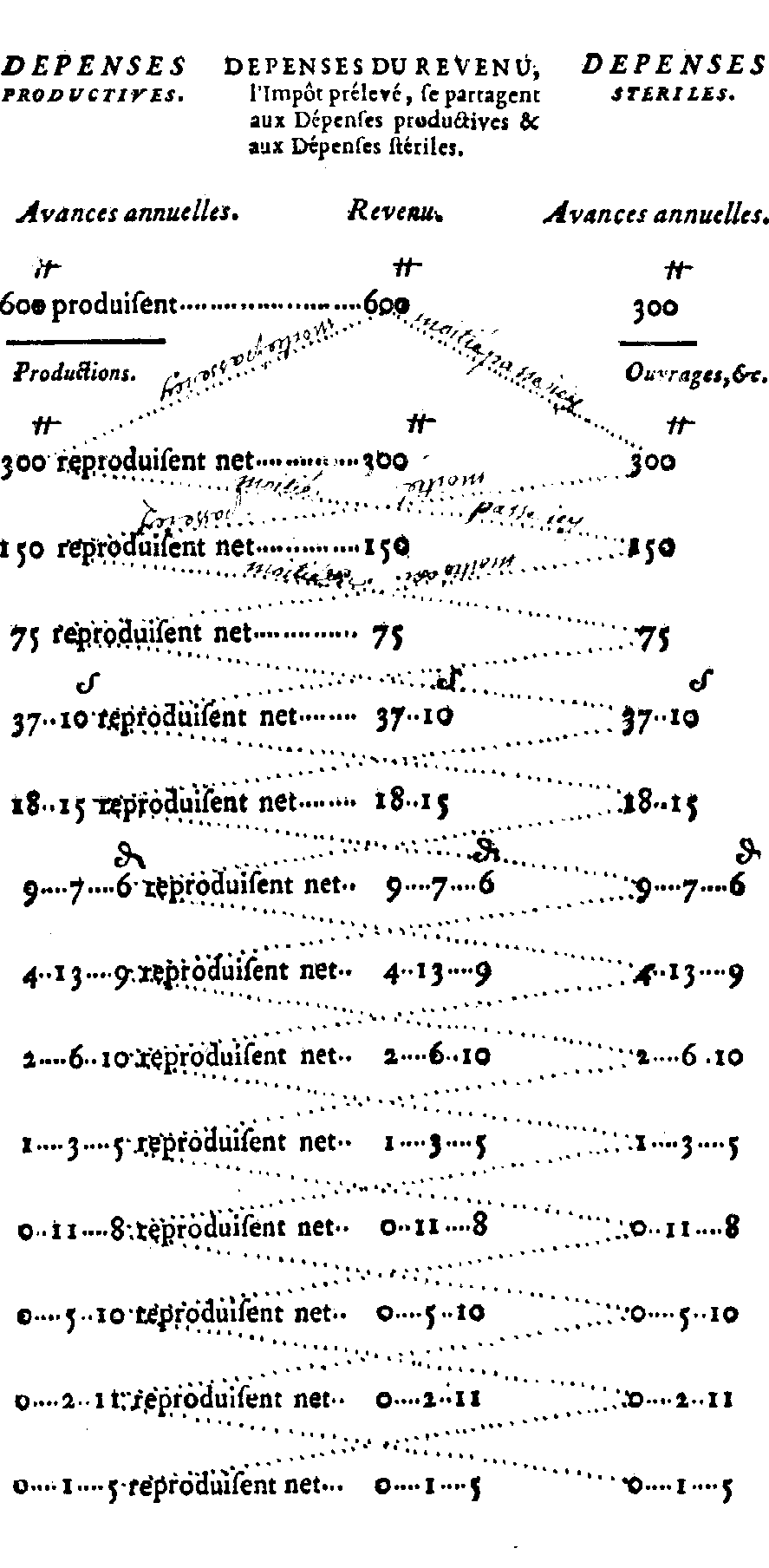 Document
Primary source
François Quesnay · 1759
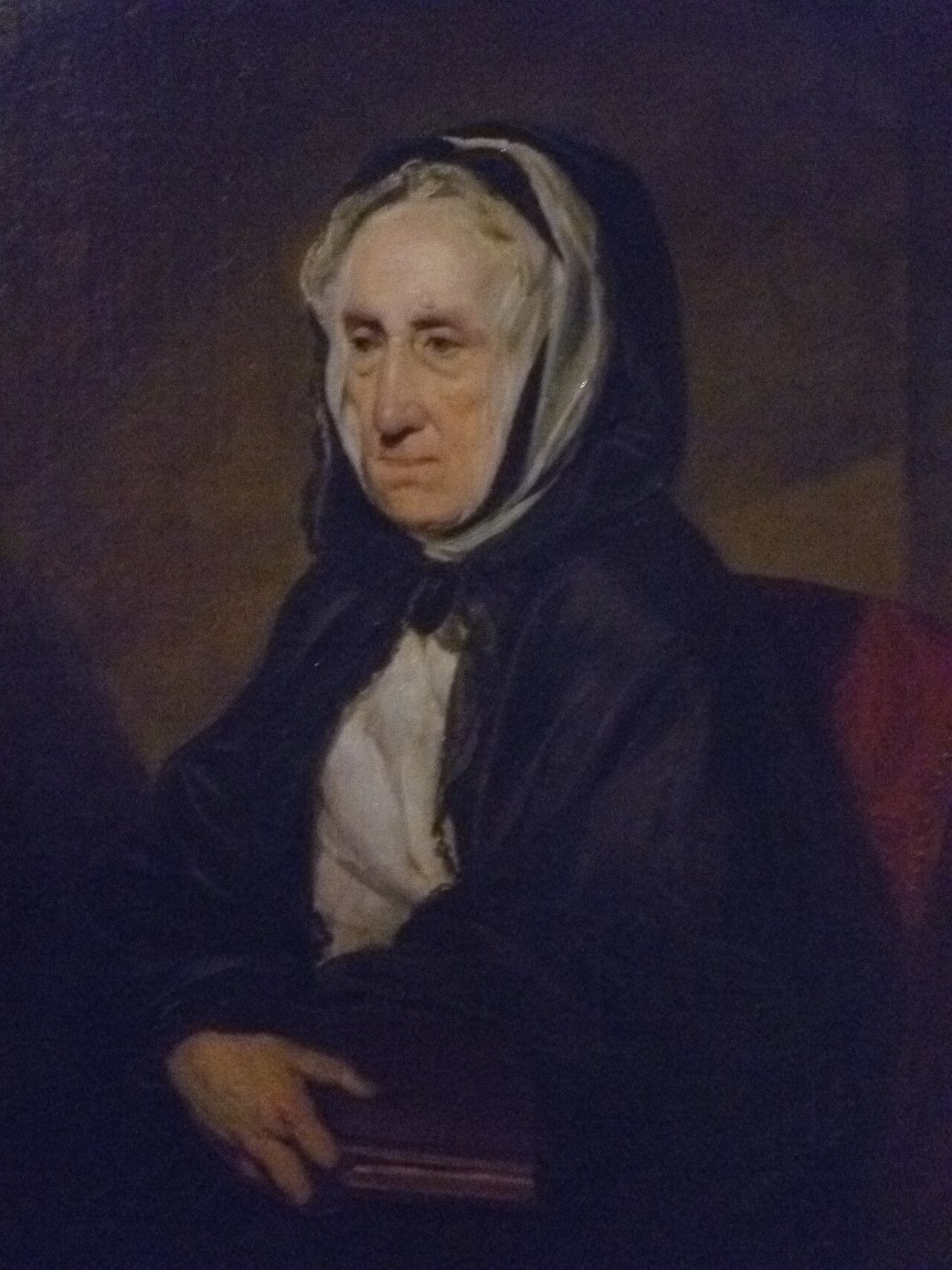 Painting
Primary source
Conrad Metz (attributed)
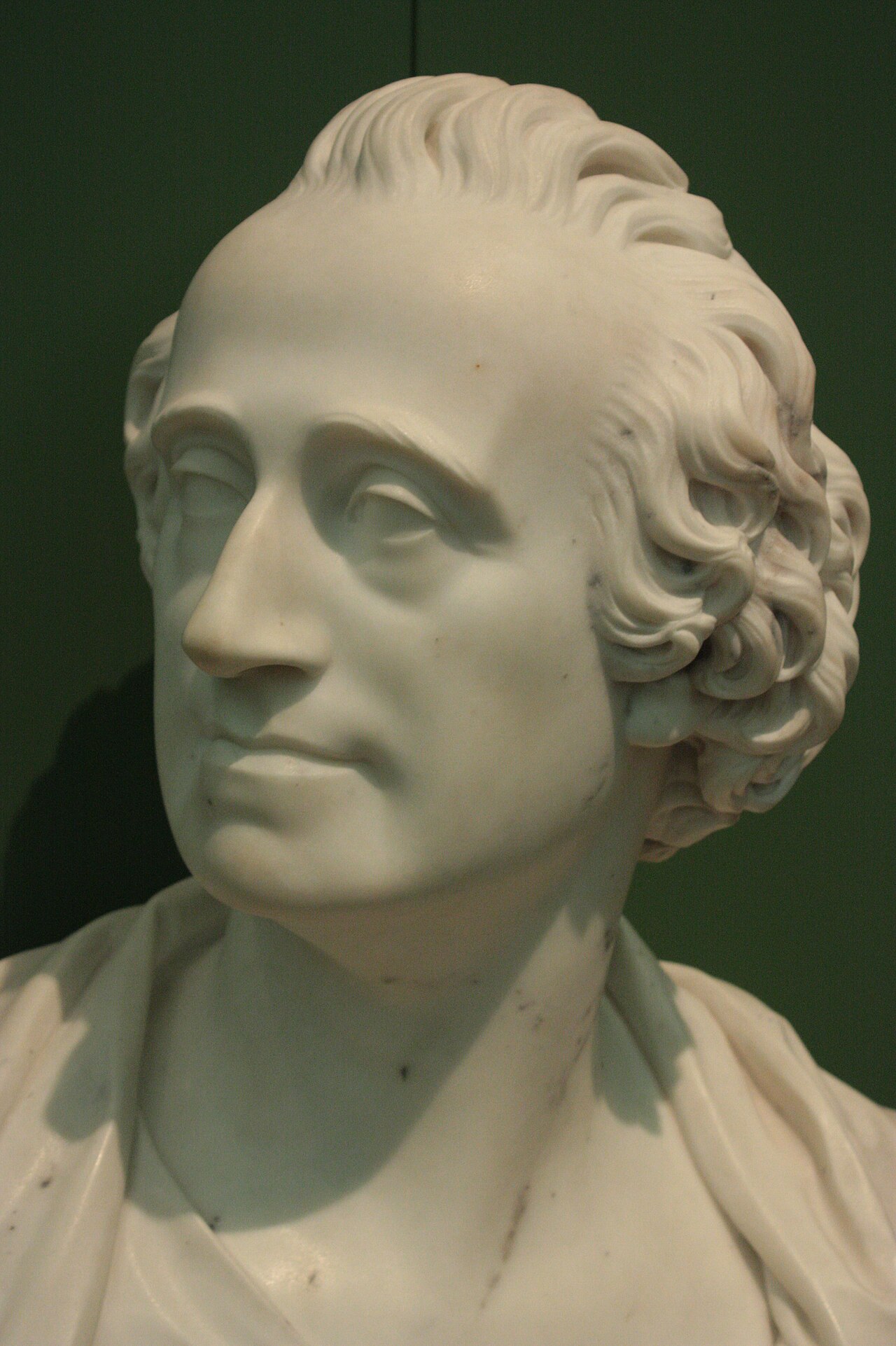 Sculpture
Secondary source
Patric Park · 1845
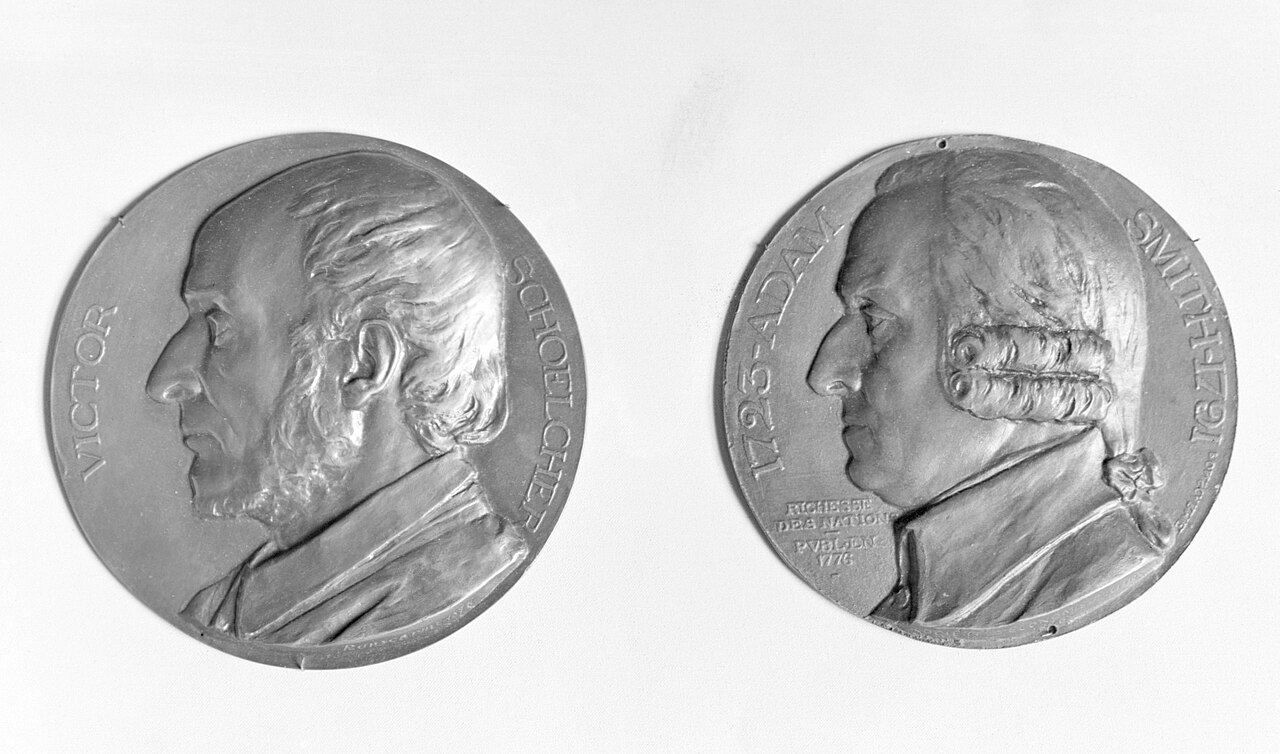 Artifact
Secondary source
Hubert Ponscarme
Secondary source
John Rae · 1895
Primary source
Adam Smith · 1776
 Book
Primary source
Adam Smith · 1896 (lectures delivered earlier at Glasgow)
Primary source
1790
Primary source
Adam Smith · 9 November 1776
Primary source
24 July 1790
Primary source
Adam Smith · 1776 (text); modern audio reading
Primary source
Adam Smith · 1759
 Book
Primary source
Adam Smith · 1884
 Letter
Primary source
David Hume · 1912 edition (letter originally 18th century)
 Book
Secondary source
R. B. Haldane · 1887
 Book
Secondary source
H. C. Macpherson · 1899
 Book
Secondary source
Albion Woodbury Small · 1907
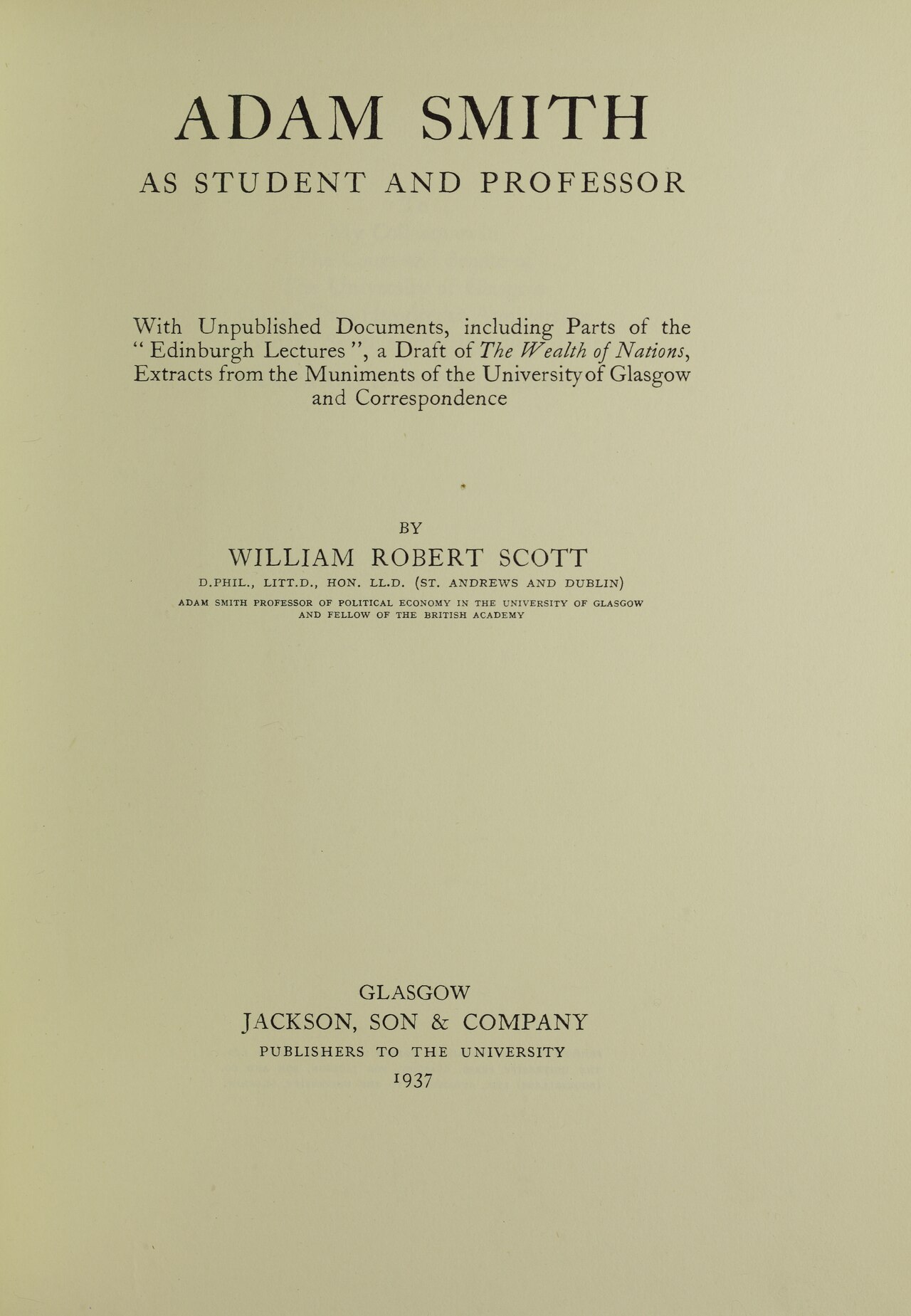 Book
Secondary source
William Robert Scott · 1937
 Book
Primary source
James Bonar (editor) · 1894
 Book
Primary source
Adam Smith
Tertiary source
1885-1900
Secondary source
February 1877
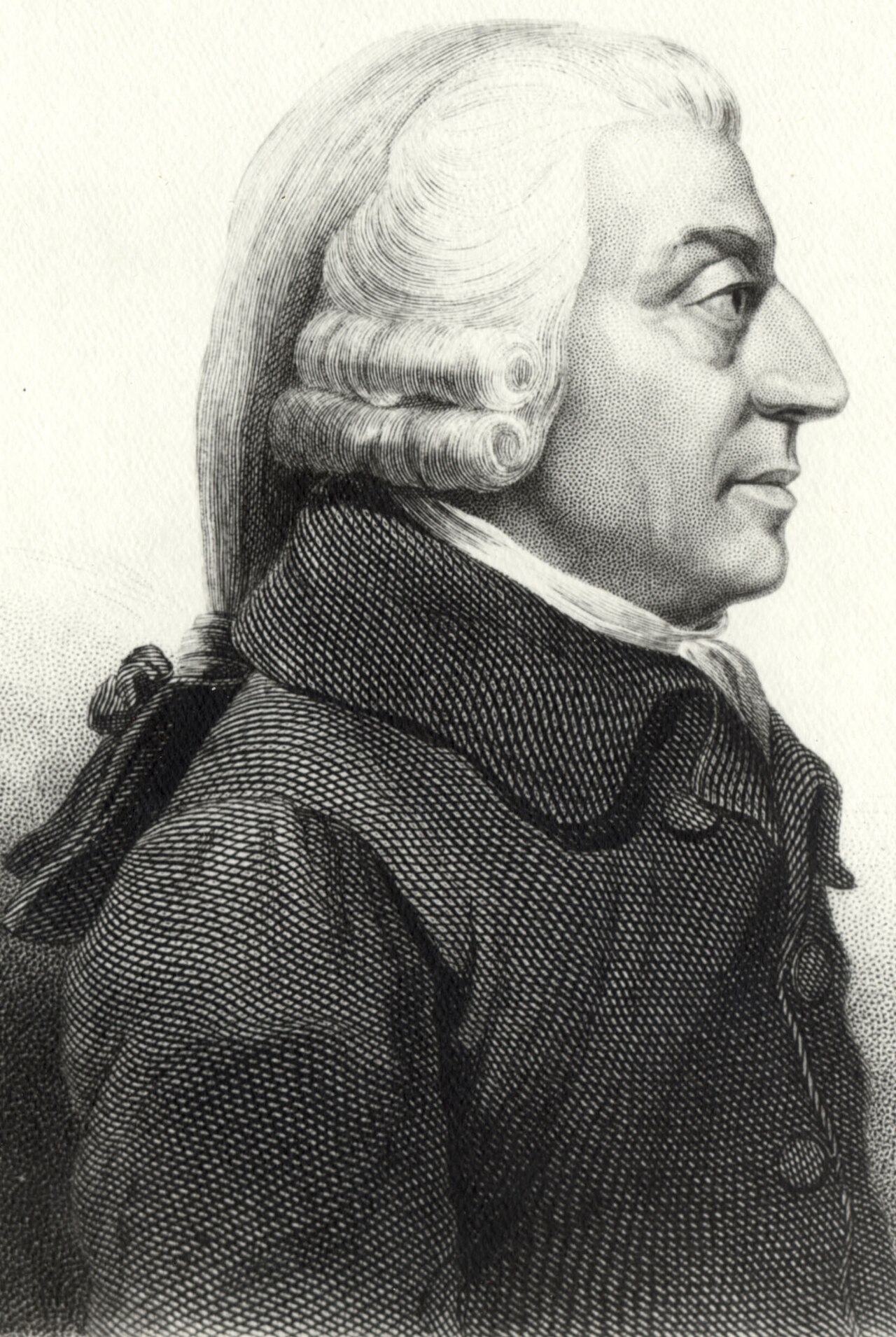 Painting
Secondary source
Cadell and Davies / John Horsburgh / R.C. Bell, after James Tassie · Original 1787; etching 1811, 1828 or 1872
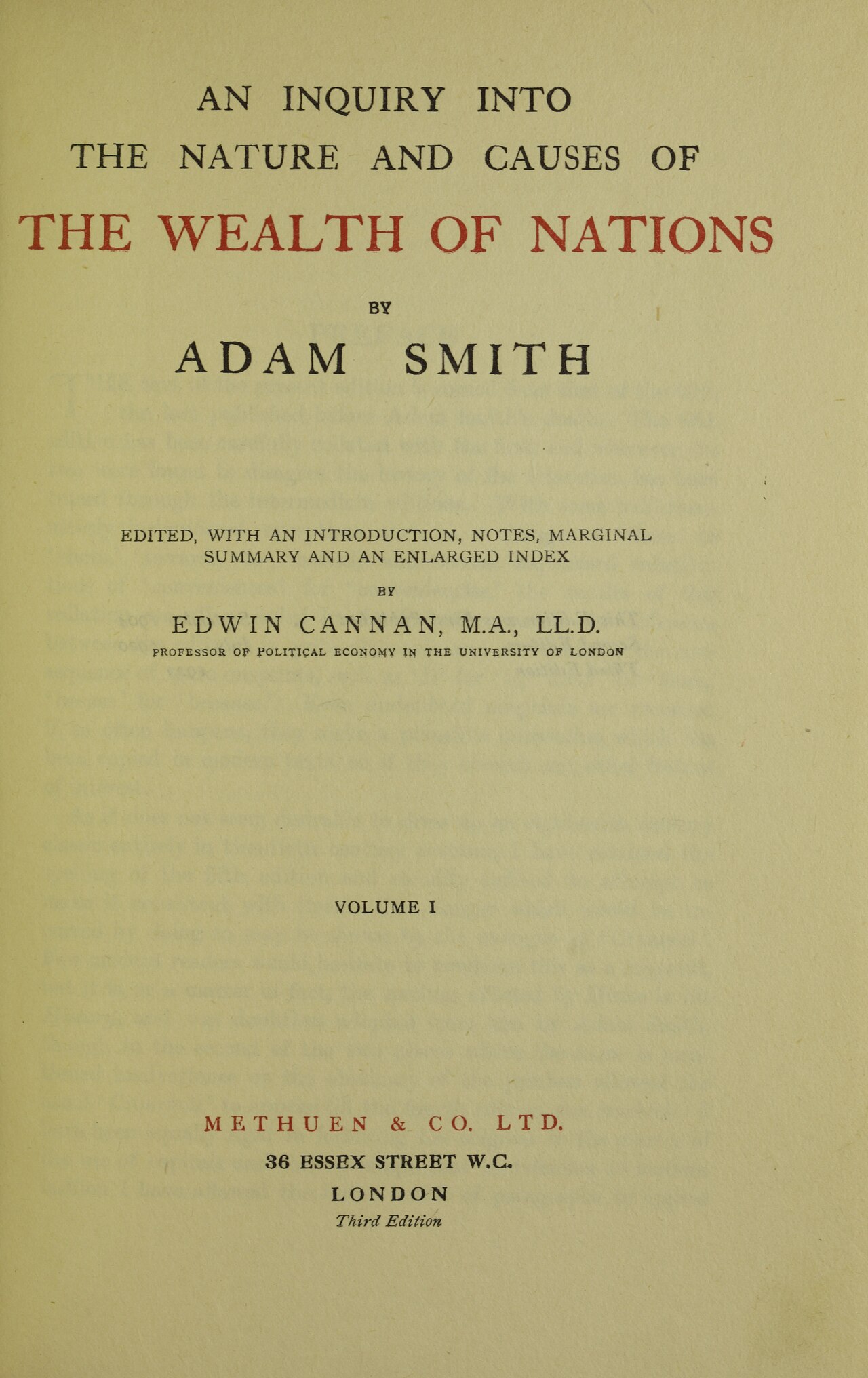 Book
Secondary source
Adam Smith, edited by Edwin Cannan · 1922
 Book
Primary source
Adam Smith
 Book
Primary source
Adam Smith, with notes by James Edwin Thorold Rogers
 Book
Primary source
Adam Smith, with notes by James Edwin Thorold Rogers
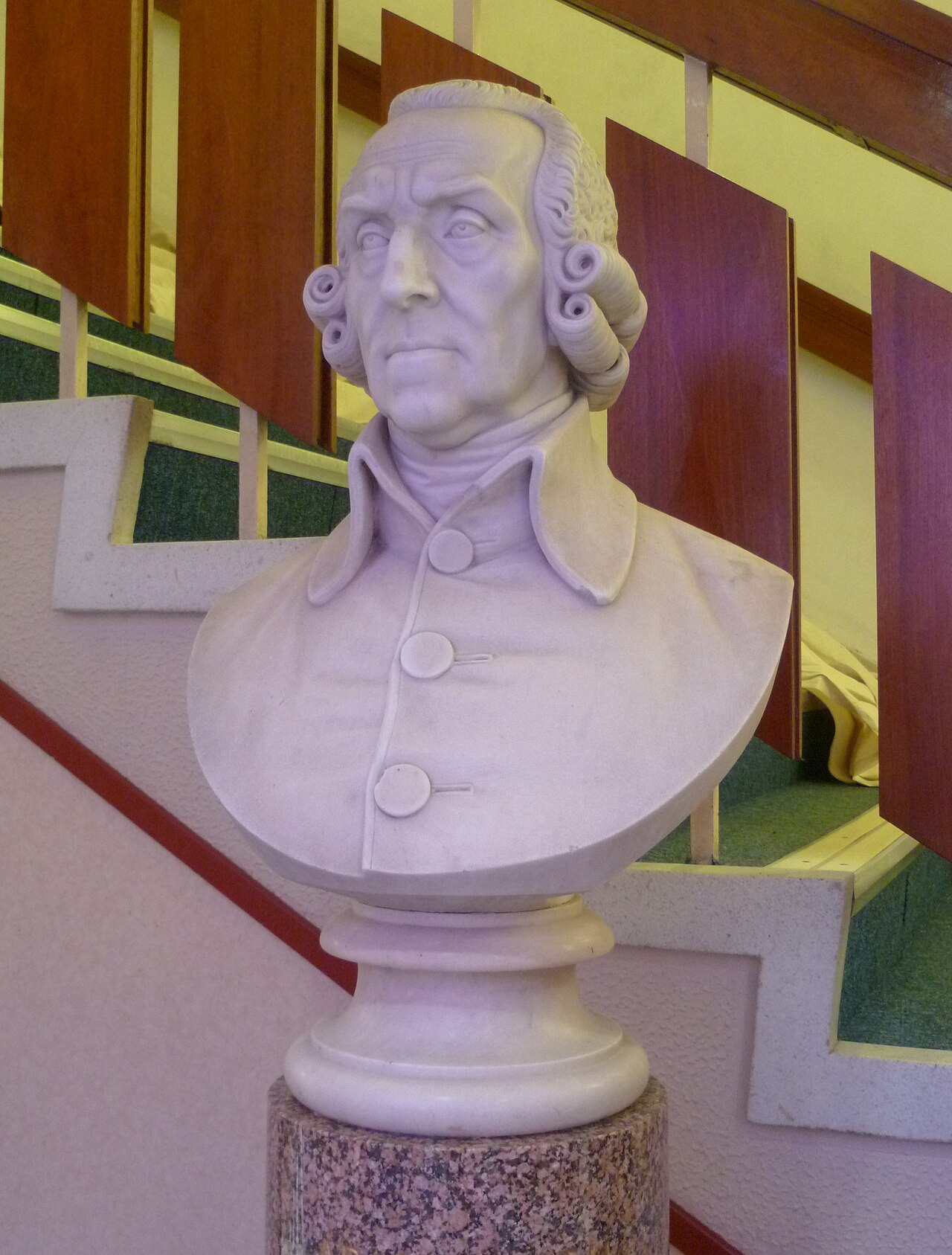 Sculpture
Secondary source
1840s (photographed 2013)
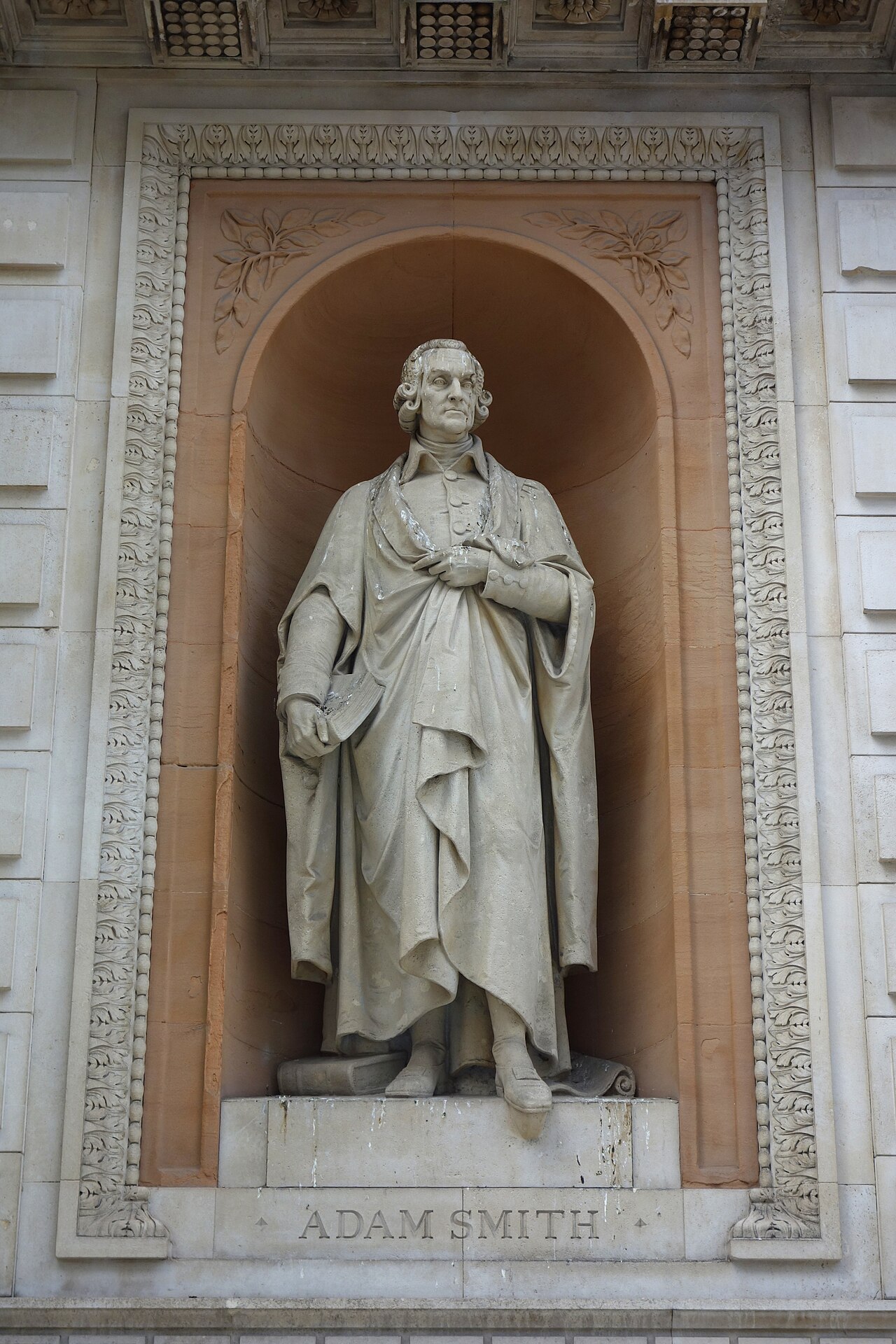 Sculpture
Secondary source
William Theed the Younger
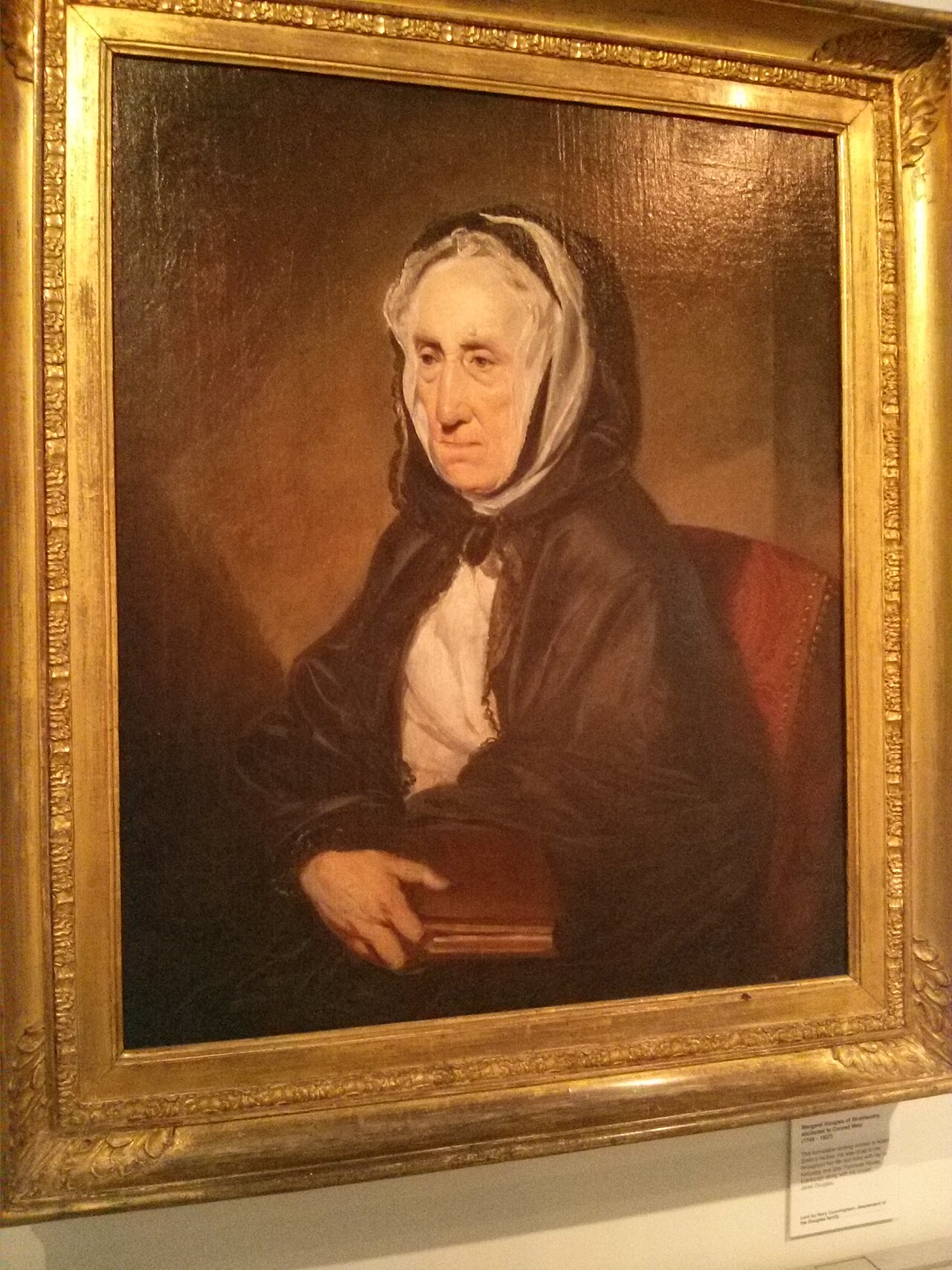 Painting
Secondary source
Conrad Metz (attributed)
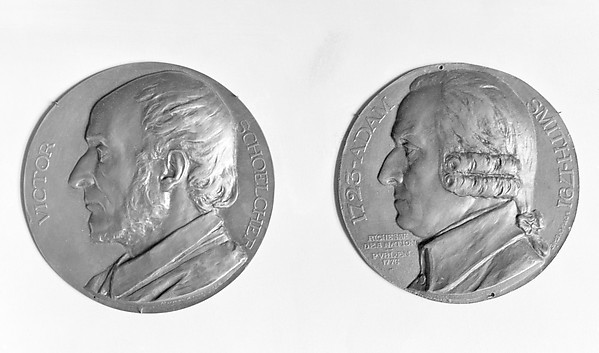 Sculpture
Secondary source
François-Joseph-Hubert Ponscarme · 1876
Secondary source
Joseph Foster · 1888-1892
Secondary source
J ohn William Cousin · 1 910
Tertiary source
1911
Secondary source
Joseph McCabe · 1920
 Book
Secondary source
John Rae · 1834
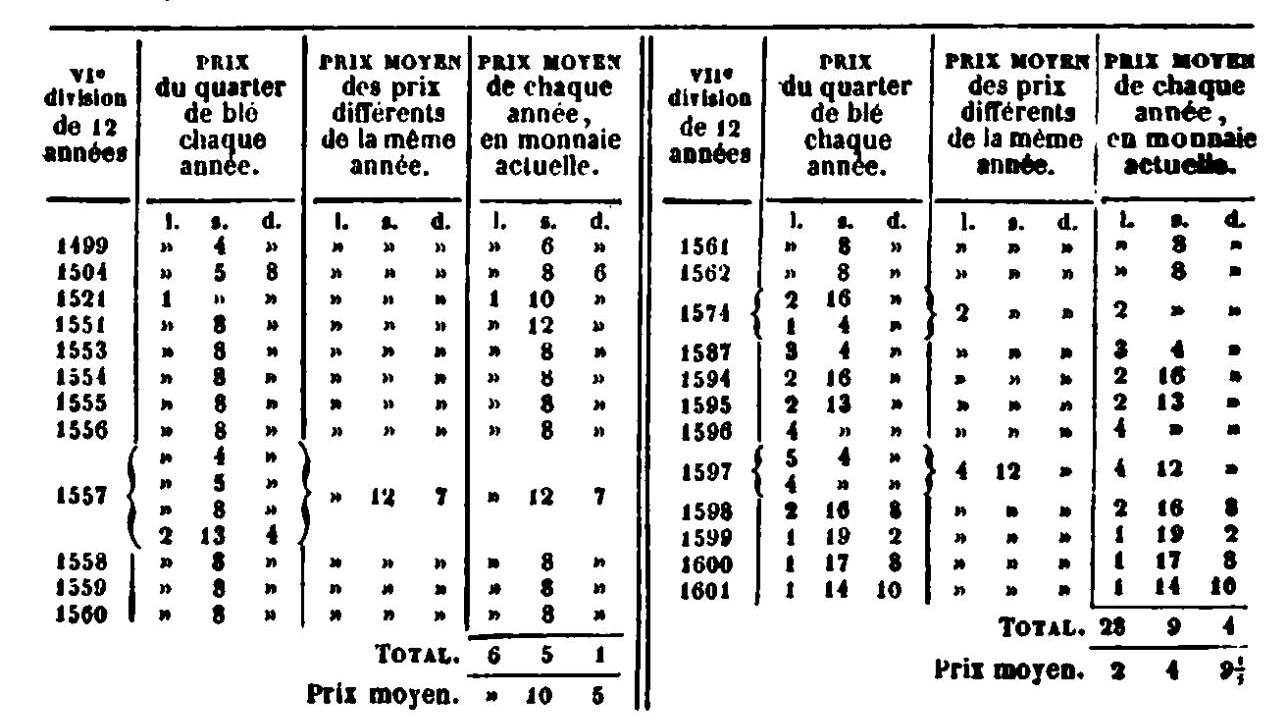 Document
Primary source
Adam Smith · 1843
Secondary source
1891
 Book
Primary source
Adam Smith; translated with biography by Germain Garnier
Primary source
Adam Smith
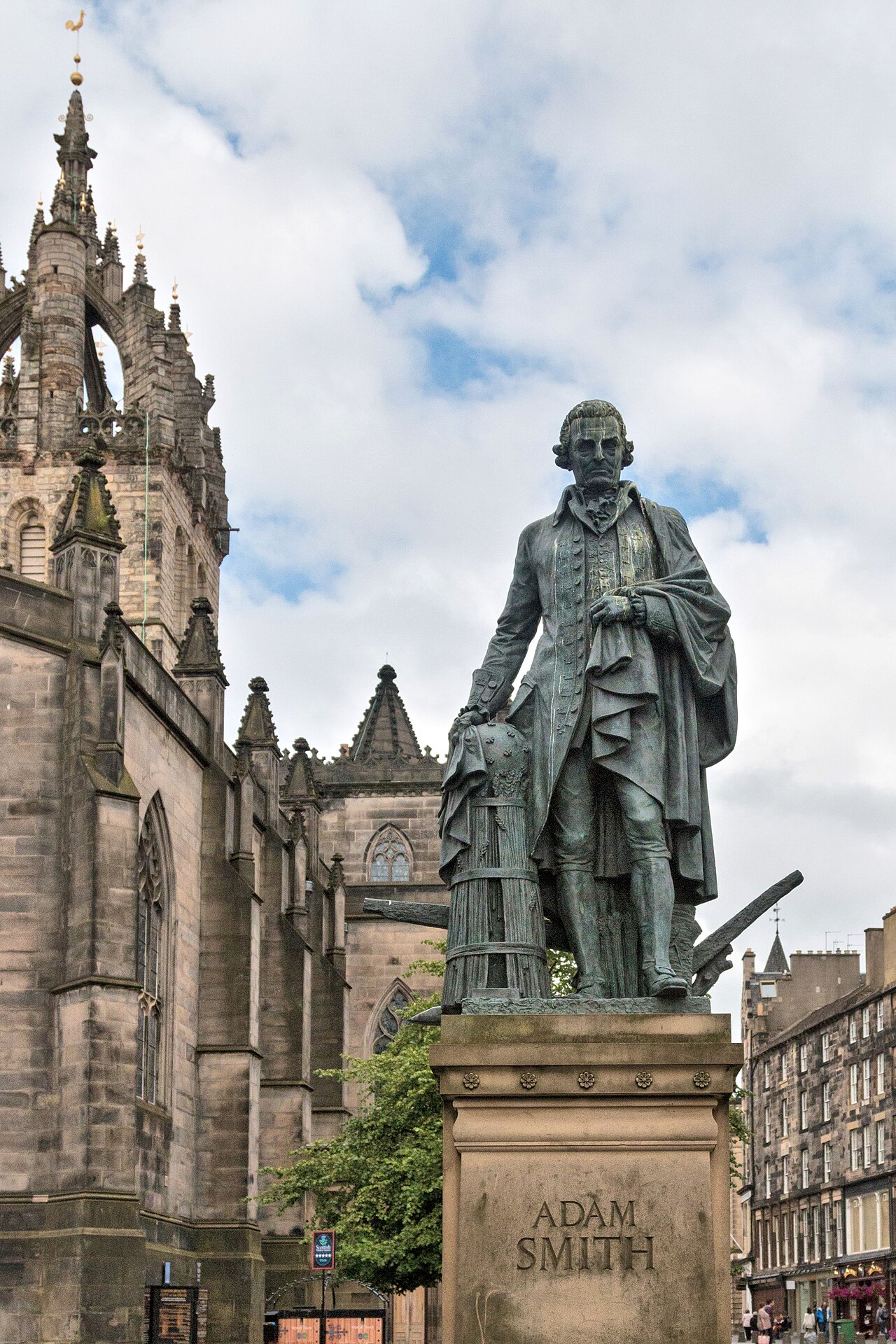 Sculpture
Secondary source
Stefan Schäfer, Lich · 2014-06-29
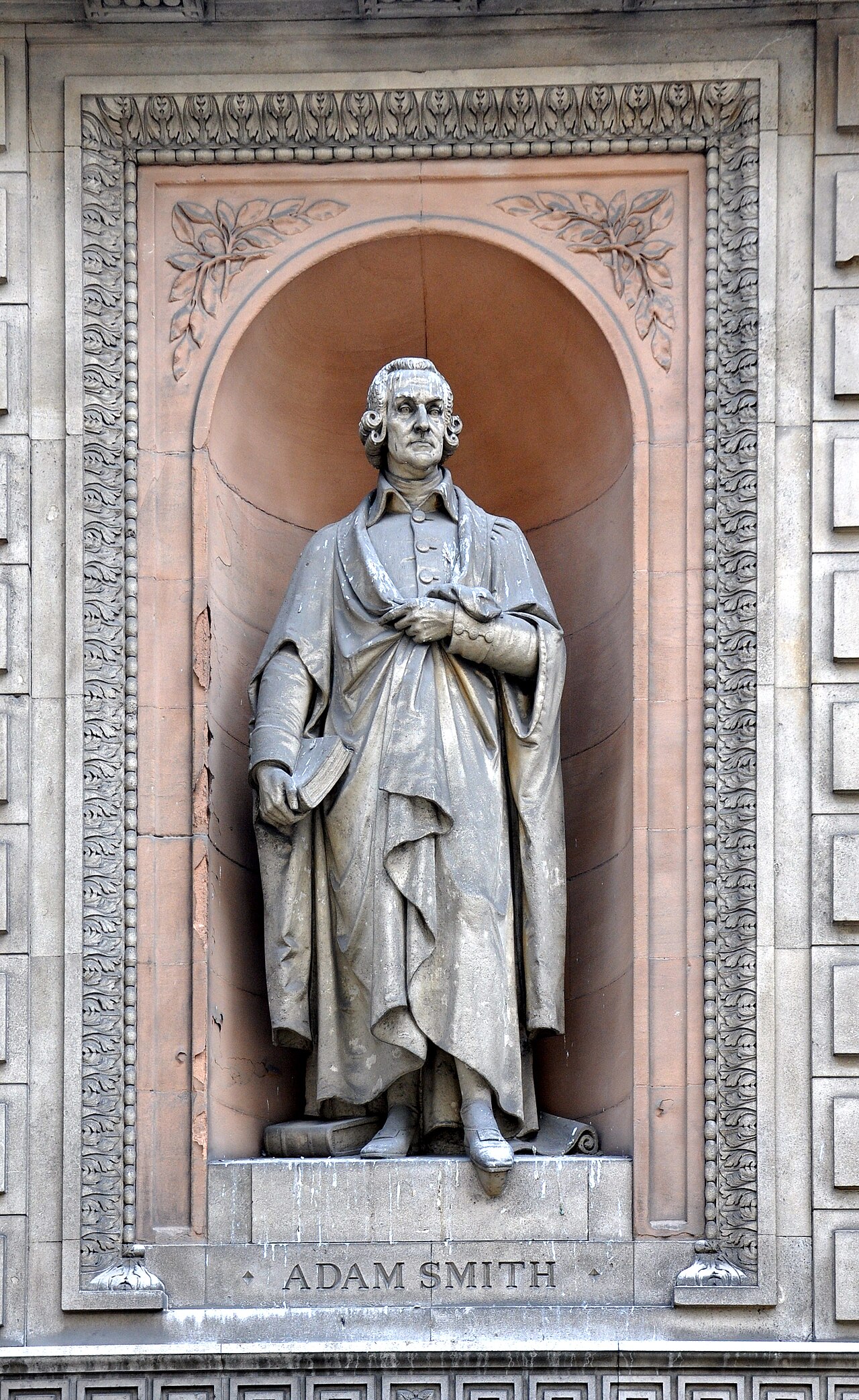 Sculpture
Secondary source
2011-06
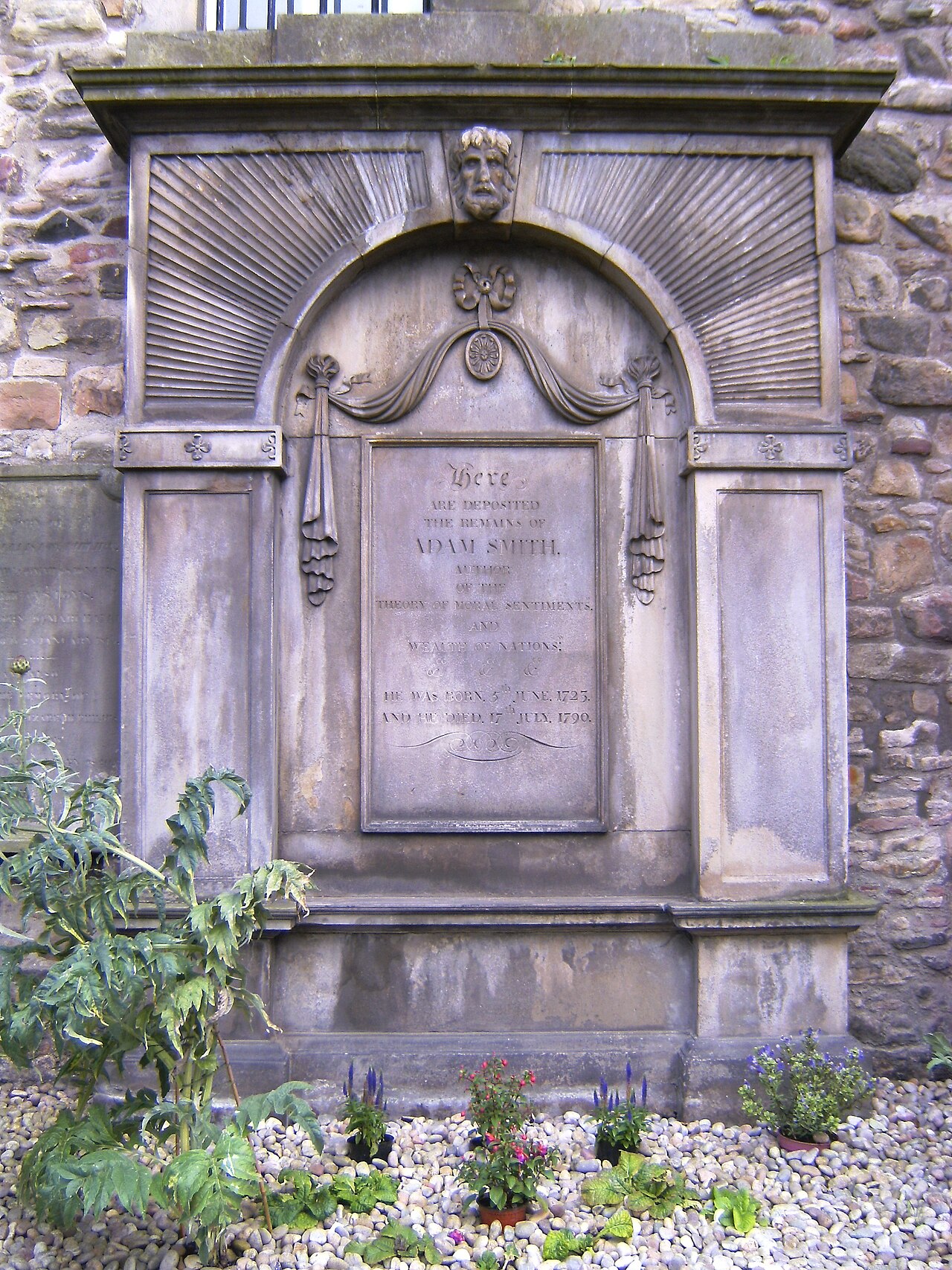 Photograph
Secondary source
Zenit · 2008-07-30
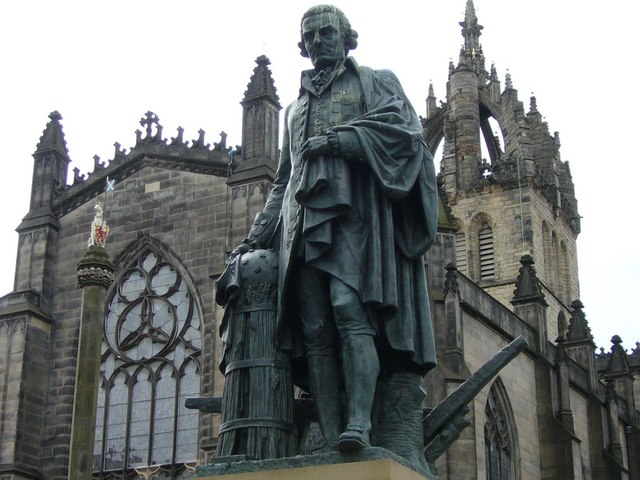 Sculpture
Secondary source
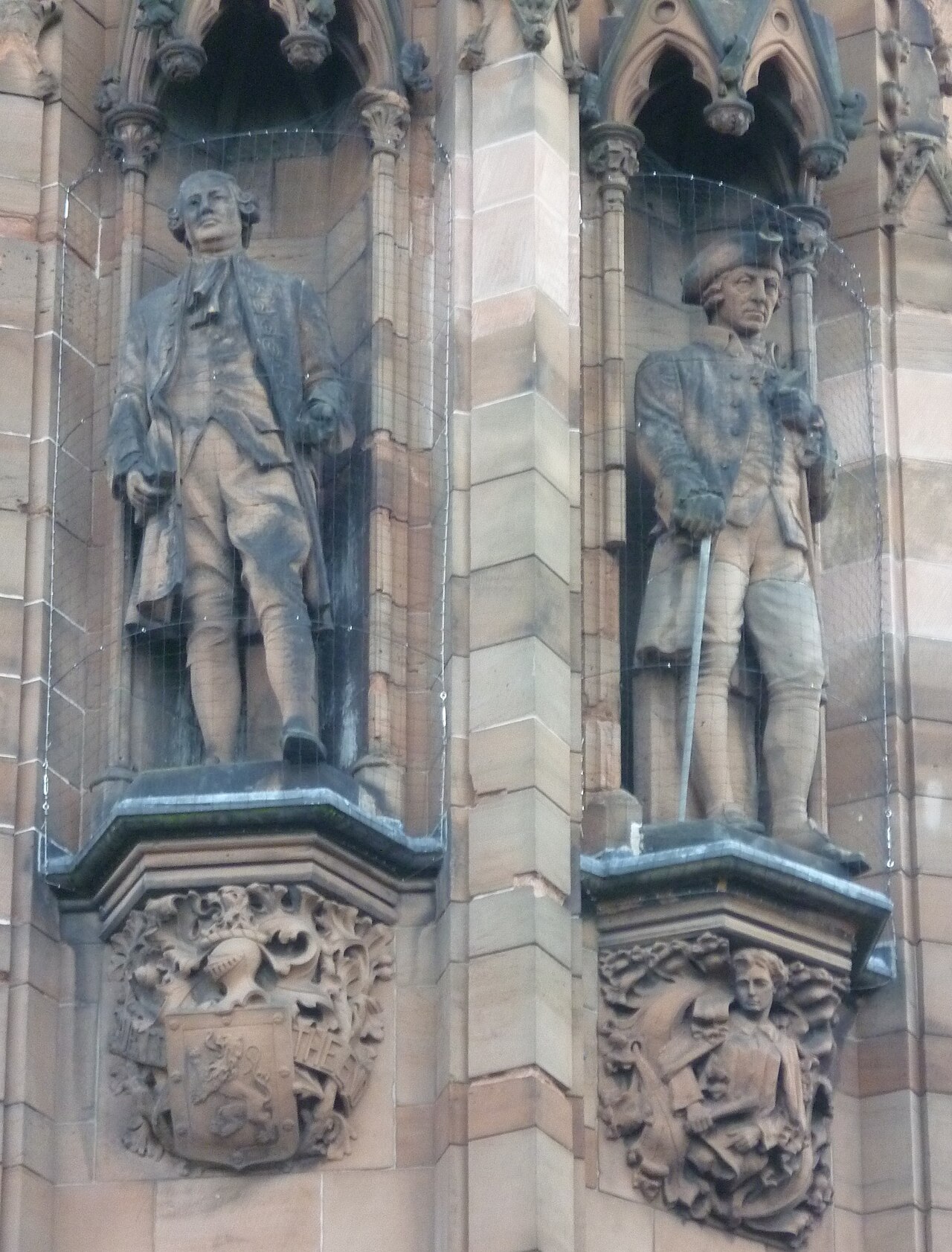 Sculpture
Secondary source
Kim Traynor · 2011-08-31
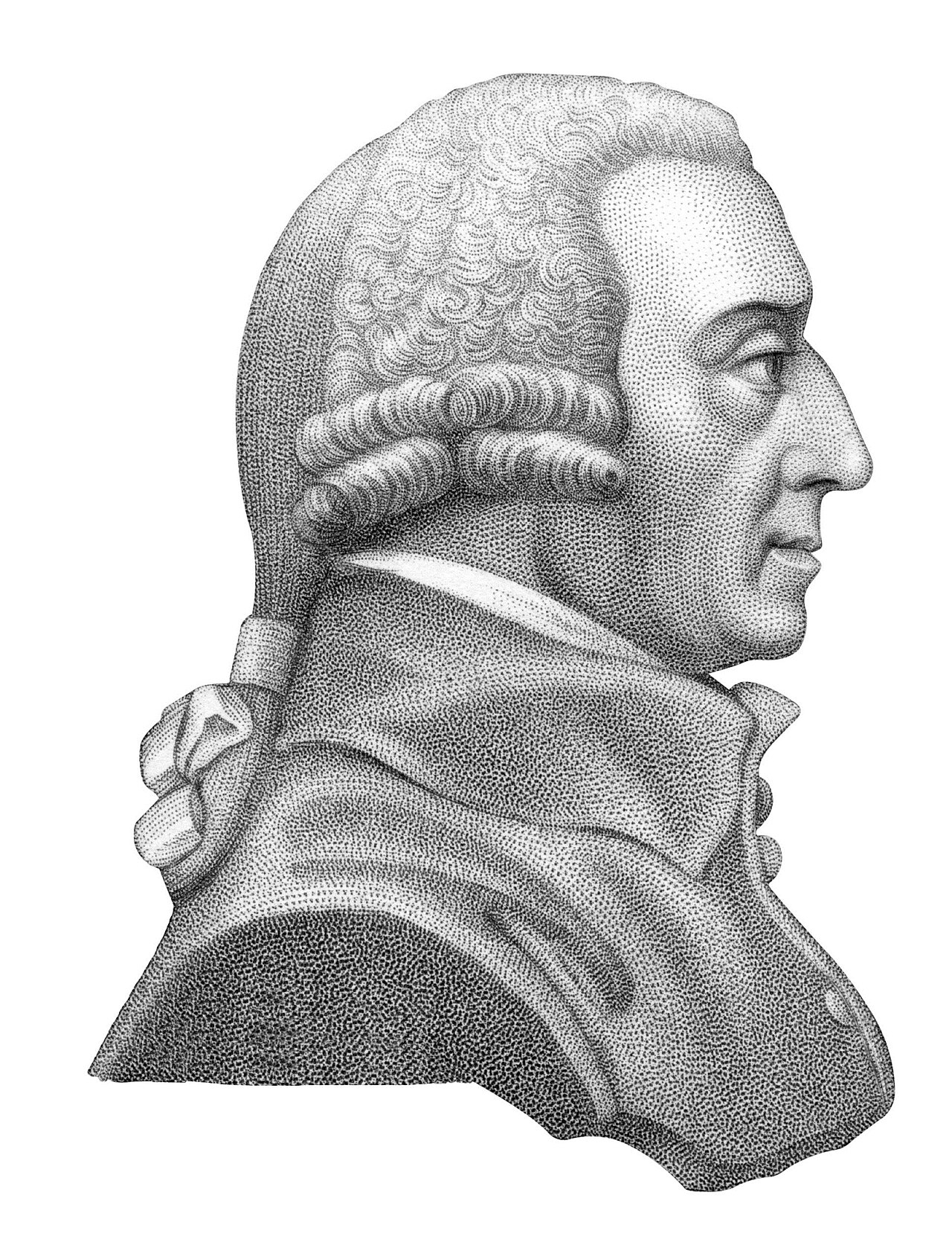 Painting
Secondary source
Adam Smith Business School · 2012-10-08
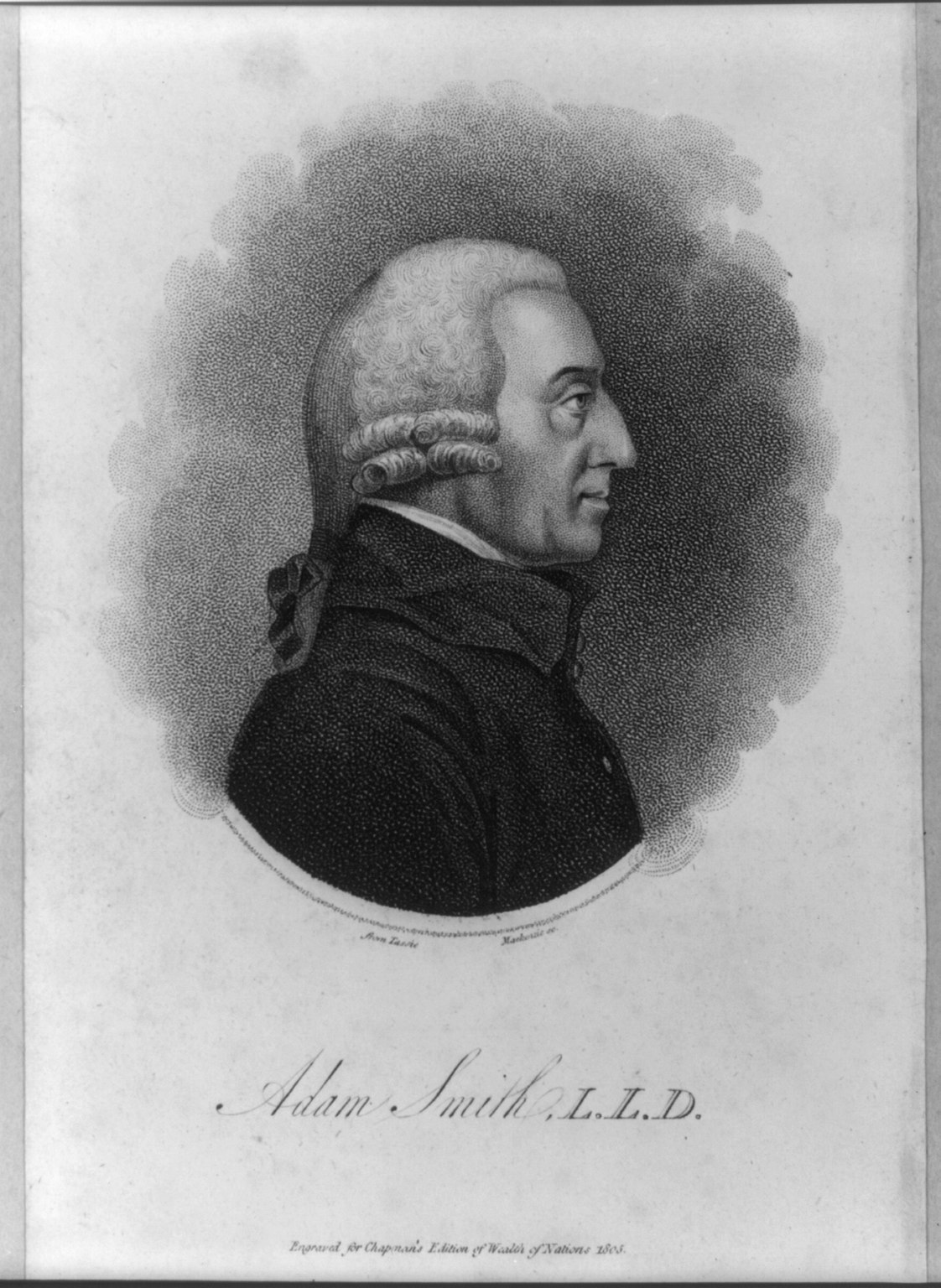 Painting
Secondary source
1805
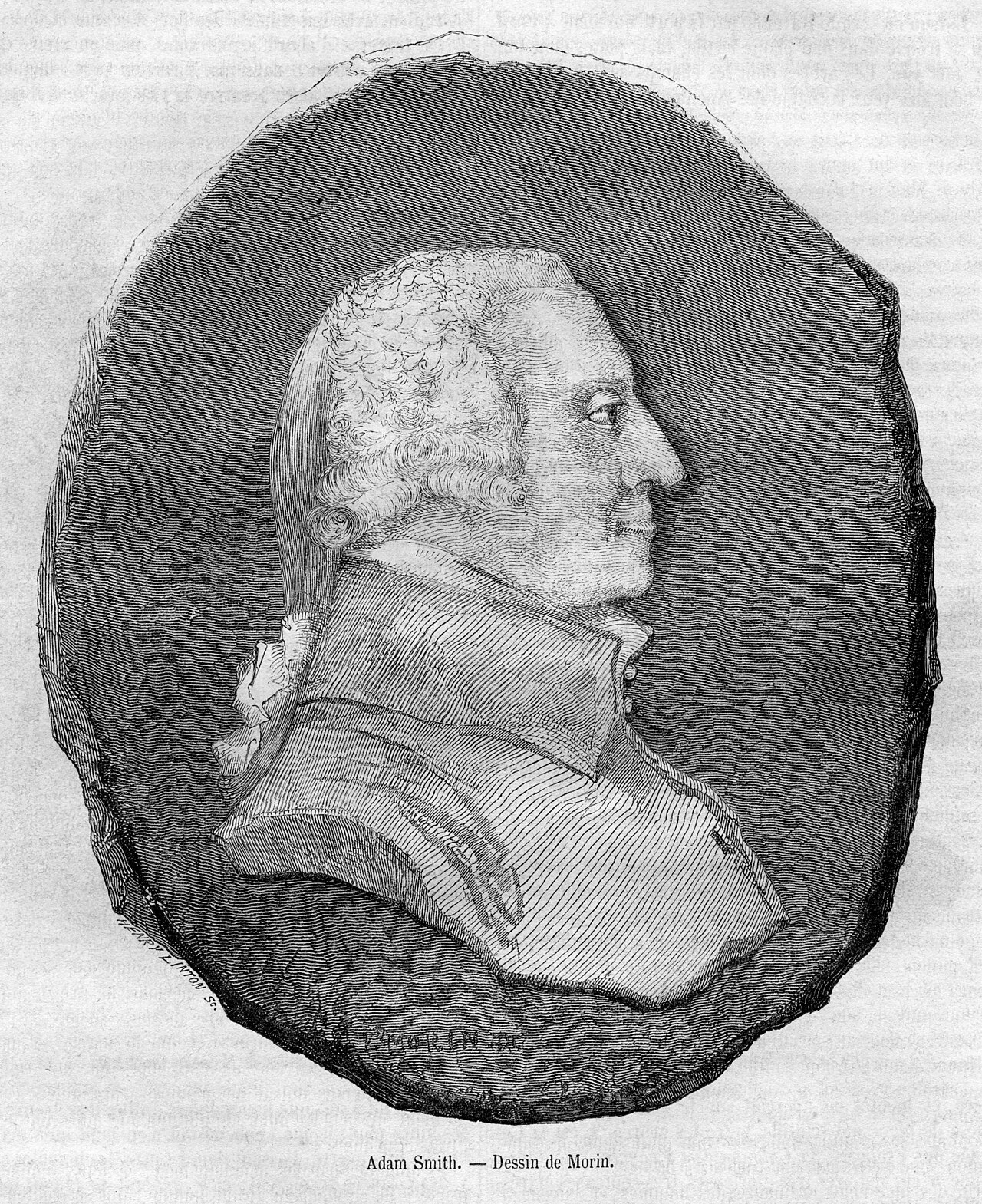 Painting
Secondary source
Henry Duff Linton after Edmond Morin · Unknown date
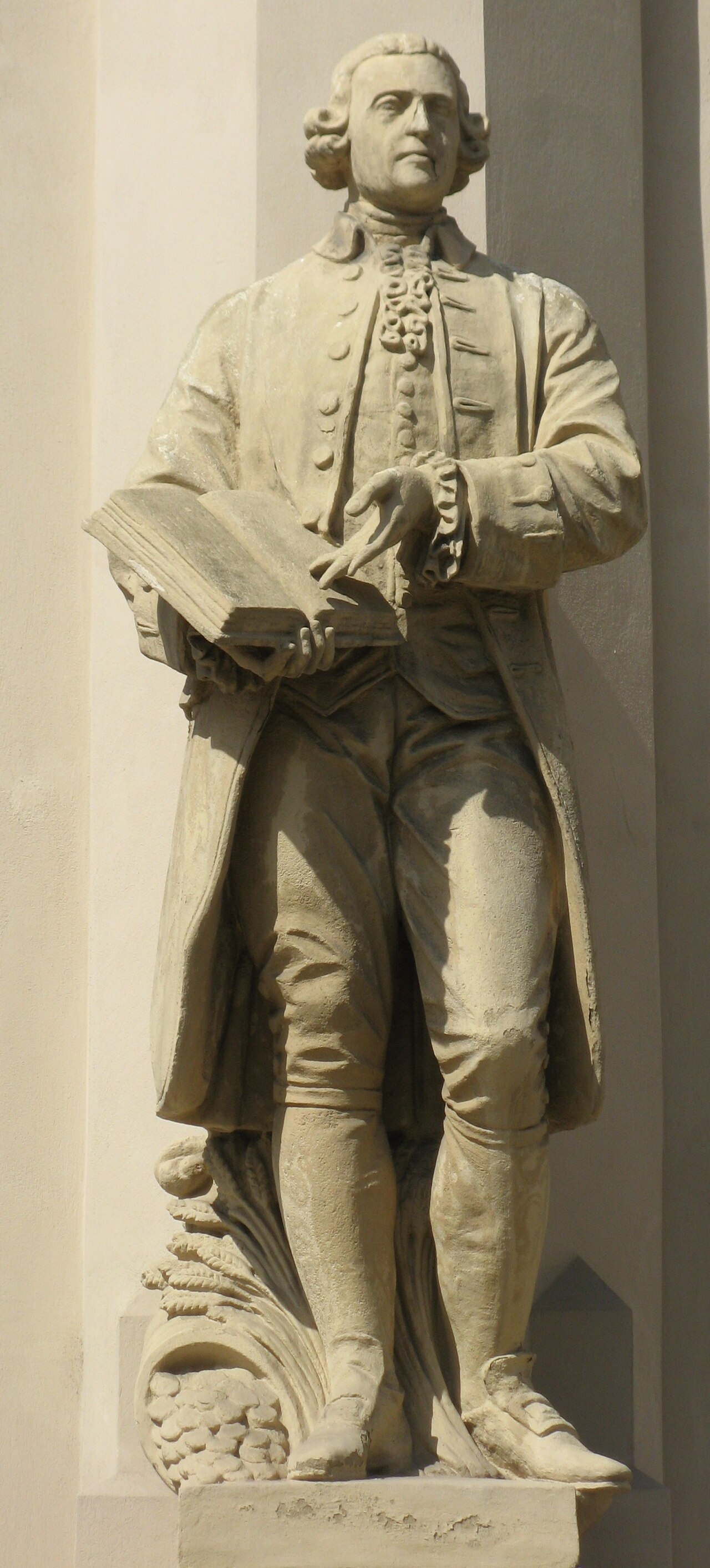 Sculpture
Secondary source
Josef Cesar · 2011-09-02
 Book
Secondary source
James Anson Farrer
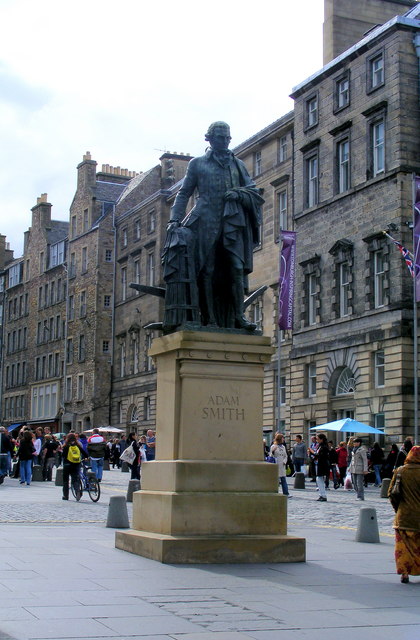 Sculpture
Secondary source
Ann Harrison · 2009-07-18
 Book
Primary source
Adam Smith
Primary source
1777
 Book
Secondary source
William Draper
Secondary source
Joseph Shield Nicholson · December 1893
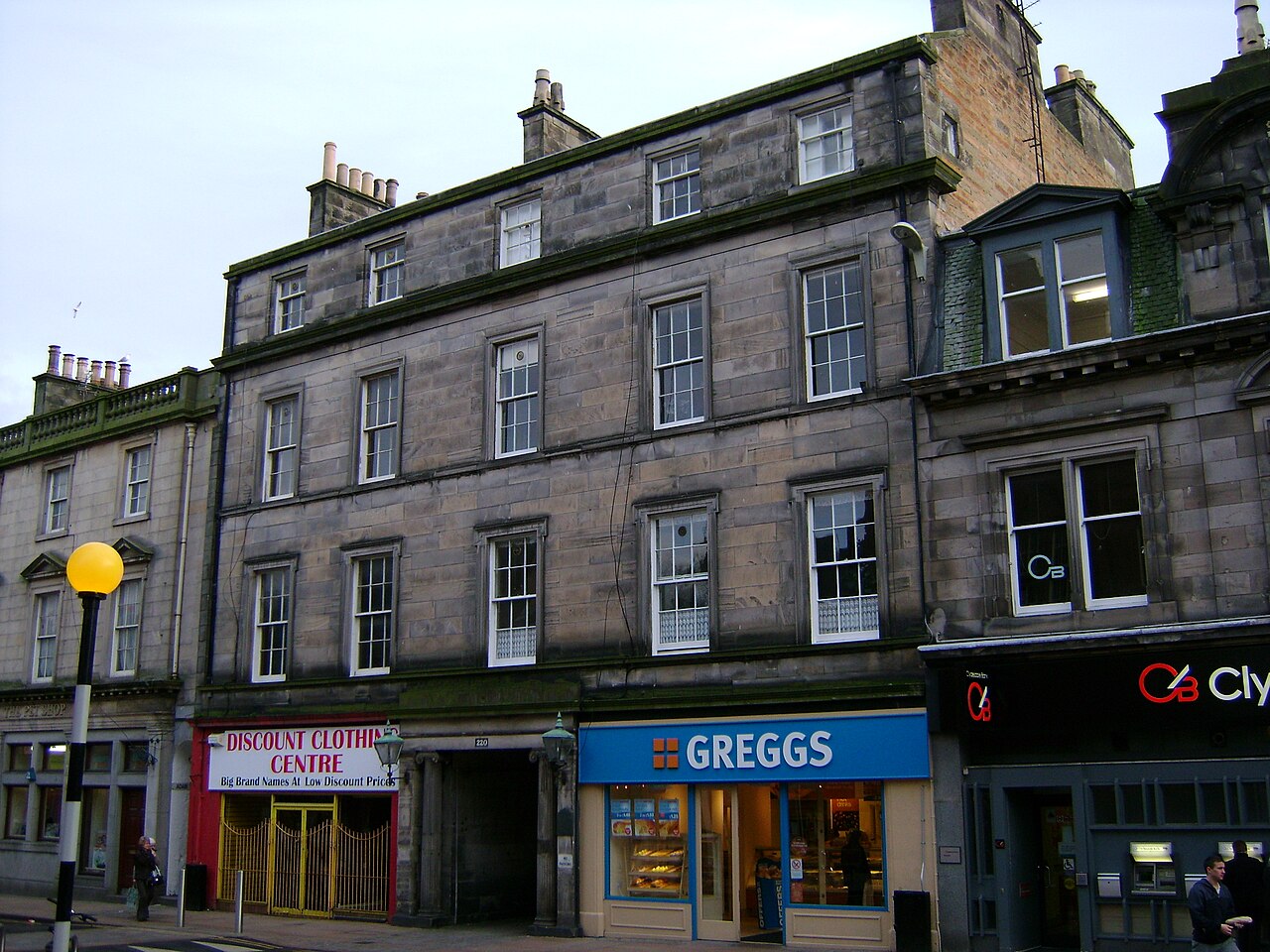 Photograph
Secondary source
Kilnburn · 2009-01-16
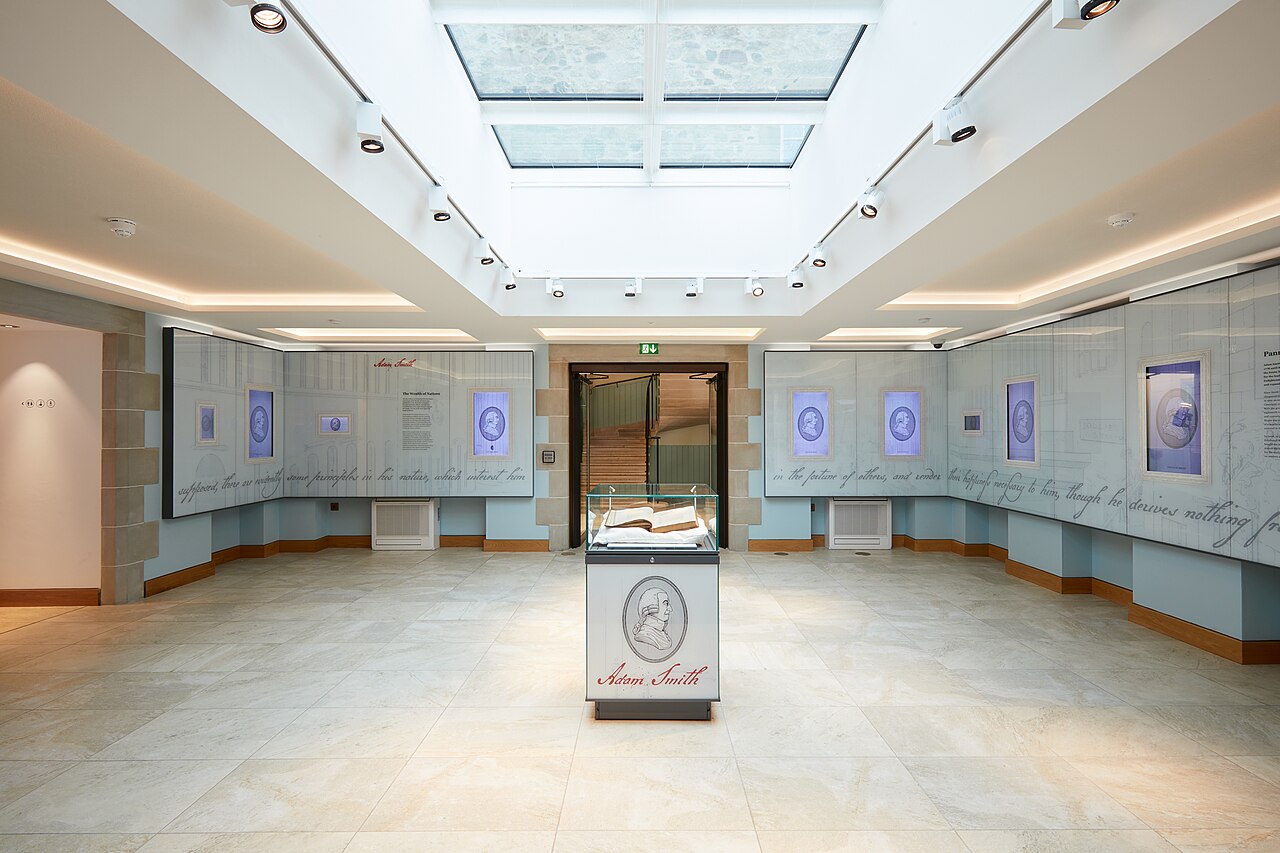 Photograph
Secondary source
Panmurehouse · 2020-08-19
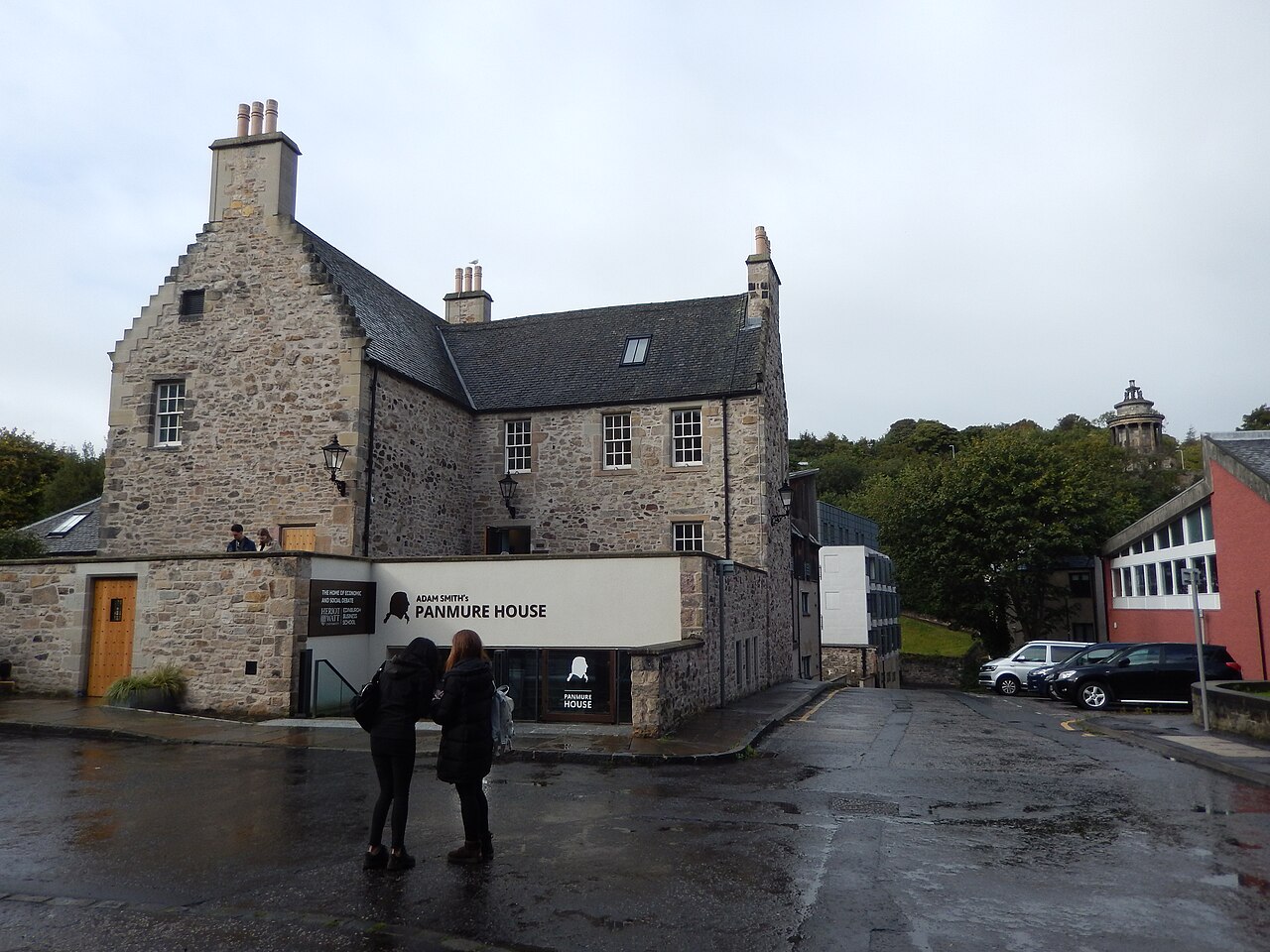 Photograph
Secondary source
AlasdairW · 2023-09-23
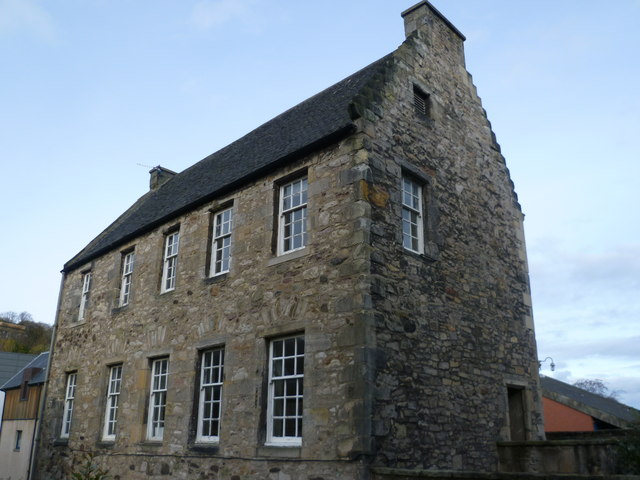 Photograph
Secondary source
Kim Traynor · 2010-11-07
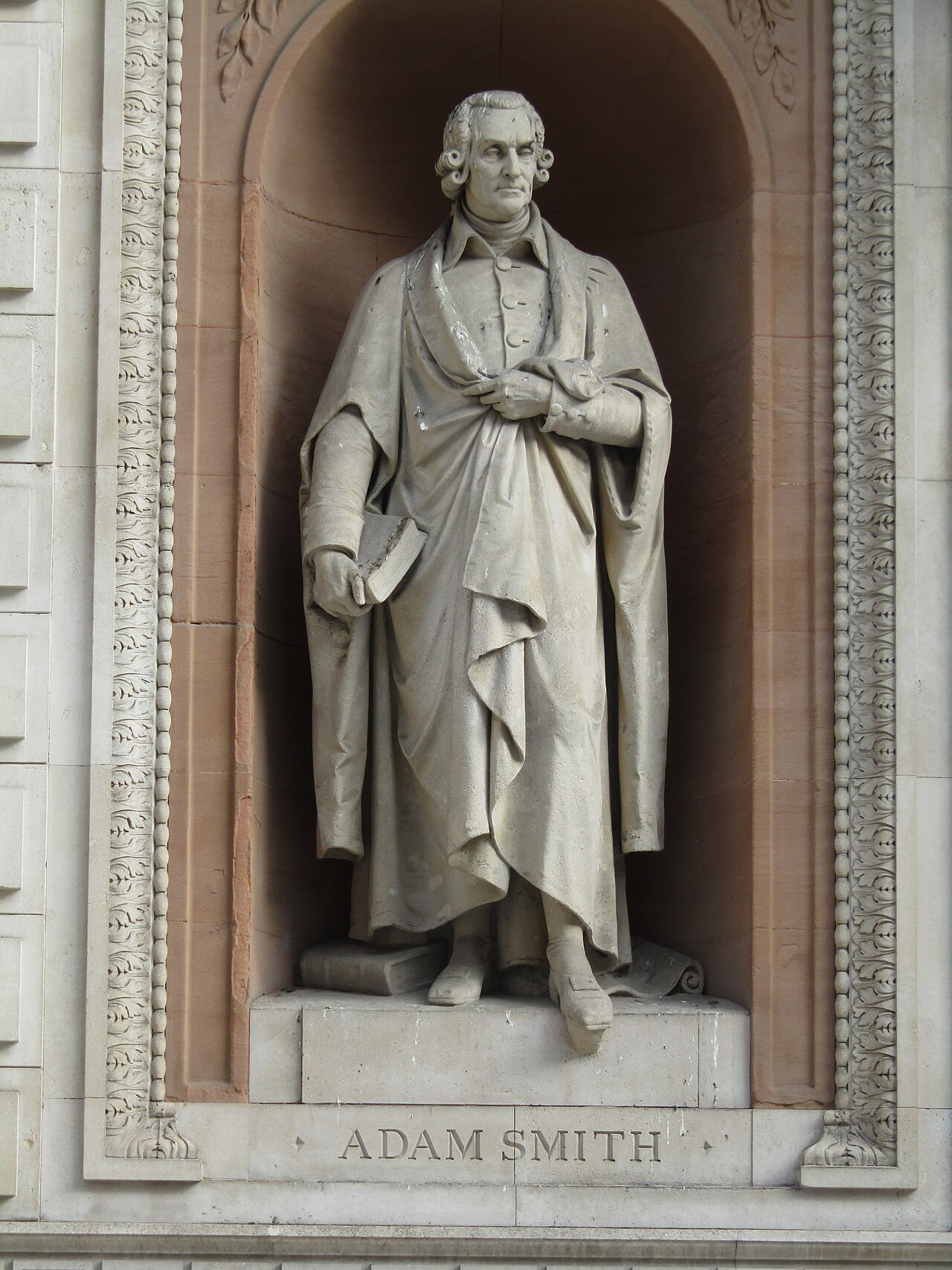 Sculpture
Secondary source
Colin Smith · 2023-05-02
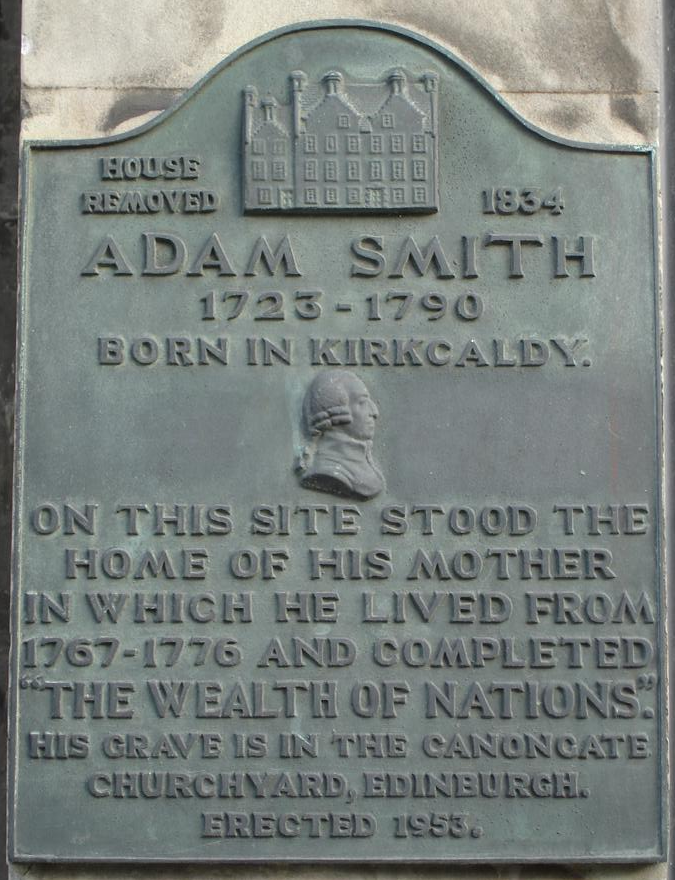 Artifact
Secondary source
James Eaton-Lee · 2006-09-10
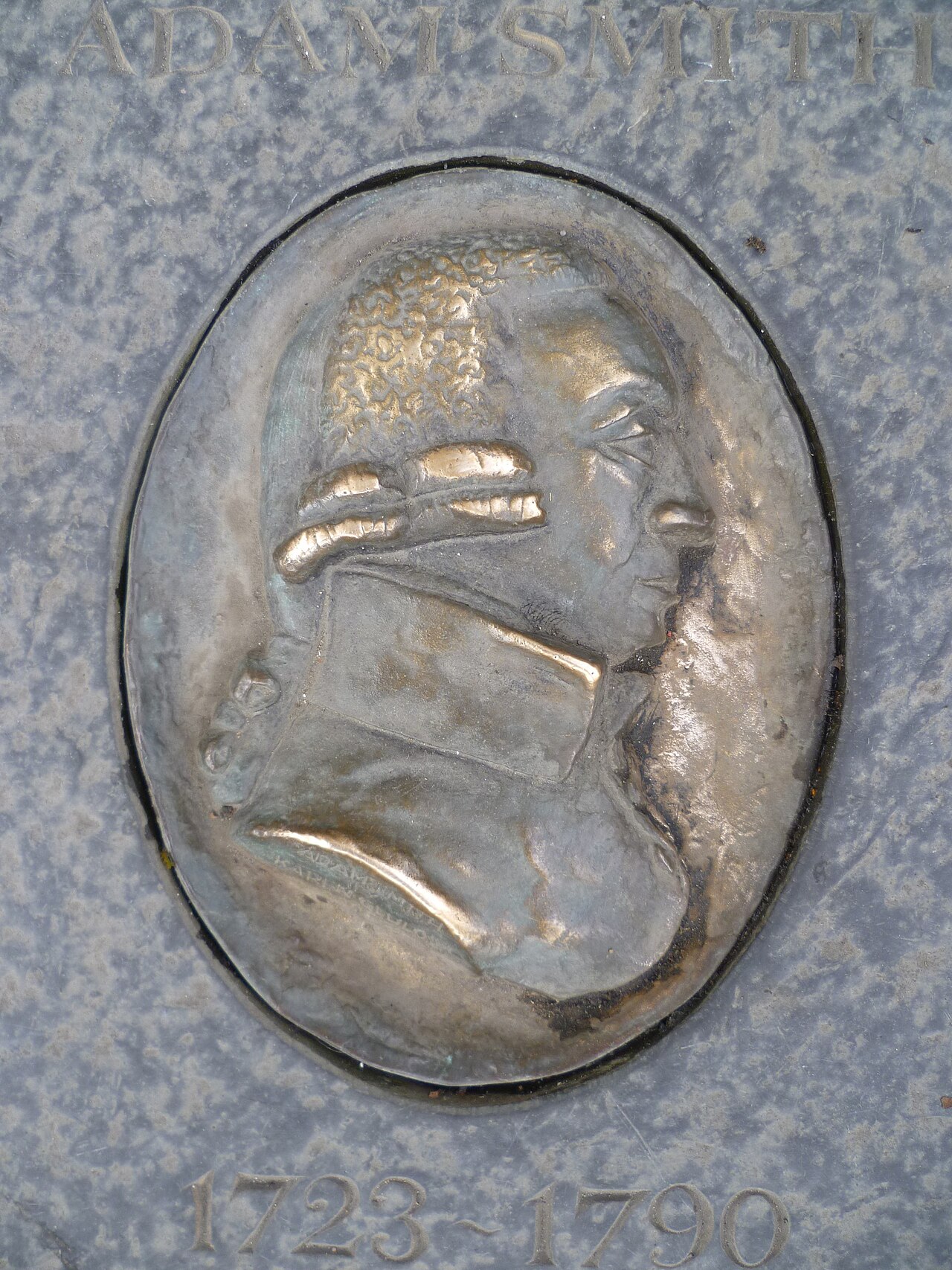 Artifact
Secondary source
Kim Traynor · 2011-10-29
 Book
Secondary source
Francis Wrigley Hirst · 1904
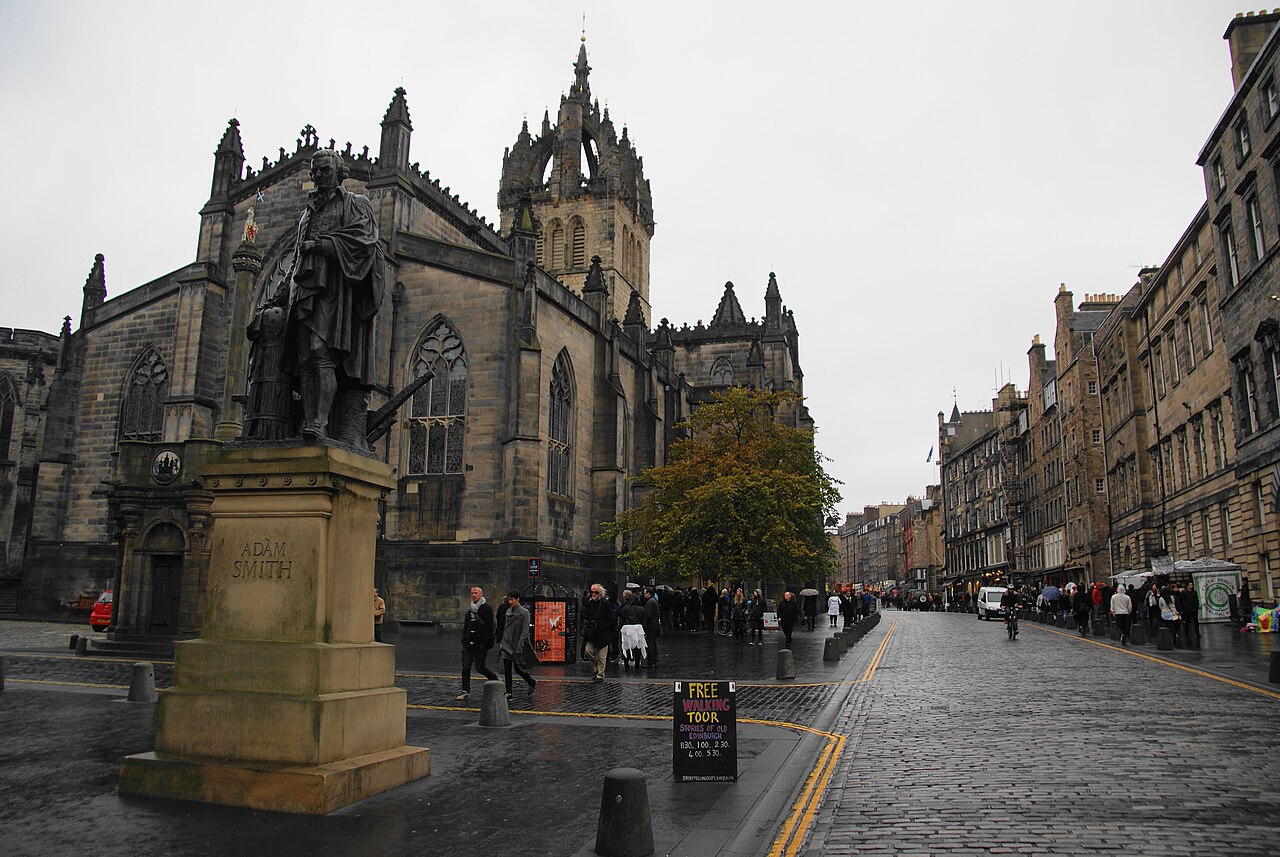 Photograph
Secondary source
Bill Boaden · 12 October 2013
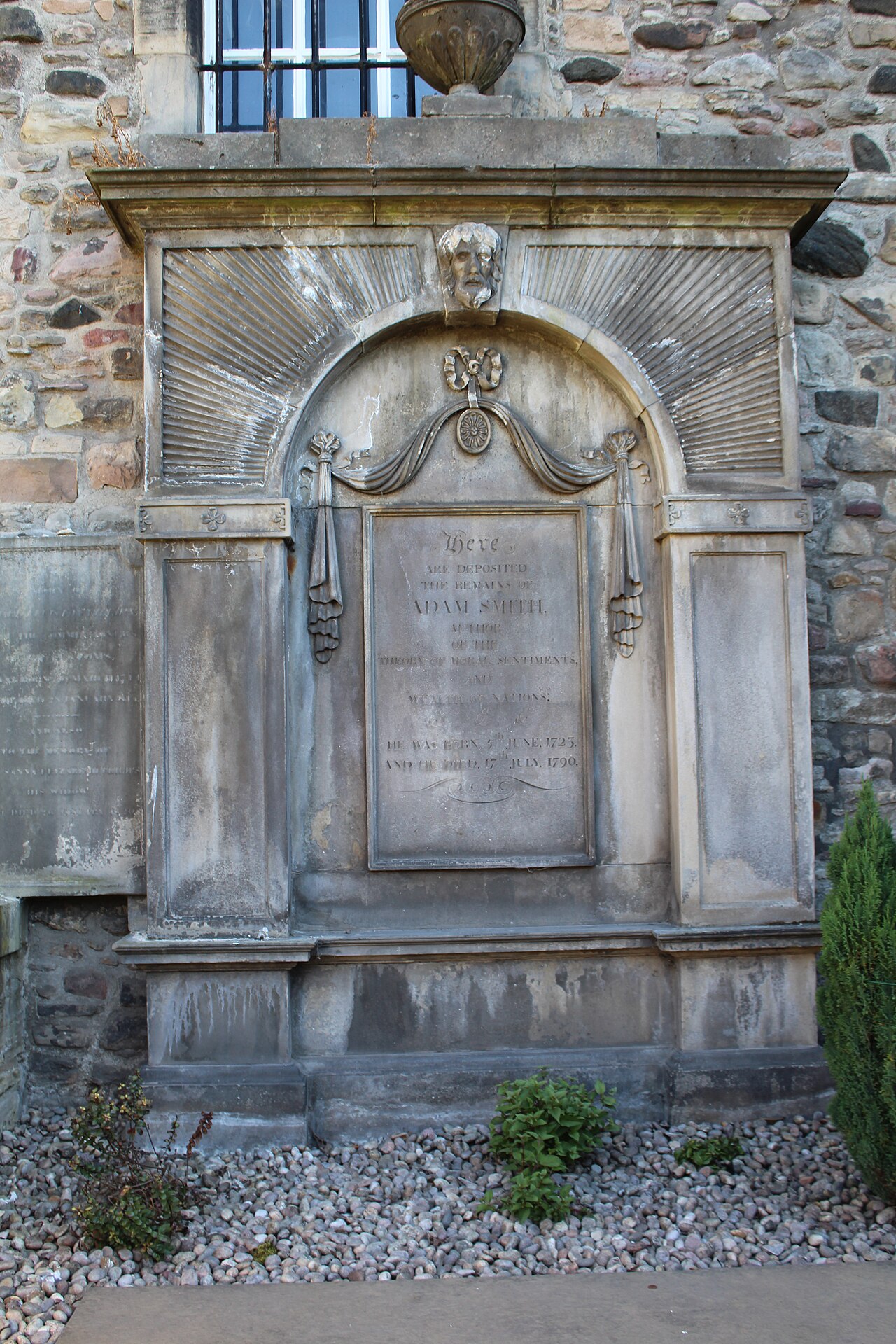 Photograph
Secondary source
Chabe01 · 24 June 2018
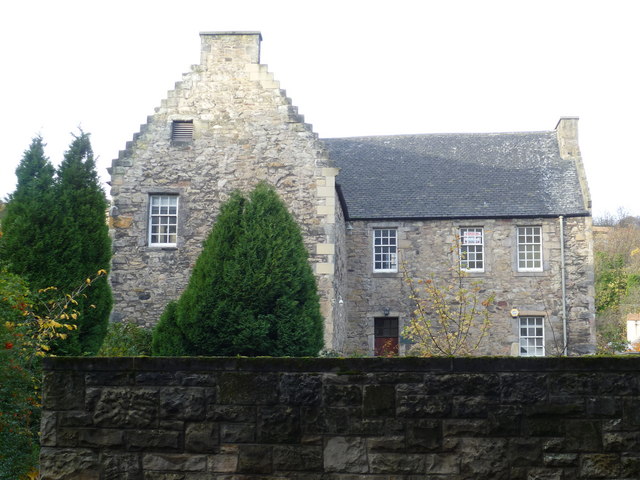 Photograph
Secondary source
Kim Traynor · 7 November 2010
Want the full shelf? Chat with Adam Smith in the app and open the Sources panel — every quote links back to the original.
2 assignments · 2 collections
Ready-made assignments and collections from the Humy team and other teachers that feature Adam Smith. Preview any of them, then try it free.
Paying customers



























Dr. Michael Calvert
Assistant Superintendent, South Allegheny School District, Pennsylvania
Been using Humy in his district since 2024
“We enjoyed the program last year and used it frequently.”

Jacob Chisom
World and American History, Monticello High School, Arkansas
Been using Humy in his classroom since 2024
“My students say it’s a welcome change of pace. I’m not a fan of the “sage on the stage” model, so I try to incorporate research-oriented and self-paced activities. With Humy, students have to take charge of their learning. They’ve become more adept at critical thinking, forming better questions, and improving their reading comprehension. The interview feature has been my go-to tool. I create assignments where students must ask historical figures a set number of questions, then summarize the responses to ensure they’re truly absorbing the material. This approach lets them actively explore the past rather than passively consuming information.”
Roger Campbell
7th-grade World History, Lancaster County, Pennsylvania
Been using Humy in his classroom since 2024
“Humy has helped me bring historical figures, sometimes long past, to life. When my students interact with these figures in real-time, it eliminates some of the perceived “ancient” characteristics of my curriculum. This has shifted my students’ thinking away from viewing history as abstract or irrelevant. Real-time interactions make historical figures relatable, even allowing students to ask off-topic questions that help put historical lives in a more relevant context for 13-year-olds. The feature I use the most is the interview feature. After teaching a topic, most recently Gandhi and Joan of Arc, I have the students ask pointed, focused questions. We practice good conversation techniques beforehand, teaching them to listen (or read) carefully and formulate thoughtful follow-up questions rather than just interrogating. It helps students practice effective conversation skills.”
Dr. Michael Calvert
Assistant Superintendent, South Allegheny School District, Pennsylvania
Been using Humy in his district since 2024
“We enjoyed the program last year and used it frequently.”
Jacob Chisom
World and American History, Monticello High School, Arkansas
Been using Humy in his classroom since 2024
“My students say it’s a welcome change of pace. I’m not a fan of the “sage on the stage” model, so I try to incorporate research-oriented and self-paced activities. With Humy, students have to take charge of their learning. They’ve become more adept at critical thinking, forming better questions, and improving their reading comprehension. The interview feature has been my go-to tool. I create assignments where students must ask historical figures a set number of questions, then summarize the responses to ensure they’re truly absorbing the material. This approach lets them actively explore the past rather than passively consuming information.”
Roger Campbell
7th-grade World History, Lancaster County, Pennsylvania
Been using Humy in his classroom since 2024
“Humy has helped me bring historical figures, sometimes long past, to life. When my students interact with these figures in real-time, it eliminates some of the perceived “ancient” characteristics of my curriculum. This has shifted my students’ thinking away from viewing history as abstract or irrelevant. Real-time interactions make historical figures relatable, even allowing students to ask off-topic questions that help put historical lives in a more relevant context for 13-year-olds. The feature I use the most is the interview feature. After teaching a topic, most recently Gandhi and Joan of Arc, I have the students ask pointed, focused questions. We practice good conversation techniques beforehand, teaching them to listen (or read) carefully and formulate thoughtful follow-up questions rather than just interrogating. It helps students practice effective conversation skills.”
FAQ
Like any LLM, the AI version of Adam Smith can get details wrong. Open one of these sources in a new tab to verify what you’ve read.

Scottish philosopher and historian of the 18th century.

German poet, philosopher, and literary critic associated with the Romantic movement.

Economist known for the concept of population growth outstripping food supply.

Nobel Prize-winning economist and philosopher.

Economist known for his theory of comparative advantage.

18th-century Irish statesman, author, and political theorist known for his support of conservatism and opposition to the French Revolution.
Ready when you are
20 messages free · No credit card · Available in 50+ languages.