


Primary sourceDocument1783
Signature of Adam Smith
Adam Smith · 1783
Adam Smith's own signature from 1783, during his years as a customs commissioner.
This is Smith's own autograph, a direct physical trace of his hand from his years as a customs commissioner.

About this source
What it is
This is a reproduction of Adam Smith's handwritten signature, dated 1783, from the period when he served as a commissioner of customs in Edinburgh.
Why it matters
A signature is a direct physical trace of a historical figure's own hand. For Smith, who is remembered mostly through his printed books, a surviving autograph is a rare reminder that he was a real person who signed documents, held a government post, and lived an ordinary working life alongside his famous writing.
Look closer
- What can handwriting tell us about a person that printed text cannot?
- Why might someone keep or copy a famous person's signature?
- What kind of document might this signature have originally appeared on?
This document is part of the curated material that grounds the AI version of Adam Smith on Humy.ai — when students ask about related events, the AI can quote it and cite it.
More Adam Smith sources
Meet the AI Adam Smith →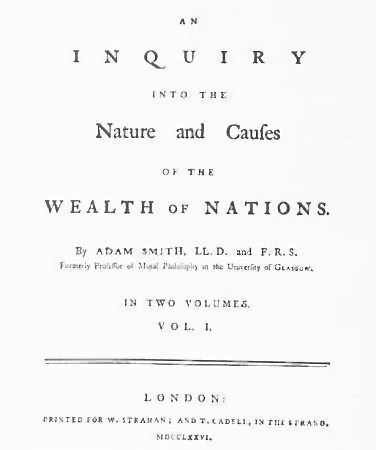 Book
Primary source
The Wealth of Nations
Adam Smith · 1776
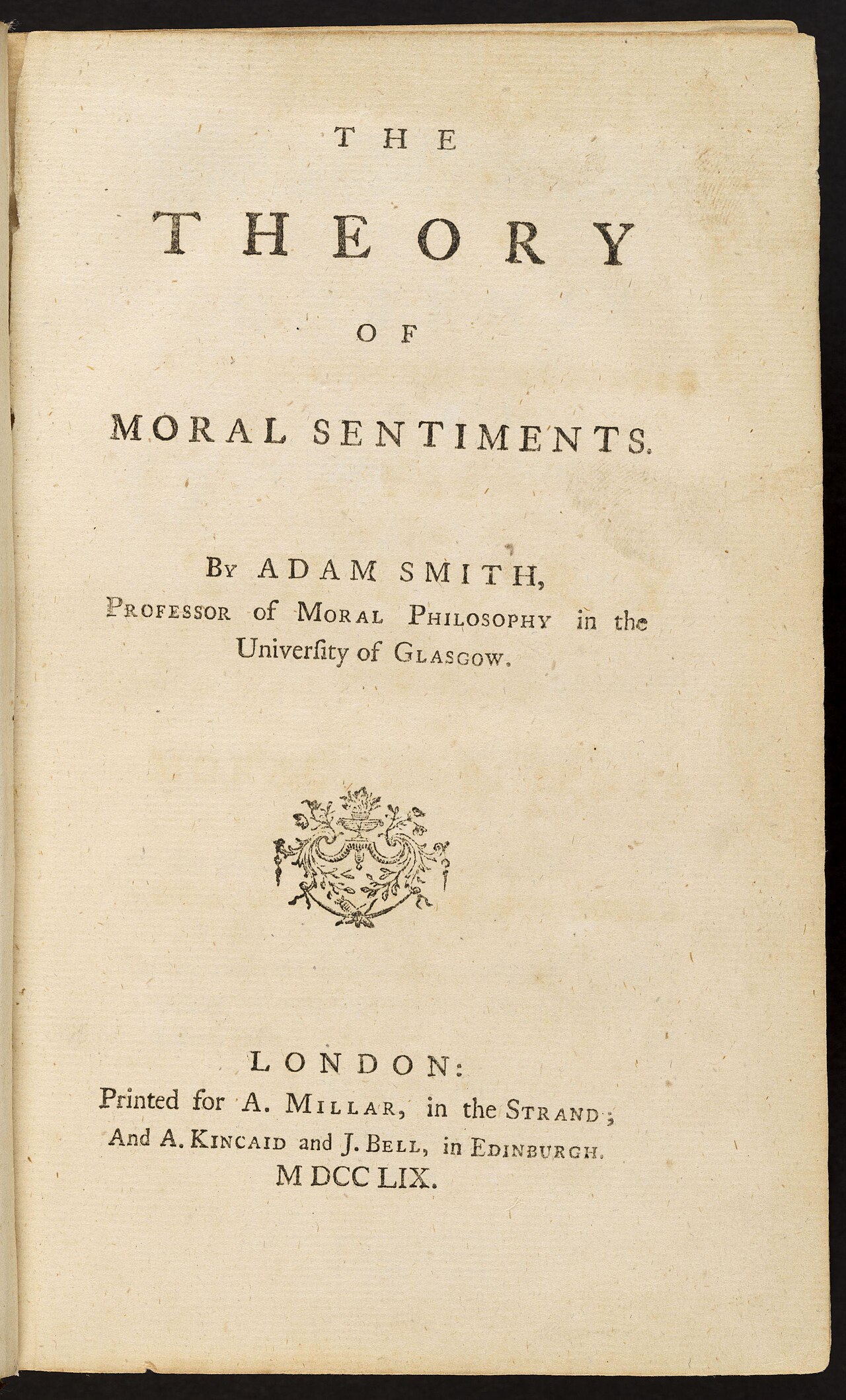 Book
Primary source
The Theory of Moral Sentiments
Adam Smith · 1759
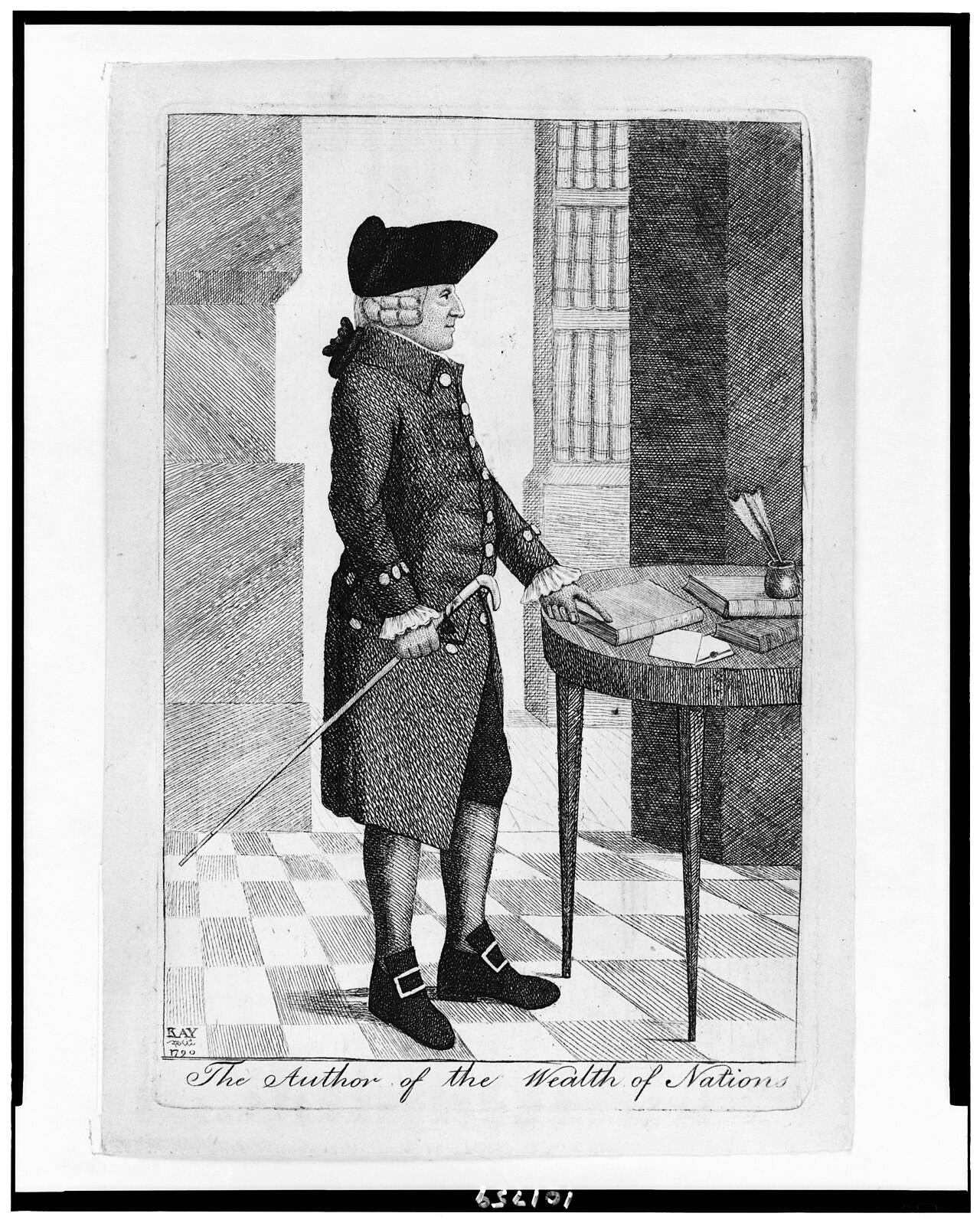 Painting
Primary source
Adam Smith, 1790
John Kay · 1790
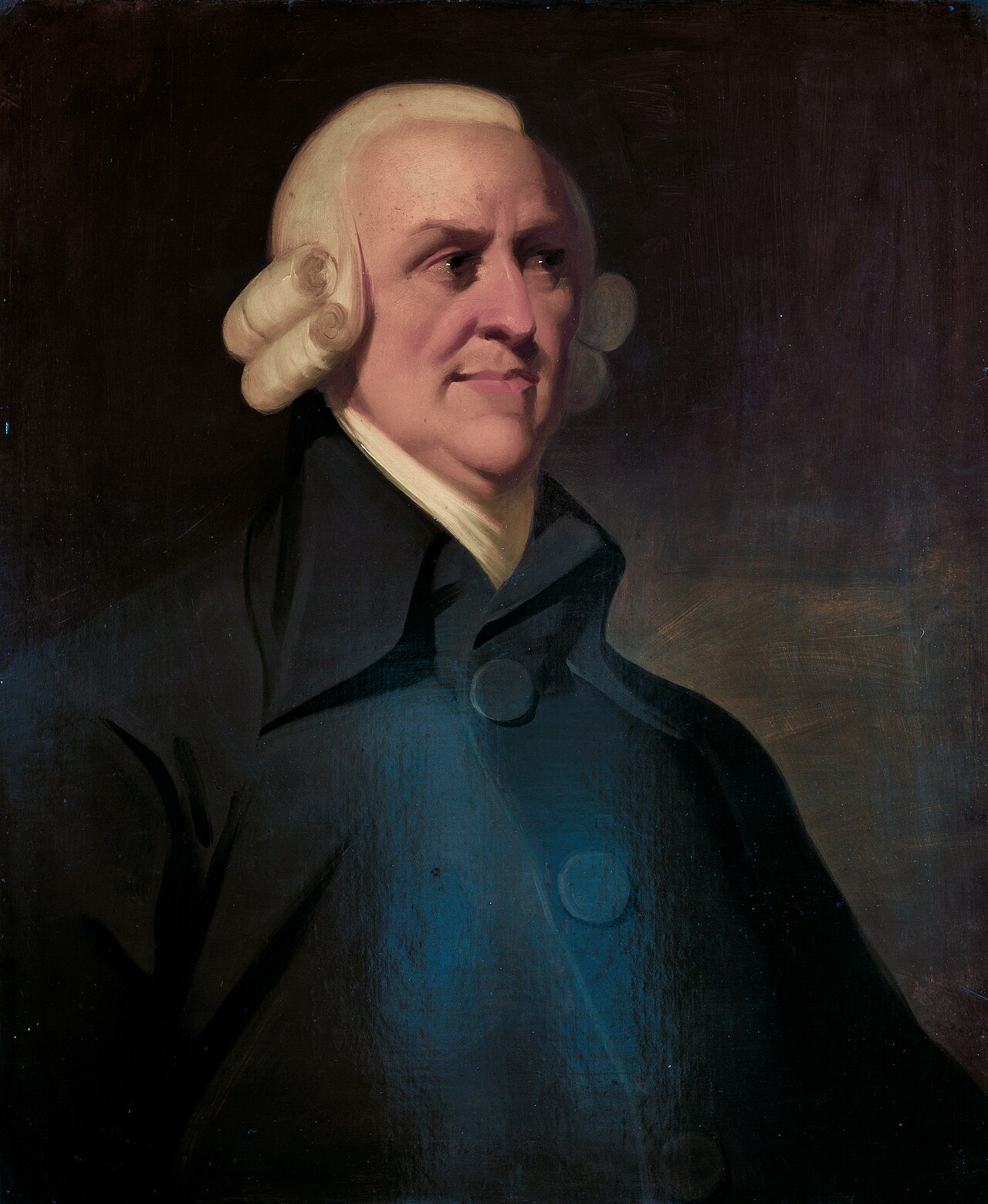 Painting
Secondary source
The Muir Portrait of Adam Smith
Unknown · c. 1790
 Artifact
Primary source
Panmure House
1691-1693 (built); Smith resided 1778-1790
Ready when you are
Start chatting with Adam Smith now.
20 messages free · No credit card · Available in 50+ languages.