


Primary sourceBook1776
The Wealth of Nations
Adam Smith · 1776
Smith's 1776 treatise on economics, setting out the division of labour and the 'invisible hand', founding modern economic thought.
Smith's own magnum opus, written by him and the foundation of his fame as an economist.
About this source
What it is
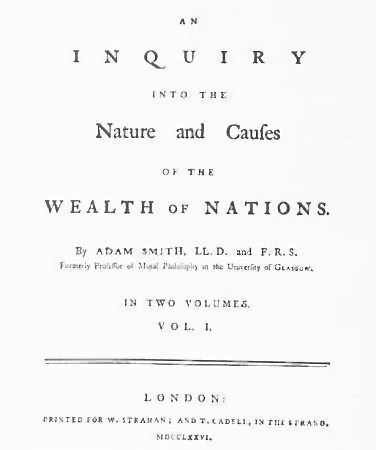
An Inquiry into the Nature and Causes of the Wealth of Nations is a book written by Adam Smith, published in two volumes in 1776. The copy shown here is a London first edition.
Why it matters
Smith's book attacked the mercantilist and feudal economic systems of his time, arguing that free exchange, competition and the division of labour (illustrated by his famous example of a pin factory) created wealth more effectively than state control. His idea of an 'invisible hand' guiding self-interest towards public benefit became one of the most influential concepts in economic history. The book shaped debates about trade, government and markets for generations, influencing thinkers from Alexander Hamilton to Karl Marx, who called it the 'true Bible' of classical political economy.
Look closer
- Why might Smith have wanted to challenge the economic policies of his government?
- What does the title page tell you about who the book was written for?
- Can you find modern debates that still use ideas from this book?
This book is part of the curated material that grounds the AI version of Adam Smith on Humy.ai — when students ask about related events, the AI can quote it and cite it.
More Adam Smith sources
Meet the AI Adam Smith →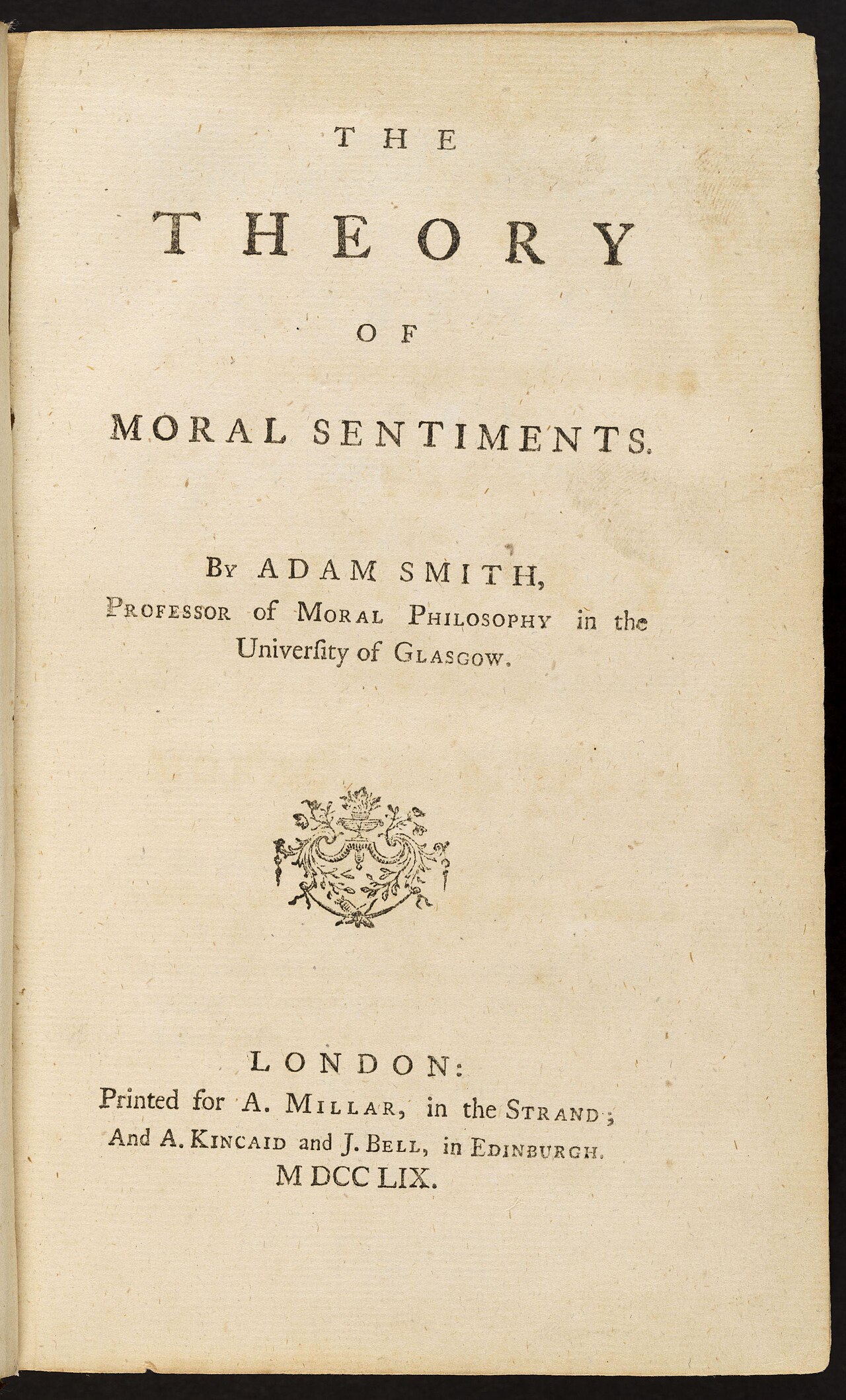 Book
Primary source
The Theory of Moral Sentiments
Adam Smith · 1759
 Painting
Primary source
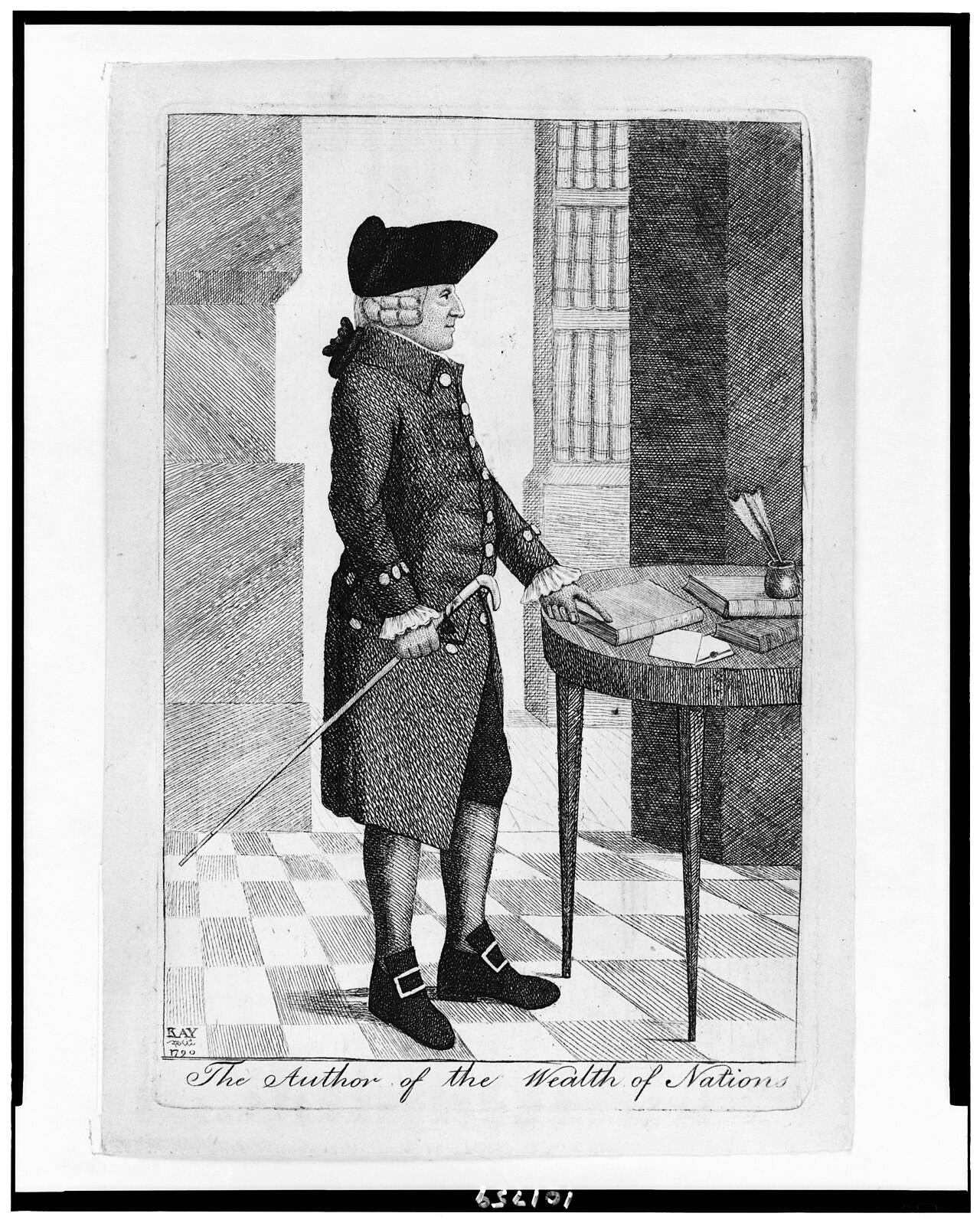
Adam Smith, 1790
John Kay · 1790
 Painting
Secondary source
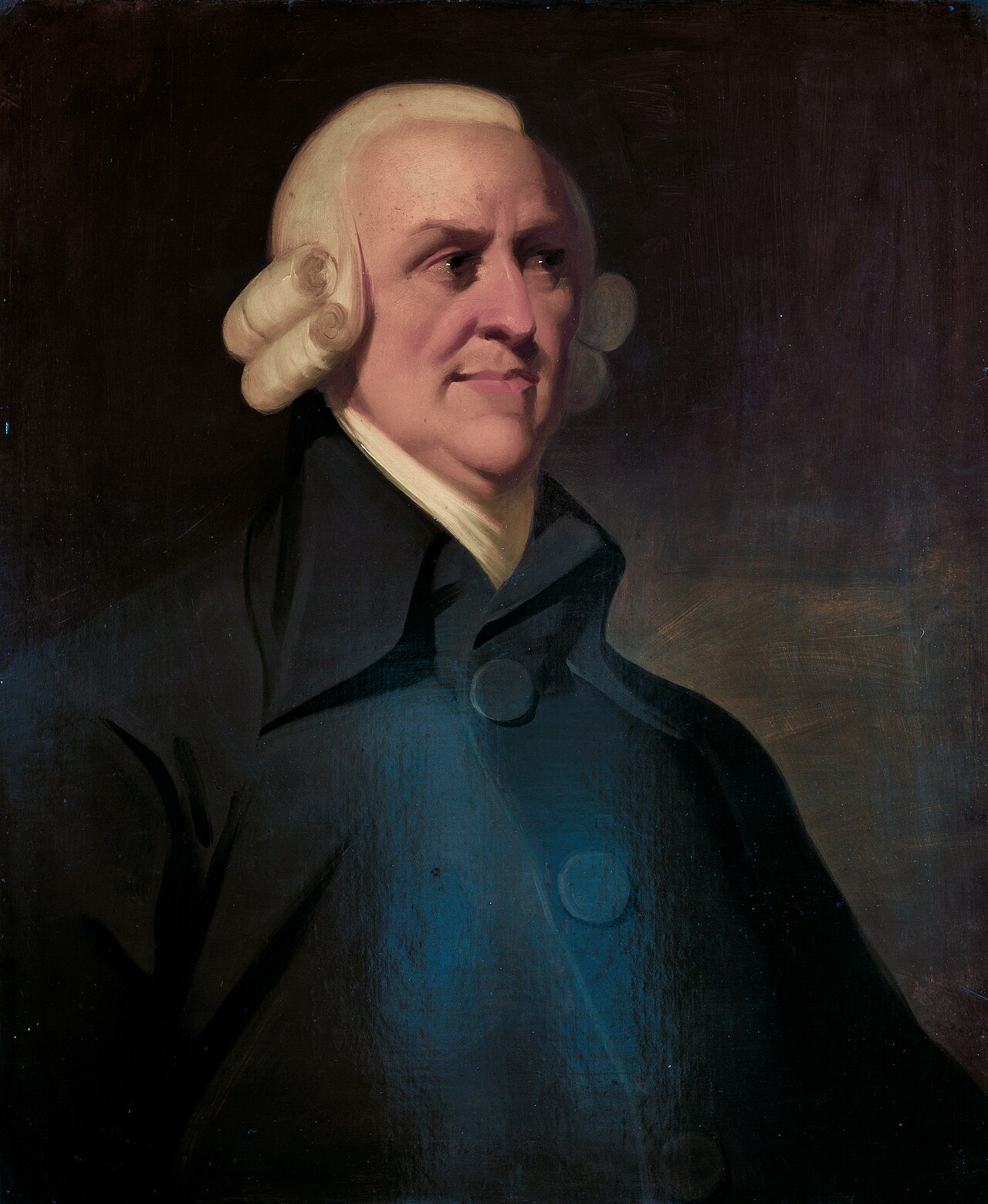
The Muir Portrait of Adam Smith
Unknown · c. 1790
 Artifact
Primary source
Panmure House
1691-1693 (built); Smith resided 1778-1790
 Painting
Secondary source
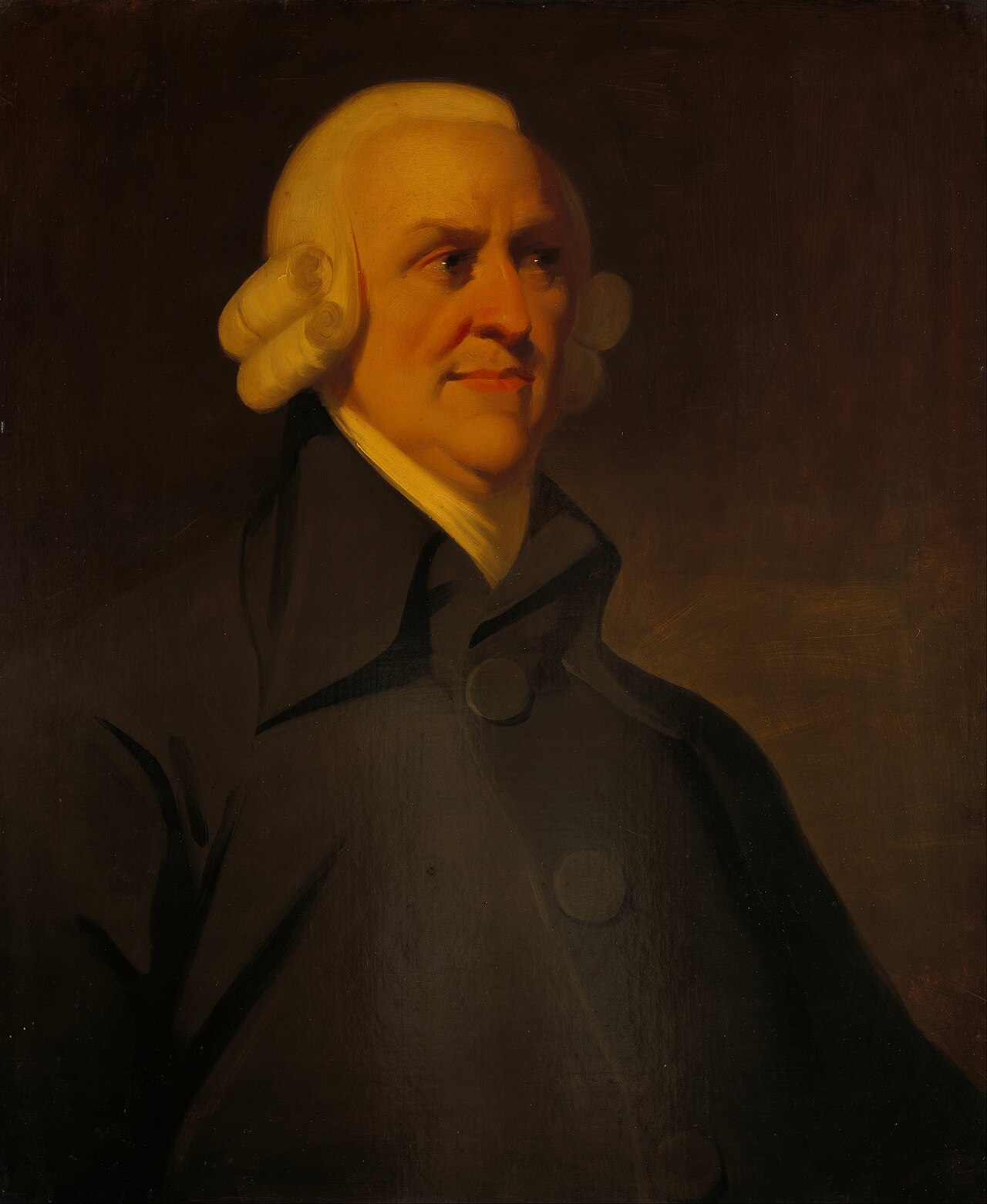
Adam Smith, Political Economist, Portrait of 1800
Unknown (Scottish) · c. 1800
Ready when you are
Start chatting with Adam Smith now.
20 messages free · No credit card · Available in 50+ languages.