


Primary sourceDocument1759
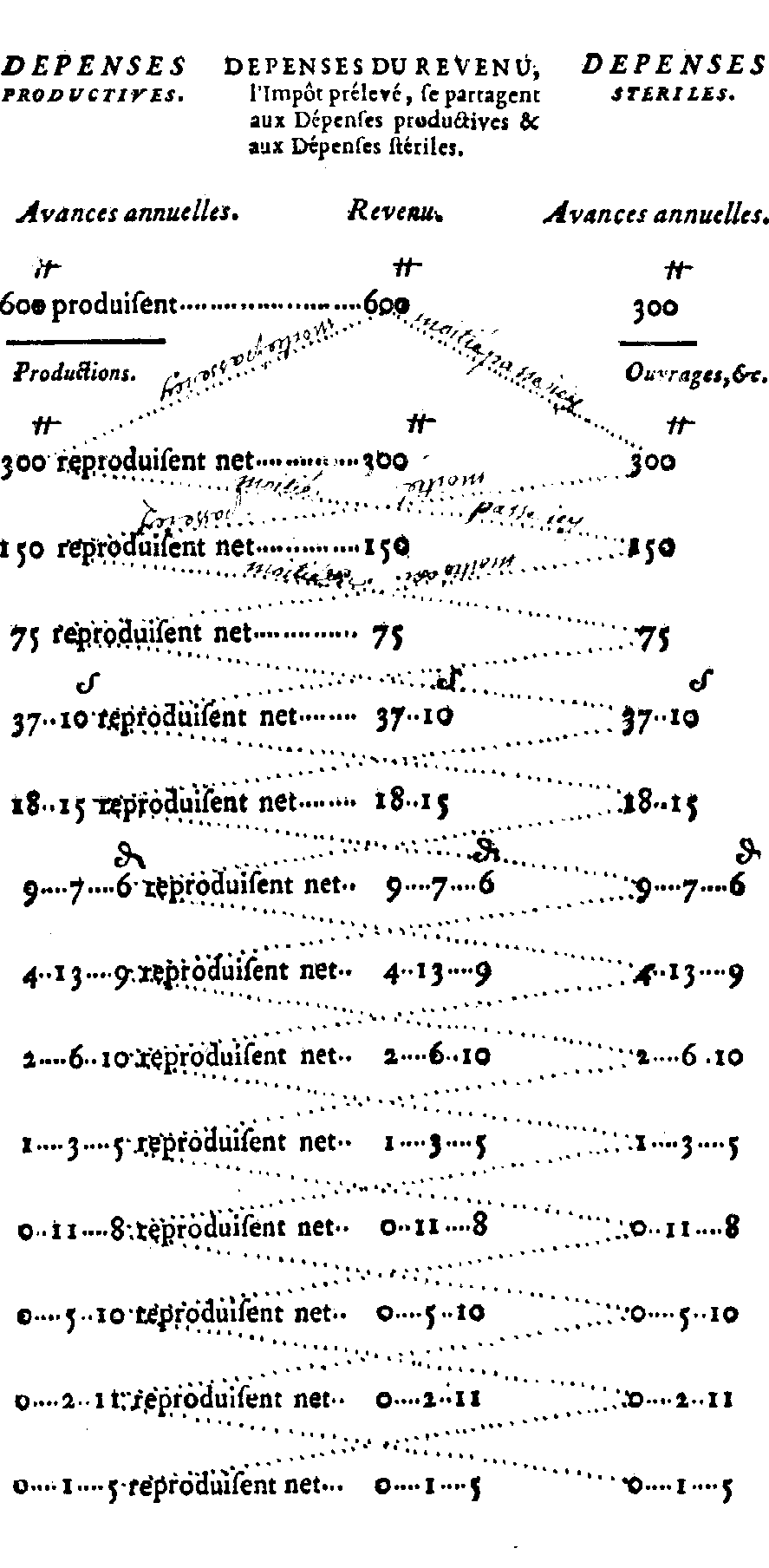
Tableau économique
François Quesnay · 1759
Quesnay's 1759 diagram of agricultural flows in the economy, the physiocratic model that Smith discussed with Quesnay in Paris and later critiqued in The Wealth of Nations.
Smith discussed this physiocratic model with Quesnay in Paris and critiqued it in Book IV of The Wealth of Nations.
About this source
What it is
This is a printed diagram created by French economist François Quesnay in 1758-59. It uses columns and dotted lines connecting figures to show how money and goods flow between landowners, farmers and merchants in an agricultural economy.
Why it matters
Quesnay's Tableau laid out the physiocratic theory that land and agriculture, not trade or industry, were the true source of a nation's wealth. Adam Smith met Quesnay in Paris in 1766 and discussed this very system with him. Smith later used Book IV of The Wealth of Nations to challenge the physiocrats, arguing that labour and trade also create wealth, not just farming. The Tableau shows the kind of economic thinking Smith was reacting against when he built his own theory.
Look closer
- Why might a diagram with numbers and arrows be a convincing way to argue about the economy?
- Whose work does this model leave out or undervalue?
- What questions would you ask Quesnay about the merchants and artisans in his model?
This document is part of the curated material that grounds the AI version of Adam Smith on Humy.ai — when students ask about related events, the AI can quote it and cite it.
More Adam Smith sources
Meet the AI Adam Smith →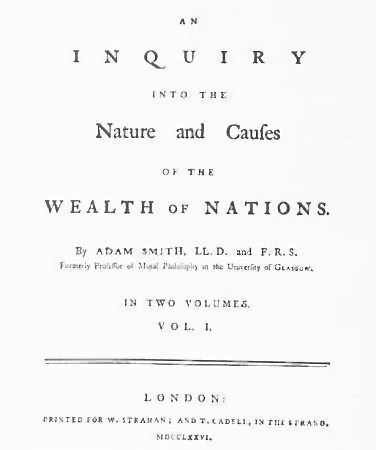 Book
Primary source
The Wealth of Nations
Adam Smith · 1776
 Book
Primary source
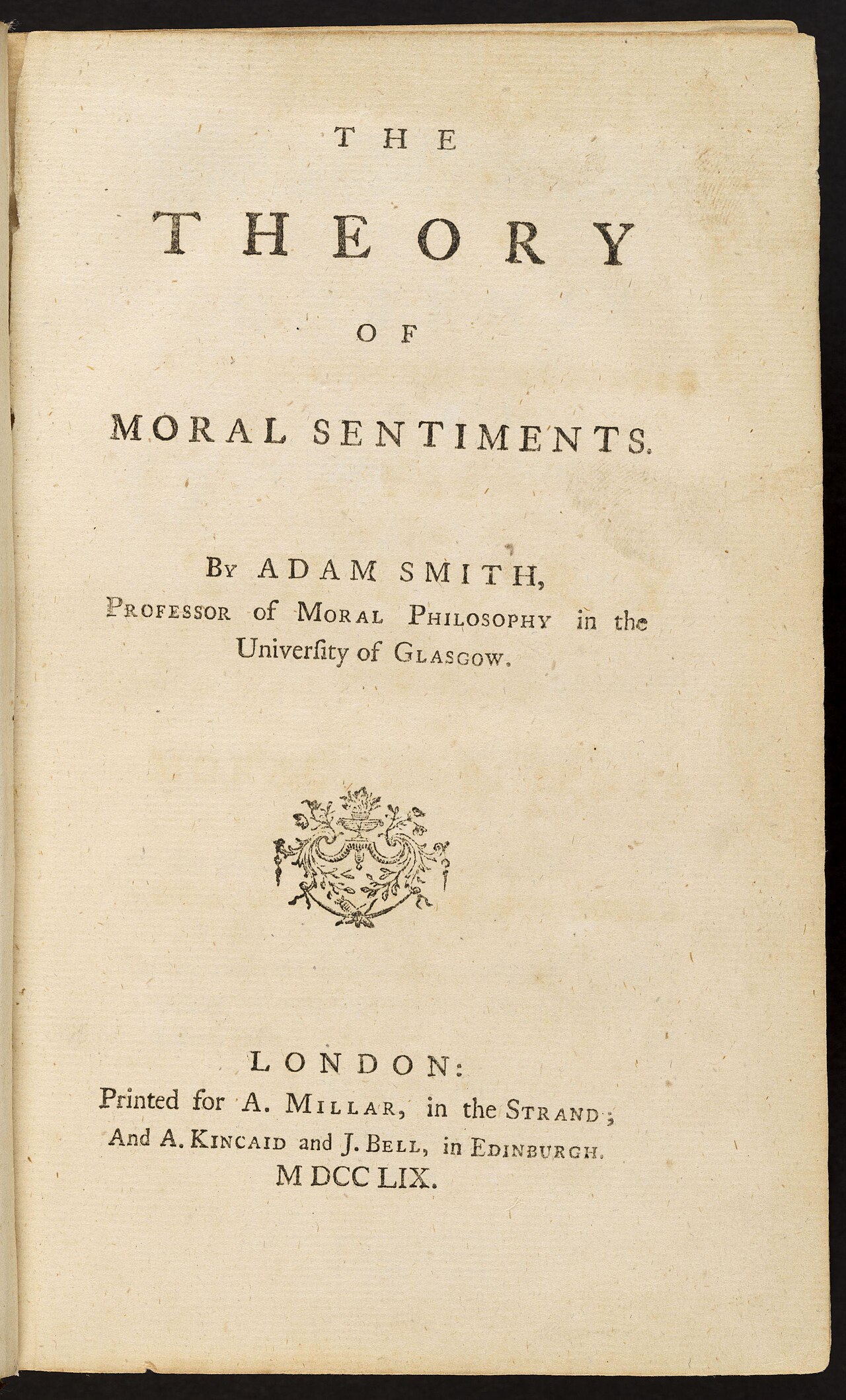
The Theory of Moral Sentiments
Adam Smith · 1759
 Painting
Primary source
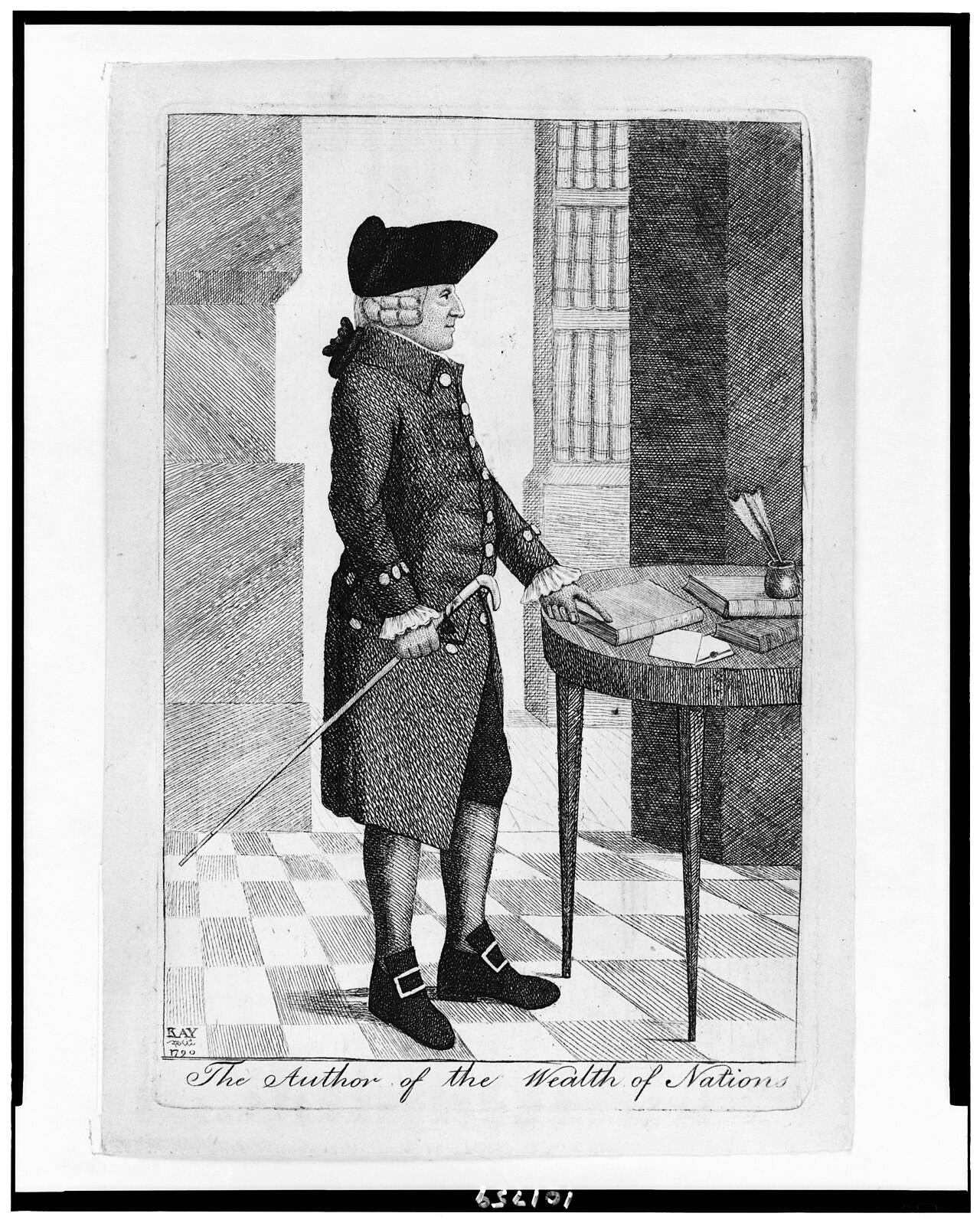
Adam Smith, 1790
John Kay · 1790
 Painting
Secondary source
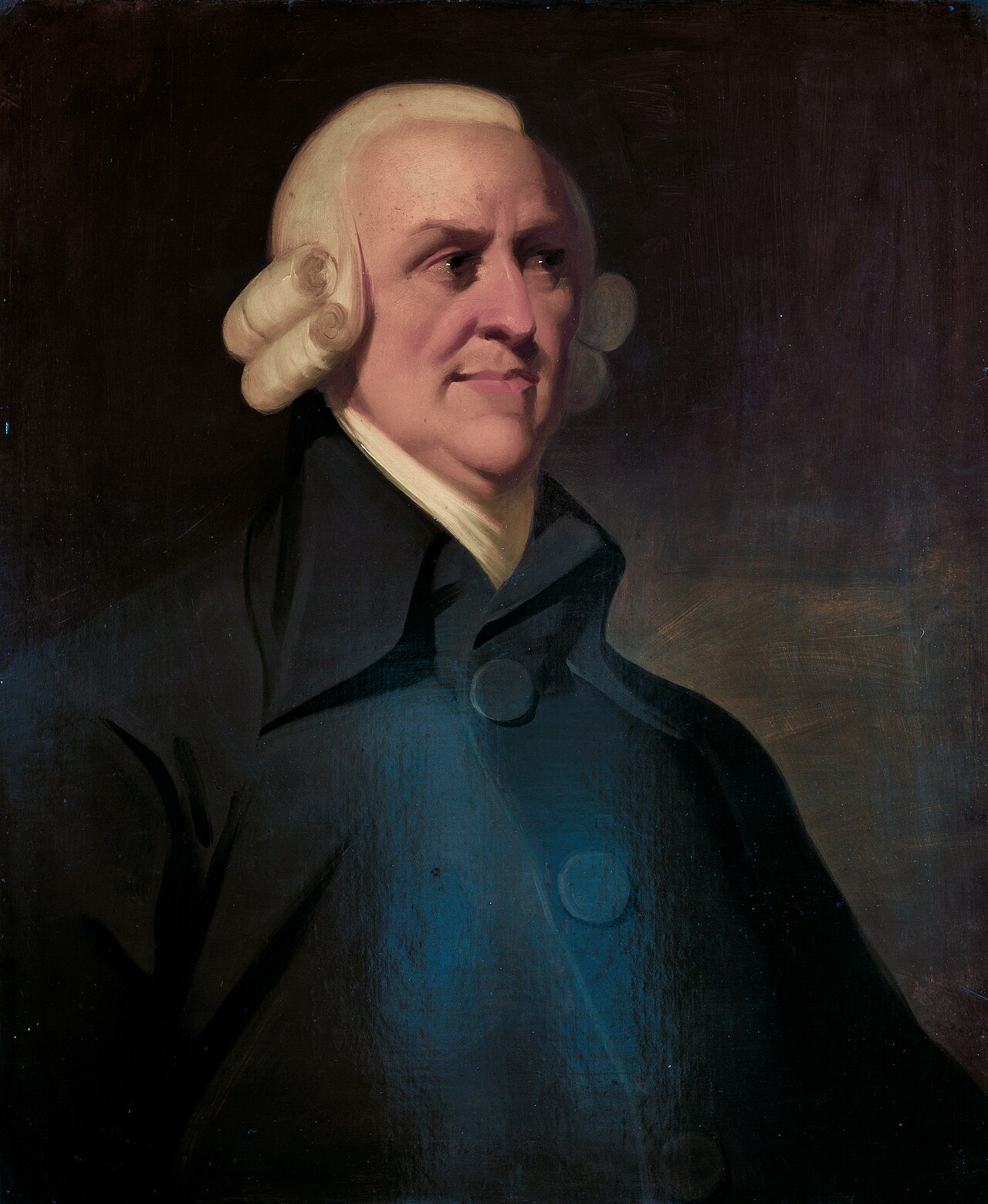
The Muir Portrait of Adam Smith
Unknown · c. 1790
 Artifact
Primary source
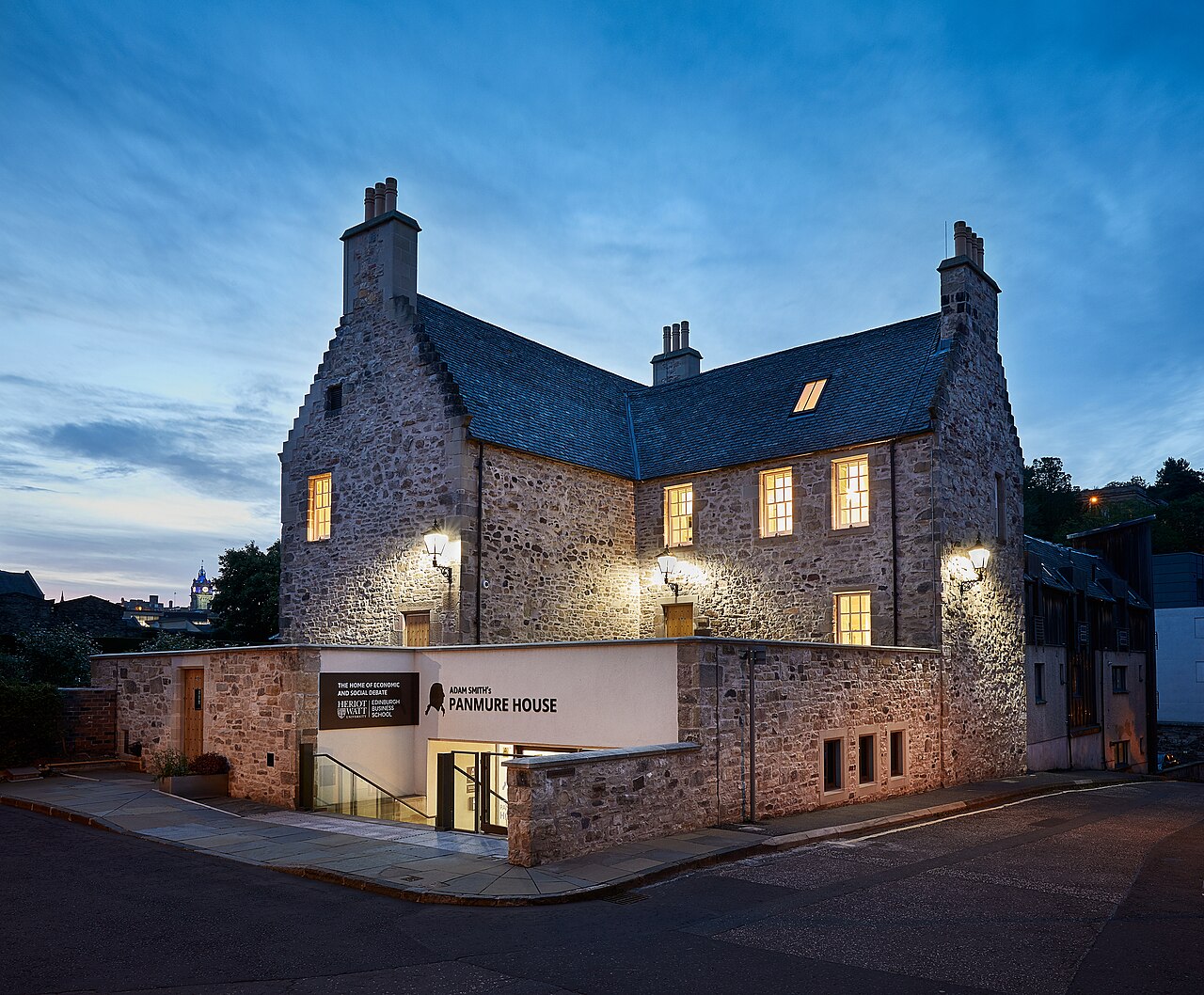
Panmure House
1691-1693 (built); Smith resided 1778-1790
Ready when you are
Start chatting with Adam Smith now.
20 messages free · No credit card · Available in 50+ languages.