


Secondary sourceArtifactafter 1790
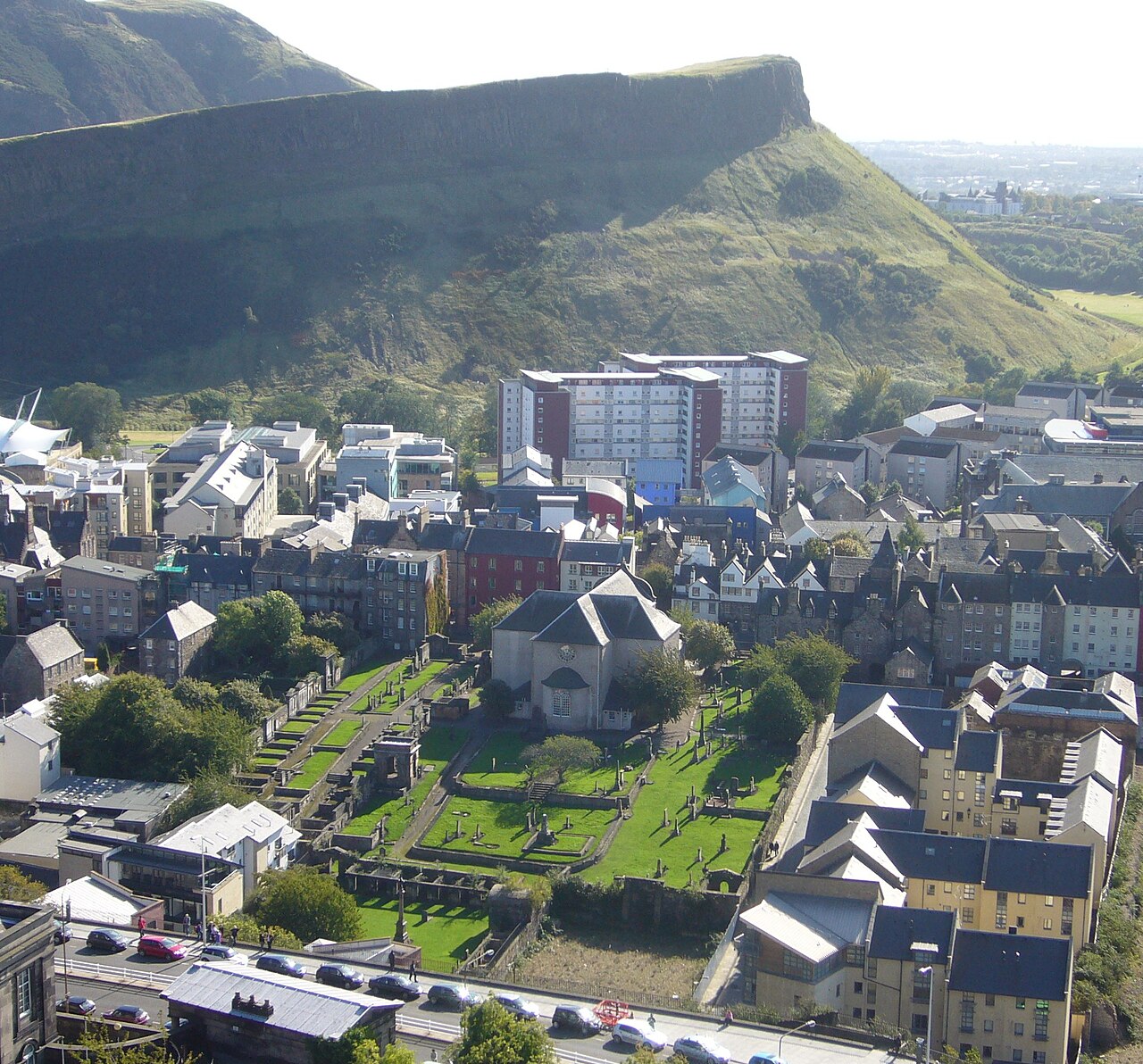
Canongate Kirkyard
after 1790
A historic Edinburgh churchyard where Adam Smith was buried in 1790, near his home at Panmure House.
Smith was buried here in 1790, and his tomb stands as a lasting marker of his life and death in Edinburgh.
About this source
What it is
Canongate Kirkyard is a graveyard surrounding Canongate Kirk on Edinburgh's Royal Mile, used for burials from the late 1680s into the 20th century. It holds the graves of many notable Edinburgh residents, including the economist Adam Smith and the poet Robert Fergusson.
Why it matters
The kirkyard shows how Edinburgh honoured its scholars, clergy, doctors and civic leaders of the Enlightenment era. Smith's tomb here, close to Panmure House where he lived, marks the final resting place of one of the era's most influential thinkers, alongside figures from medicine, religion and city government who shaped the same intellectual world.
Look closer
- Why might a graveyard be considered an important historical source, not just a cemetery?
- What does the choice of burial location tell us about Smith's connections to the city?
- What other kinds of people are buried here, and what does that reveal about Edinburgh's society at the time?
This artifact is part of the curated material that grounds the AI version of Adam Smith on Humy.ai — when students ask about related events, the AI can quote it and cite it.
More Adam Smith sources
Meet the AI Adam Smith →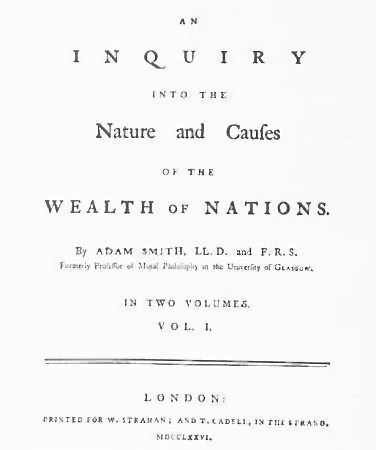 Book
Primary source
The Wealth of Nations
Adam Smith · 1776
 Book
Primary source
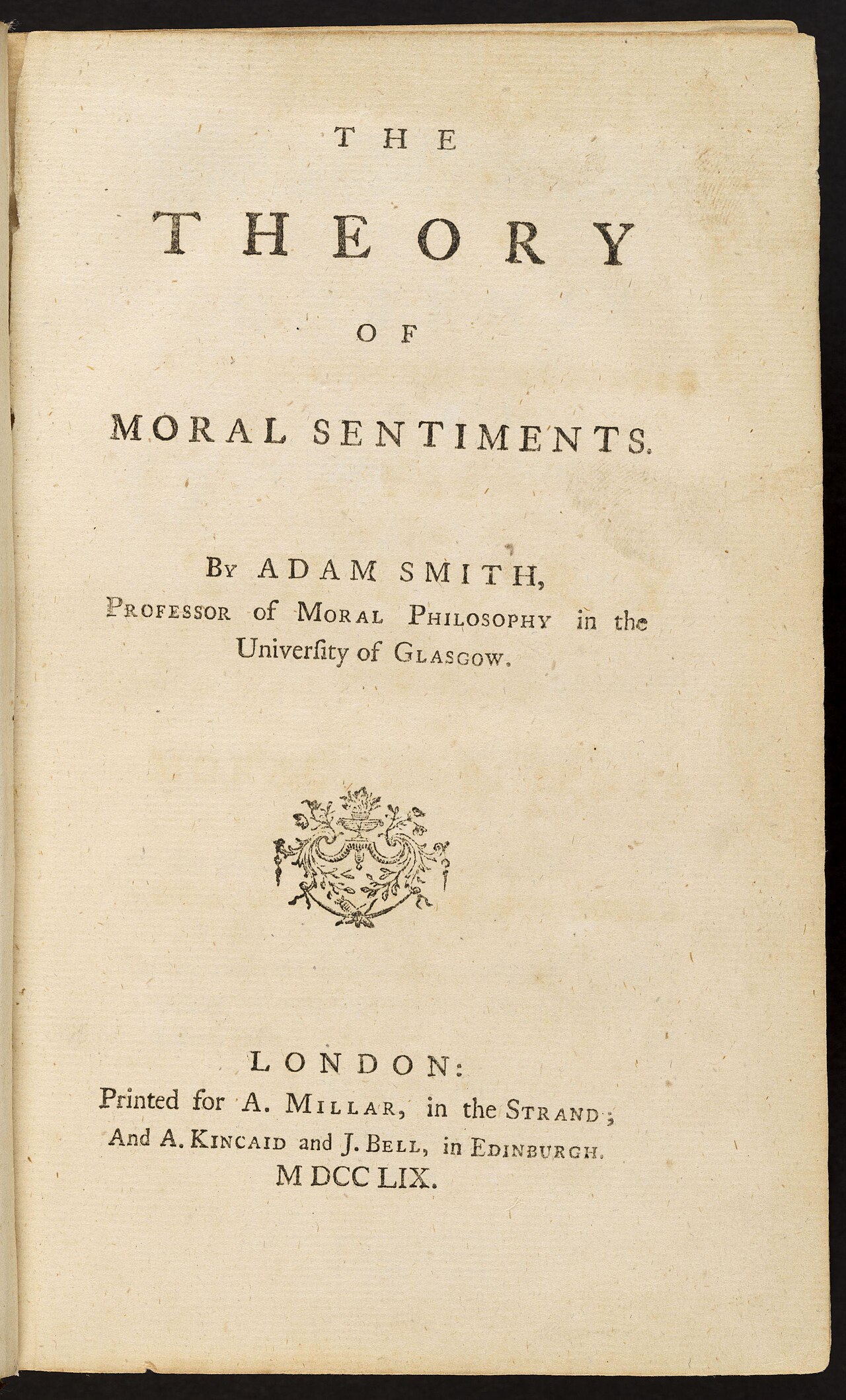
The Theory of Moral Sentiments
Adam Smith · 1759
Primary source
An Old Master and Other Political Essays
Woodrow Wilson · 1893
 Painting
Primary source
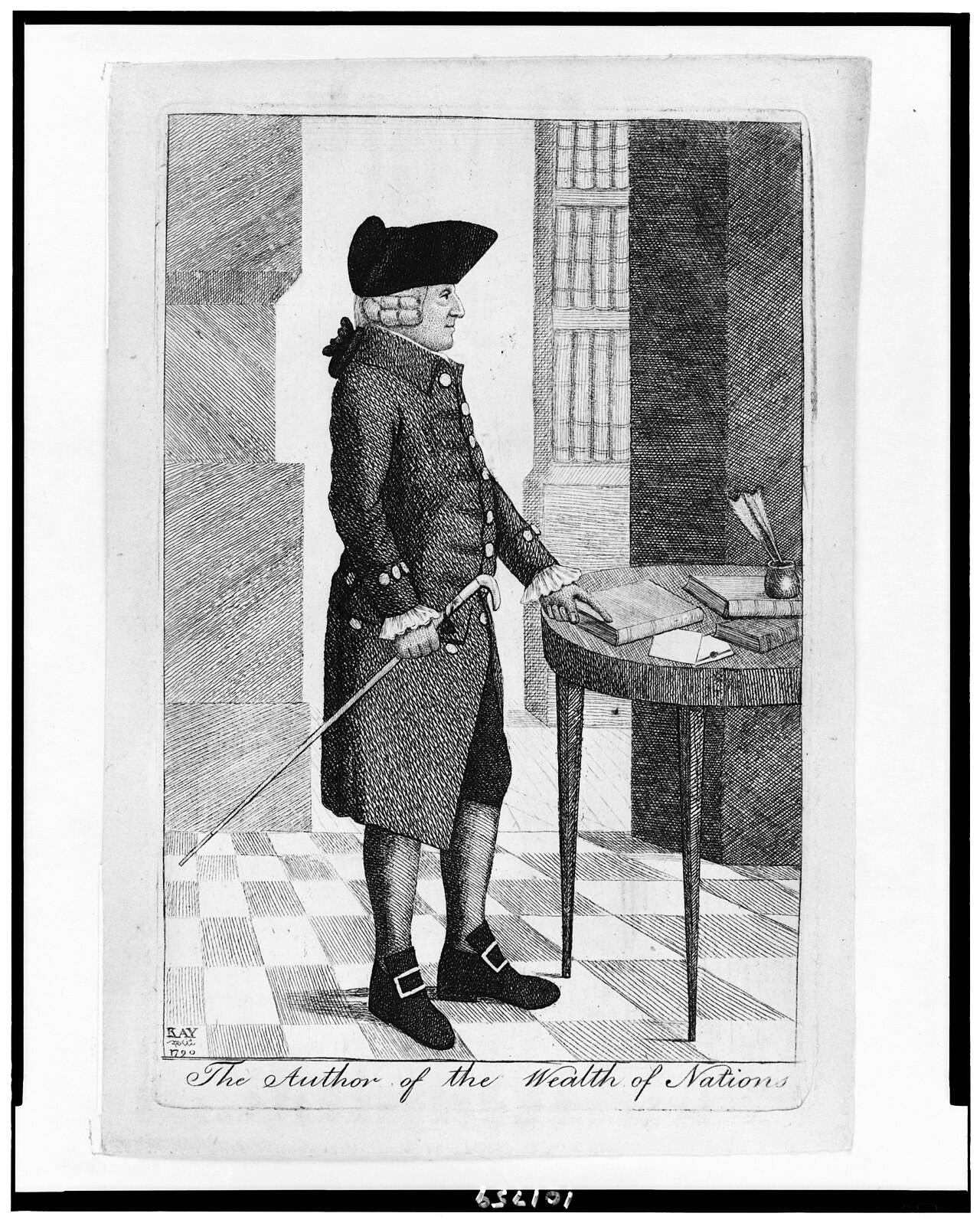
Adam Smith, 1790
John Kay · 1790
 Painting
Secondary source
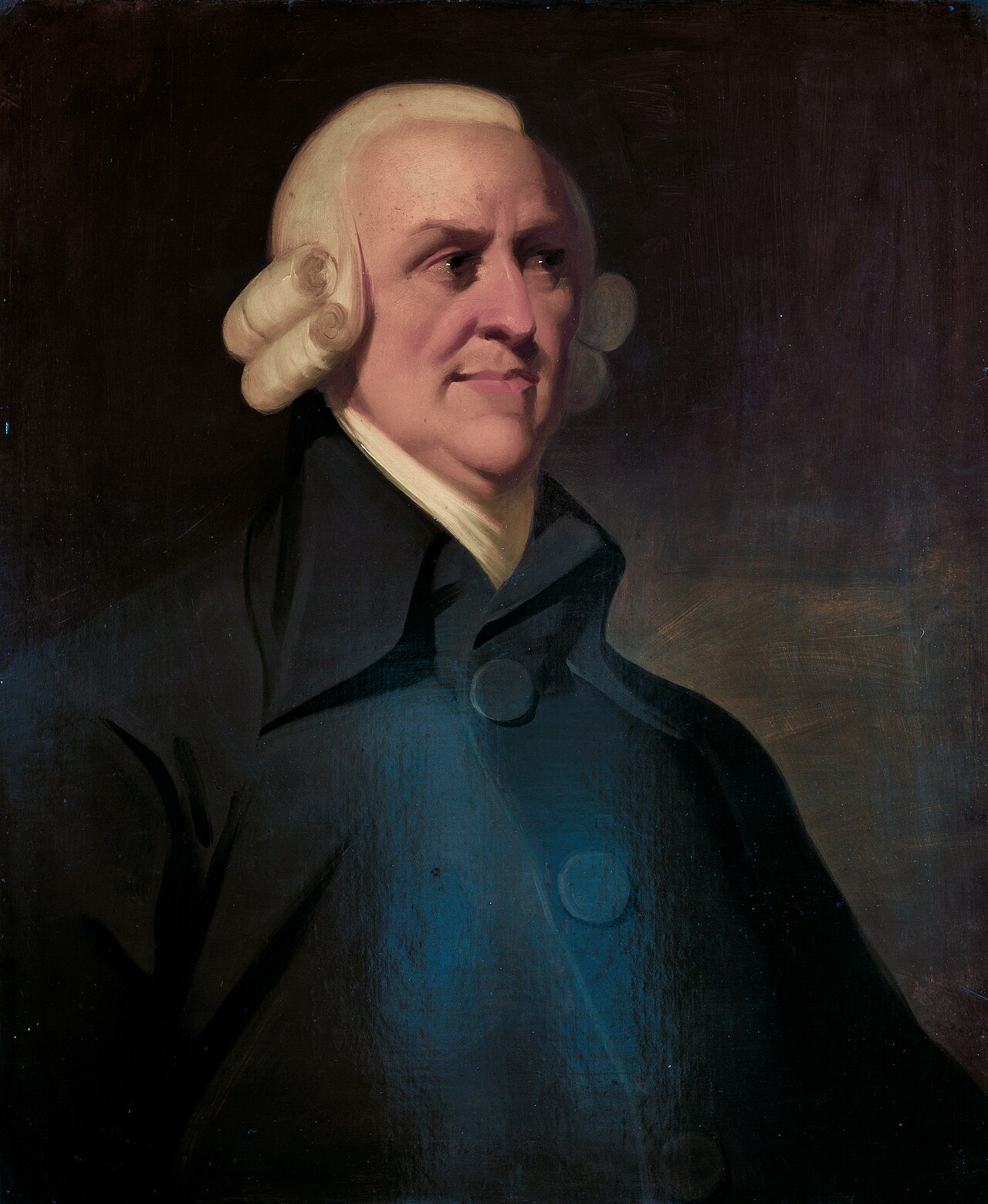
The Muir Portrait of Adam Smith
Unknown · c. 1790
Ready when you are
Start chatting with Adam Smith now.
20 messages free · No credit card · Available in 50+ languages.