


Primary sourceBook1739-1740
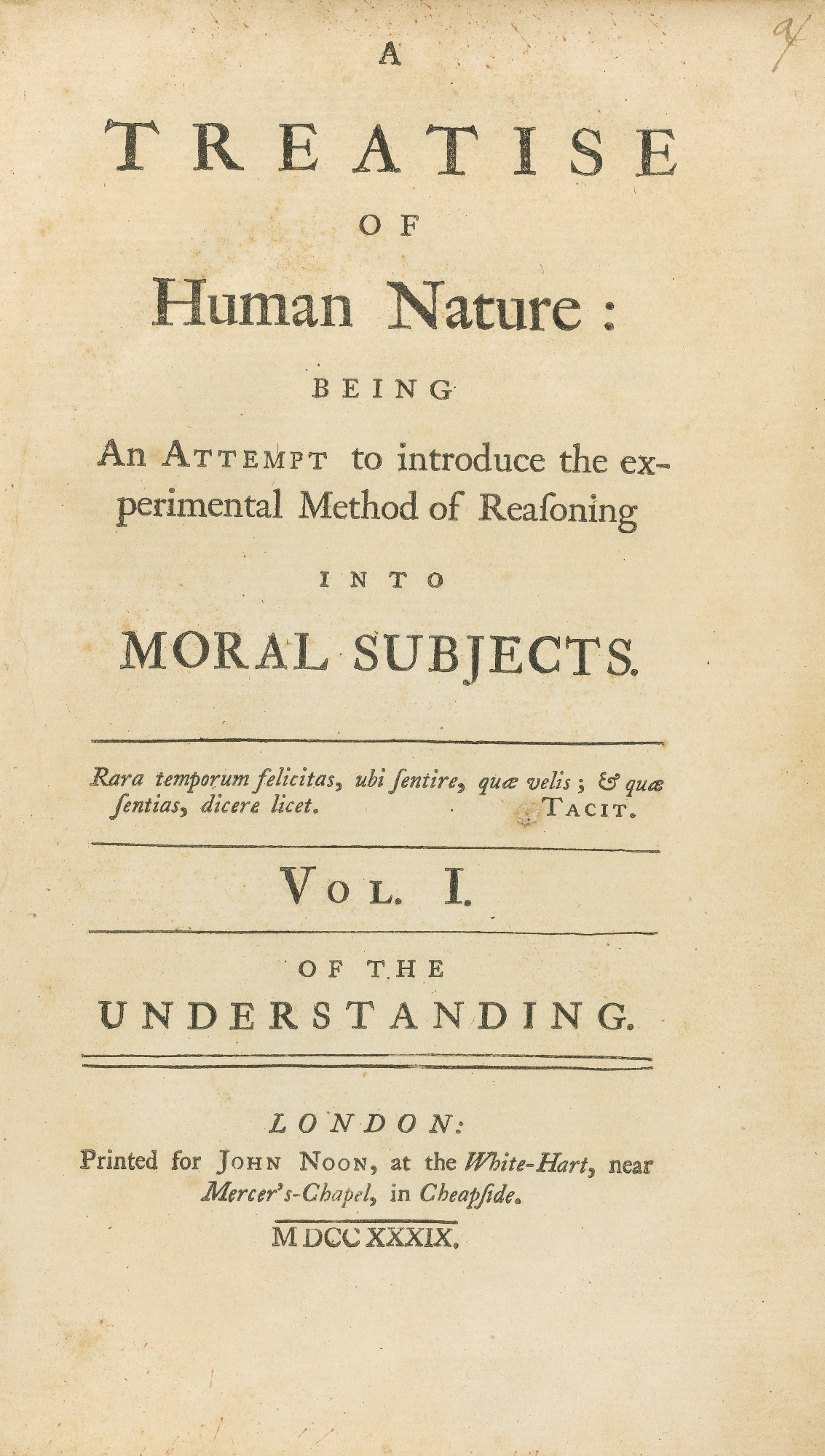
A Treatise of Human Nature
David Hume · 1739-1740
David Hume's 1739 philosophical work, said to underlie the theory of sympathy in Adam Smith's Theory of Moral Sentiments.
Hume's own first and most ambitious philosophical work, written in his twenties.
About this source
What it is
A Treatise of Human Nature is a philosophical work by the Scottish philosopher David Hume, published in 1739 and 1740, exploring human understanding, the passions and morality through an empirical approach modelled on natural science.
Why it matters
Hume's Treatise, reportedly the book confiscated from Smith as a student at Oxford, laid groundwork that Smith drew on when developing his own account of sympathy in The Theory of Moral Sentiments. The connection between the two men shows how closely Smith's economic and moral thought grew out of the wider circle of Scottish Enlightenment philosophy, with Hume as a close friend and intellectual influence.
Look closer
- Why might a university have confiscated this book from a student in the 18th century?
- What does the title page's design and printing tell us about books of this period?
- How might ideas about sympathy and the passions connect to later ideas about morality and economics?
This book is part of the curated material that grounds the AI version of David Hume on Humy.ai — when students ask about related events, the AI can quote it and cite it.
More David Hume sources
Meet the AI David Hume →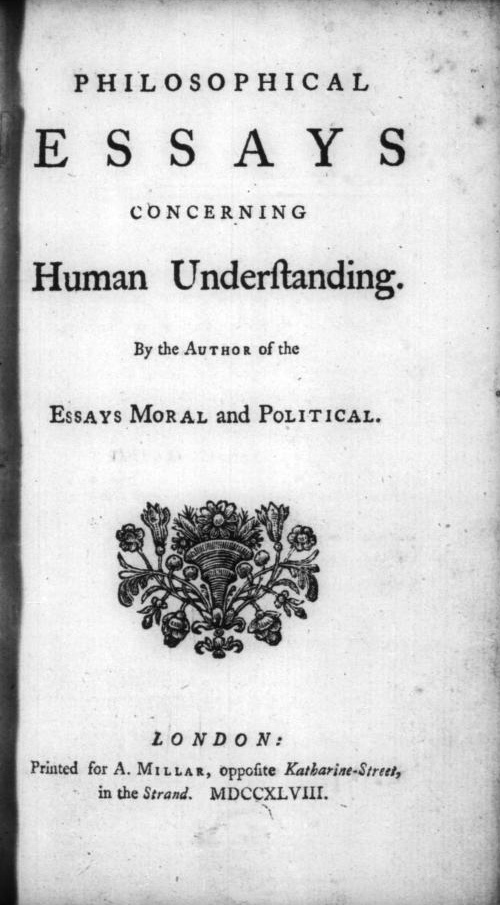 Book
Primary source
Philosophical Essays Concerning Human Understanding
David Hume · 1748
 Book
Primary source
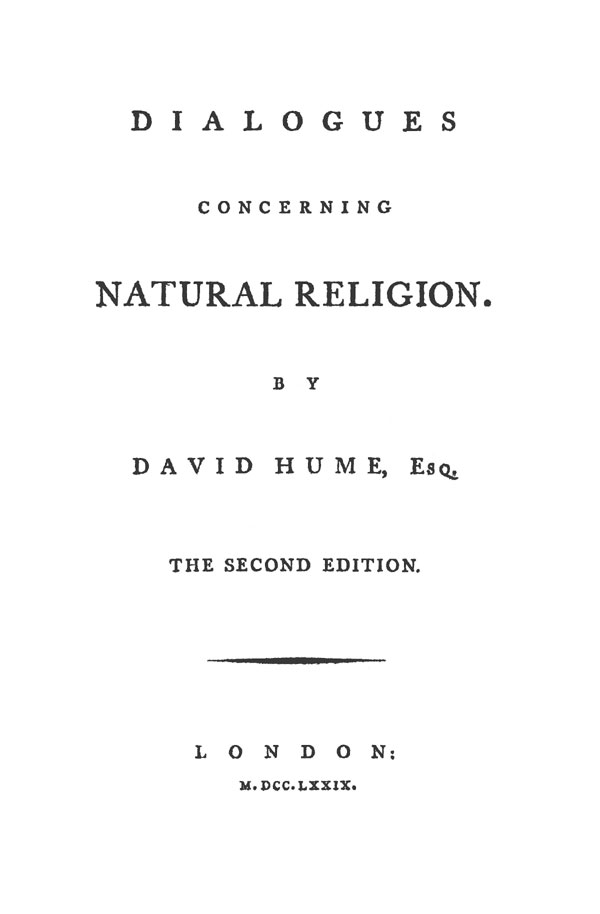
Dialogues Concerning Natural Religion
David Hume · 1779
Primary source
Of Miracles
David Hume · 1748
Primary source
An Enquiry Concerning the Principles of Morals
David Hume · 1751
 Painting
Primary source
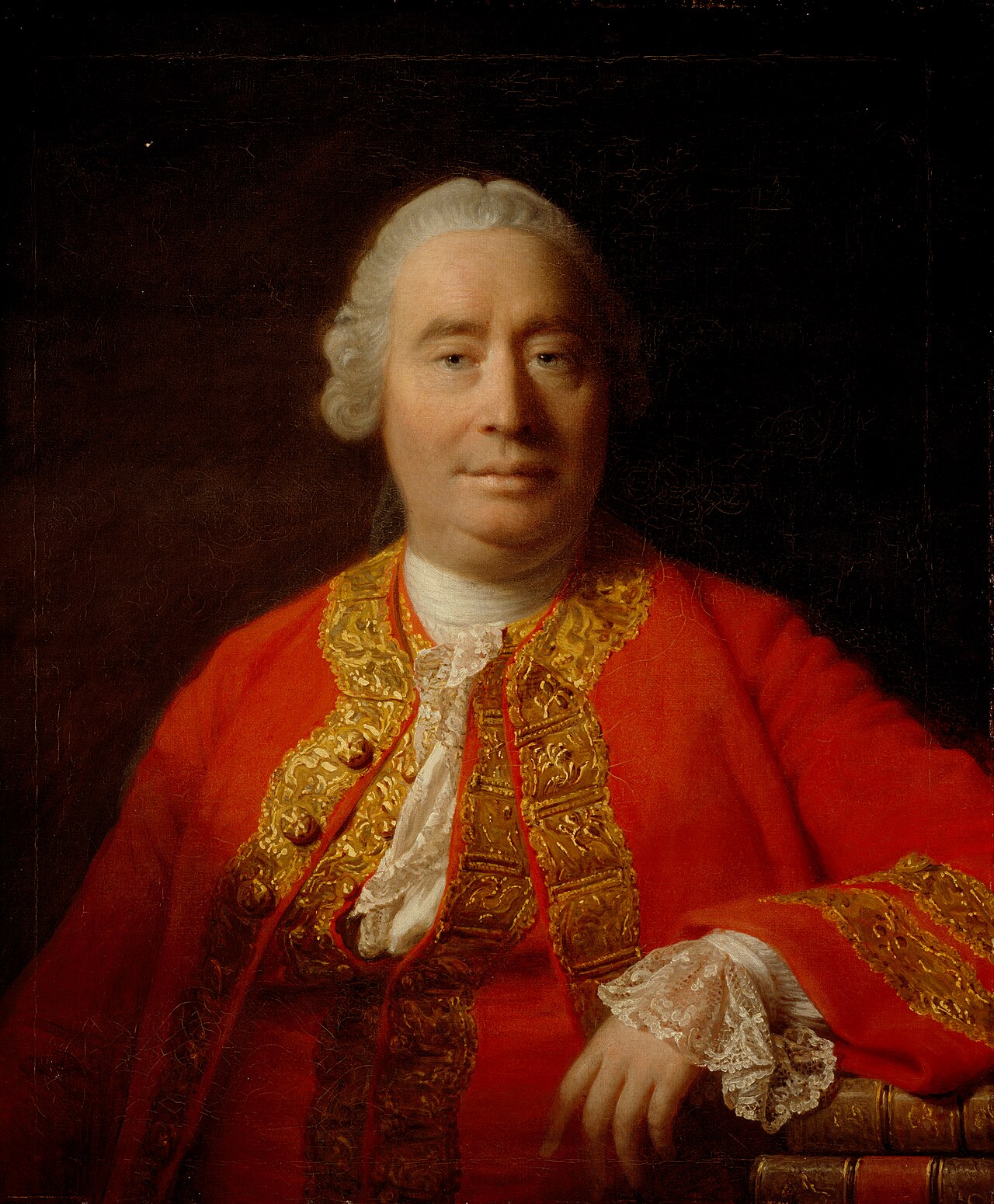
David Hume
Allan Ramsay · 1766
Ready when you are
Start chatting with David Hume now.
20 messages free · No credit card · Available in 50+ languages.