


Primary sourcePainting1766
David Hume
Allan Ramsay · 1766
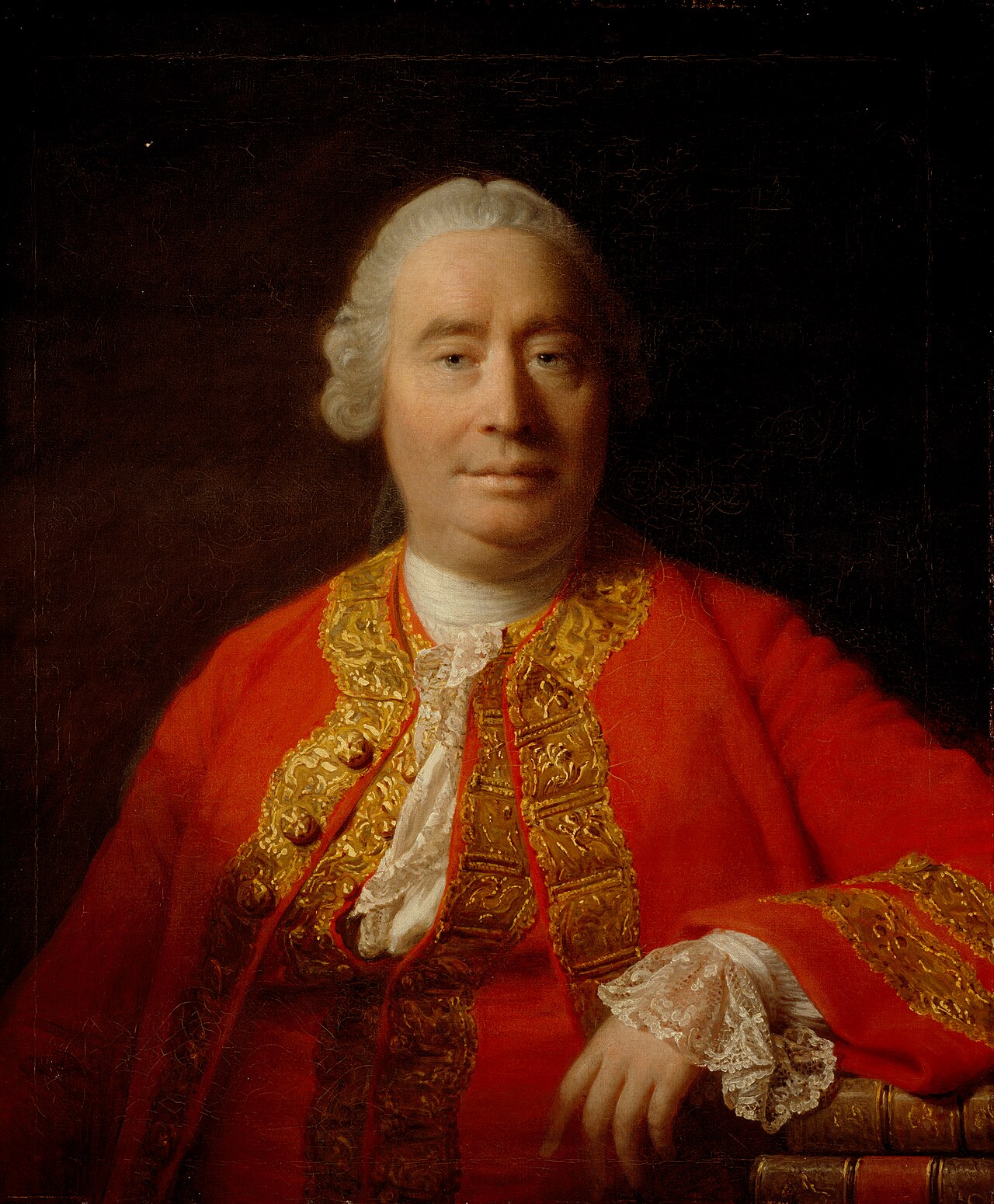
An oil portrait of David Hume painted by Allan Ramsay in 1766, showing the philosopher in scarlet during his years as a celebrated figure in Paris.
This 1766 portrait by Allan Ramsay is the defining painted image of Hume, made during his years of fame in Paris.
About this source
What it is
This is an oil painting of David Hume made in 1766 by the Scottish portraitist Allan Ramsay. It shows Hume with powdered white hair, wearing a red coat with gold embroidery and lace cravat, his hand resting on a stack of books. It is held by the National Galleries of Scotland.
Why it matters
Ramsay and Hume were old friends and fellow founders of a Edinburgh intellectual club, and Hume had even consulted Ramsay on his history writing. This portrait was painted as a companion piece to one of Jean-Jacques Rousseau, both men having sat for Ramsay around the same time. It captures Hume at the height of his fame as a diplomat and philosopher, and it remains the image most people picture when they think of him.
Look closer
- What does the choice of red clothing and books suggest about how Hume wanted to be seen?
- Why might a portrait painter choose to show a thinker alongside books rather than other objects?
- What can't a formal painted portrait tell us about a person's actual ideas?
This painting is part of the curated material that grounds the AI version of David Hume on Humy.ai — when students ask about related events, the AI can quote it and cite it.
More David Hume sources
Meet the AI David Hume →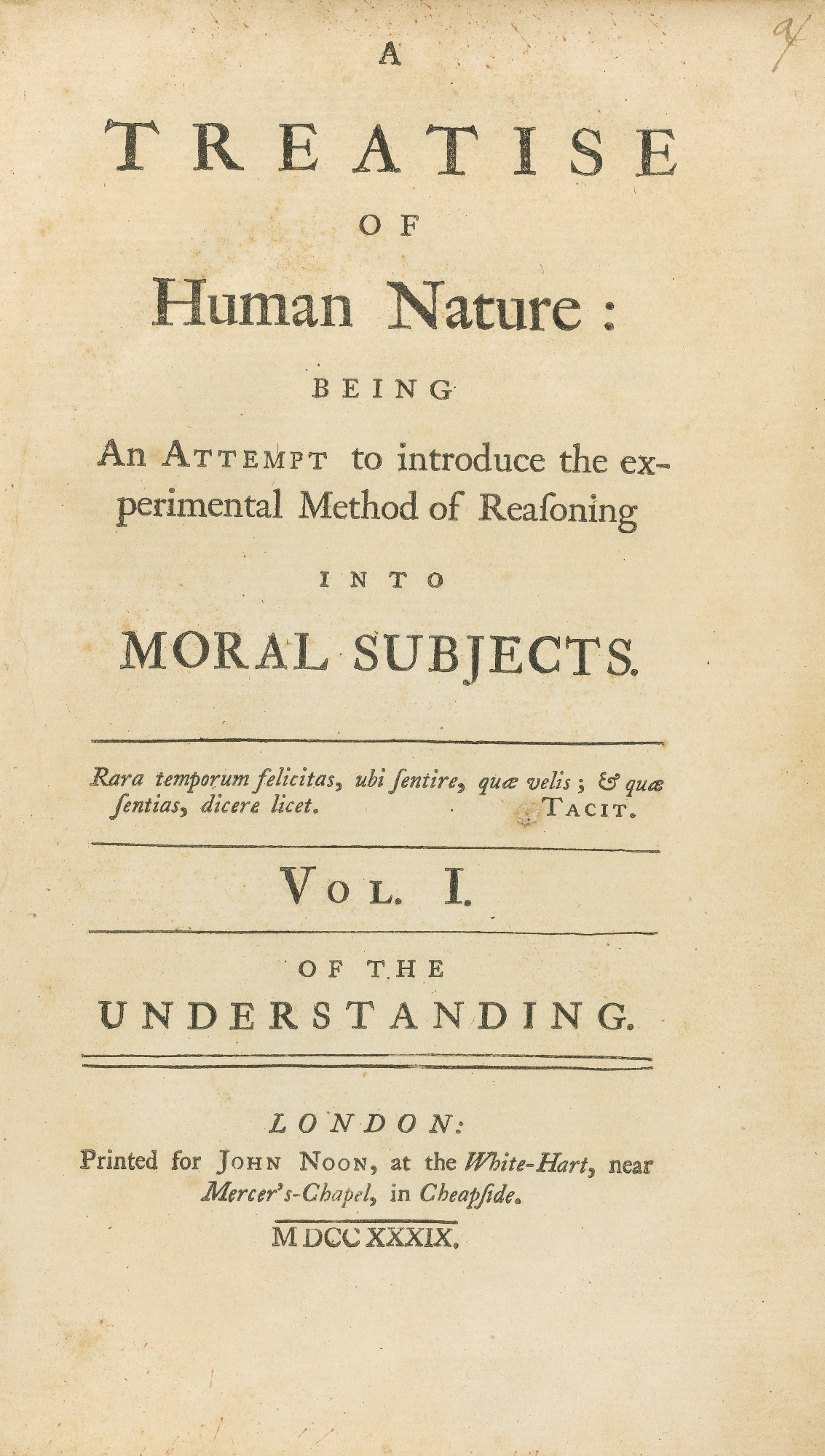 Book
Primary source
A Treatise of Human Nature
David Hume · 1739-1740
 Book
Primary source
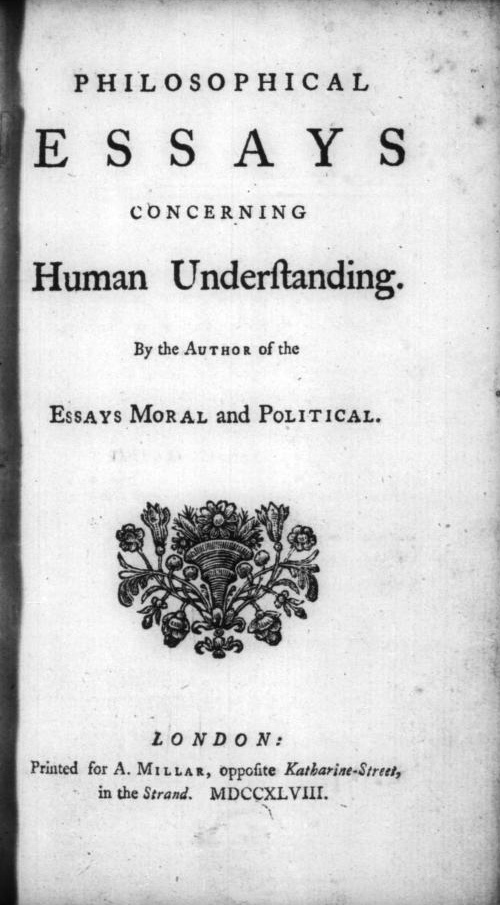
Philosophical Essays Concerning Human Understanding
David Hume · 1748
 Book
Primary source
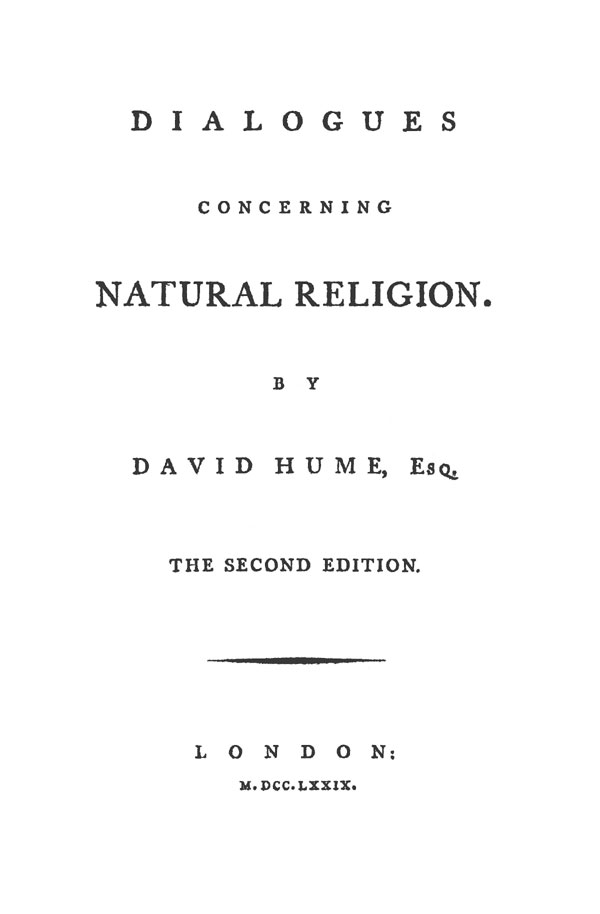
Dialogues Concerning Natural Religion
David Hume · 1779
Primary source
Of Miracles
David Hume · 1748
Primary source
An Enquiry Concerning the Principles of Morals
David Hume · 1751
Ready when you are
Start chatting with David Hume now.
20 messages free · No credit card · Available in 50+ languages.