


Primary sourceBook1751
An Enquiry Concerning the Principles of Morals
David Hume · 1751
Hume's own favourite among his writings, arguing that morality is founded on sentiment rather than reason.
The ethical work Hume himself most valued, summing up his mature moral philosophy.
About this source
What it is
An Enquiry Concerning the Principles of Morals is a book by David Hume, first published in 1751, following on from his earlier Enquiry Concerning Human Understanding. In it Hume reworks and expands ideas on ethics he had first explored in A Treatise of Human Nature.
Why it matters
Hume argues that moral judgments come from feeling and sentiment, not from reason alone, and that sympathy for others, not pure self-interest, shapes much of our sense of right and wrong. In his short autobiography, Hume called this 'of all my writings... incomparably the best'. The book reveals Hume's lifelong project: building an account of human morality from observation of how people actually think and feel, rather than from abstract rules.
Look closer
- Why does Hume think reason alone cannot tell us what is right or wrong?
- What role does 'sympathy' play in his account of morality?
- Why might Hume have considered this book his best work, even though the Treatise is more studied today?
This book is part of the curated material that grounds the AI version of David Hume on Humy.ai — when students ask about related events, the AI can quote it and cite it.
More David Hume sources
Meet the AI David Hume →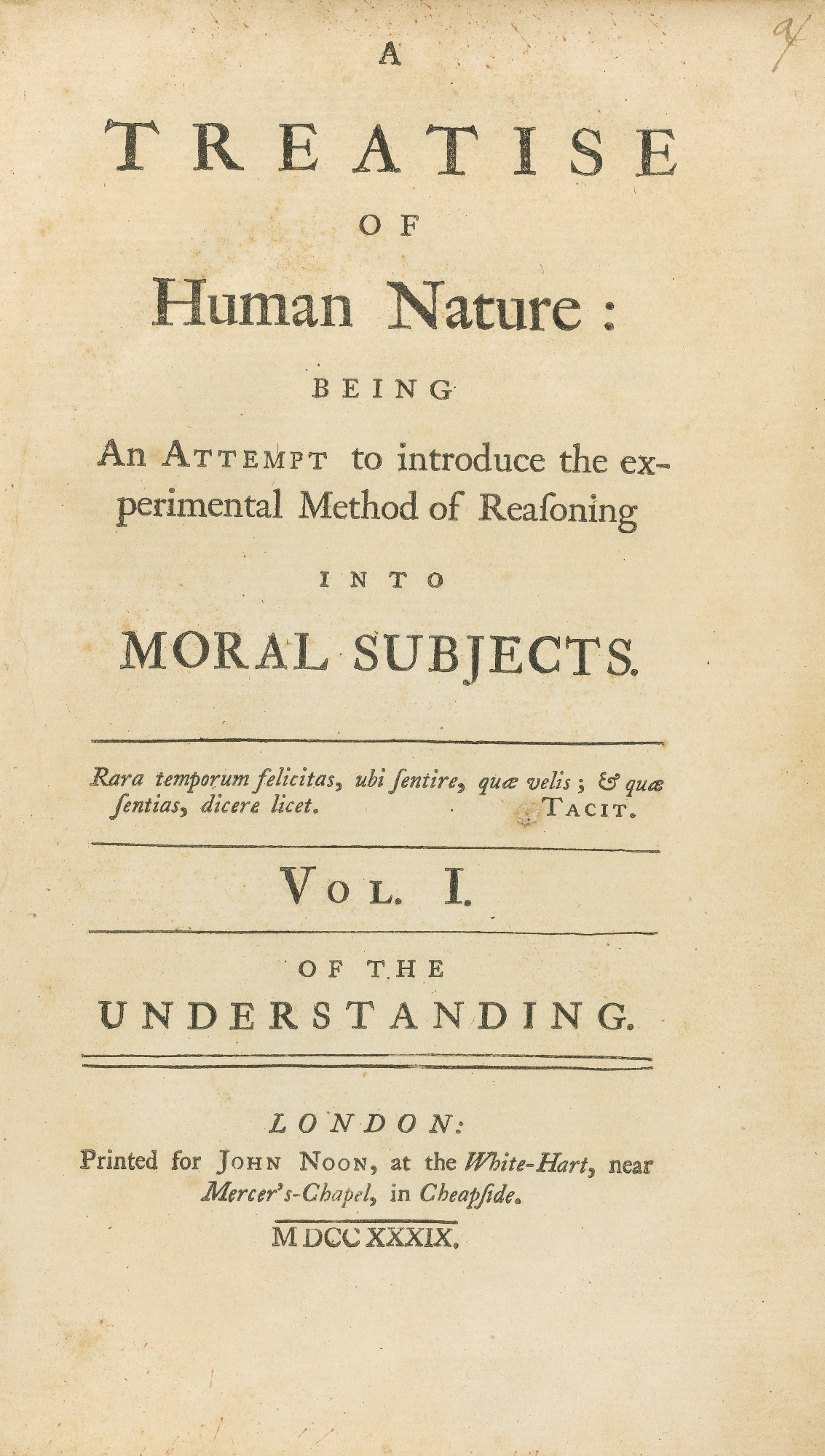 Book
Primary source
A Treatise of Human Nature
David Hume · 1739-1740
 Book
Primary source
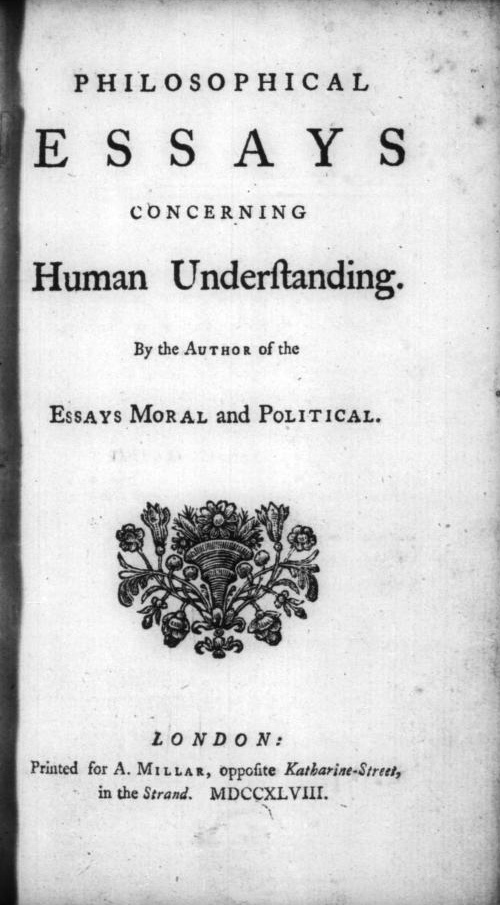
Philosophical Essays Concerning Human Understanding
David Hume · 1748
 Book
Primary source
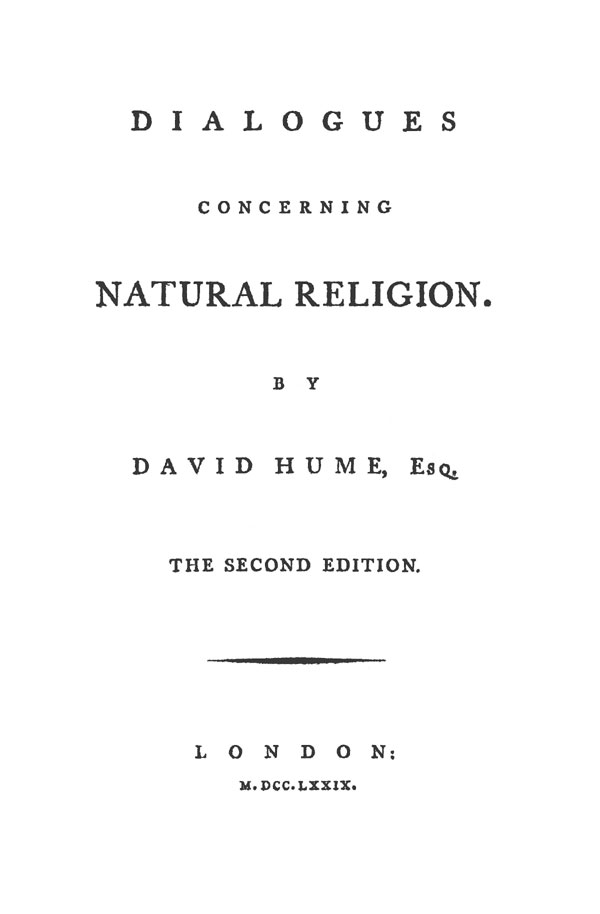
Dialogues Concerning Natural Religion
David Hume · 1779
Primary source
Of Miracles
David Hume · 1748
 Painting
Primary source
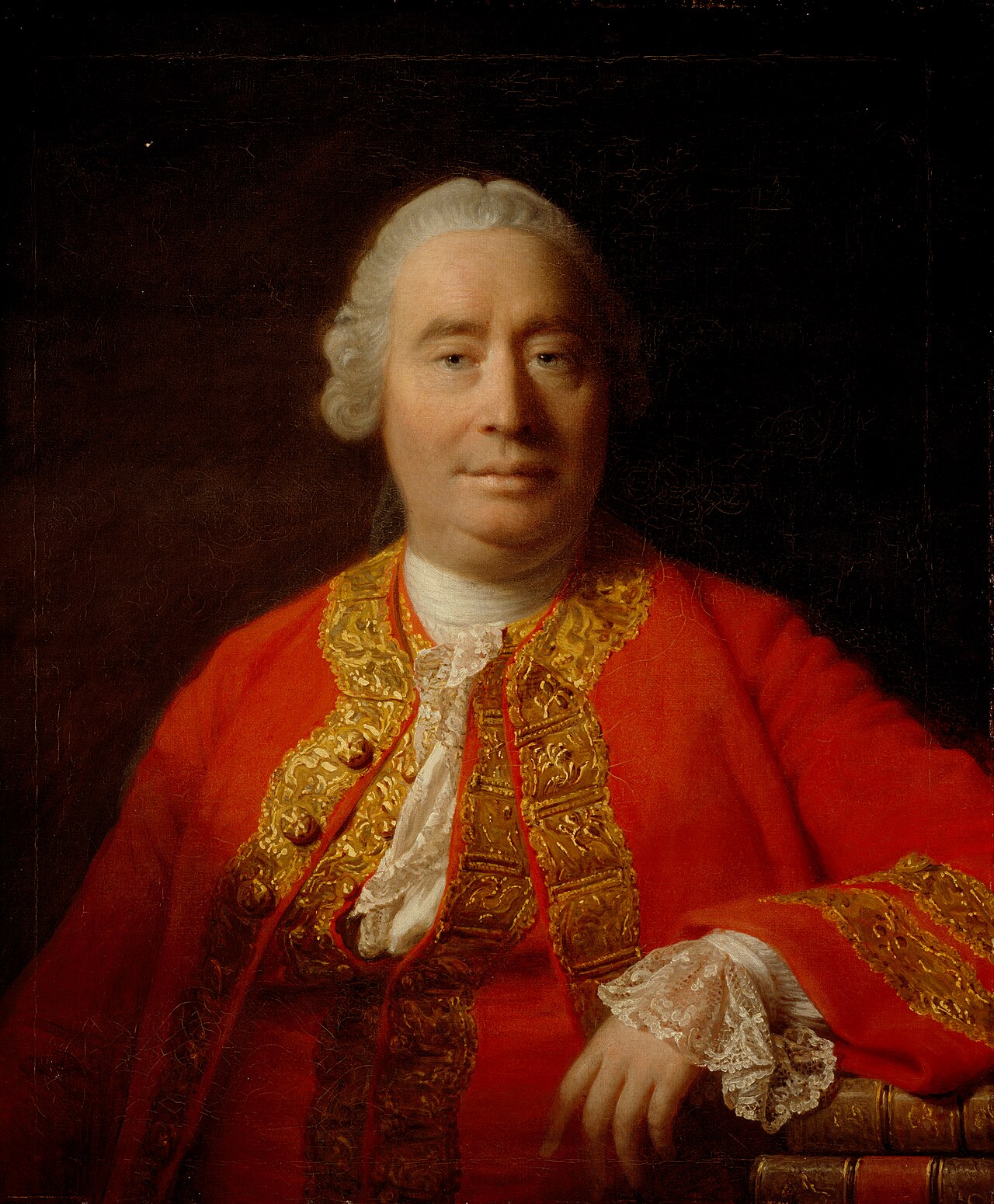
David Hume
Allan Ramsay · 1766
Ready when you are
Start chatting with David Hume now.
20 messages free · No credit card · Available in 50+ languages.