


Primary sourceBook1748
Of Miracles
David Hume · 1748
A section of Hume's Enquiry Concerning Human Understanding arguing that testimony can never rationally prove a miracle has occurred.
One of Hume's own most controversial and influential arguments, central to his reputation as a sceptic.
About this source
What it is
'Of Miracles' is Section X of An Enquiry Concerning Human Understanding, written by David Hume and published in 1748. In it Hume argues that because miracles are by definition violations of the laws of nature, no amount of human testimony can ever make it reasonable to believe one has occurred.
Why it matters
This short section became one of the most debated passages in the history of philosophy of religion. It challenged the evidence many people relied on to support religious belief, and sparked responses from theologians and philosophers for centuries afterward. It shows Hume applying his general scepticism about causation and evidence to a specific, highly sensitive topic of his time.
Look closer
- What does Hume mean by weighing the probability of a miracle against the probability that a witness is mistaken or lying?
- Why might this argument have been controversial in Hume's lifetime?
- Can you think of modern examples where people argue about weighing evidence against unlikely claims?
This book is part of the curated material that grounds the AI version of David Hume on Humy.ai — when students ask about related events, the AI can quote it and cite it.
More David Hume sources
Meet the AI David Hume →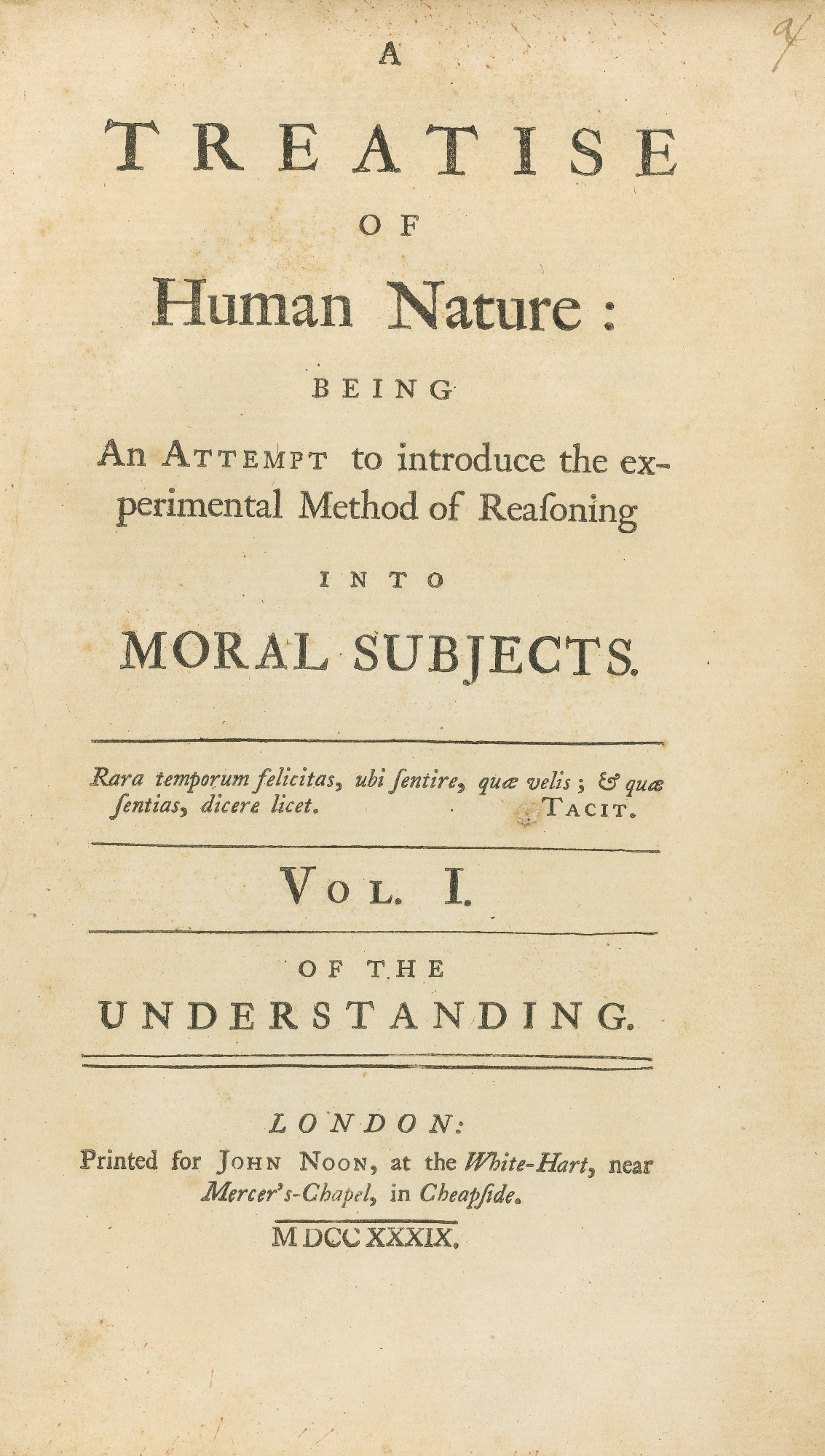 Book
Primary source
A Treatise of Human Nature
David Hume · 1739-1740
 Book
Primary source
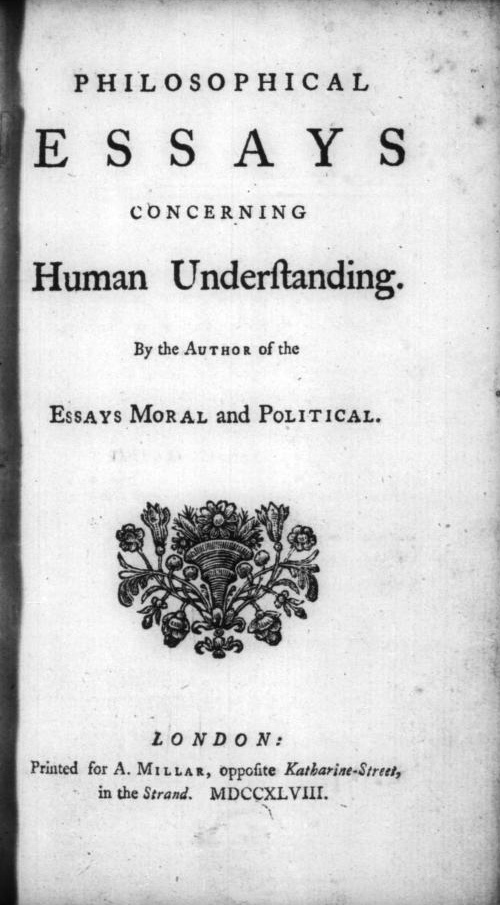
Philosophical Essays Concerning Human Understanding
David Hume · 1748
 Book
Primary source
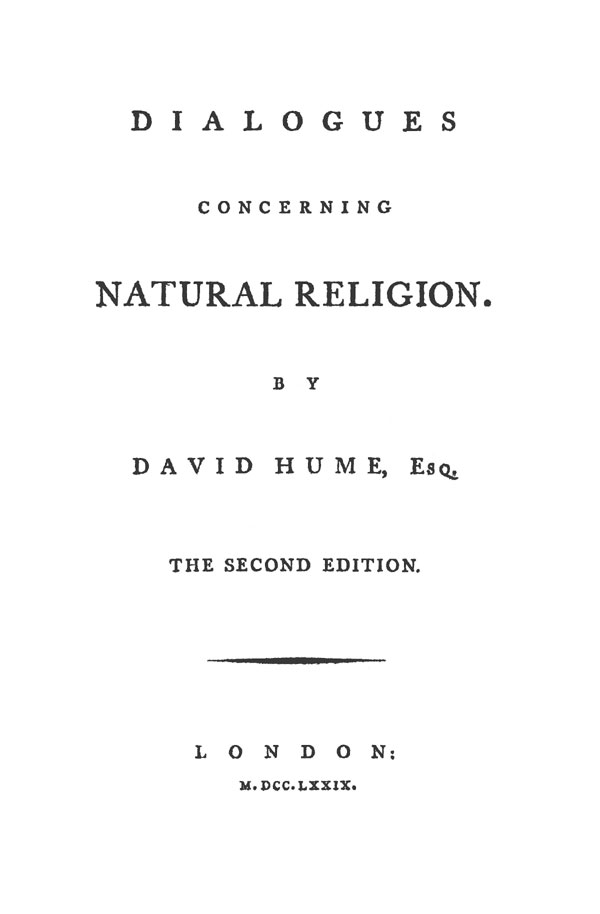
Dialogues Concerning Natural Religion
David Hume · 1779
Primary source
An Enquiry Concerning the Principles of Morals
David Hume · 1751
 Painting
Primary source
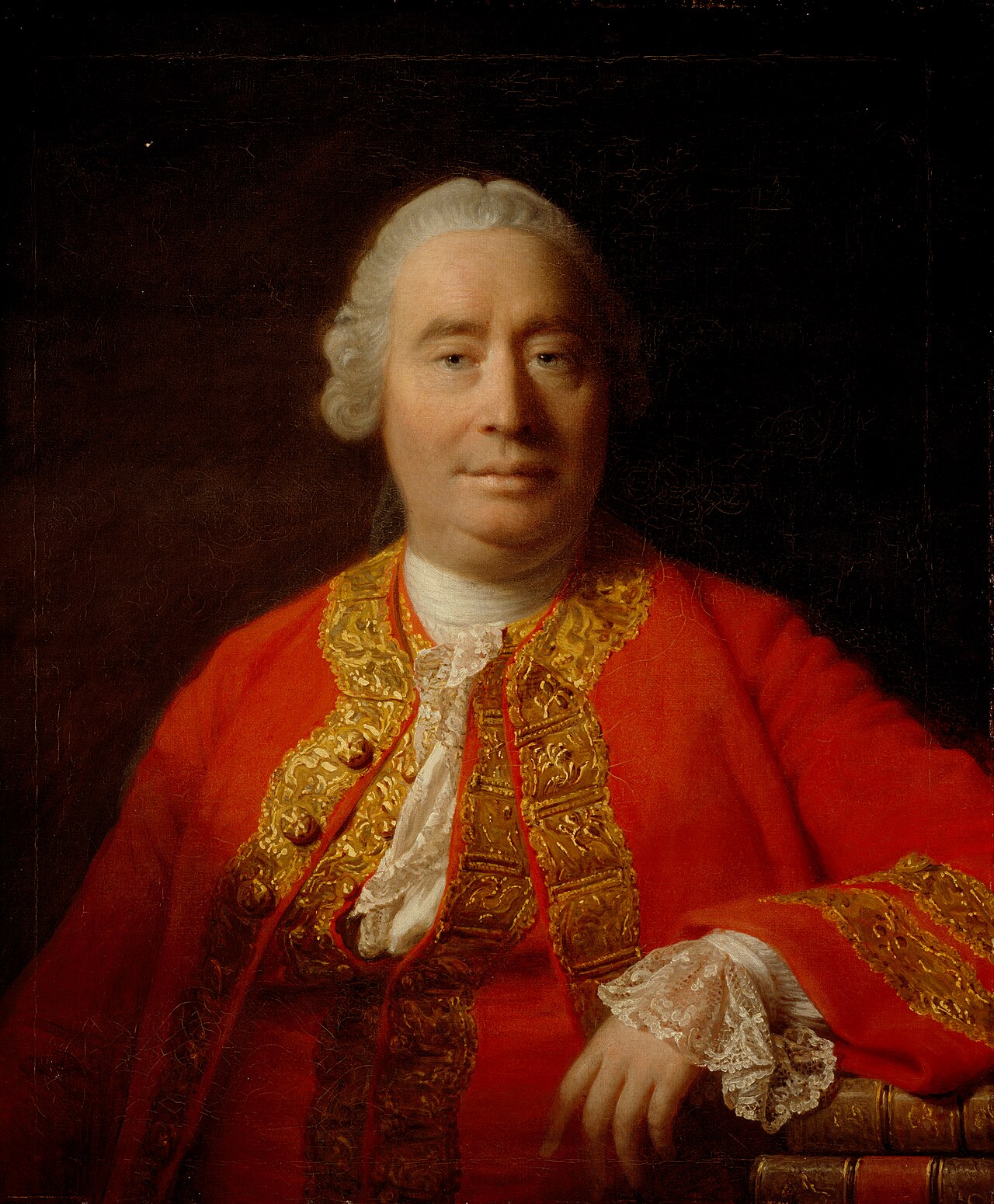
David Hume
Allan Ramsay · 1766
Ready when you are
Start chatting with David Hume now.
20 messages free · No credit card · Available in 50+ languages.