


Secondary sourceArtifact1787
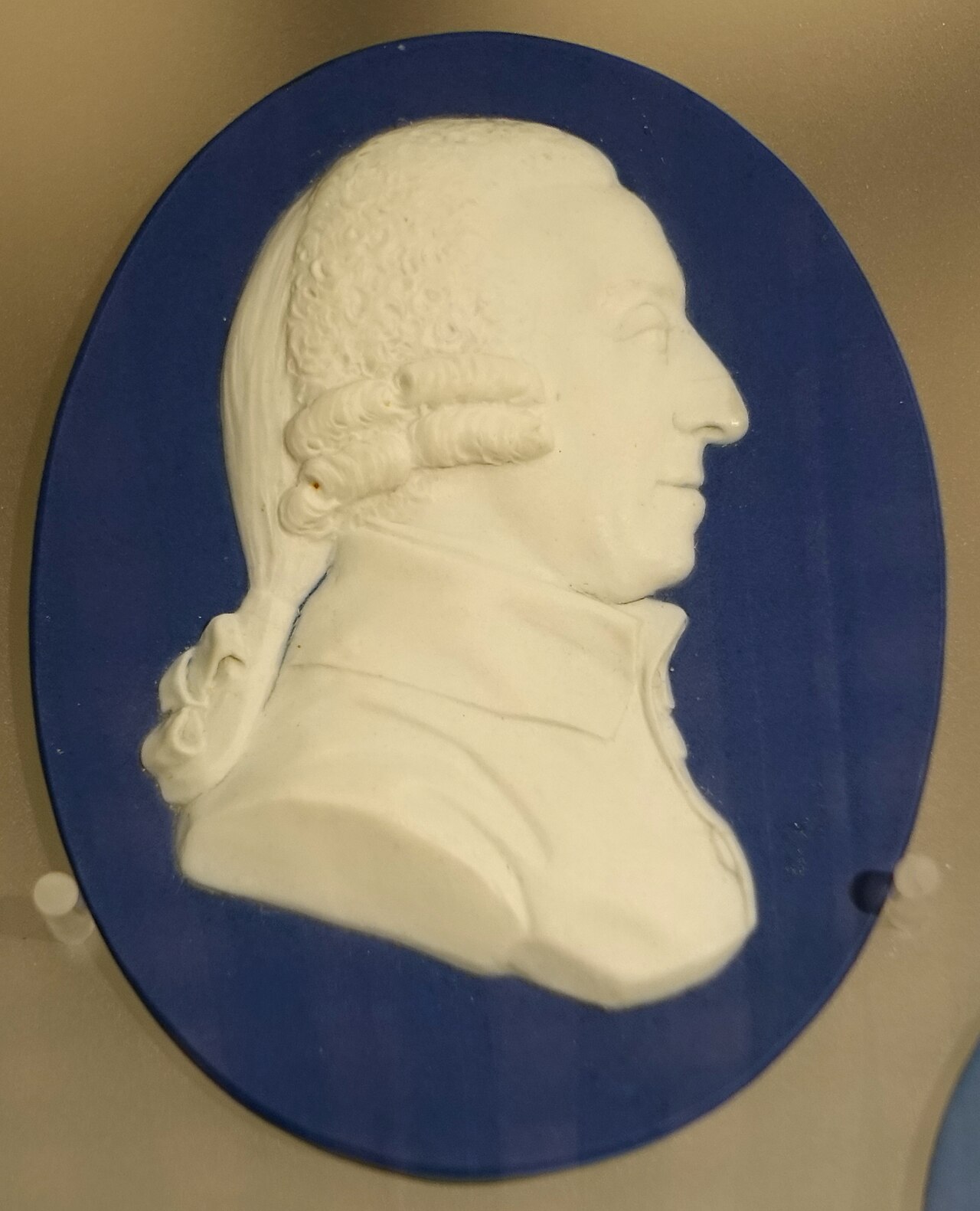
Jasperware Medallion of Adam Smith
1787
A Wedgwood jasperware medallion showing Adam Smith's profile, made for sale during or shortly after his lifetime.
This medallion shows Smith's likeness, mass-produced by Wedgwood for admirers in his own time.
About this source
What it is
This object is a white jasperware medallion, held in the Wedgwood Museum in Barlaston, Stoke-on-Trent, England. It shows a profile portrait of a man with curled hair tied back, a high collar and a coat, set against a dark blue oval background. It was produced by Wedgwood after a design by the modeller James Tassie.
Why it matters
This medallion is a sign of Adam Smith's fame during his own era. Wedgwood manufactured portrait medallions of notable figures for sale to the public, meaning Smith's image was being commercially reproduced for admirers while he was alive or soon after his death.
Look closer
- Why would a pottery company want to make and sell a portrait of a philosopher?
- What does the formal pose and dress in the medallion suggest about how Smith wanted to be seen, or how others wanted to present him?
- What can't a small profile portrait tell us about a person's ideas?
This artifact is part of the curated material that grounds the AI version of Adam Smith on Humy.ai — when students ask about related events, the AI can quote it and cite it.
More Adam Smith sources
Meet the AI Adam Smith →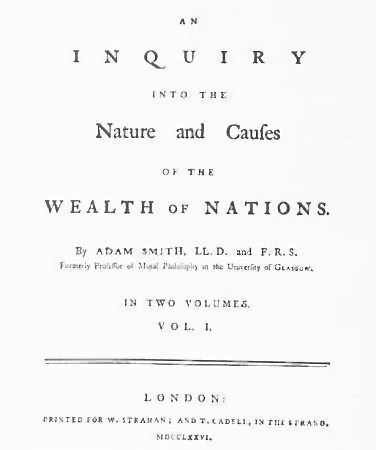 Book
Primary source
The Wealth of Nations
Adam Smith · 1776
 Book
Primary source
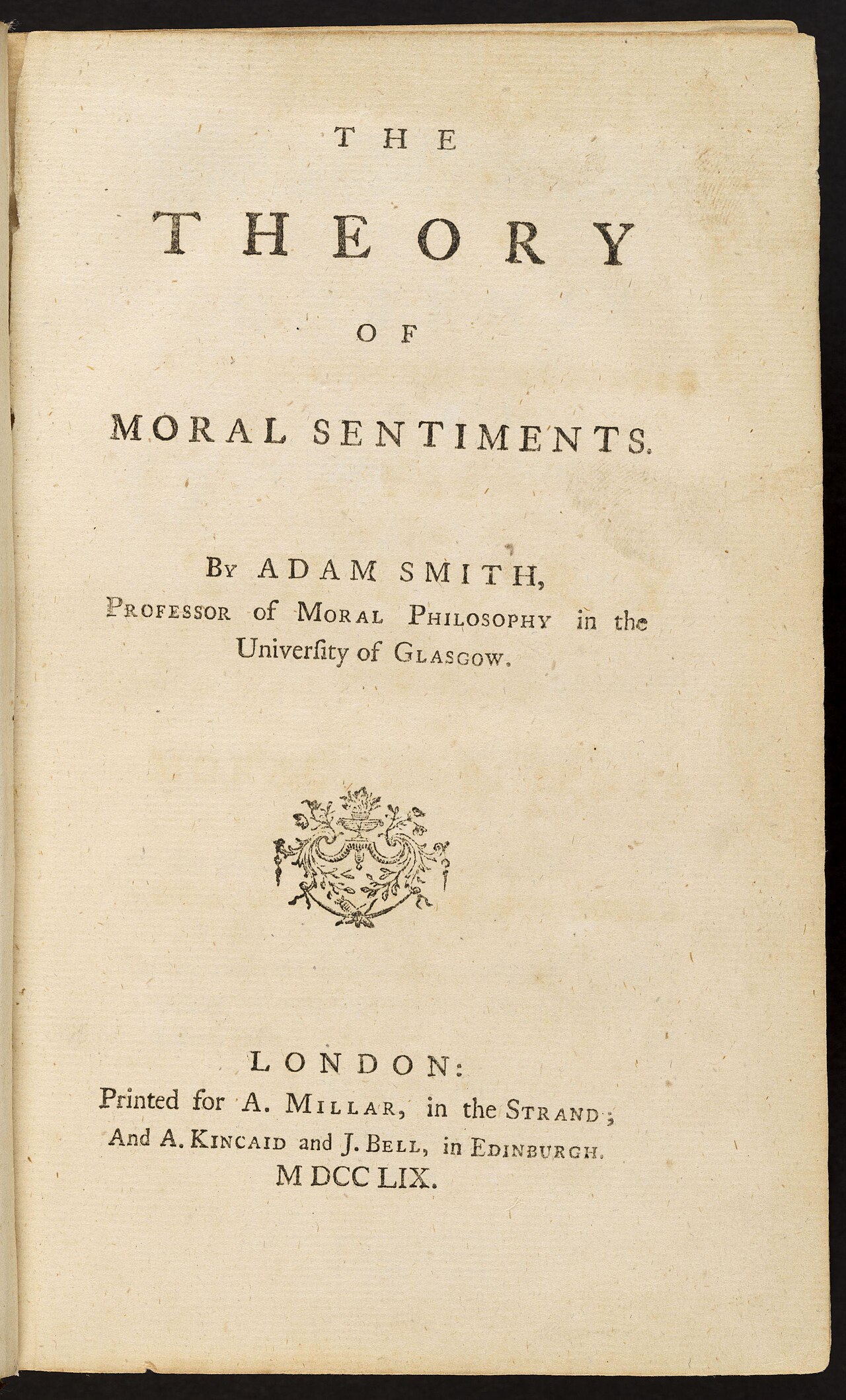
The Theory of Moral Sentiments
Adam Smith · 1759
Primary source
An Old Master and Other Political Essays
Woodrow Wilson · 1893
 Painting
Primary source
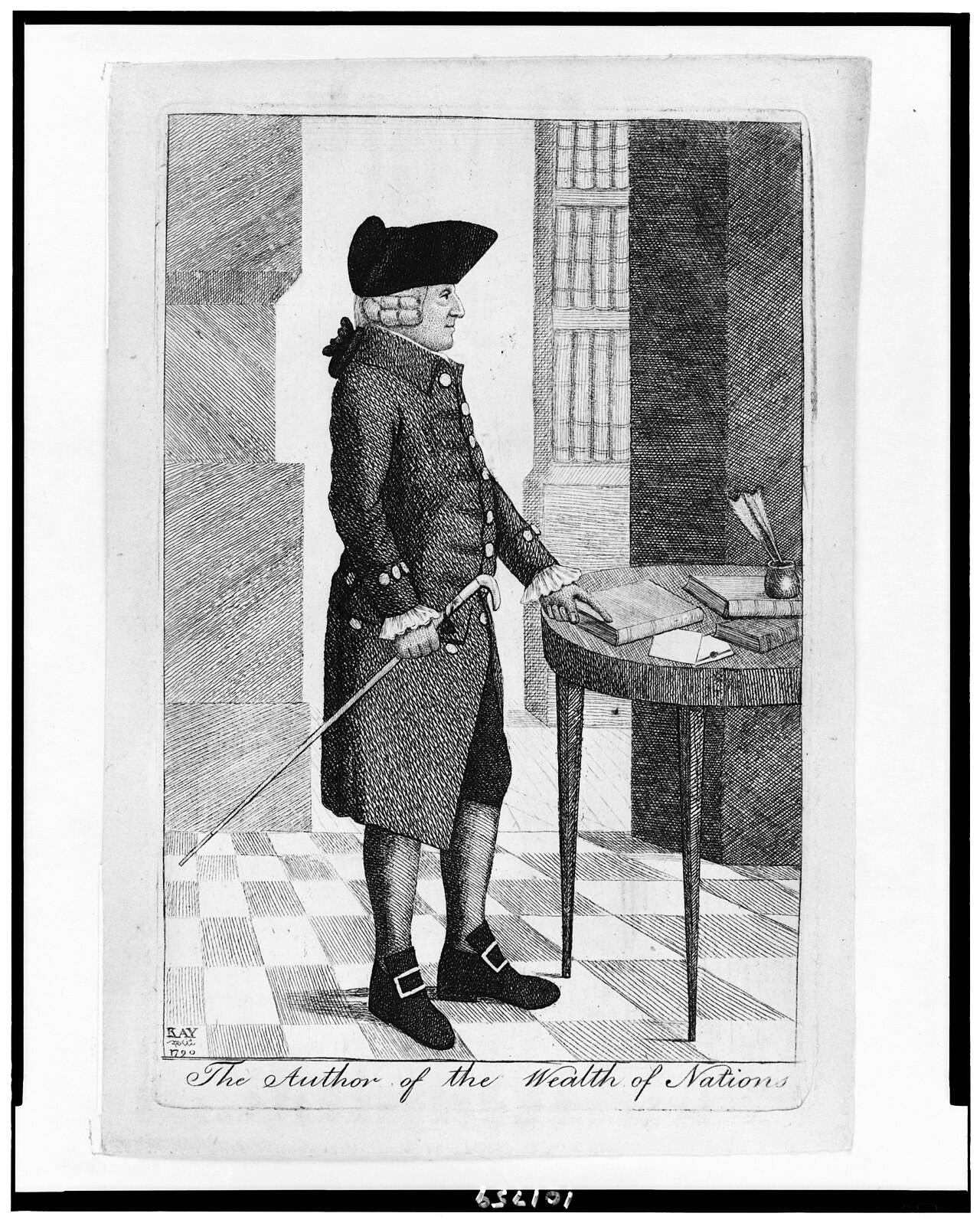
Adam Smith, 1790
John Kay · 1790
 Painting
Secondary source
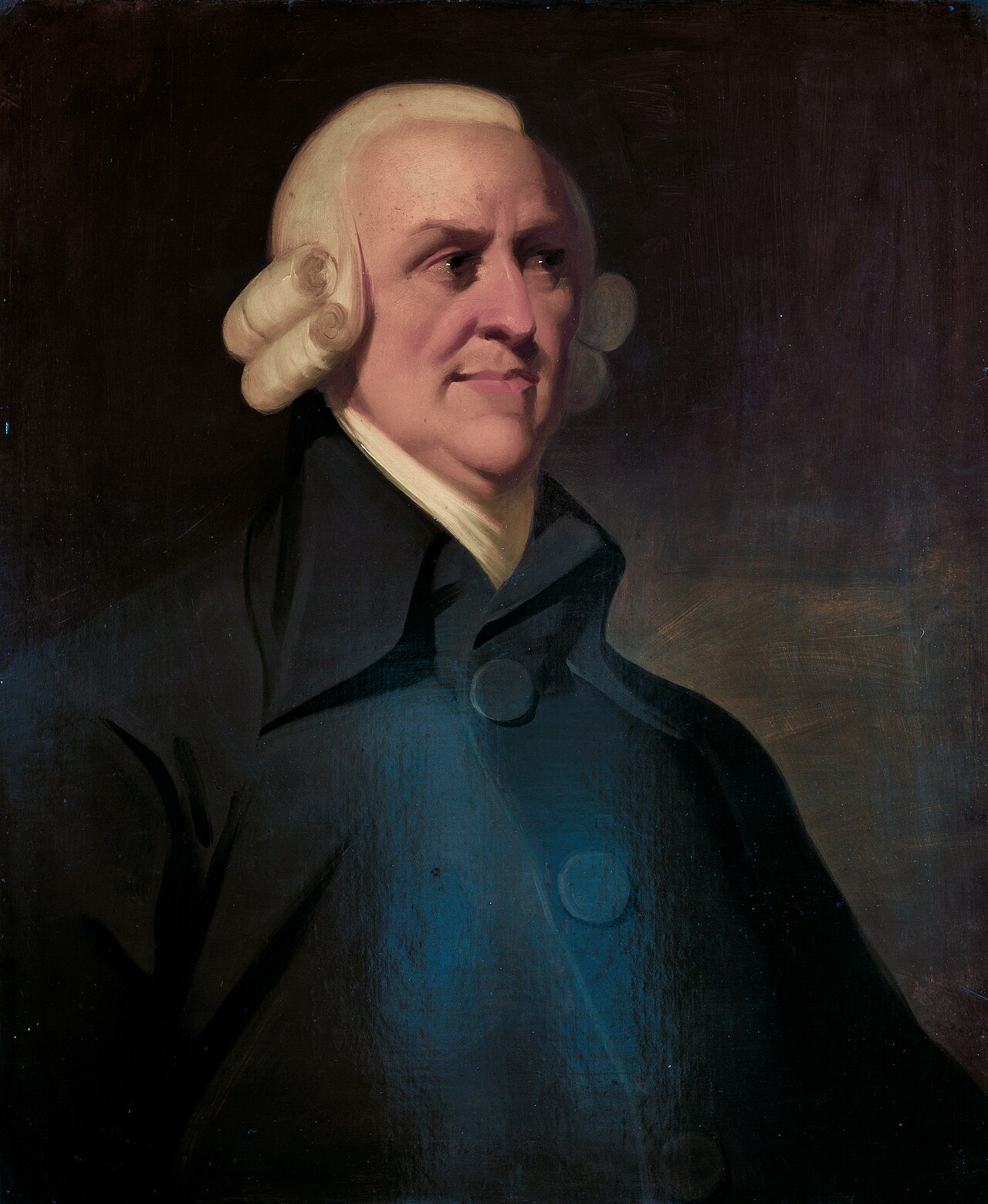
The Muir Portrait of Adam Smith
Unknown · c. 1790
Ready when you are
Start chatting with Adam Smith now.
20 messages free · No credit card · Available in 50+ languages.