


Secondary sourcePaintingOriginal 1787; etching 1811, 1828 or 1872
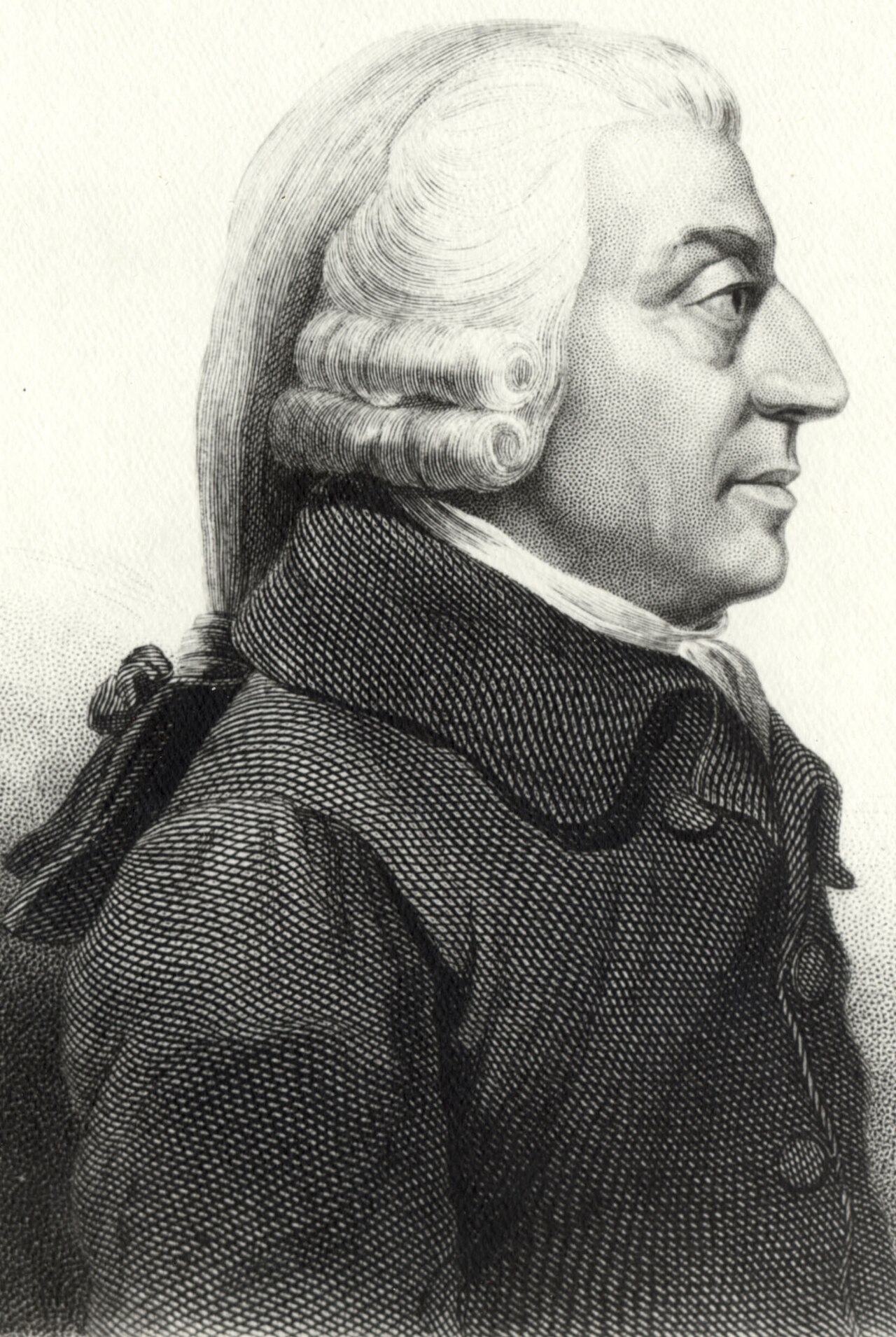
Adam Smith profile etching after Tassie medallion
Cadell and Davies / John Horsburgh / R.C. Bell, after James Tassie · Original 1787; etching 1811, 1828 or 1872
An engraved profile portrait of Adam Smith, copied from an enamel medallion made by James Tassie in 1787.
This etching is the standard likeness of Smith, based on the only portrait medallion made of him during his life.
About this source
What it is
This is an engraved profile portrait of Adam Smith. It was not drawn from life but copied from an enamel paste medallion made by the artist James Tassie in 1787. Several versions of this etching were produced later, in 1811, 1828 and 1872, by different printmakers.
Why it matters
Smith rarely agreed to sit for portraits, so almost every image of him made after 1787 traces back to Tassie's single medallion. This print shows how an era without photography relied on repeated copies to spread the image of a famous thinker.
Look closer
- What details of dress and hairstyle can you see, and what do they tell you about the period?
- Why might an artist copy someone else's portrait instead of drawing from life?
- How might repeated copying change small details over time?
This painting is part of the curated material that grounds the AI version of Adam Smith on Humy.ai — when students ask about related events, the AI can quote it and cite it.
More Adam Smith sources
Meet the AI Adam Smith →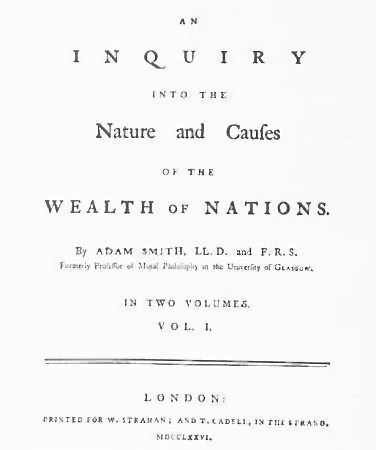 Book
Primary source
The Wealth of Nations
Adam Smith · 1776
 Book
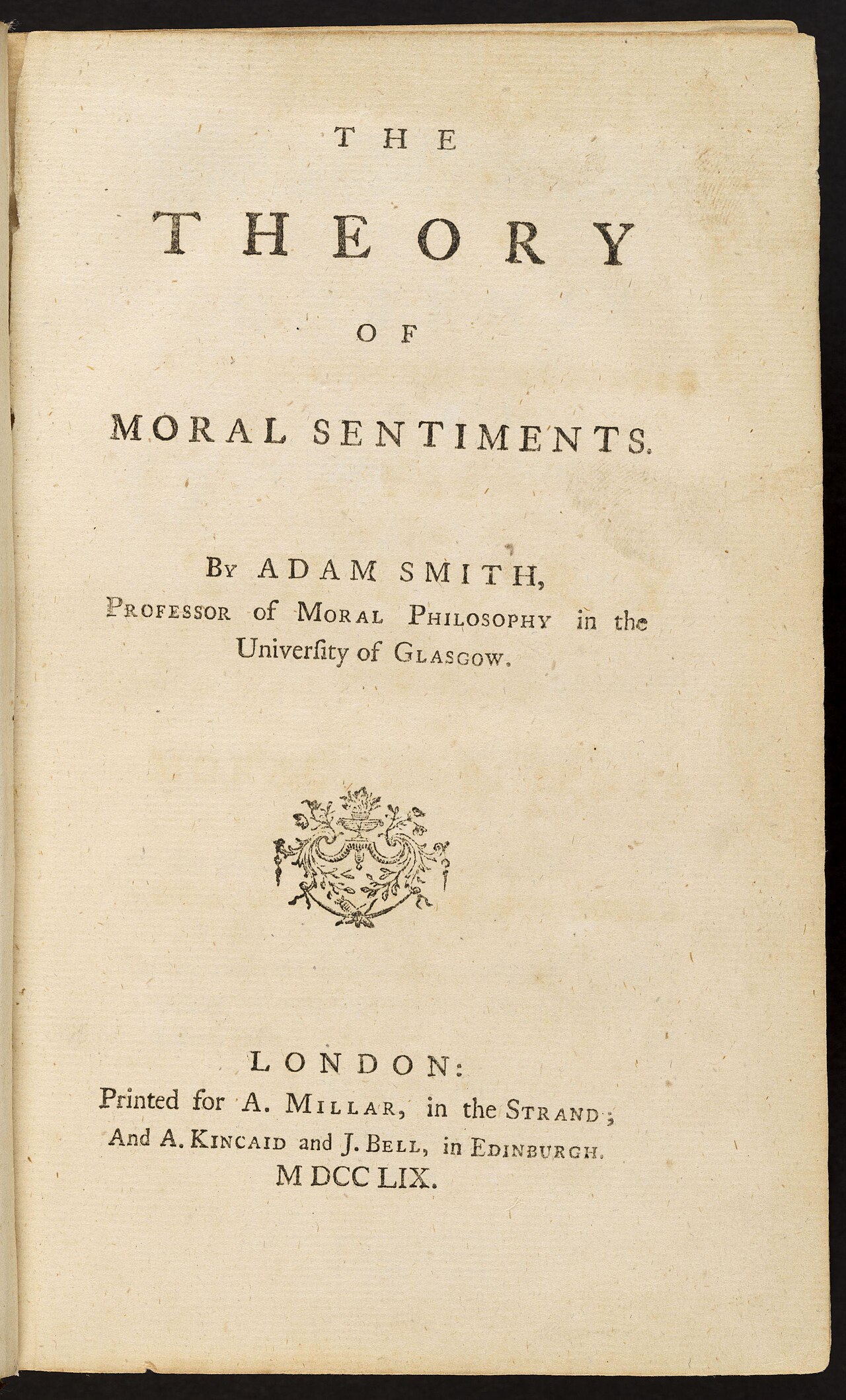
Primary source
The Theory of Moral Sentiments
Adam Smith · 1759
Primary source
An Old Master and Other Political Essays
Woodrow Wilson · 1893
 Painting
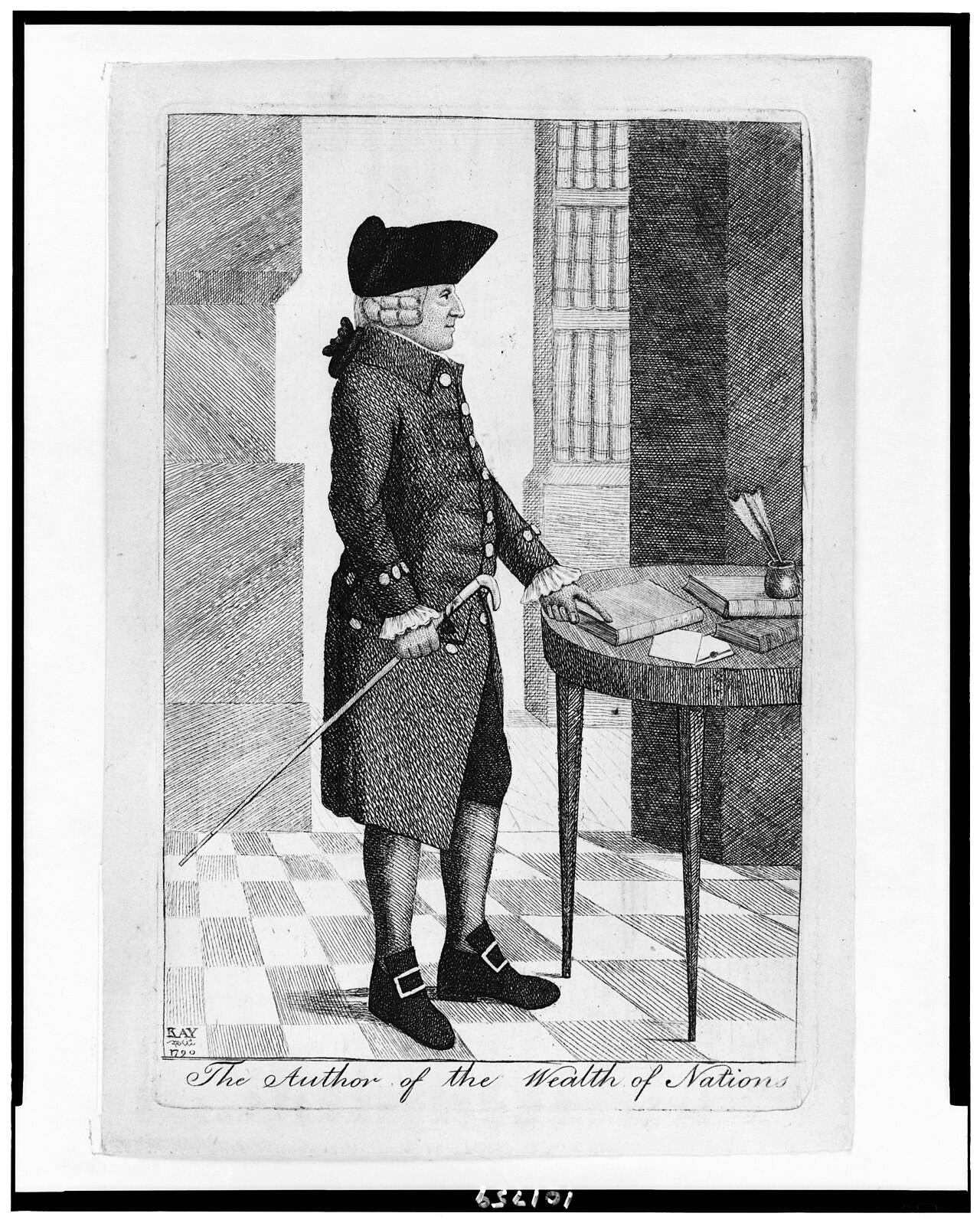
Primary source
Adam Smith, 1790
John Kay · 1790
 Painting
Secondary source
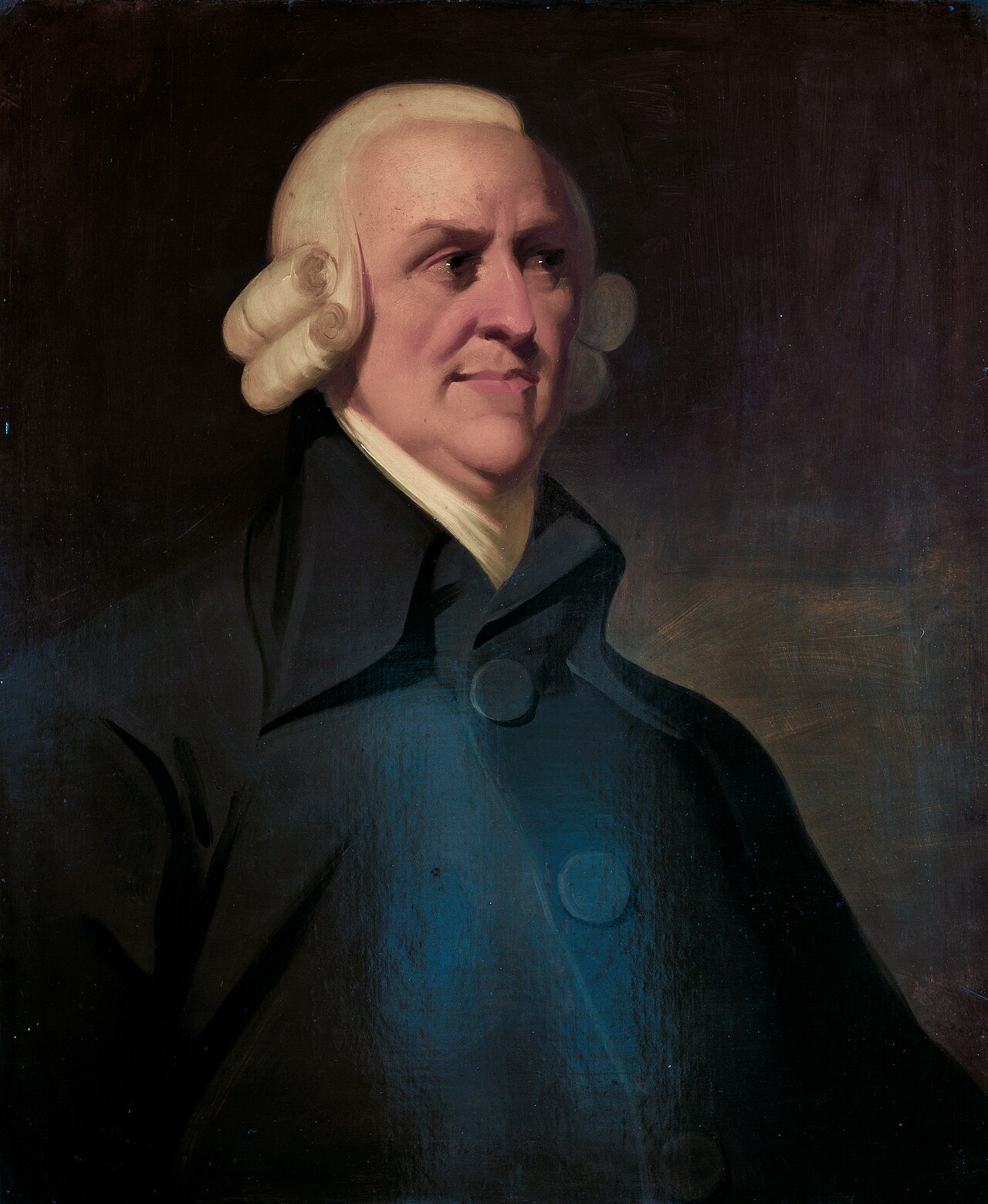
The Muir Portrait of Adam Smith
Unknown · c. 1790
Ready when you are
Start chatting with Adam Smith now.
20 messages free · No credit card · Available in 50+ languages.