


Secondary sourceSculpture1840s (photographed 2013)
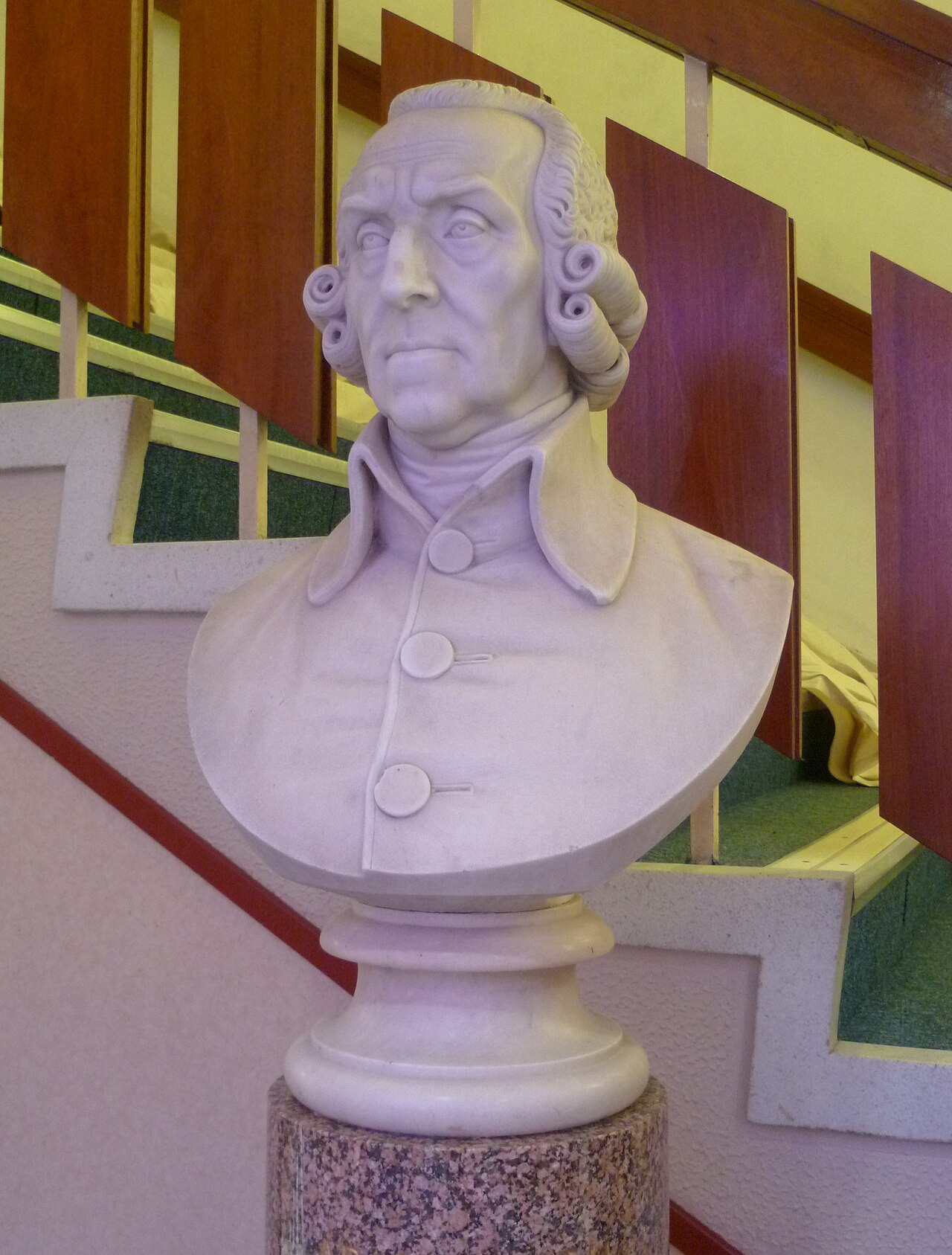
Adam Smith bust, Adam Smith Theatre, Kirkcaldy
1840s (photographed 2013)
A marble bust of Adam Smith from the 1840s, standing in the theatre named after him in his birthplace, Kirkcaldy.
This bust is a later memorial to Smith in his birthplace, showing how his hometown chose to honour him.
About this source
What it is
This is a bust of Adam Smith dating from the 1840s, displayed at the Adam Smith Theatre in Kirkcaldy, Scotland — the town where Smith was born. The photograph of it was taken in 2013 by Kim Traynor.
Why it matters
Decades after his death, Smith was honoured with a monument in his hometown, showing how his reputation as a philosopher and economist grew over time. Public memorials like this reveal how later generations chose to remember and celebrate historical figures.
Look closer
- Why might a town build a monument to someone long after their death?
- What does the choice of material and setting (marble bust, granite pedestal, theatre building) suggest about how Smith is honoured?
- How might a bust like this shape what people imagine Smith looked like, even though it was not made from life?
This sculpture is part of the curated material that grounds the AI version of Adam Smith on Humy.ai — when students ask about related events, the AI can quote it and cite it.
More Adam Smith sources
Meet the AI Adam Smith →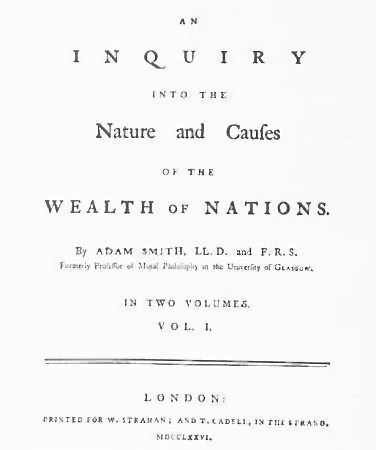 Book
Primary source
The Wealth of Nations
Adam Smith · 1776
 Book
Primary source
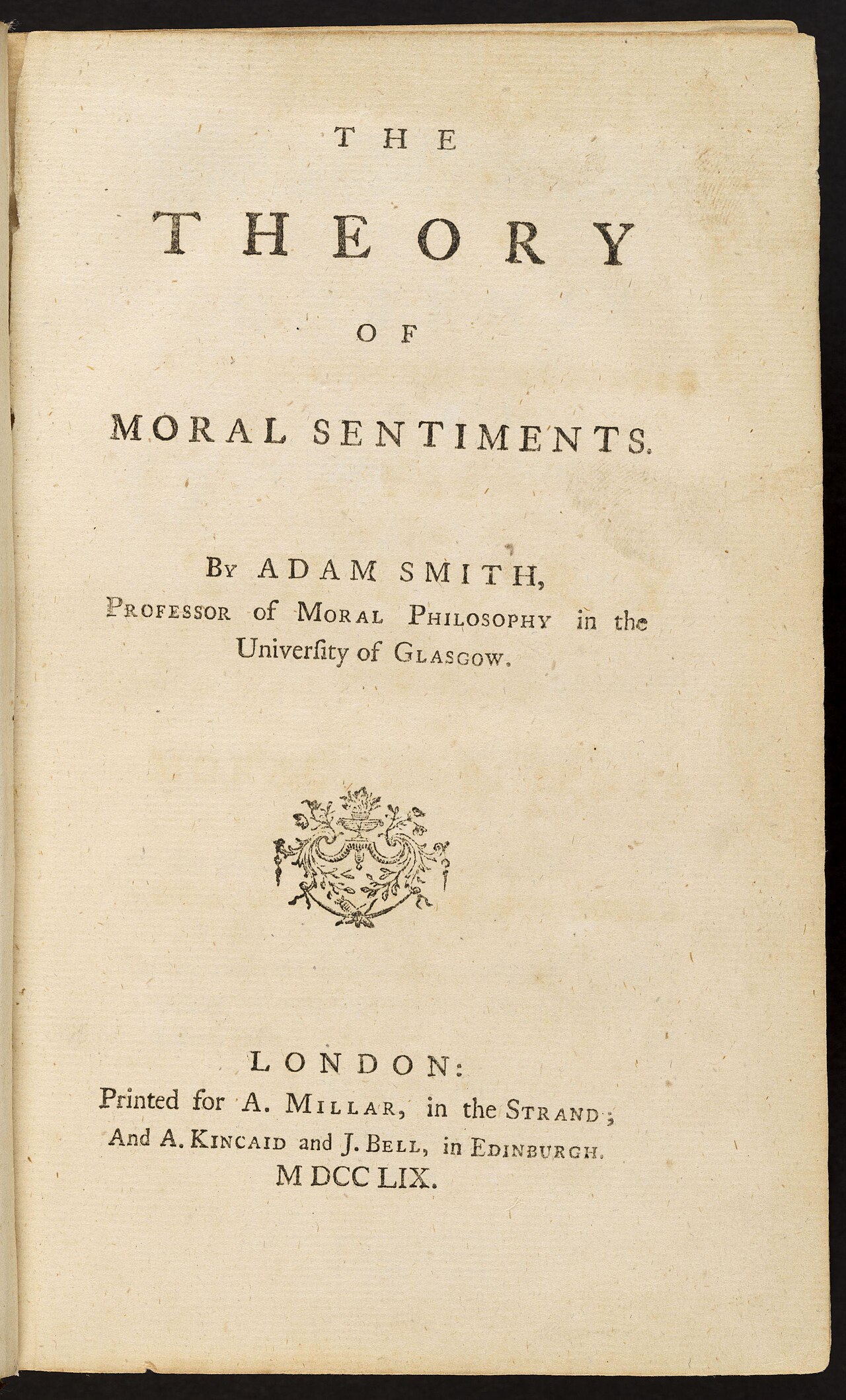
The Theory of Moral Sentiments
Adam Smith · 1759
Primary source
An Old Master and Other Political Essays
Woodrow Wilson · 1893
 Painting
Primary source
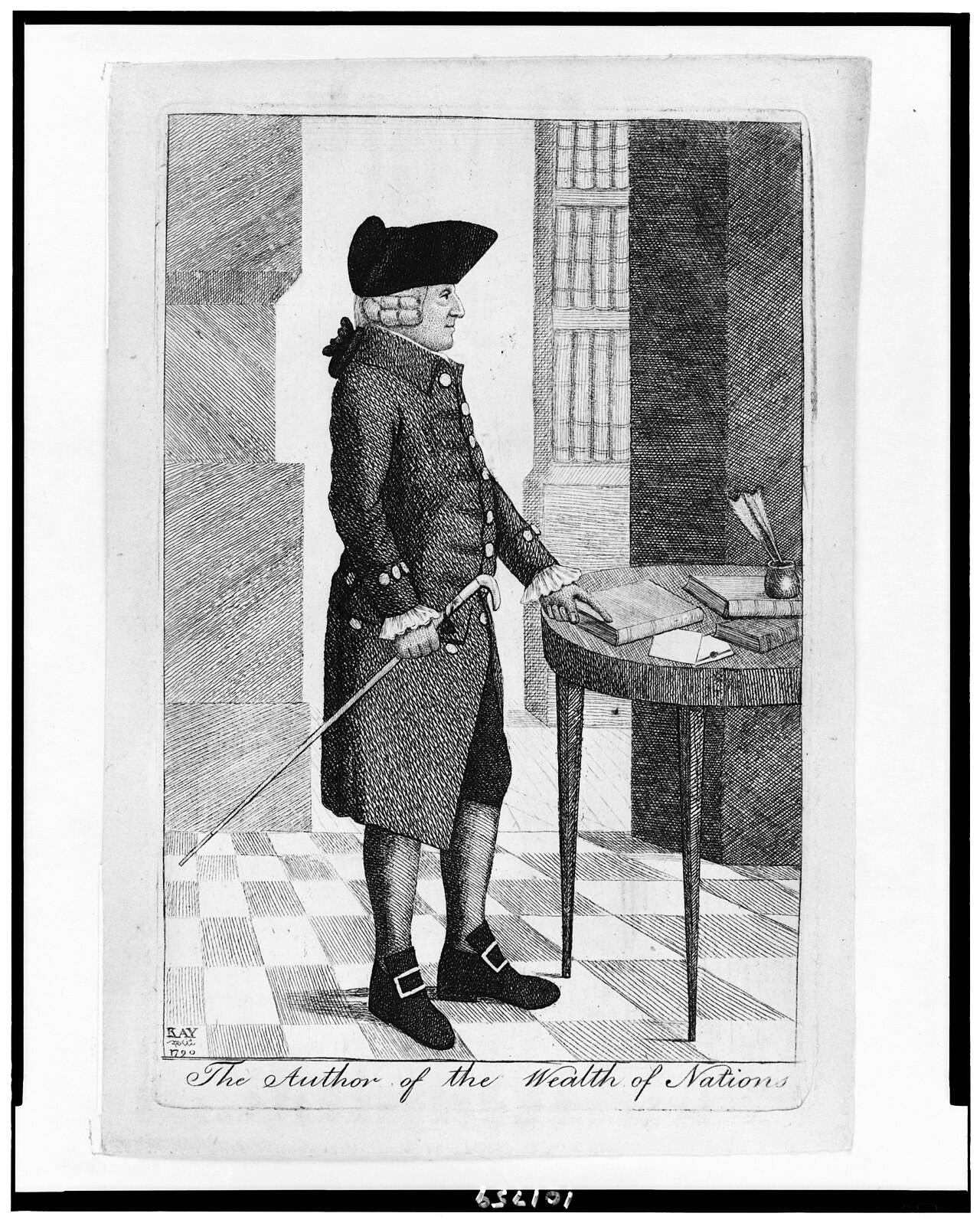
Adam Smith, 1790
John Kay · 1790
 Painting
Secondary source
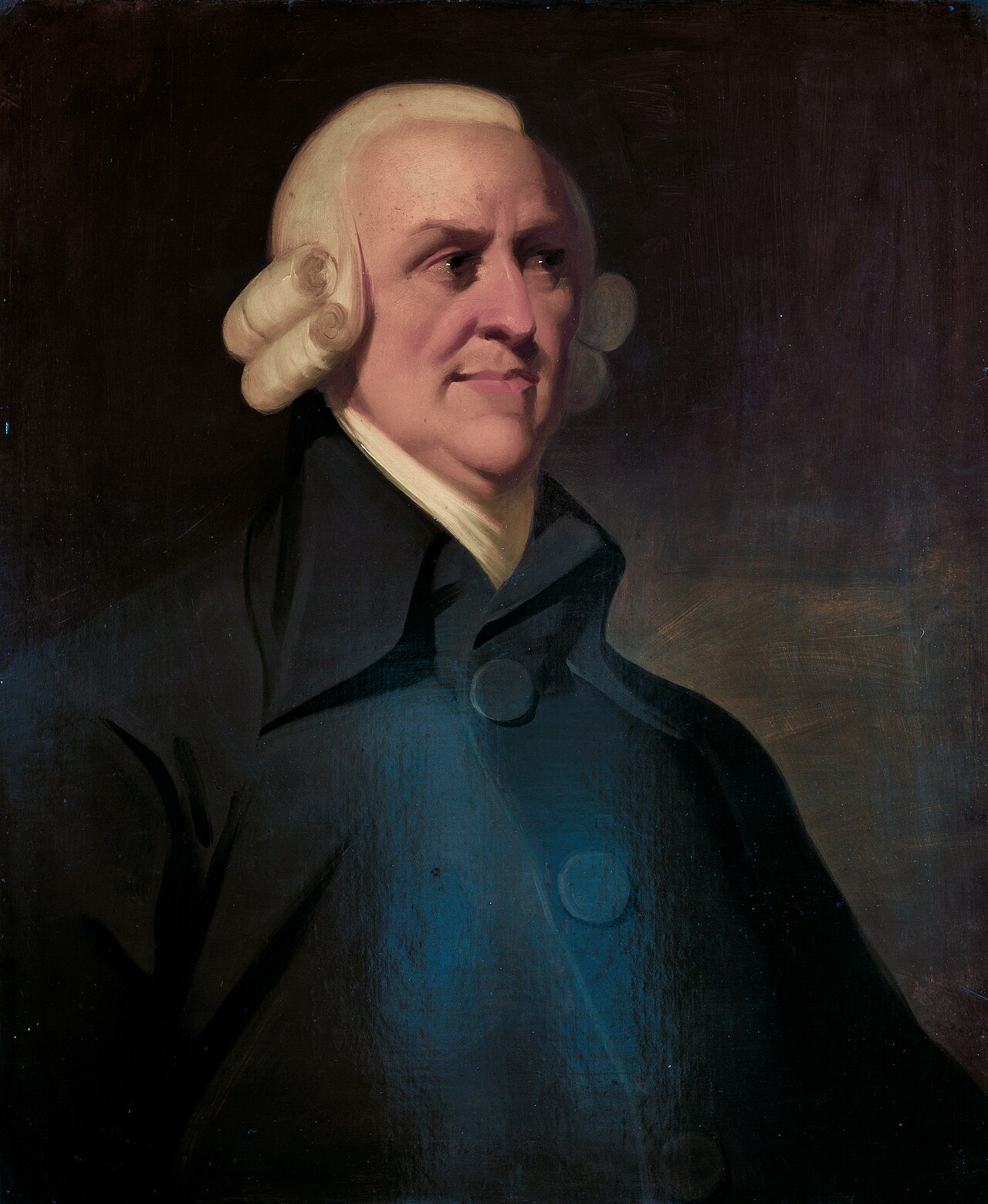
The Muir Portrait of Adam Smith
Unknown · c. 1790
Ready when you are
Start chatting with Adam Smith now.
20 messages free · No credit card · Available in 50+ languages.