


Secondary sourceSculpture1845
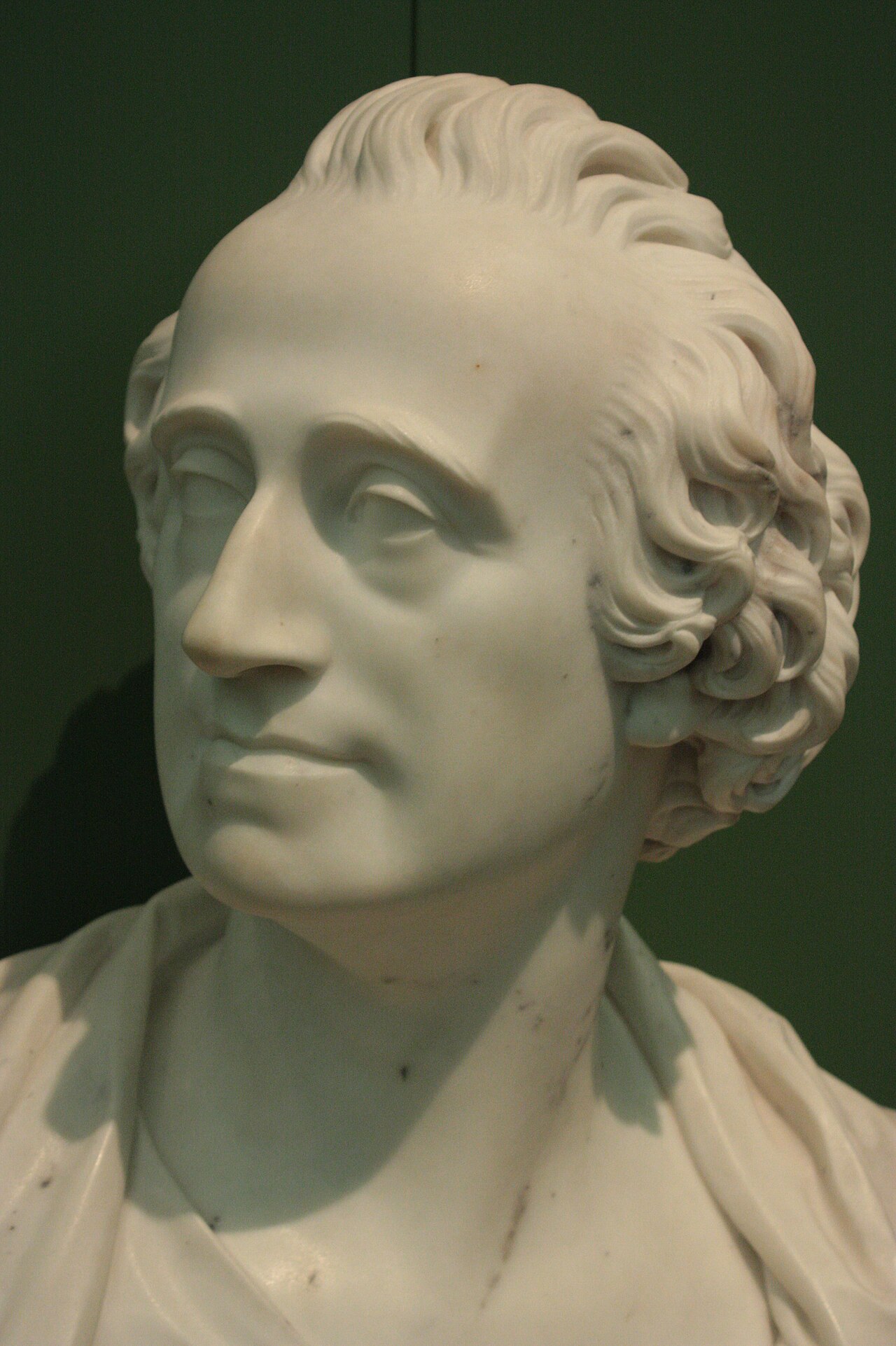
Adam Smith by Patric Park, 1845
Patric Park · 1845
A marble bust of Adam Smith made in 1845, showing how Victorian Scotland honoured him as a hero of free trade.
A posthumous bust showing how Victorian Scotland memorialised Smith as a hero of free trade.
About this source
What it is
This is a marble bust of Adam Smith sculpted by Patric Park in 1845, more than fifty years after Smith's death. The photograph shows a close-up of the carved head and shoulders.
Why it matters
By the mid-1800s, Smith had become a celebrated figure in Scotland, remembered as the founder of ideas about free trade and economics. This bust was not made from life but reflects how later generations wanted to remember and honour him, turning Smith into a national symbol decades after his death.
Look closer
- Since this bust was made after Smith died, what choices might the sculptor have made about his appearance?
- Why do societies make statues and busts of thinkers rather than just reading their books?
- What does this object tell us about how Smith was remembered, rather than about Smith himself?
This sculpture is part of the curated material that grounds the AI version of Adam Smith on Humy.ai — when students ask about related events, the AI can quote it and cite it.
More Adam Smith sources
Meet the AI Adam Smith →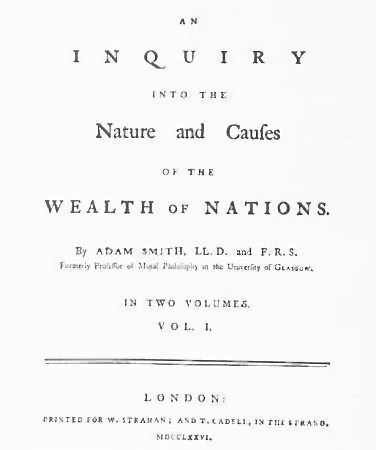 Book
Primary source
The Wealth of Nations
Adam Smith · 1776
 Book
Primary source
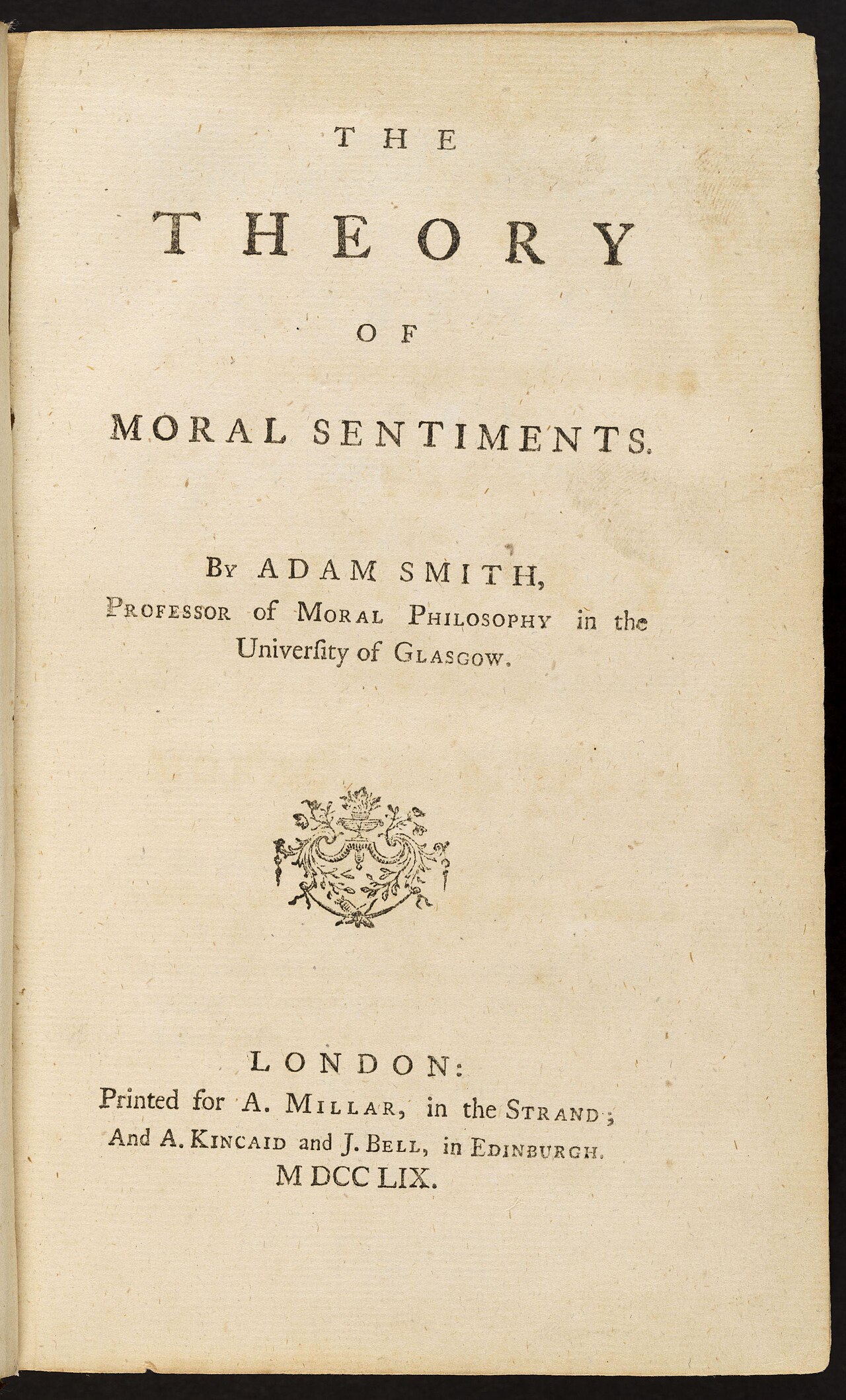
The Theory of Moral Sentiments
Adam Smith · 1759
Primary source
An Old Master and Other Political Essays
Woodrow Wilson · 1893
 Painting
Primary source
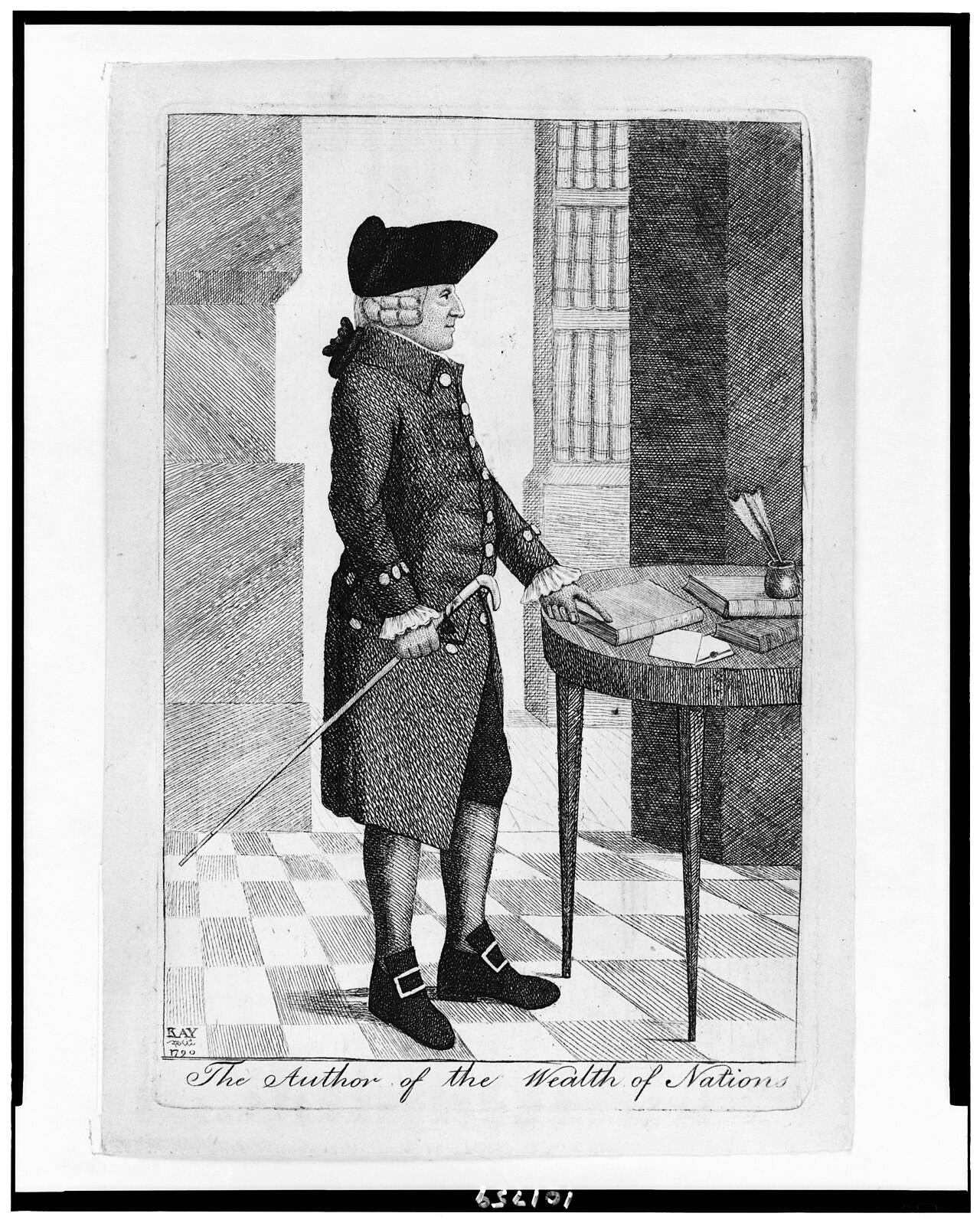
Adam Smith, 1790
John Kay · 1790
 Painting
Secondary source
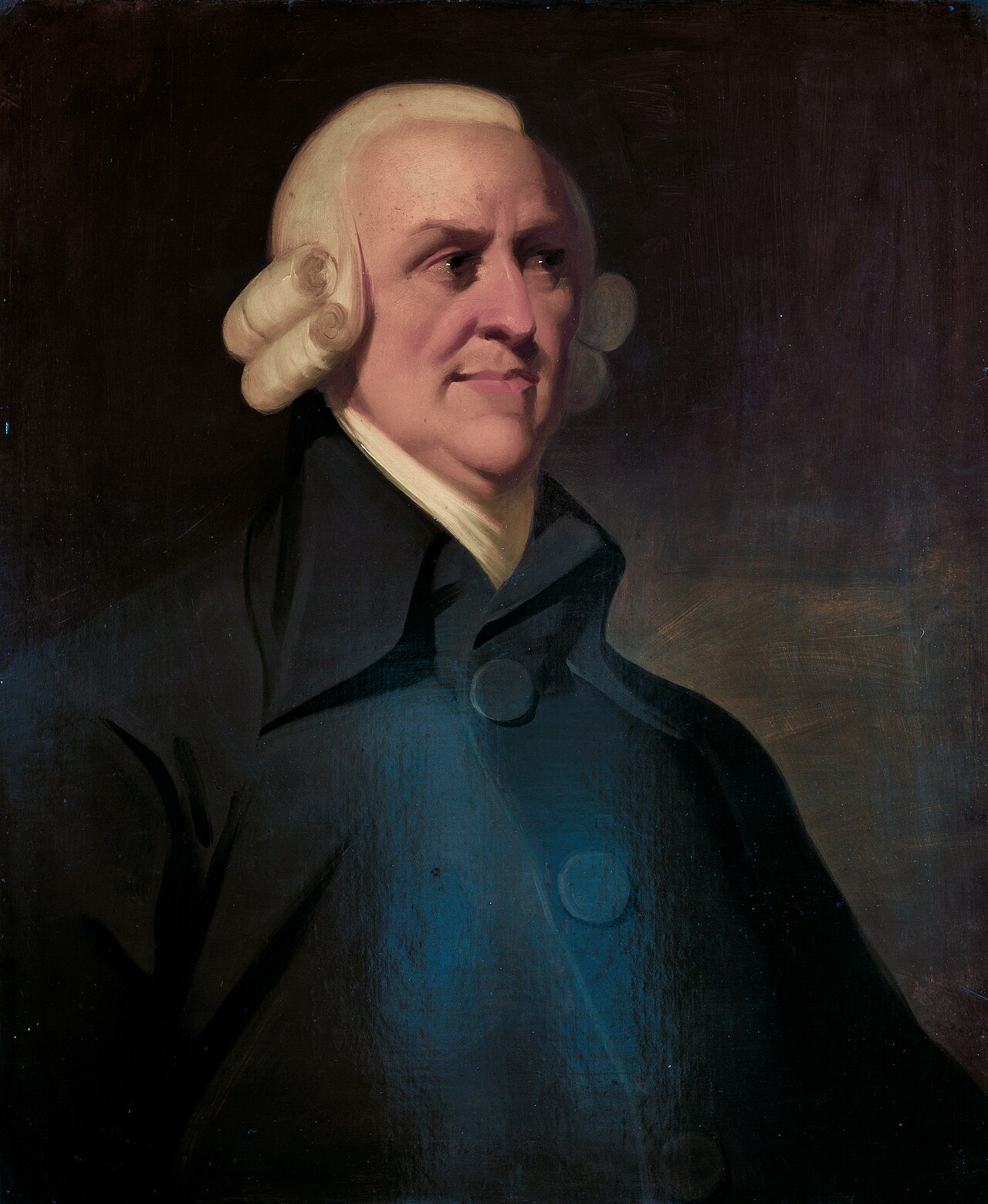
The Muir Portrait of Adam Smith
Unknown · c. 1790
Ready when you are
Start chatting with Adam Smith now.
20 messages free · No credit card · Available in 50+ languages.