


Primary sourceDocument1770
The False Alarm
Samuel Johnson · 1770
A 1770 political pamphlet by Samuel Johnson defending the government against the popular agitation over the Wilkes and Middlesex election affair. It shows his Tory opposition to radical protest.
Johnson wrote this Tory government pamphlet, which shows his hostility to popular radicalism in the Wilkes affair.
About this source
What it is
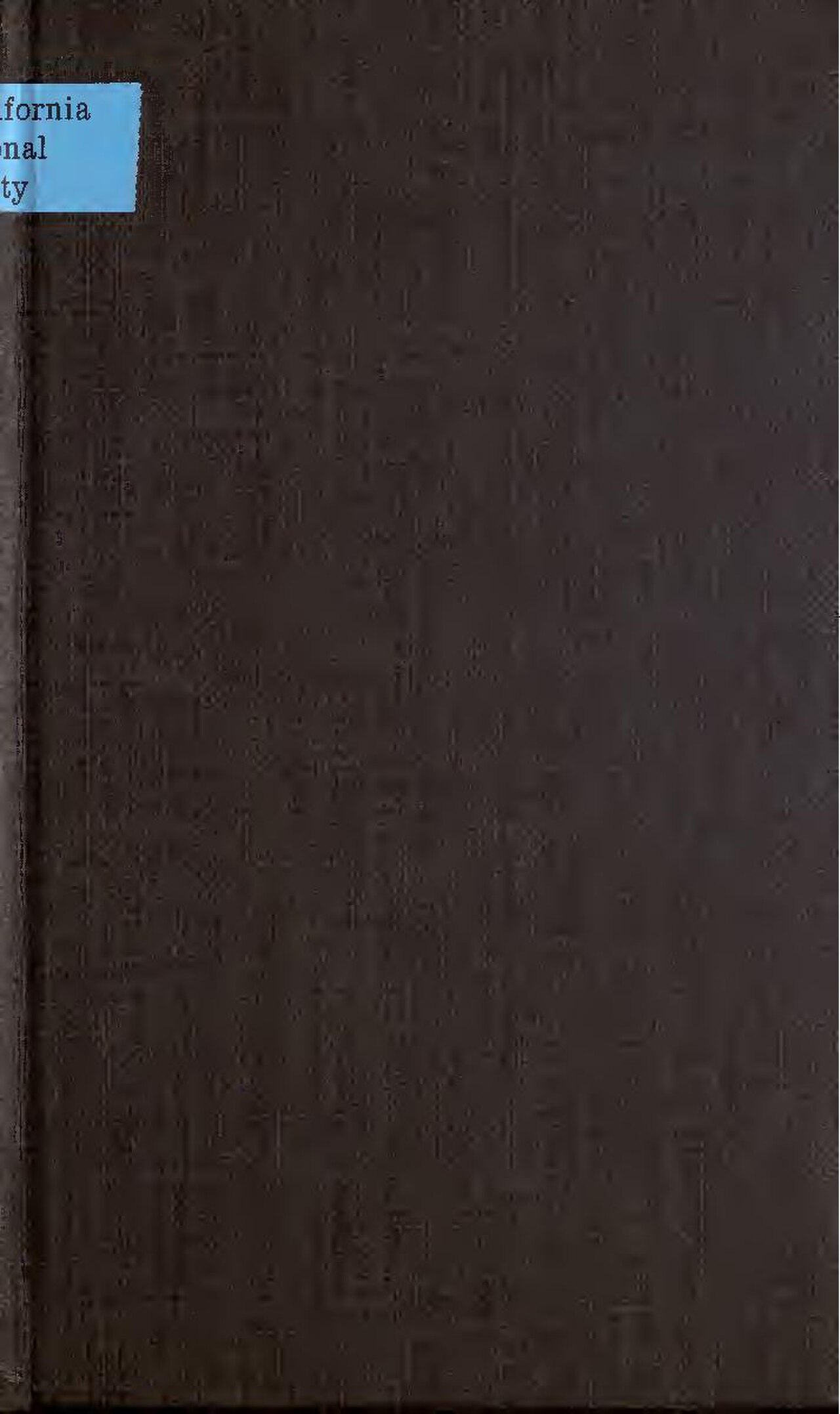
The False Alarm is a pamphlet written by Samuel Johnson and dated 1770 in the copy held by the library. It opens with reflections on how philosophy has freed people from unnecessary fears, and then argues that political knowledge may likewise reduce causeless discontent and seditious violence. The image in this record is only a photograph of a dark brown cloth book cover with a partial blue library label, so it shows the volume that holds the text rather than the pamphlet's pages.
Why it matters
The pamphlet was written during the Wilkes and Middlesex election affair, when supporters of the radical politician John Wilkes protested against Parliament. Johnson's pamphlet is a clear example of his Tory political writing. James Boswell disagreed with it, and his opinion contradicted this pamphlet and Taxation No Tyranny, which led Boswell to attack Johnson's views. The pamphlet therefore shows both Johnson's politics and the sharp arguments of his time.
Look closer
- What words does Johnson use to describe popular protest, and what does this tell you about his view of the crowd?
- Why might Johnson compare political discontent to eclipses and meteors?
- Whose voices are missing from this pamphlet, and how might a supporter of Wilkes have answered it?
This document is part of the curated material that grounds the AI version of Samuel Johnson on Humy.ai — when students ask about related events, the AI can quote it and cite it.
More Samuel Johnson sources
Meet the AI Samuel Johnson →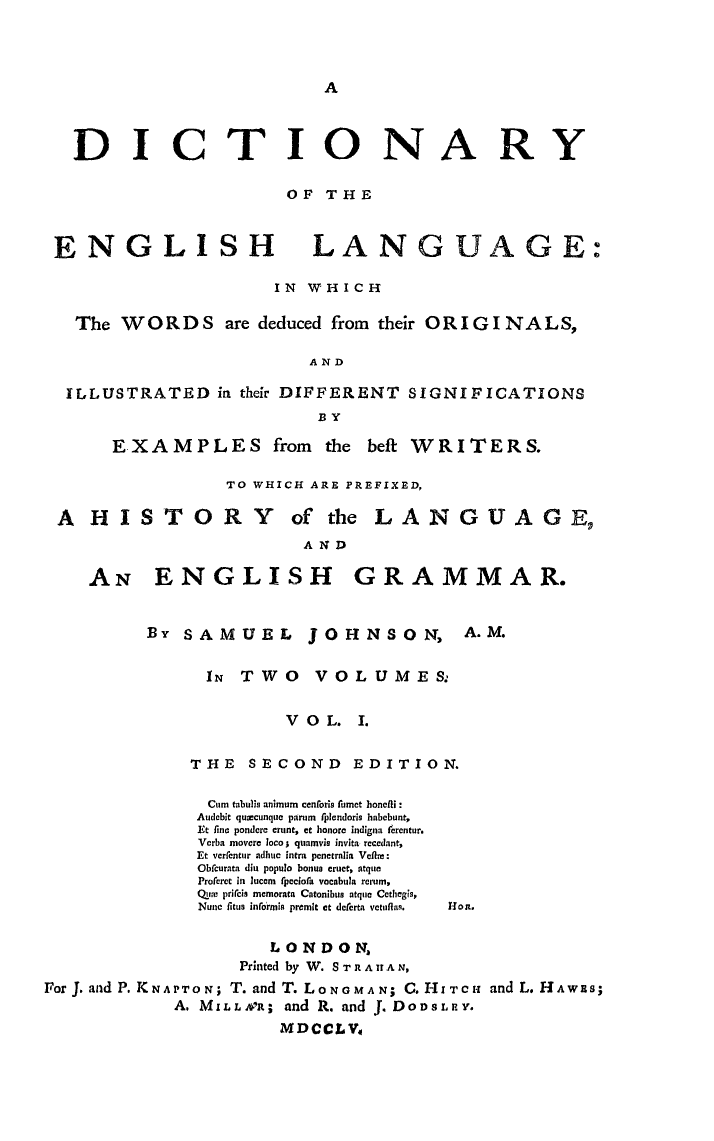 Book
Primary source
A Dictionary of the English Language
Samuel Johnson · 1755
 Book
Primary source
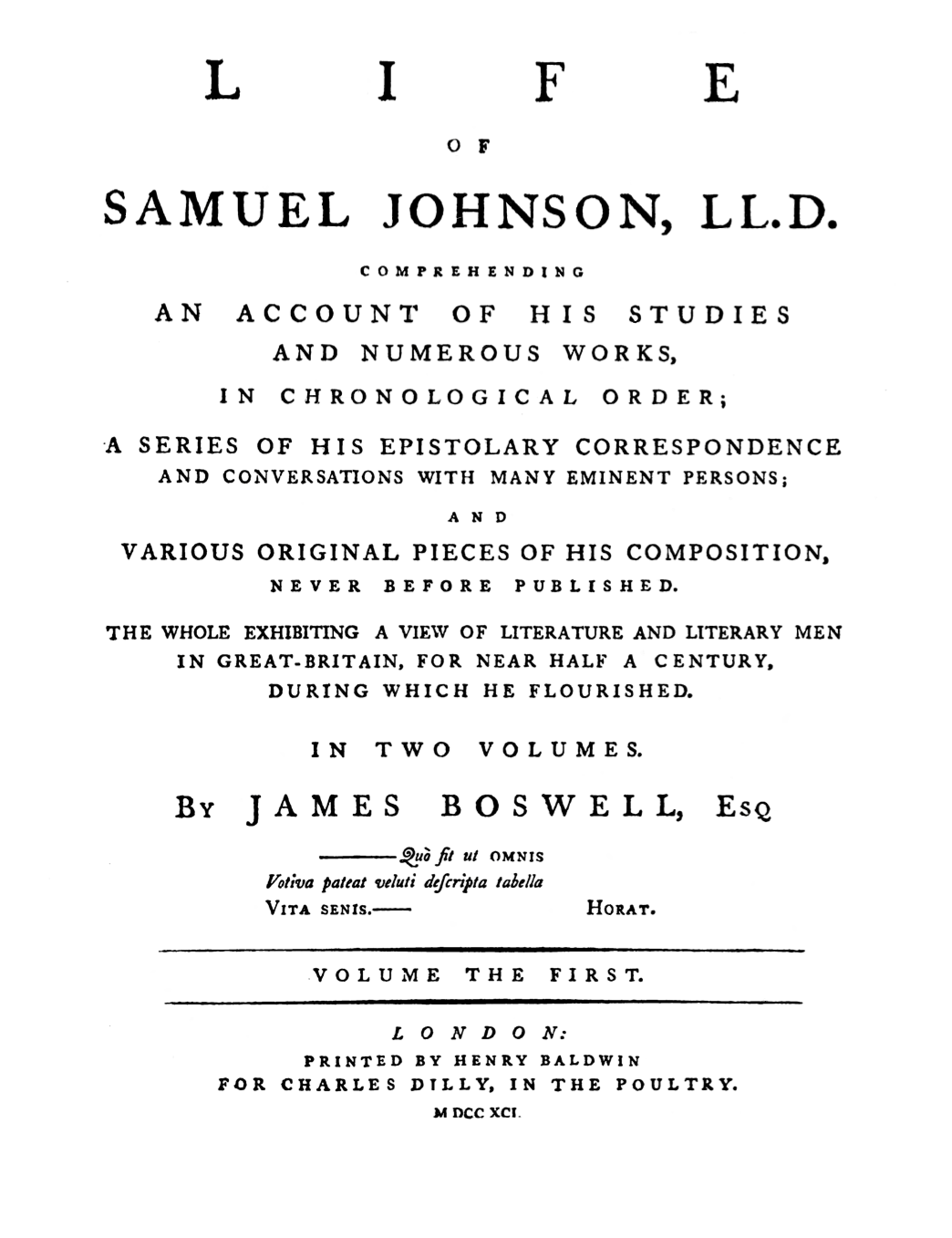
The Life of Samuel Johnson
James Boswell · 1791
Primary source
Letter to Lord Chesterfield
Samuel Johnson · 7 February 1755
 Book
Primary source
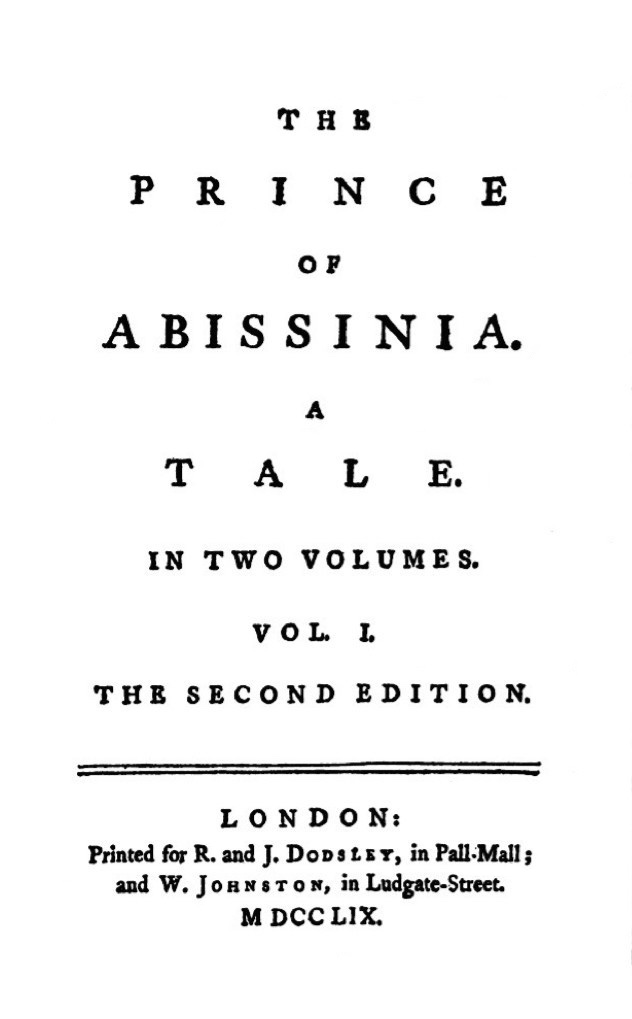
The History of Rasselas, Prince of Abissinia
Samuel Johnson · 1759
 Book
Primary source
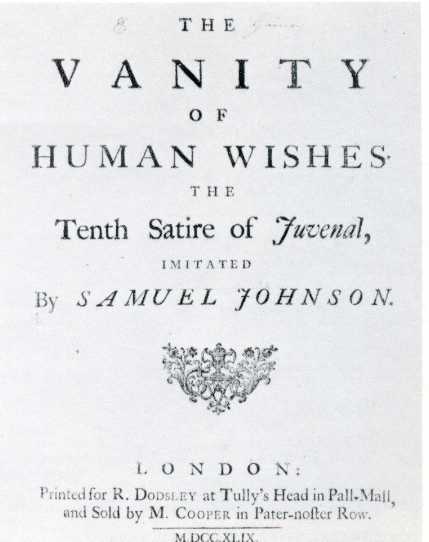
The Vanity of Human Wishes
Samuel Johnson · 1749
Ready when you are
Start chatting with Samuel Johnson now.
20 messages free · No credit card · Available in 50+ languages.