


Primary sourceArtifact1619
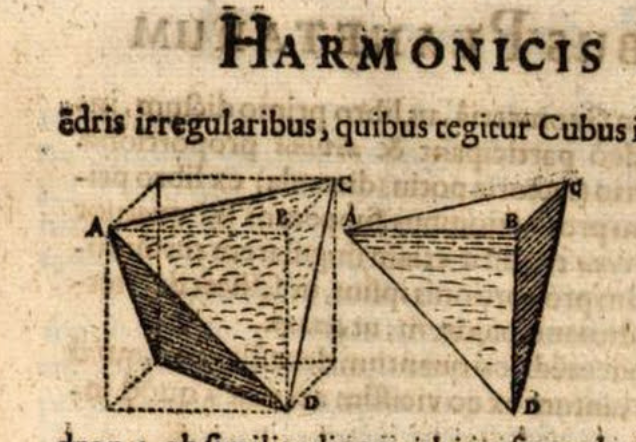
Drawing of a Tetrahedron Inscribed in a Cube
Johannes Kepler · 1619
Kepler's own diagram showing how a tetrahedron fits inside a cube, drawn for his book on cosmic harmony.
This is Kepler's own geometric drawing, made for his book on the harmony of solids and the cosmos.
About this source
What it is
This is a printed diagram made by Johannes Kepler in 1619, appearing on page 181 of Book V of his work Harmonices Mundi (Harmony of the World). It shows a cube with a tetrahedron (a four-sided solid) fitted inside it, touching four of the cube's eight corners.
Why it matters
Kepler was fascinated by geometric shapes and believed they revealed deep truths about the universe's structure, including the movements of planets. This drawing is part of his study of how regular solids relate to each other, work that connects to his larger ideas about cosmic harmony and order.
Look closer
- Why might Kepler have cared so much about fitting one shape neatly inside another?
- What does the care put into this diagram tell you about how Kepler thought and worked?
- What is left out of a drawing like this that a model of the shapes could show better?
This artifact is part of the curated material that grounds the AI version of Johannes Kepler on Humy.ai — when students ask about related events, the AI can quote it and cite it.
More Johannes Kepler sources
Meet the AI Johannes Kepler →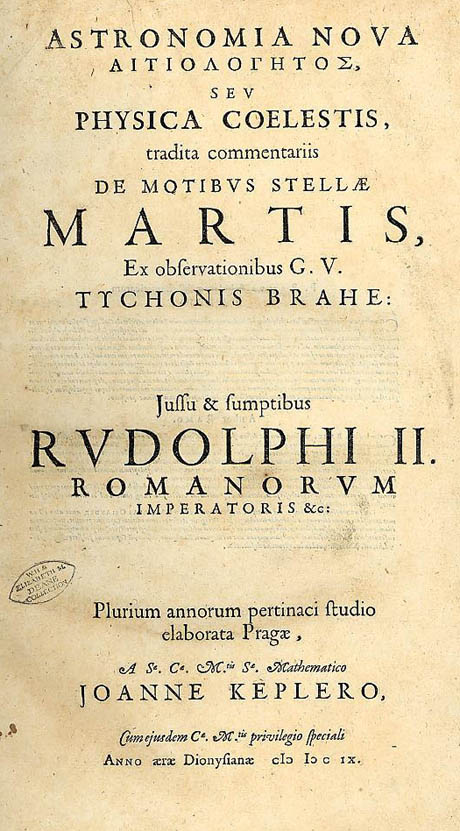 Book
Secondary source
Astronomia Nova
Johannes Kepler · 1609
 Book
Primary source
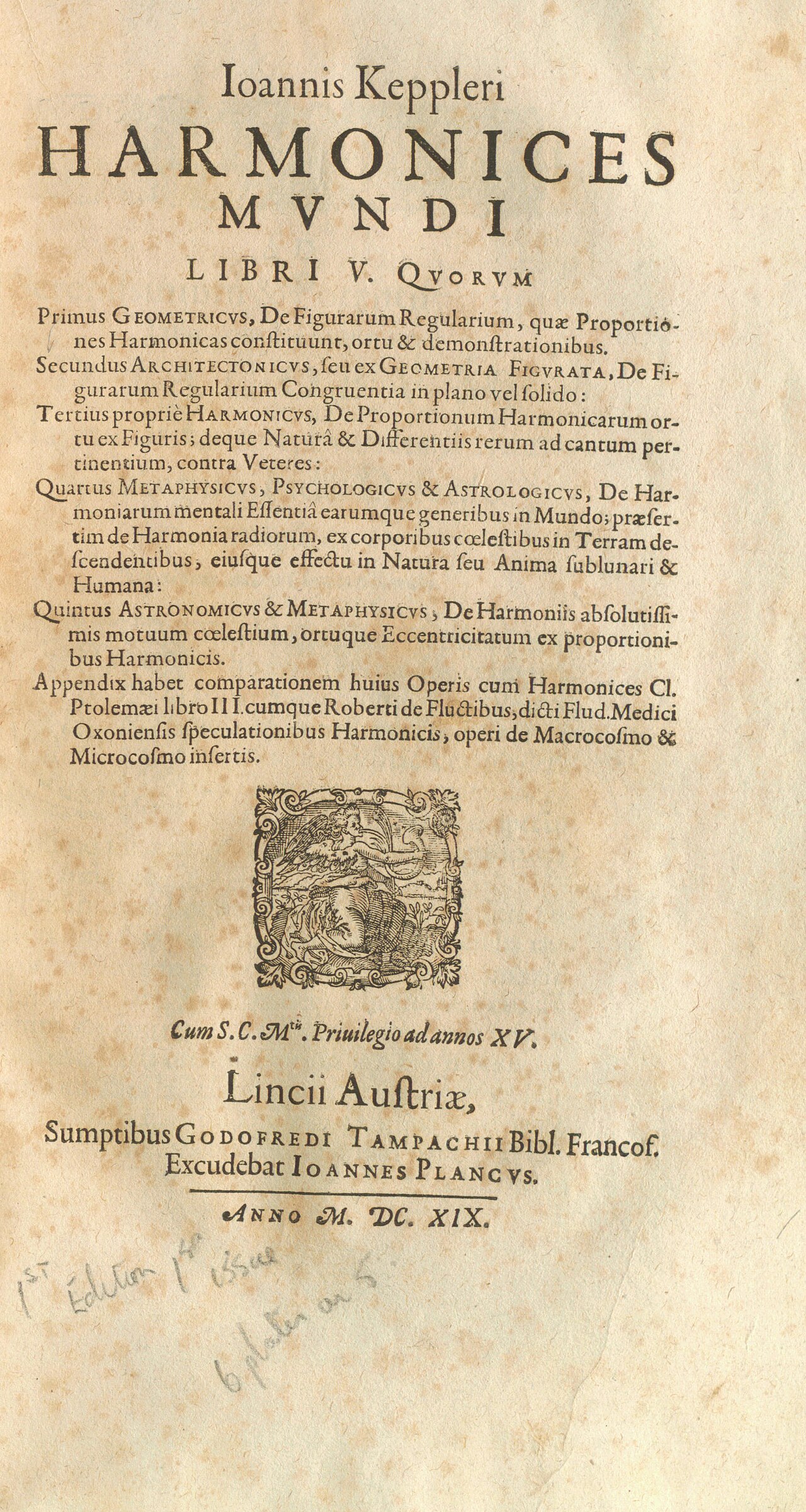
Harmonices Mundi
Johannes Kepler · 1619
 Book
Secondary source
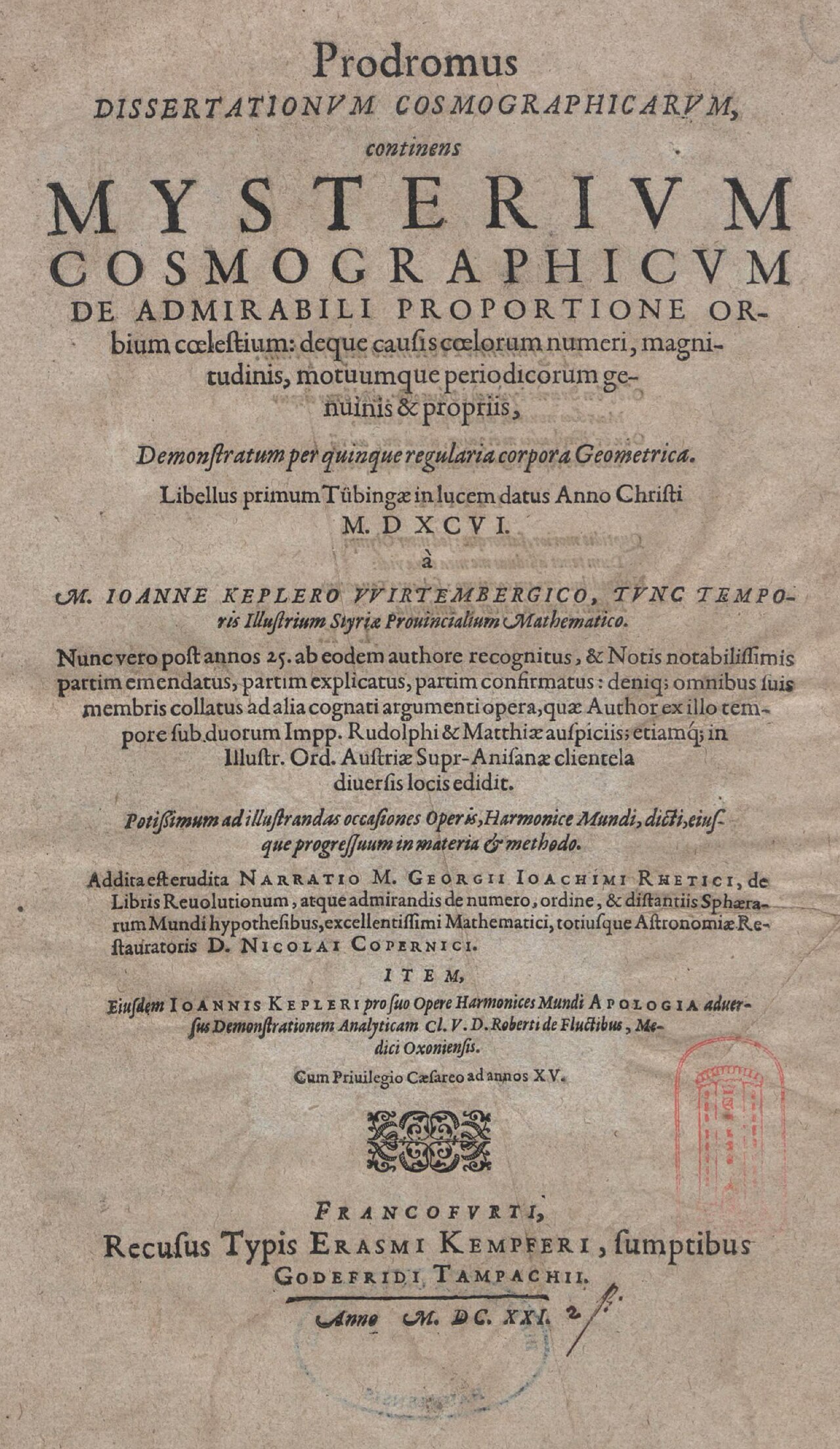
Mysterium Cosmographicum
Johannes Kepler · 1596 (2nd edition 1621)
Secondary source
The Martyrs of Science: Galileo, Tycho Brahe and Kepler
David Brewster
 Book
Secondary source
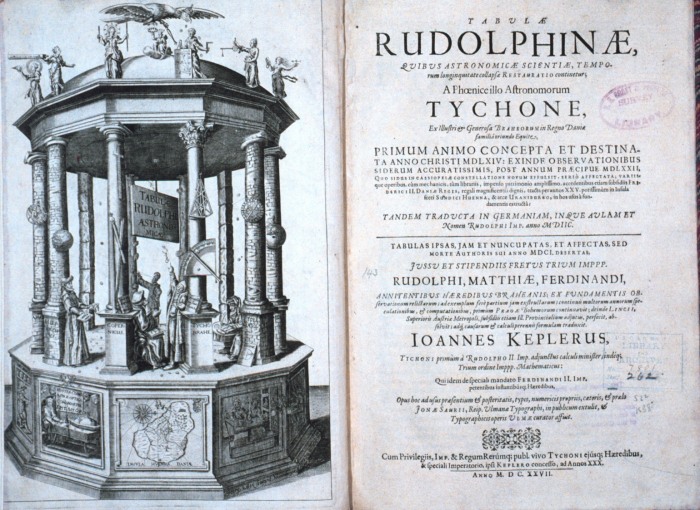
Rudolphine Tables
Johannes Kepler · 1627
Ready when you are
Start chatting with Johannes Kepler now.
20 messages free · No credit card · Available in 50+ languages.