


Secondary sourcePainting1659 (depicting a design from c. 1641)
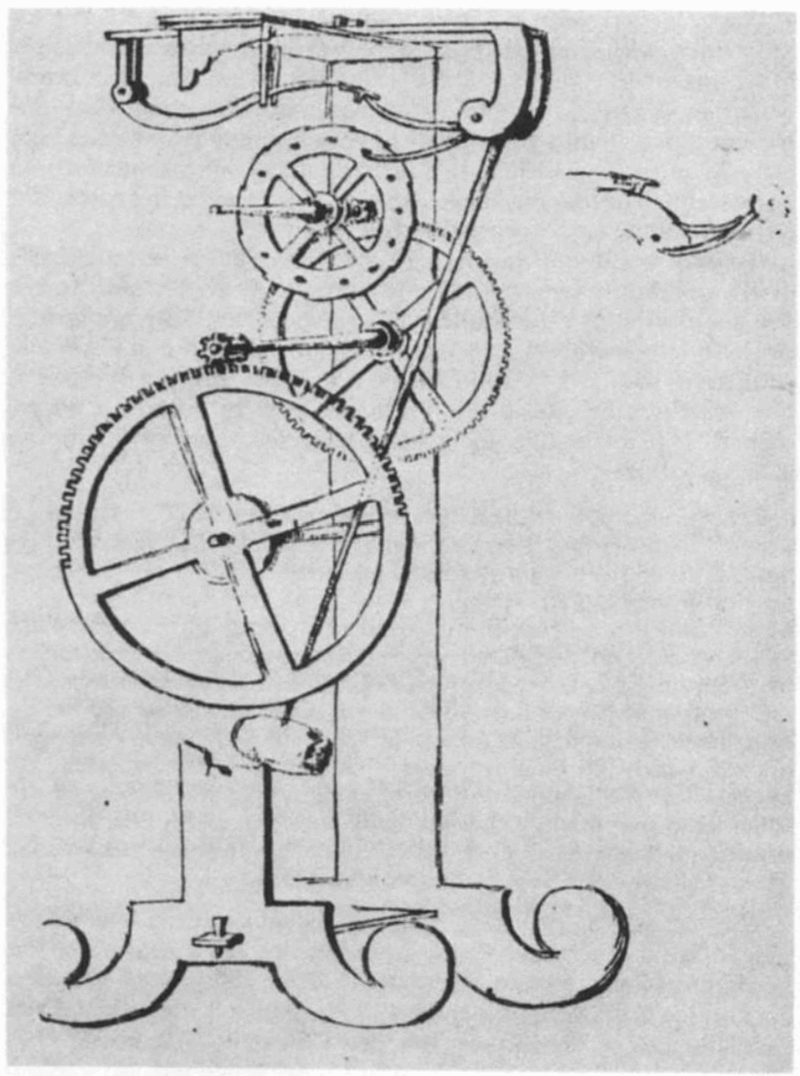
Drawing of Galileo's Pendulum Clock
Vincenzo Viviani · 1659 (depicting a design from c. 1641)
A 1659 drawing by Vincenzo Viviani of a pendulum clock mechanism that the blind Galileo designed in 1641, dictating the idea to his son.
This drawing records a pendulum clock Galileo designed while blind in 1641, dictated to his son and later recorded by his pupil Viviani.
About this source
What it is
This line drawing, made in 1659 by Vincenzo Viviani, shows the mechanism of a pendulum clock that Galileo designed around 1641, when he was blind. The front plate is cut away to reveal the gearwork inside.
Why it matters
The design links Galileo's early discovery of the pendulum's regular swing to his final invention, built with the help of his son, who died before finishing it. It shows how Galileo kept working on scientific problems even after losing his sight, and how his ideas were carried on by those around him, including Viviani, his pupil and biographer.
Look closer
- Why would Galileo need to dictate this design rather than draw it himself?
- What does the cutaway view tell you about how the clock worked?
- Why might this drawing, made years after Galileo's death, still count as evidence about his ideas?
This painting is part of the curated material that grounds the AI version of Galileo Galilei on Humy.ai — when students ask about related events, the AI can quote it and cite it.
More Galileo Galilei sources
Meet the AI Galileo Galilei →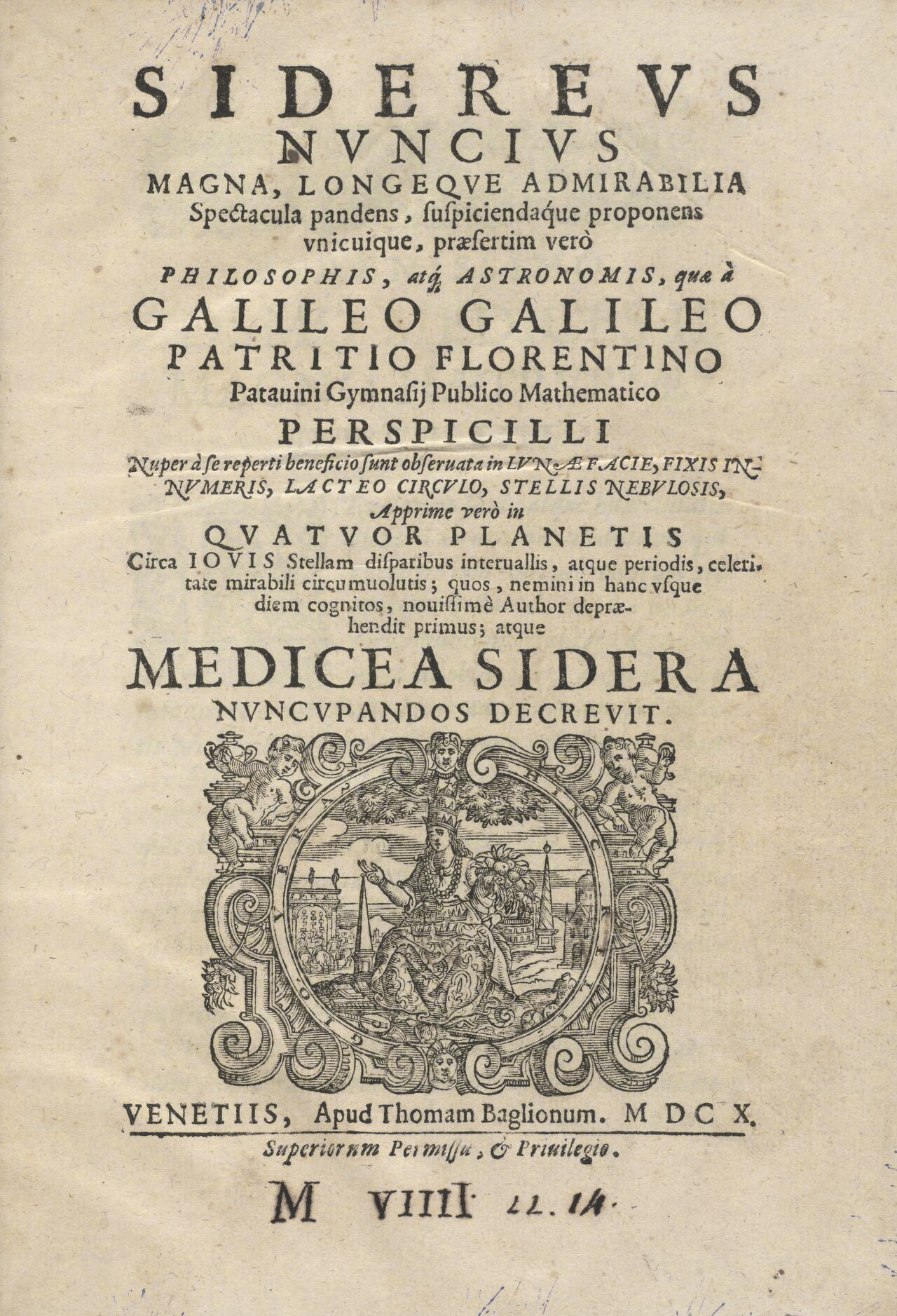 Book
Primary source
Sidereus Nuncius
Galileo Galilei · 1610
 Painting
Primary source
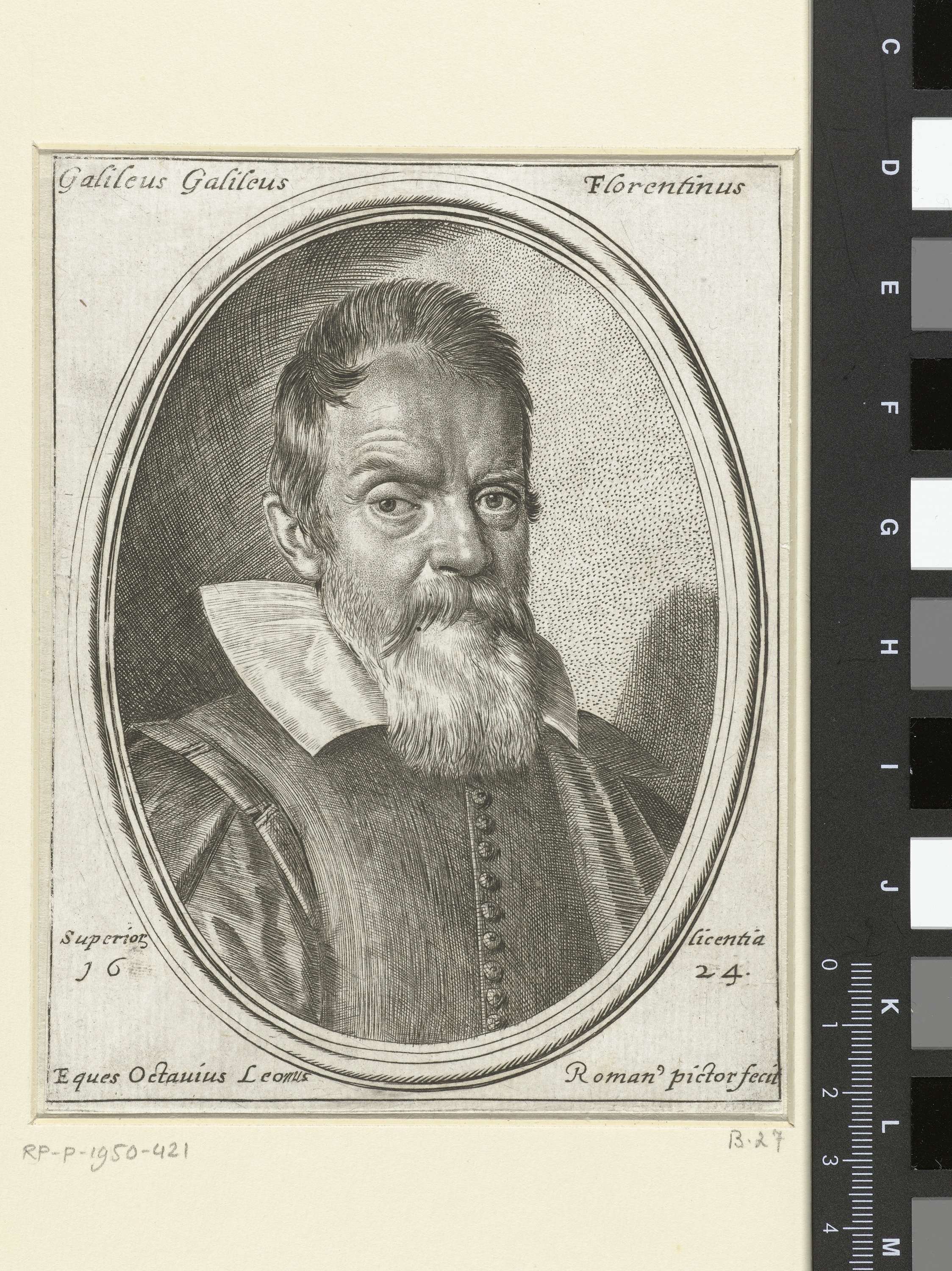
Portrait of Galileo Galilei (1624 print)
1624
 Painting
Primary source
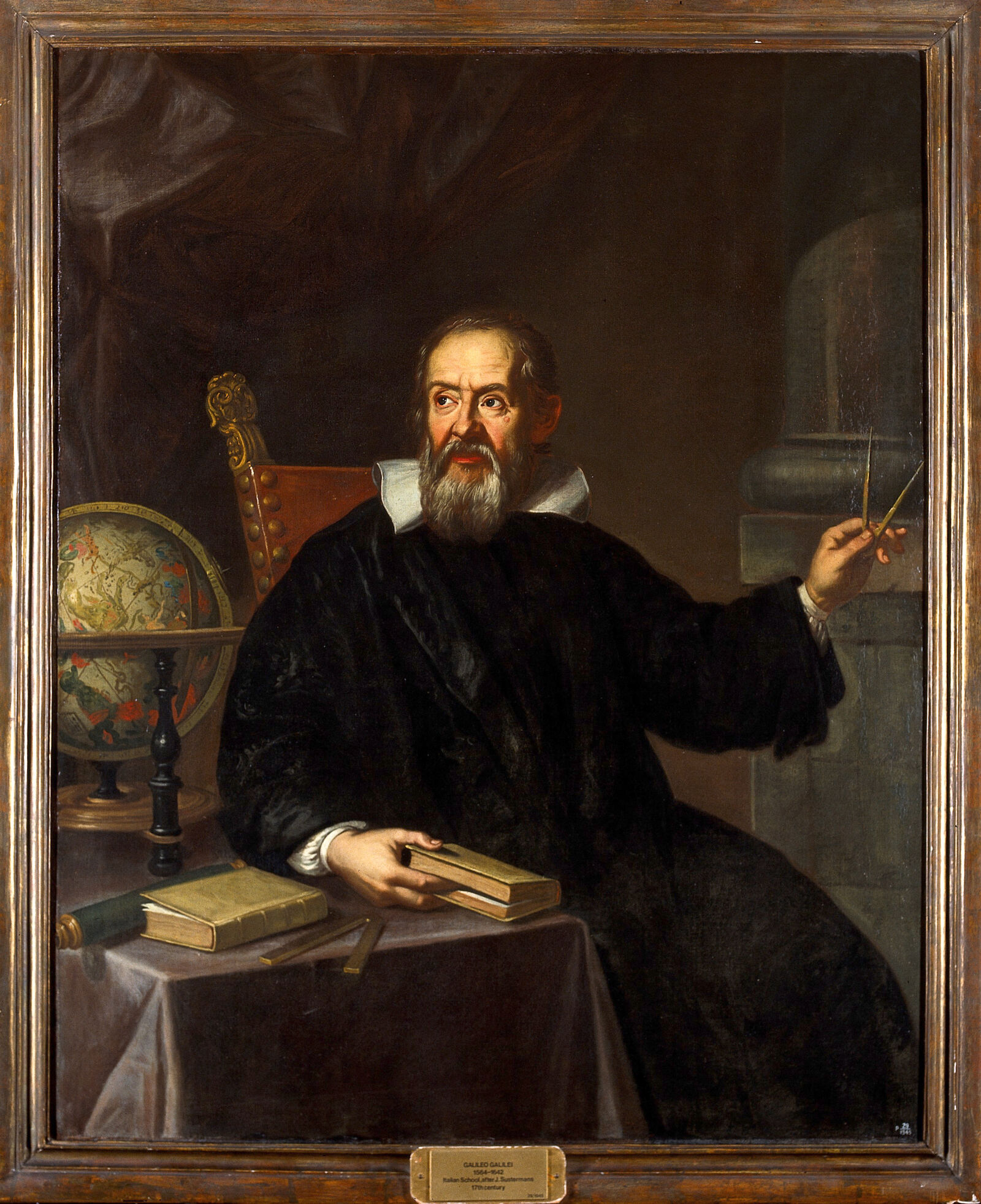
Oil Portrait of Galileo in His Study
Unknown Italian painter · 18th century (?)
 Painting
Primary source
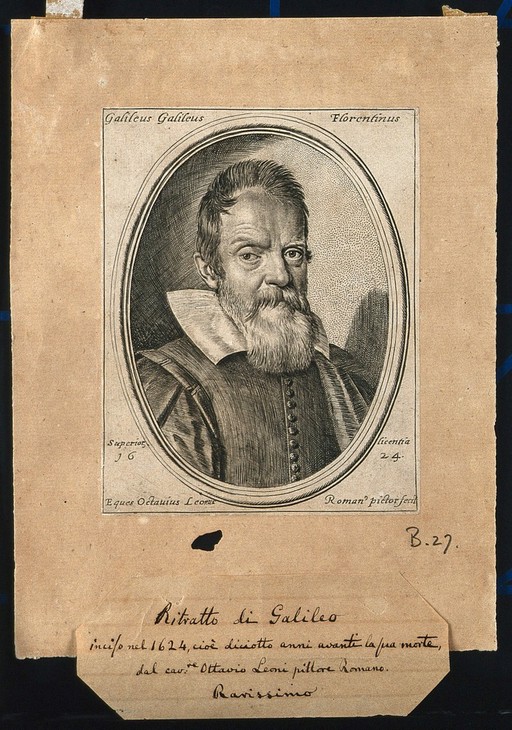
Galileo Galilei, line engraving by Ottavio Leoni
Ottavio Leoni · 1624
 Book
Primary source
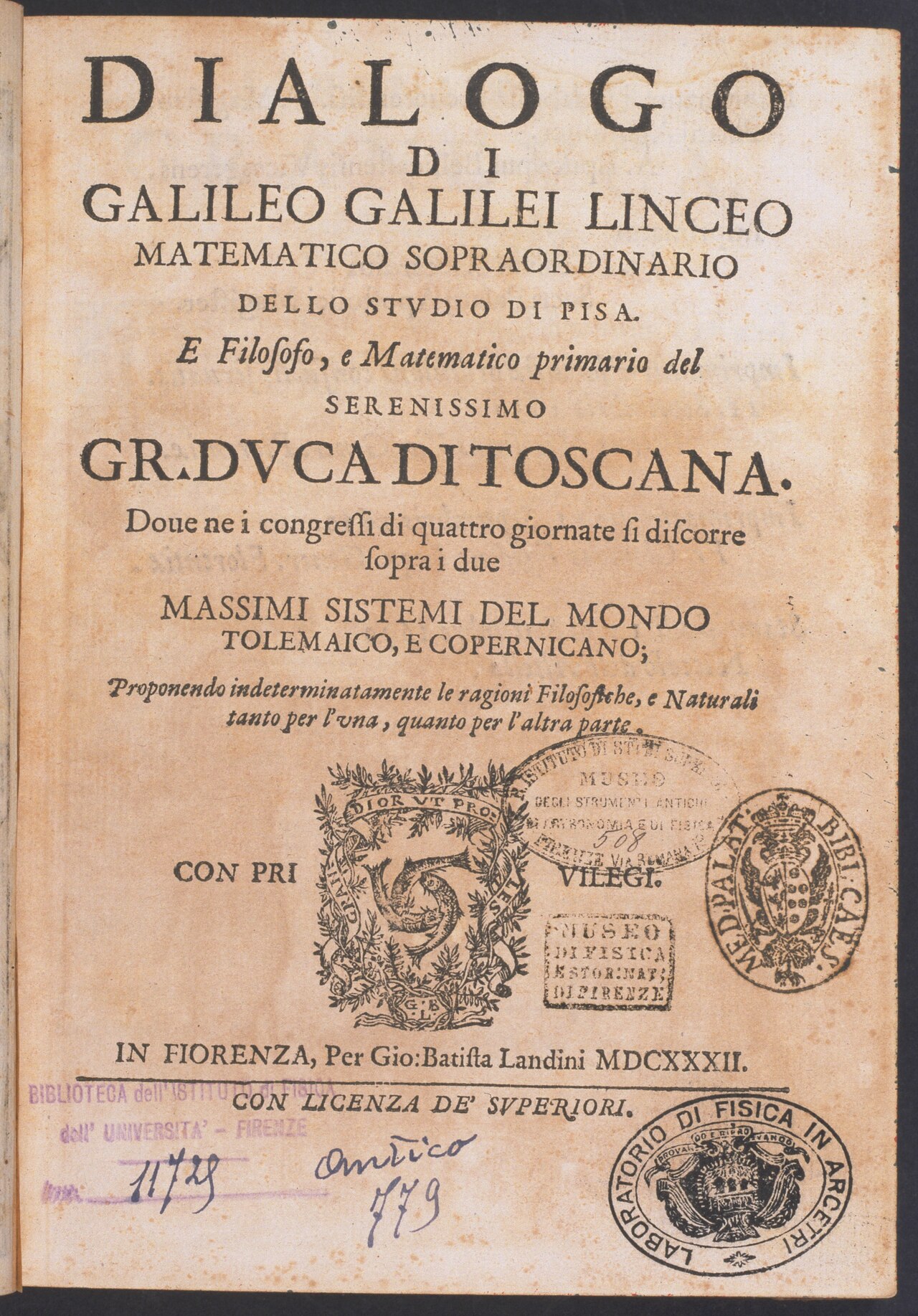
Dialogue Concerning the Two Chief World Systems
Galileo Galilei · 1632
Ready when you are
Start chatting with Galileo Galilei now.
20 messages free · No credit card · Available in 50+ languages.