


Primary sourcePainting1623
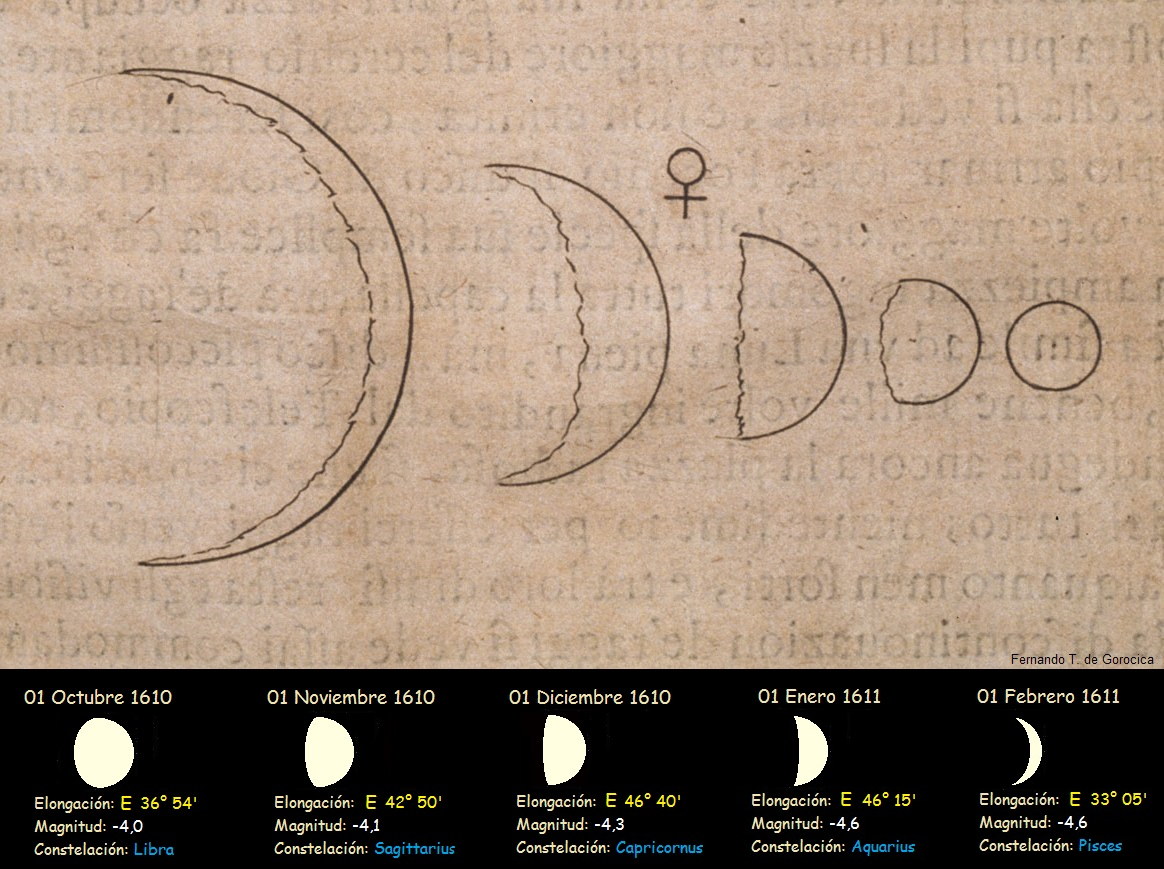
Drawings of the Phases of Venus
Galileo Galilei · 1623
Galileo's sketches of Venus changing phase, the observation that helped disprove the old Earth-centered model of the universe.
Galileo made these drawings himself, using them as evidence against the Ptolemaic model of the universe.
About this source
What it is
These are drawings by Galileo Galilei showing the phases of Venus, published in his work Il Saggiatore (The Assayer) in Rome in 1623. The original is held by the Biblioteca Nazionale Centrale in Florence.
Why it matters
By watching Venus change shape from crescent to nearly full, Galileo showed that Venus must orbit the Sun, not the Earth. This was strong evidence against the old Ptolemaic system, which placed the Earth at the center of everything, and support for the Copernican model Galileo privately favored. The drawings are proof of how careful telescope observation could overturn centuries of accepted belief.
Look closer
- What different shapes of Venus can you identify in the sketches?
- Why would changing phases of Venus be impossible to explain under an Earth-centered universe?
- How does drawing what you see through an instrument differ from simply describing it in words?
This painting is part of the curated material that grounds the AI version of Galileo Galilei on Humy.ai — when students ask about related events, the AI can quote it and cite it.
More Galileo Galilei sources
Meet the AI Galileo Galilei →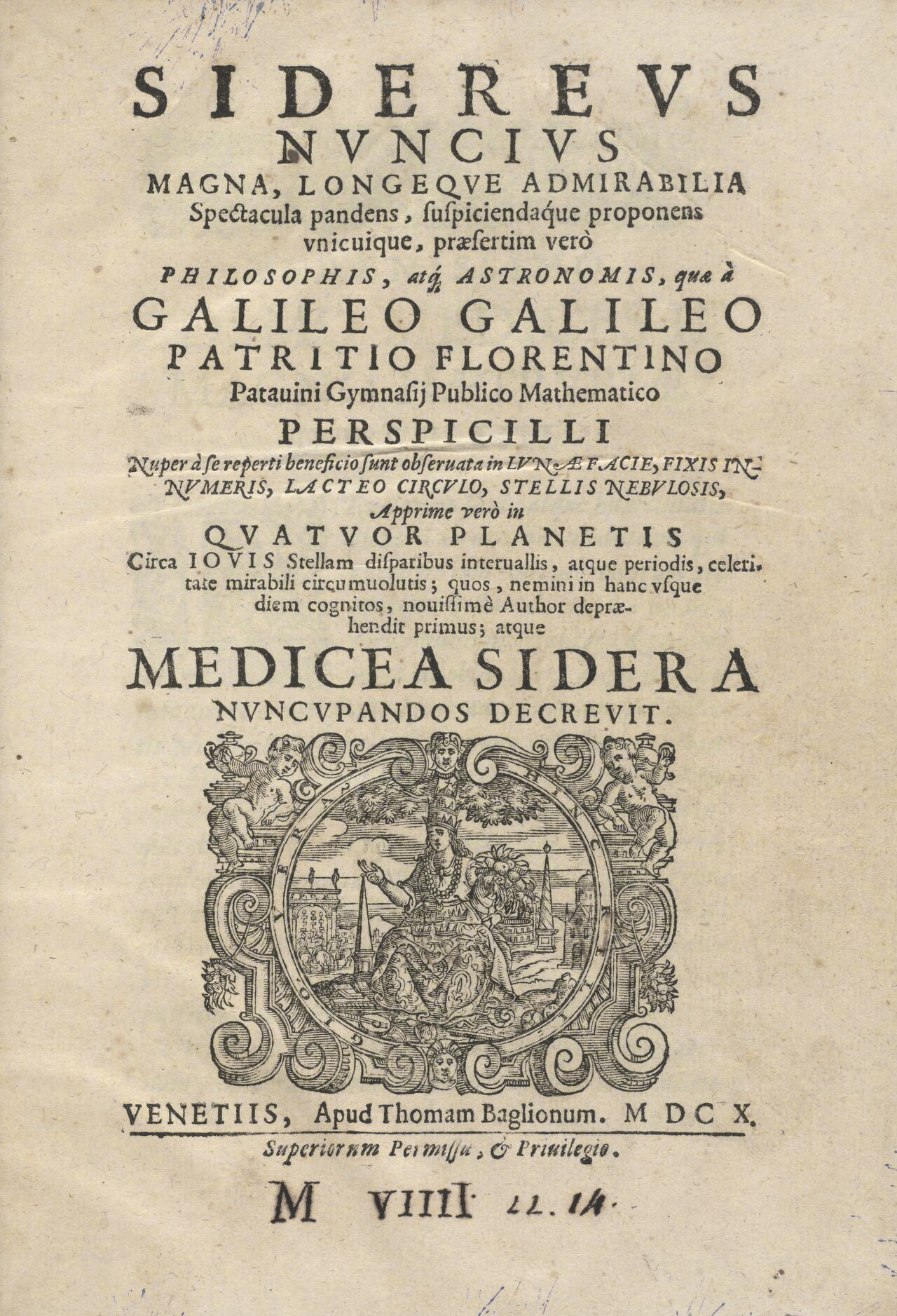 Book
Primary source
Sidereus Nuncius
Galileo Galilei · 1610
 Painting
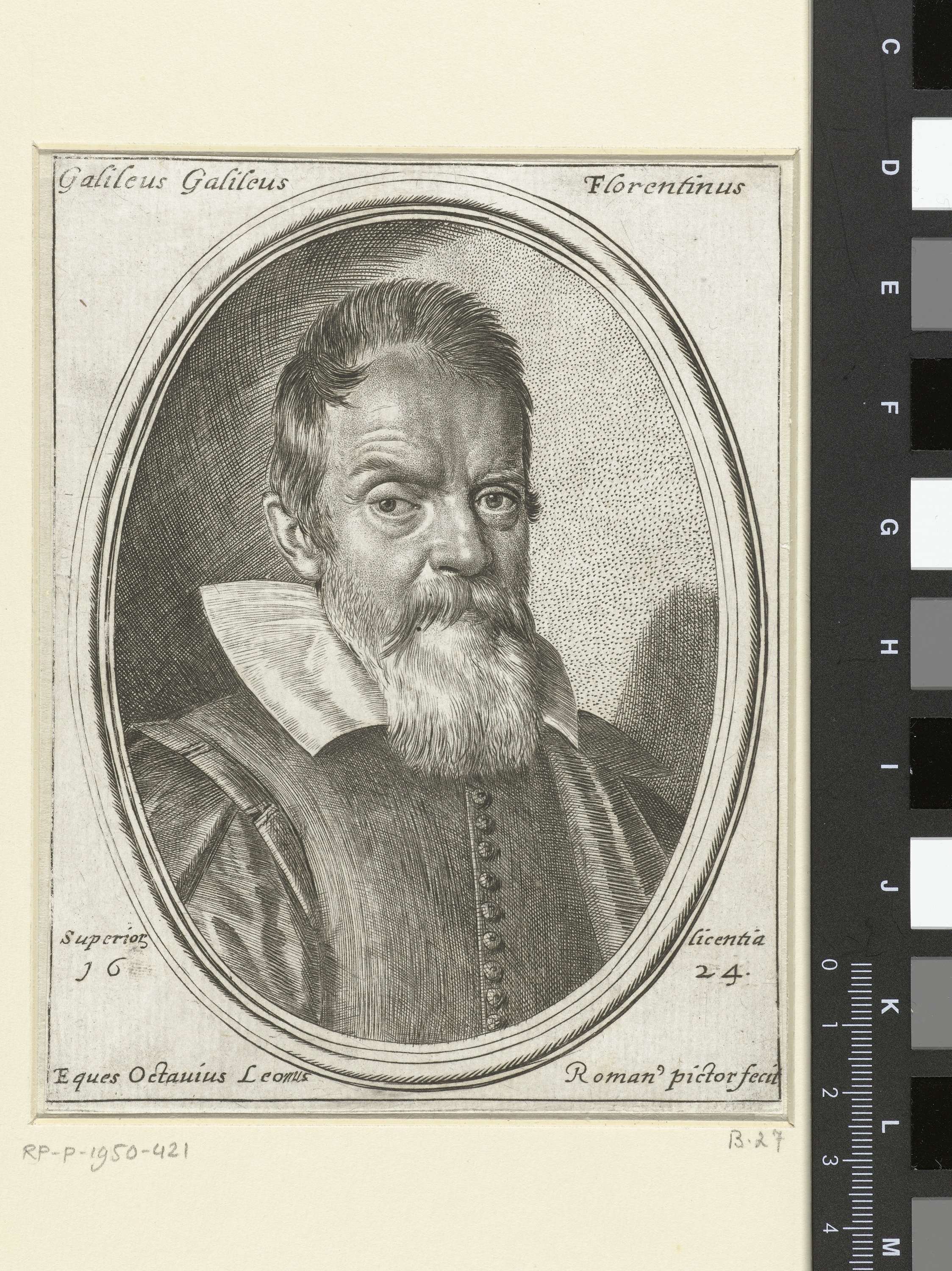
Primary source
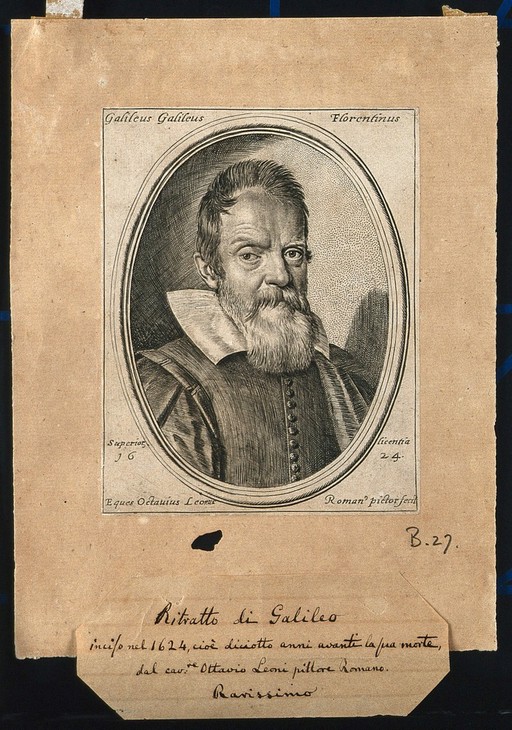
Portrait of Galileo Galilei (1624 print)
1624
 Painting
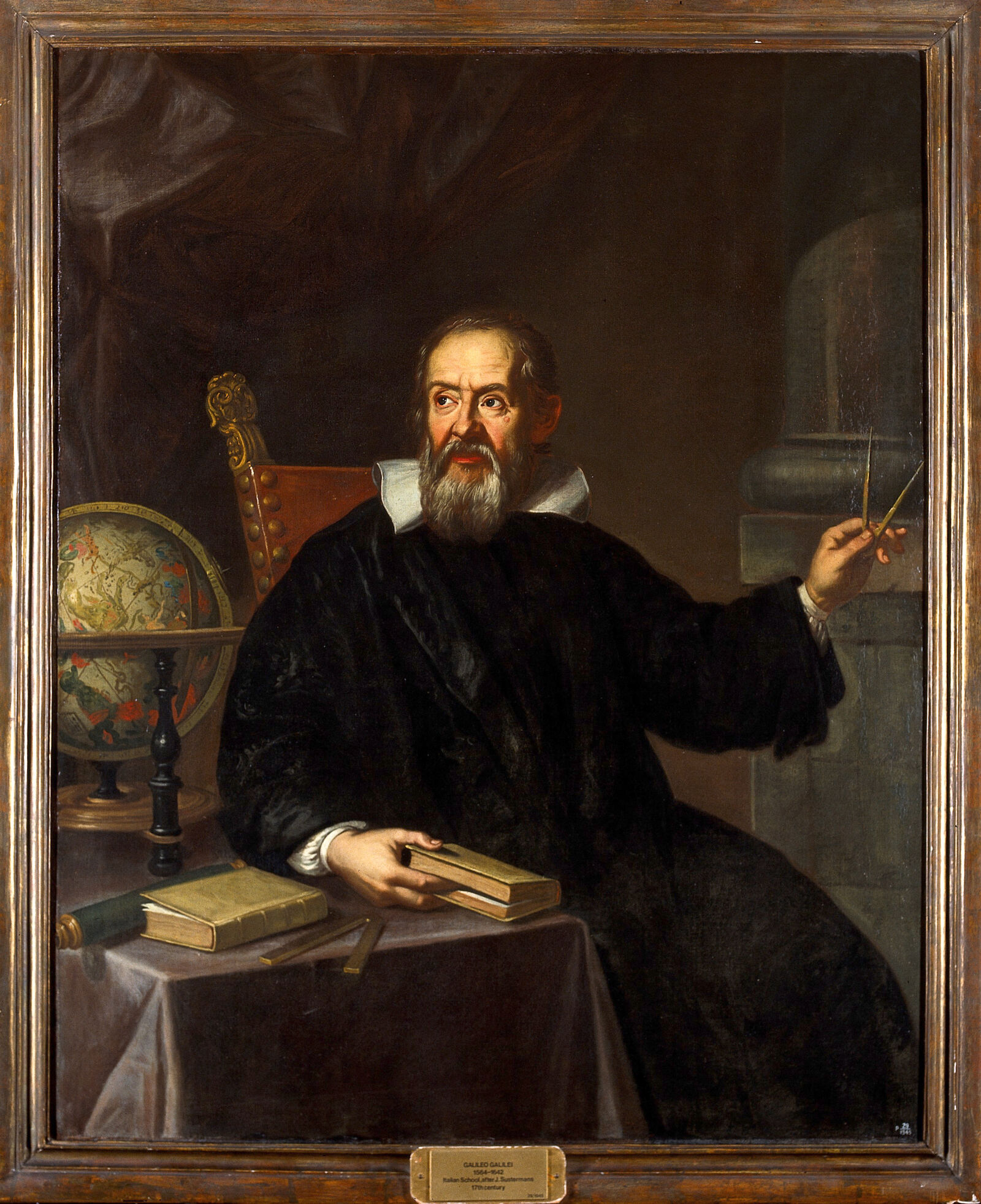
Primary source
Oil Portrait of Galileo in His Study
Unknown Italian painter · 18th century (?)
 Painting
Primary source
Galileo Galilei, line engraving by Ottavio Leoni
Ottavio Leoni · 1624
 Book
Primary source
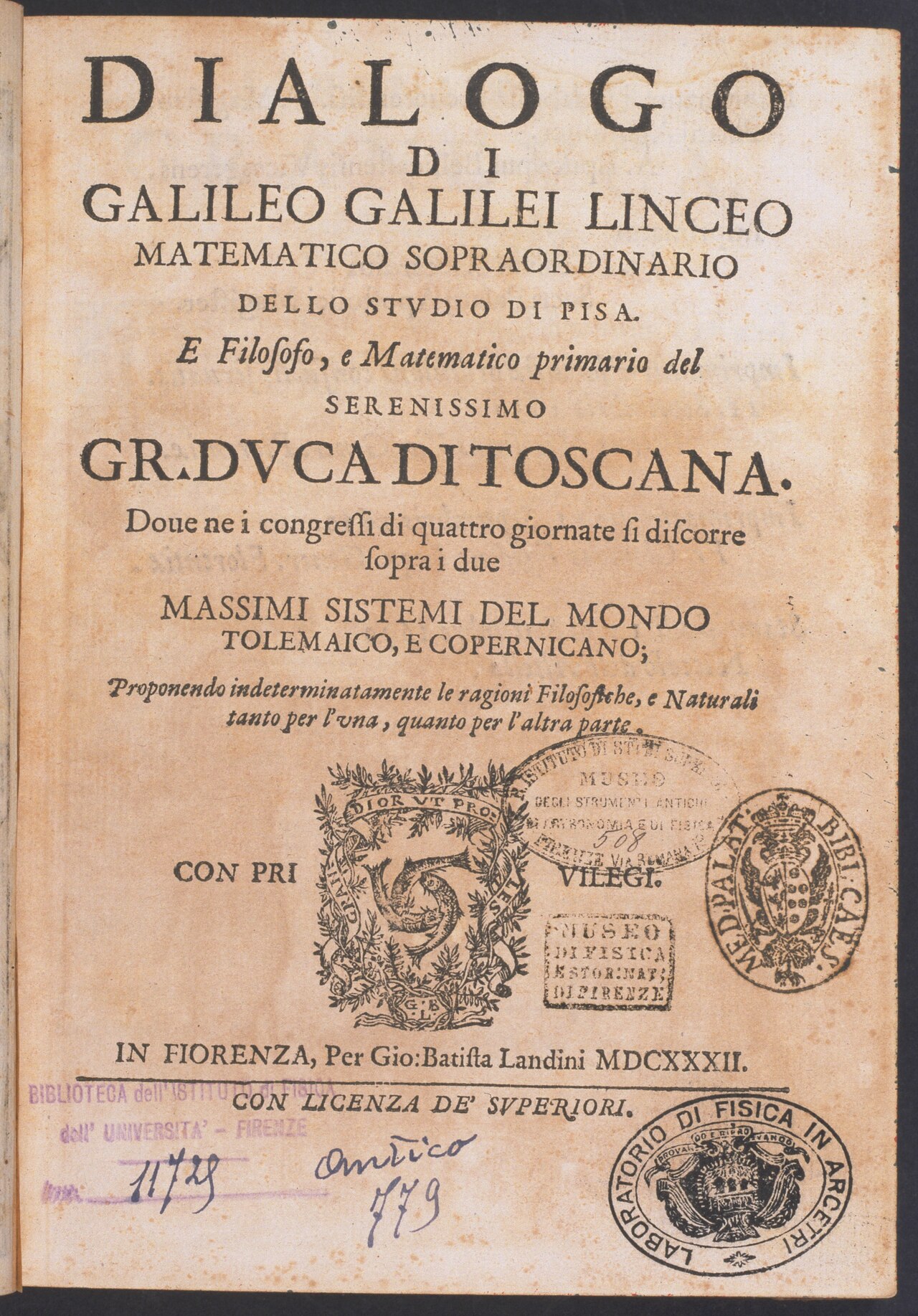
Dialogue Concerning the Two Chief World Systems
Galileo Galilei · 1632
Ready when you are
Start chatting with Galileo Galilei now.
20 messages free · No credit card · Available in 50+ languages.