


Primary sourceDocument1999
Drye v. United States Opinion
Ruth Bader Ginsburg · 1999
The 1999 Supreme Court opinion written by Ruth Bader Ginsburg addressing whether an heir's disclaimed inheritance could still be subject to federal tax liens.
Ginsburg wrote this opinion, showing her legal reasoning on tax and inheritance law as a Supreme Court justice.
About this source
What it is
This is the majority opinion of the U.S. Supreme Court in Drye v. United States, decided in 1999. Written by Justice Ruth Bader Ginsburg, it concerns whether a man's disclaimed interest in his mother's estate still counted as "property" subject to federal tax liens.
Why it matters
This opinion reveals how Ginsburg approached the relationship between state property law and federal tax law. It shows her careful legal reasoning in a technical area of law, demonstrating the breadth of cases she handled beyond more famous civil rights rulings.
Look closer
- Why might someone try to disclaim an inheritance, and why would the government care?
- What does this case show about how state and federal law can interact?
- What might be missing from this opening section that would help explain the final decision?
This document is part of the curated material that grounds the AI version of Ruth Bader Ginsburg on Humy.ai — when students ask about related events, the AI can quote it and cite it.
More Ruth Bader Ginsburg sources
Meet the AI Ruth Bader Ginsburg →Primary source
Dissent in Ledbetter v. Goodyear Tire & Rubber Co.
Ruth Bader Ginsburg · May 29, 2007
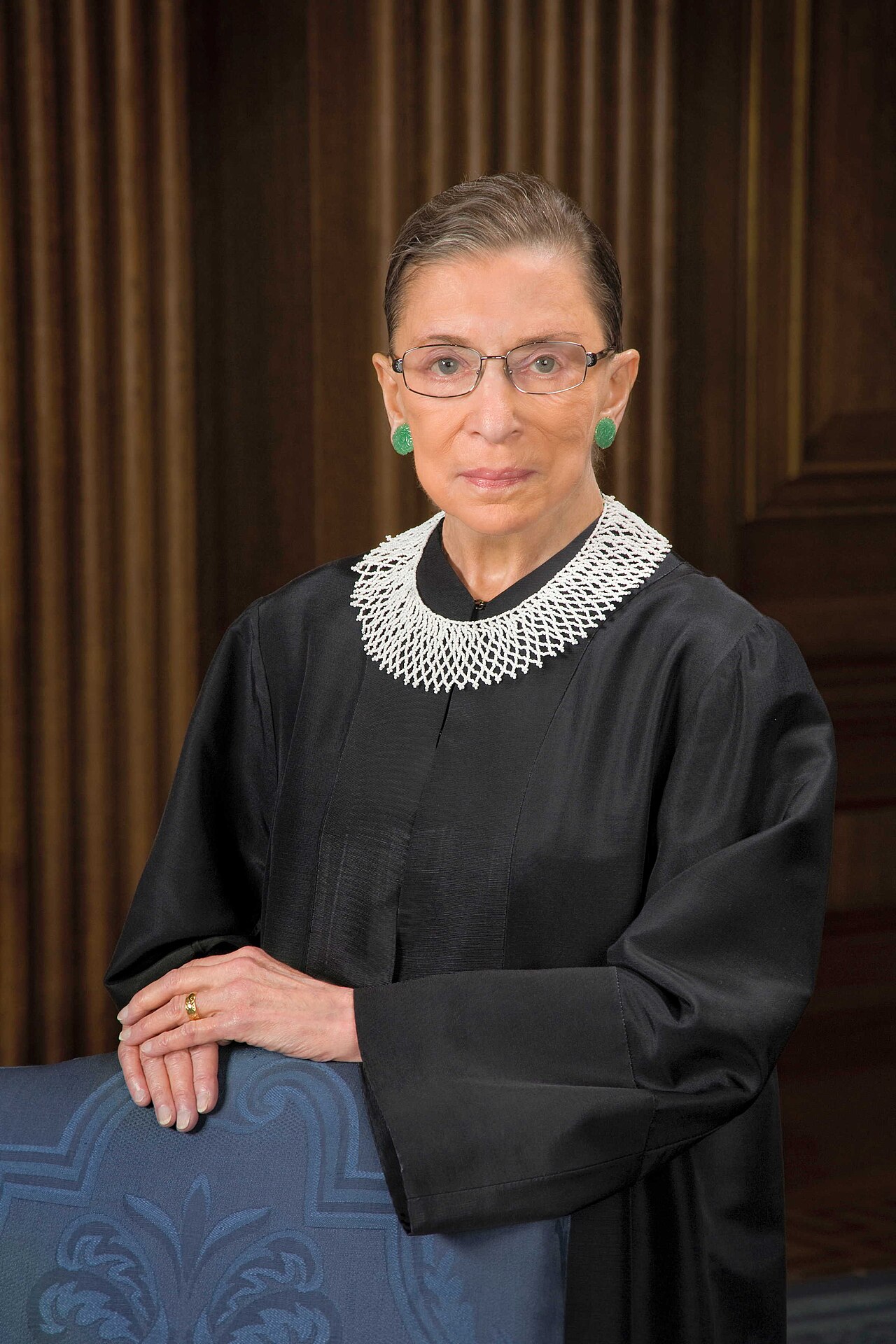 Photograph
Primary source
Ruth Bader Ginsburg Official SCOTUS Portrait
Steve Petteway
Primary source
Frontiero v. Richardson
1973
Primary source
Dissent in Bush v. Gore
Ruth Bader Ginsburg · December 12, 2000
Primary source
Dissent in Gonzales v. Carhart
Ruth Bader Ginsburg · April 18, 2007
Ready when you are
Start chatting with Ruth Bader Ginsburg now.
20 messages free · No credit card · Available in 50+ languages.