


Primary sourceArtifact
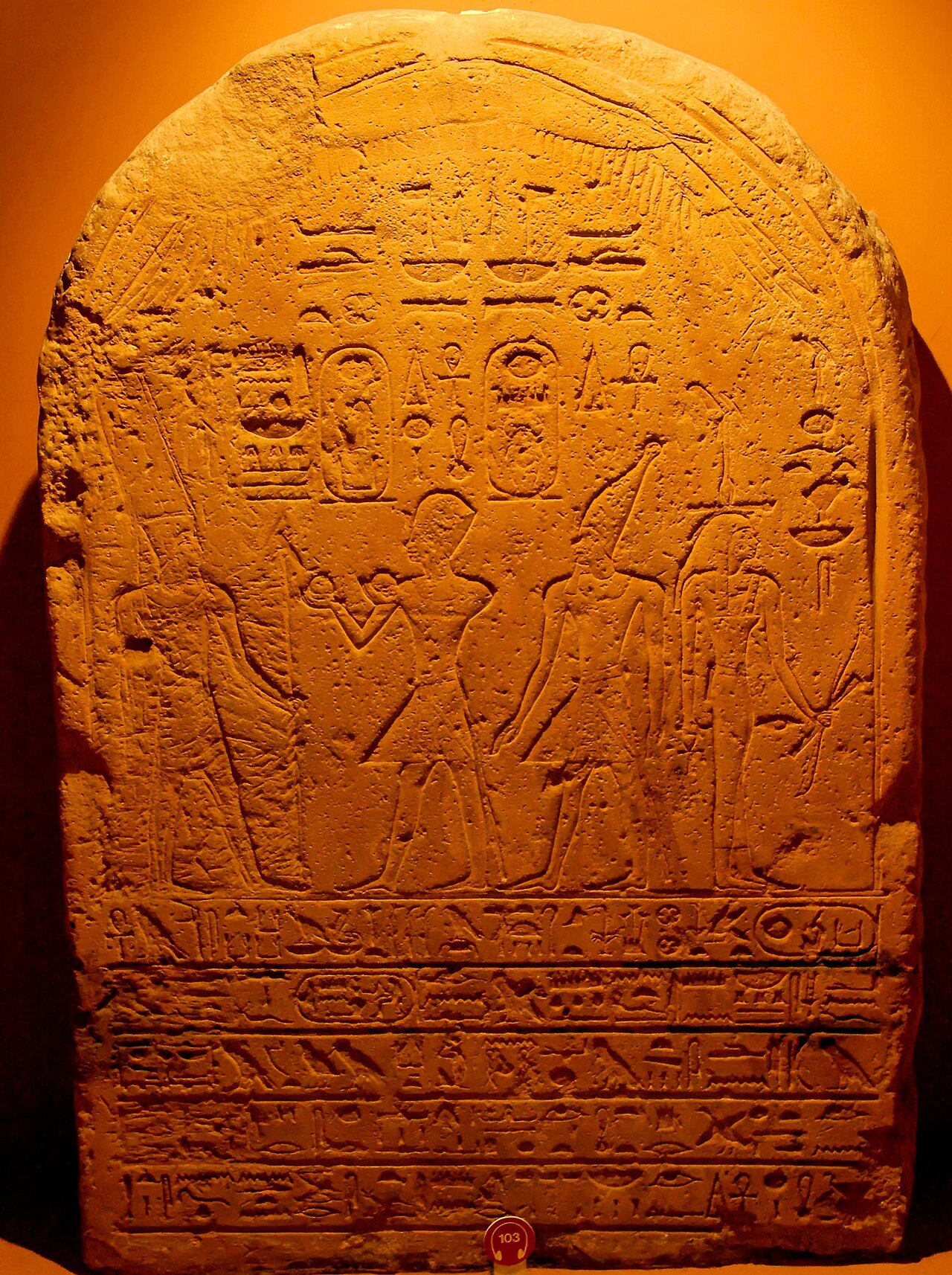
Dual Stela of Hatshepsut and Thutmose III
A limestone stela carved with figures of Hatshepsut and her stepson Thutmose III, made during their joint rule.
This stela depicts Hatshepsut as female king ruling jointly with her stepson Thutmose III.
About this source
What it is
This limestone stela shows two standing royal figures carved in relief above rows of hieroglyphic inscriptions: Hatshepsut, shown as the female king, and Thutmose III, her stepson and co-ruler. It dates from the period of their coregency in the early 18th dynasty and is kept in the Vatican Museums.
Why it matters
The stela is physical evidence that Hatshepsut and Thutmose III ruled Egypt together for a time. It shows how Egyptian art recorded political relationships and royal legitimacy, and how Hatshepsut's rule was represented alongside the young king she shared power with.
Look closer
- Why are both rulers shown together on the same stone?
- What might the hieroglyphic inscriptions have recorded about their reign?
- What does the stela's condition and the inventory tag tell us about how museums track such objects?
This artifact is part of the curated material that grounds the AI version of Hatshepsut on Humy.ai — when students ask about related events, the AI can quote it and cite it.
More Hatshepsut sources
Meet the AI Hatshepsut →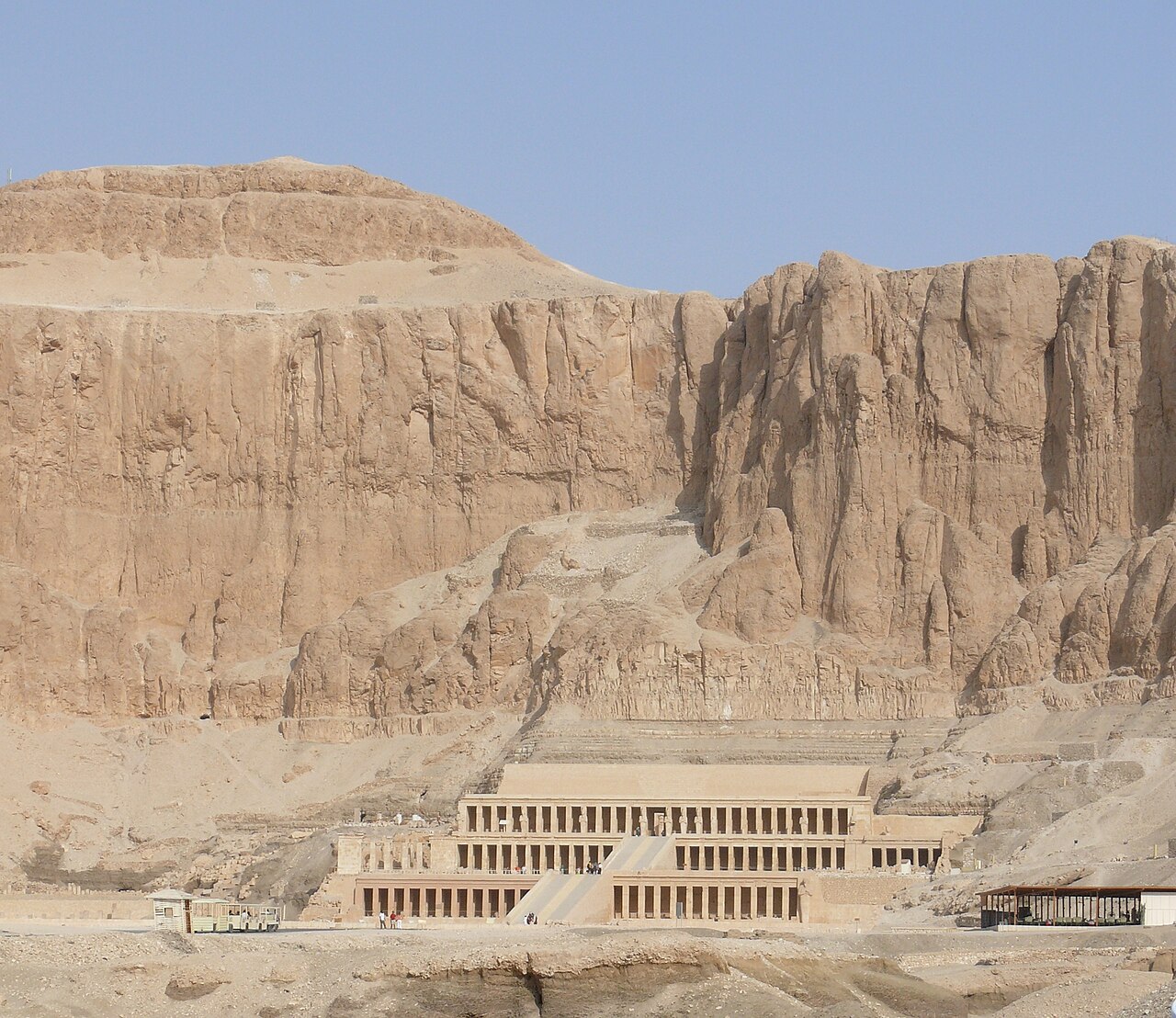 Artifact
Primary source
Mortuary Temple of Hatshepsut
Senenmut and/or Hapuseneb (attributed) · c. 1479–1458 BCE
 Photograph
Secondary source
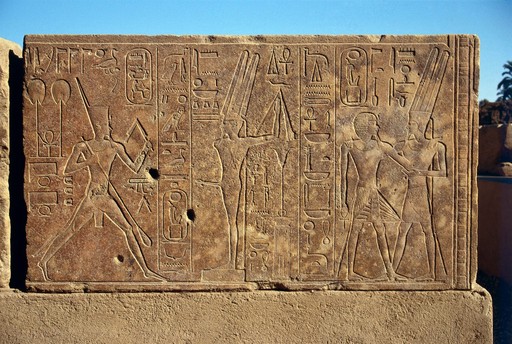
Hatshepsut Dancing Before Min, Karnak Relief
Carole Reeves · 1989
 Sculpture
Primary source
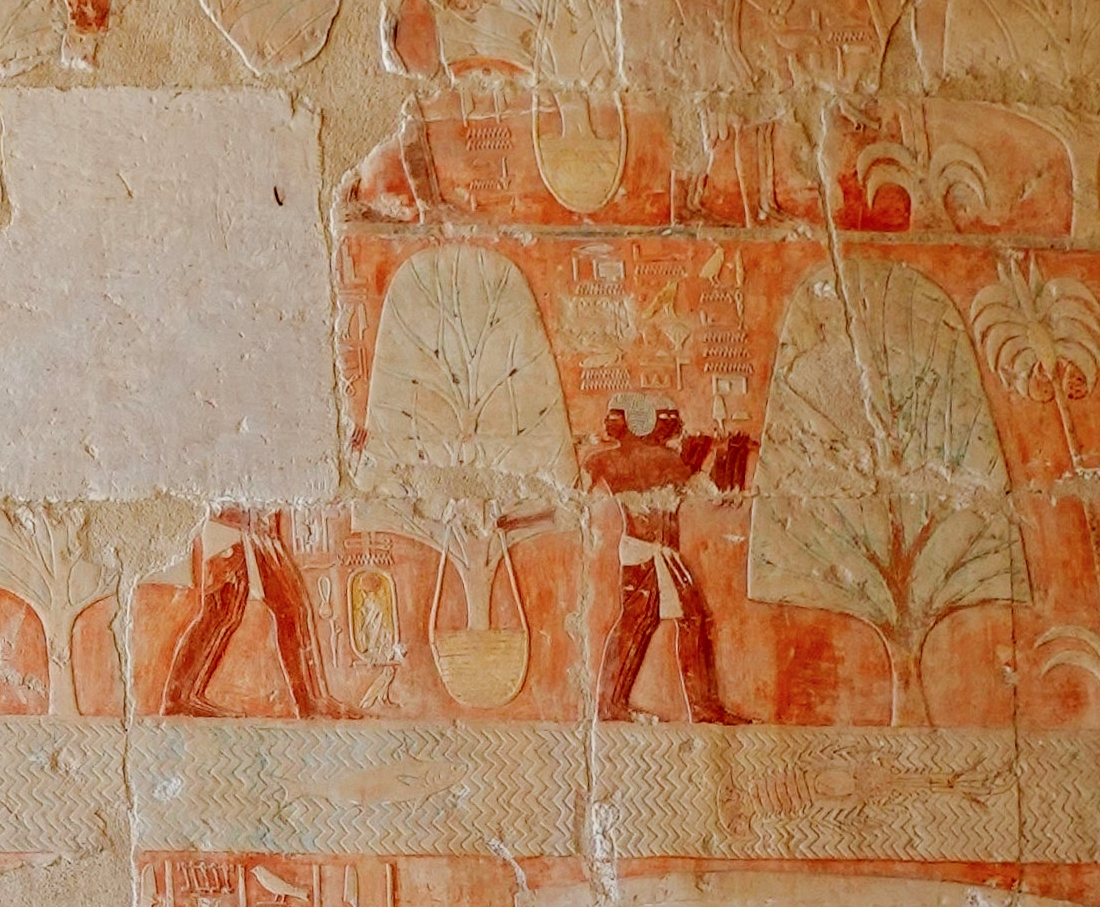
Punt Expedition Reliefs
Royal workshops of Hatshepsut · c. 1470 BCE
 Sculpture
Primary source
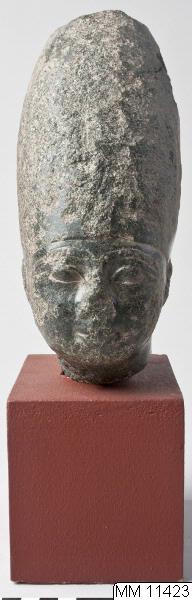
Sculpture Head Probably of Hatshepsut
 Sculpture
Primary source
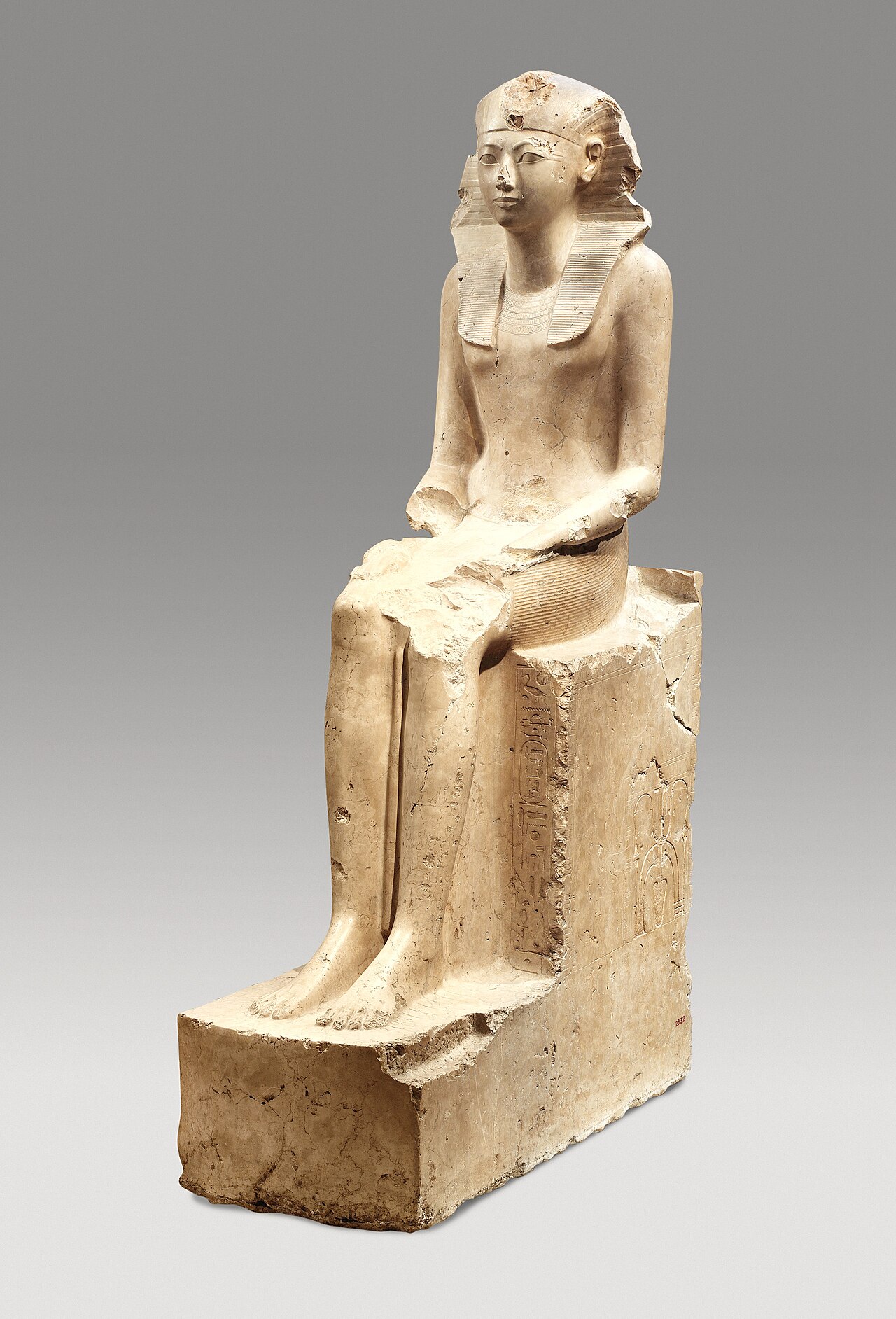
Seated Statue of Hatshepsut
c. 1466 BCE
Ready when you are
Start chatting with Hatshepsut now.
20 messages free · No credit card · Available in 50+ languages.