


Primary sourceDocument1989
Duckworth v. Eagan
Thurgood Marshall · 1989
A 1989 dissent by Justice Thurgood Marshall arguing that a police warning saying a lawyer would be appointed 'if and when' a suspect goes to court misstates Miranda.
Shows Marshall defending the Miranda rights of suspects, writing in dissent against a narrower reading of the warning police must give.
About this source
What it is
This is a dissenting opinion written by Justice Thurgood Marshall in Duckworth v. Eagan, decided in 1989 and reported at 492 U.S. 195. Marshall, joined by Justice Brennan, and by Justices Blackmun and Stevens as to Part I, disagrees with the majority. The text is preserved on Wikisource.
Why it matters
The dispute concerns what police must tell a suspect in custody about the right to a lawyer. Marshall argues that the majority misreads Miranda v. Arizona, which requires a warning that a lawyer will be appointed before any questioning if the suspect wants one. He says a warning qualified by 'if and when you go to court' leads suspects to believe a lawyer will not come until after questioning. The dissent shows how the justices disagreed about protections for people held by police.
Look closer
- What exact words does Marshall say a warning must convey, and why does he think the qualified version fails?
- Why might a suspect in custody understand the 'if and when' wording differently from a lawyer?
- What does this dissent leave out about the police's reasons for their warning?
This document is part of the curated material that grounds the AI version of Thurgood Marshall on Humy.ai — when students ask about related events, the AI can quote it and cite it.
More Thurgood Marshall sources
Meet the AI Thurgood Marshall →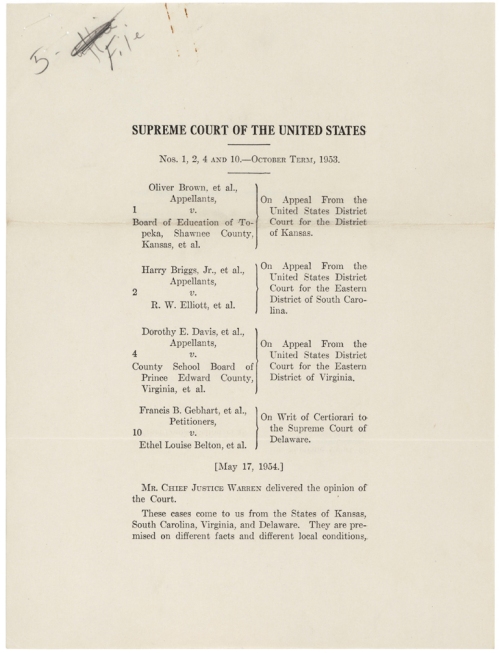 Document
Primary source
Brown v. Board of Education
Earl Warren · 17 May 1954
 Painting
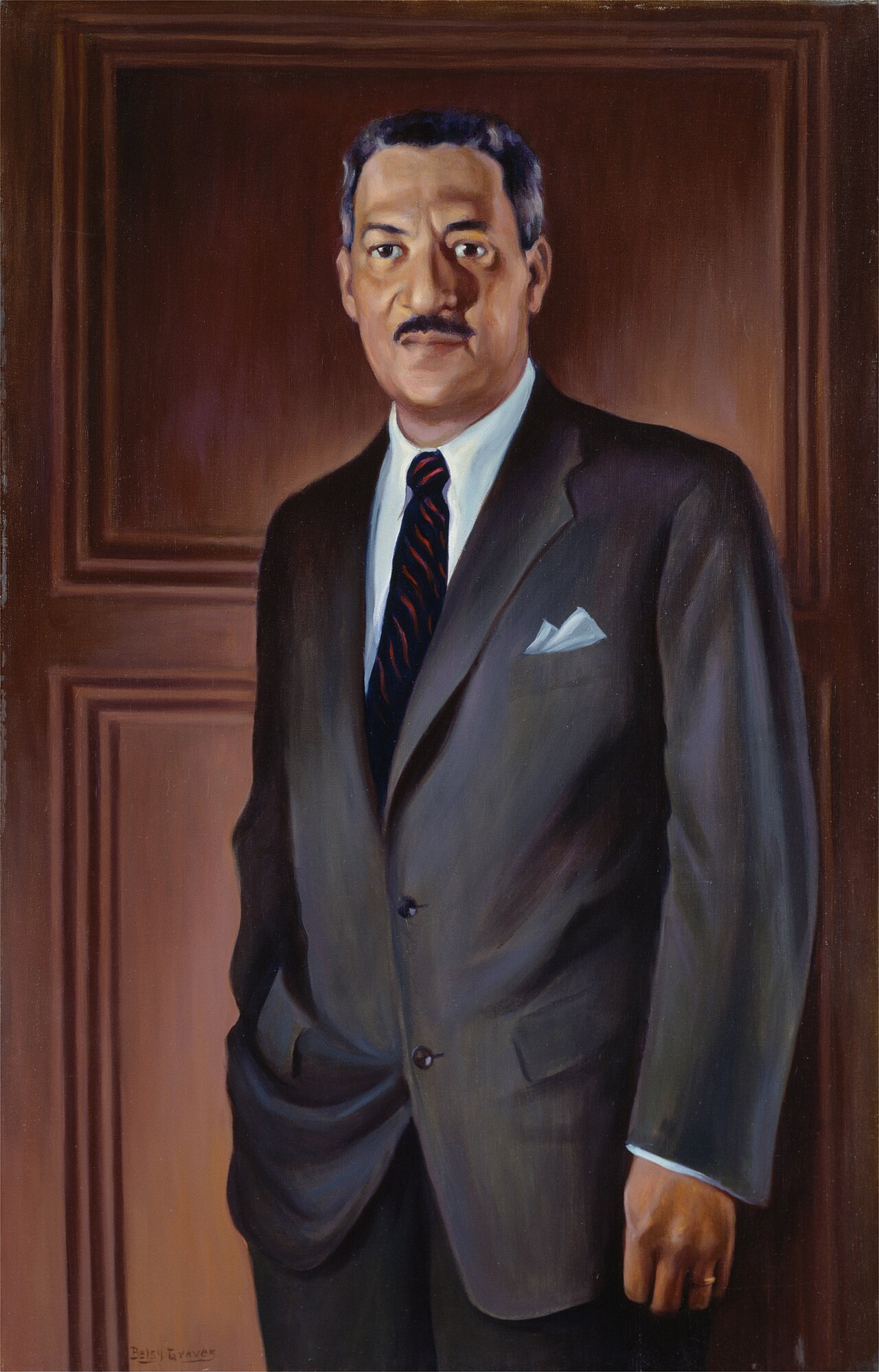
Primary source
Thurgood Marshall
Betsy Graves Reyneau · 1956
 Photograph
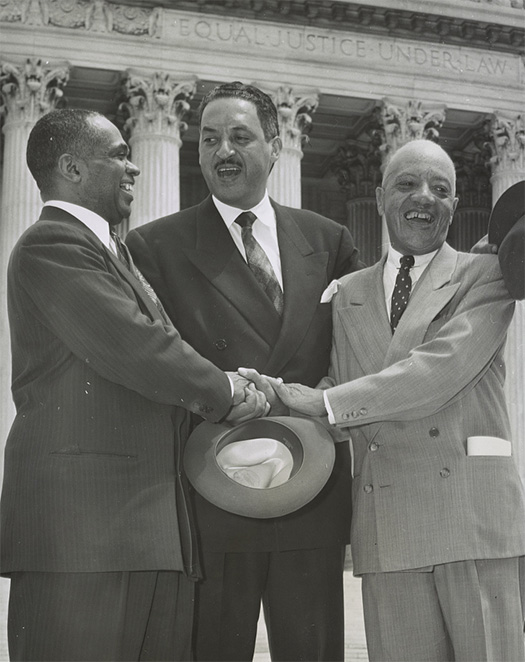
Primary source
George Edward Chalmer Hayes, Thurgood Marshall, and James Nabrit in 1954 winning Brown case
1954
 Photograph
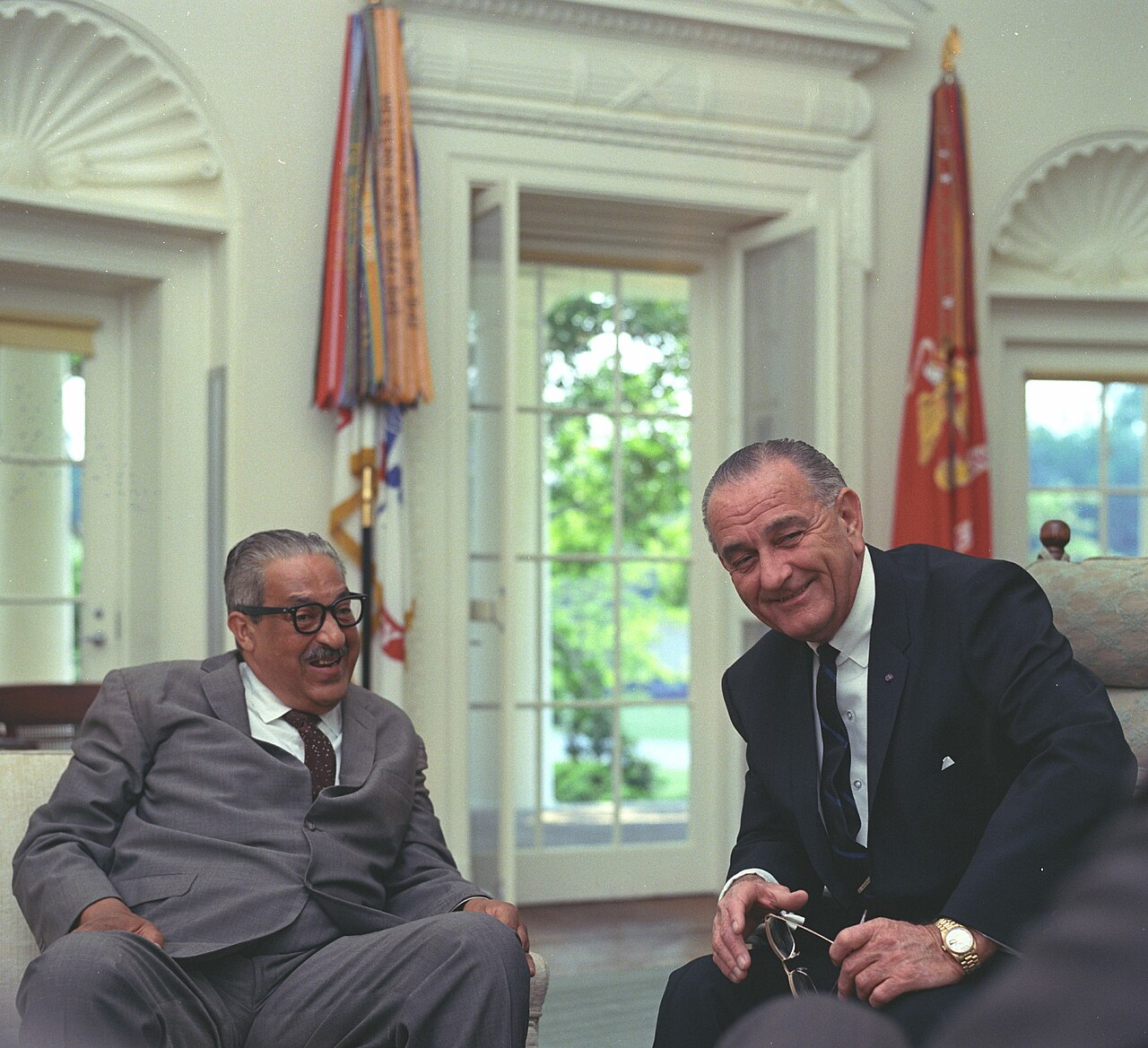
Primary source
Thurgood Marshall and President Lyndon B. Johnson, June 13, 1967
Frank Wolfe · 13 June 1967
Primary source
Cooper v. Aaron
12 September 1958
Ready when you are
Start chatting with Thurgood Marshall now.
20 messages free · No credit card · Available in 50+ languages.