


Primary sourceSculpture1513-1516
Dying Slave
Michelangelo · 1513-1516
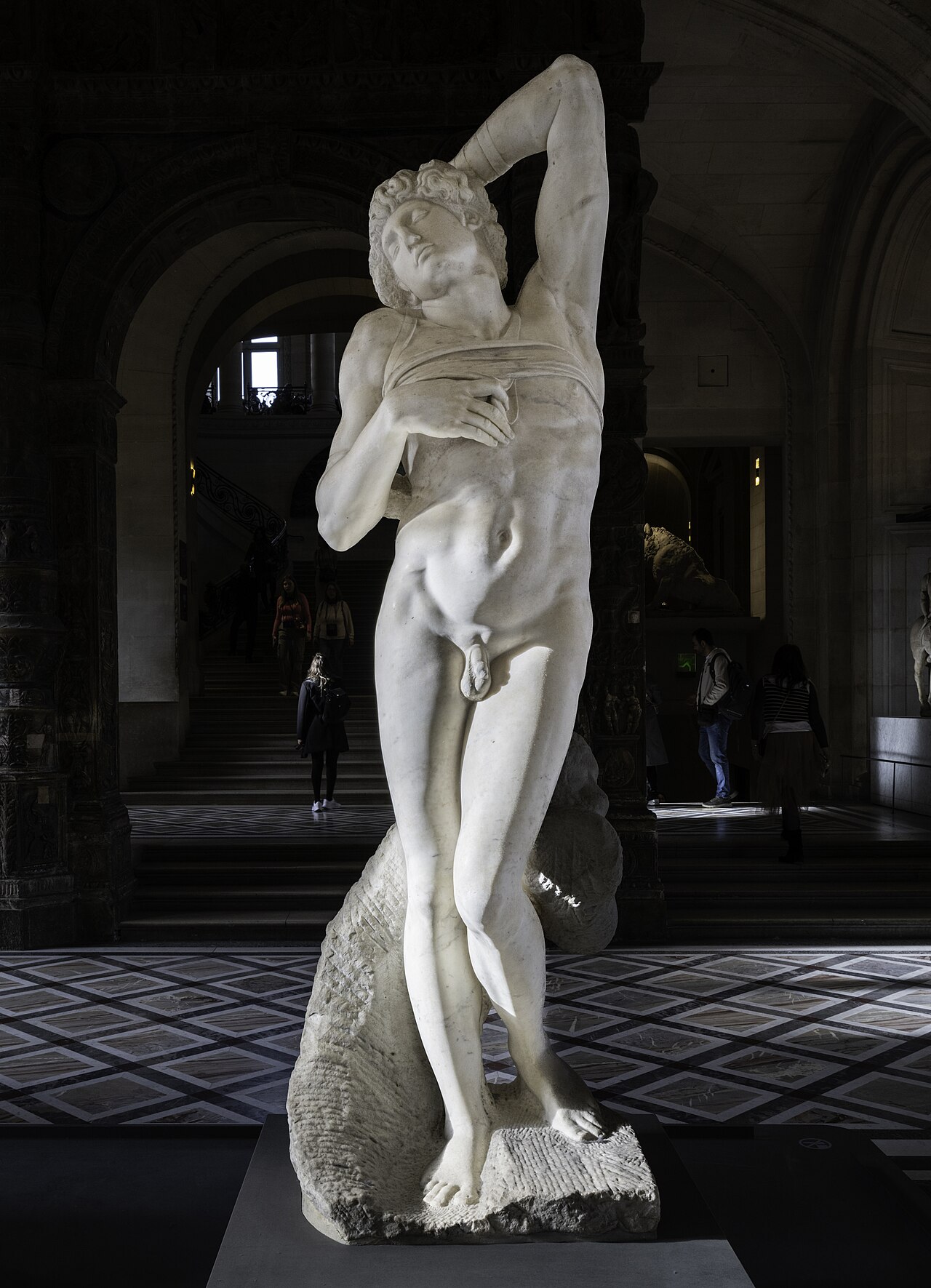
A marble figure of a bound male nude carved by Michelangelo for the tomb of Pope Julius II, now in the Louvre.
Michelangelo carved this unfinished figure himself for Pope Julius II's tomb, showing his working method directly.
About this source
What it is
The Dying Slave is a marble sculpture carved by Michelangelo around 1513-1516, intended for the tomb of Pope Julius II. It is now held in the Louvre Museum in Paris.
Why it matters
The figure was one of several 'slaves' or 'prisoners' planned for the huge tomb project, which changed design many times over decades. Writers close to Michelangelo's own time, like Vasari and Condivi, disagreed about what the figure meant - conquered peoples, or the arts enslaved after the pope's death. Later scholars have offered still more readings, including the soul trapped in the body. The statue shows both highly polished, finished surfaces and rougher, unfinished areas, giving direct evidence of how Michelangelo worked the marble.
Look closer
- Why do you think the front is so smooth while the back still shows chisel marks?
- What does the loose binding across the body suggest about the figure's state - captive, or something else?
- Why might the meaning of a sculpture like this stay disputed for centuries?
This sculpture is part of the curated material that grounds the AI version of Michelangelo Buonarroti on Humy.ai — when students ask about related events, the AI can quote it and cite it.
More Michelangelo Buonarroti sources
Meet the AI Michelangelo Buonarroti →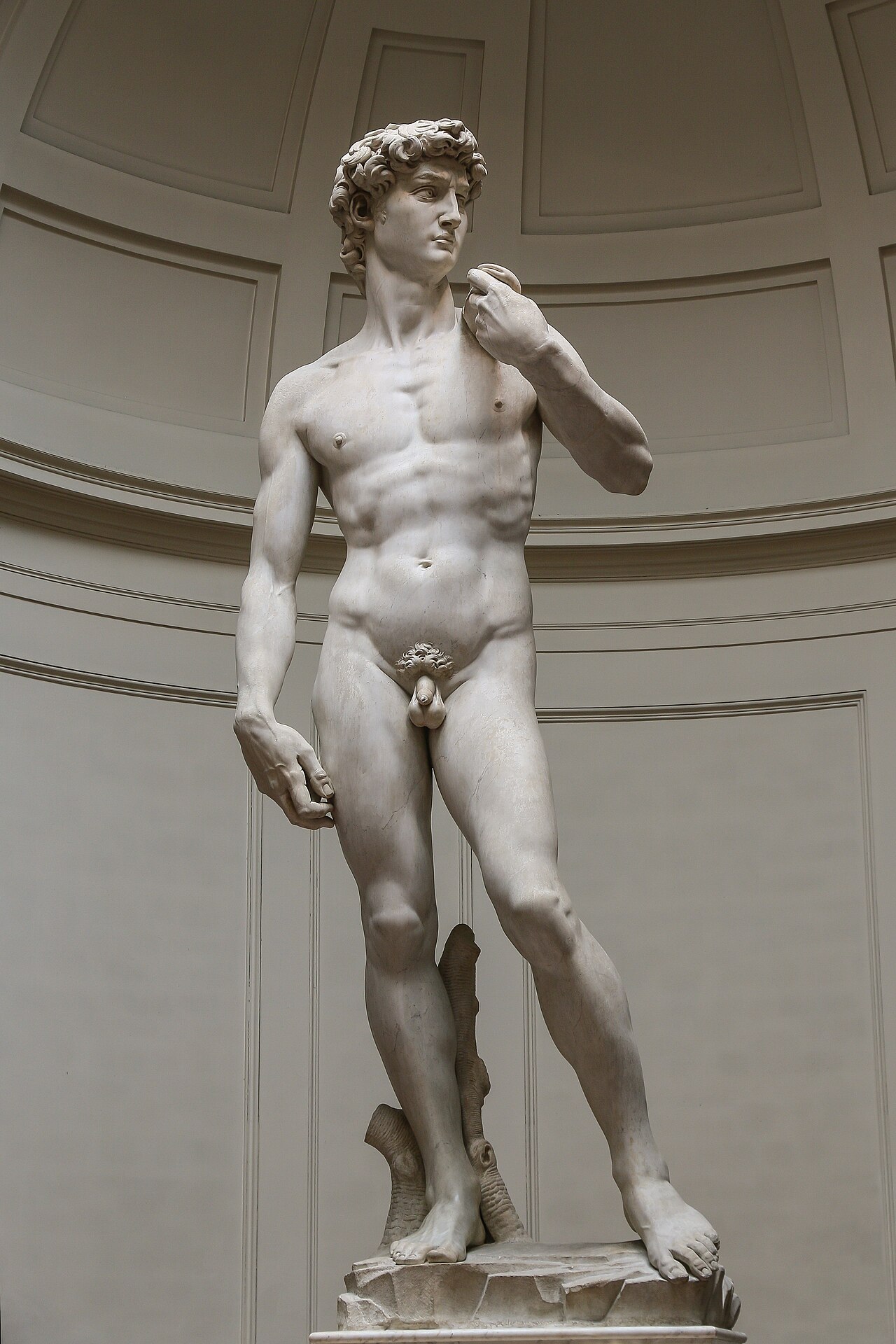 Sculpture
Primary source
David
Michelangelo · 1501-1504
 Artifact
Primary source
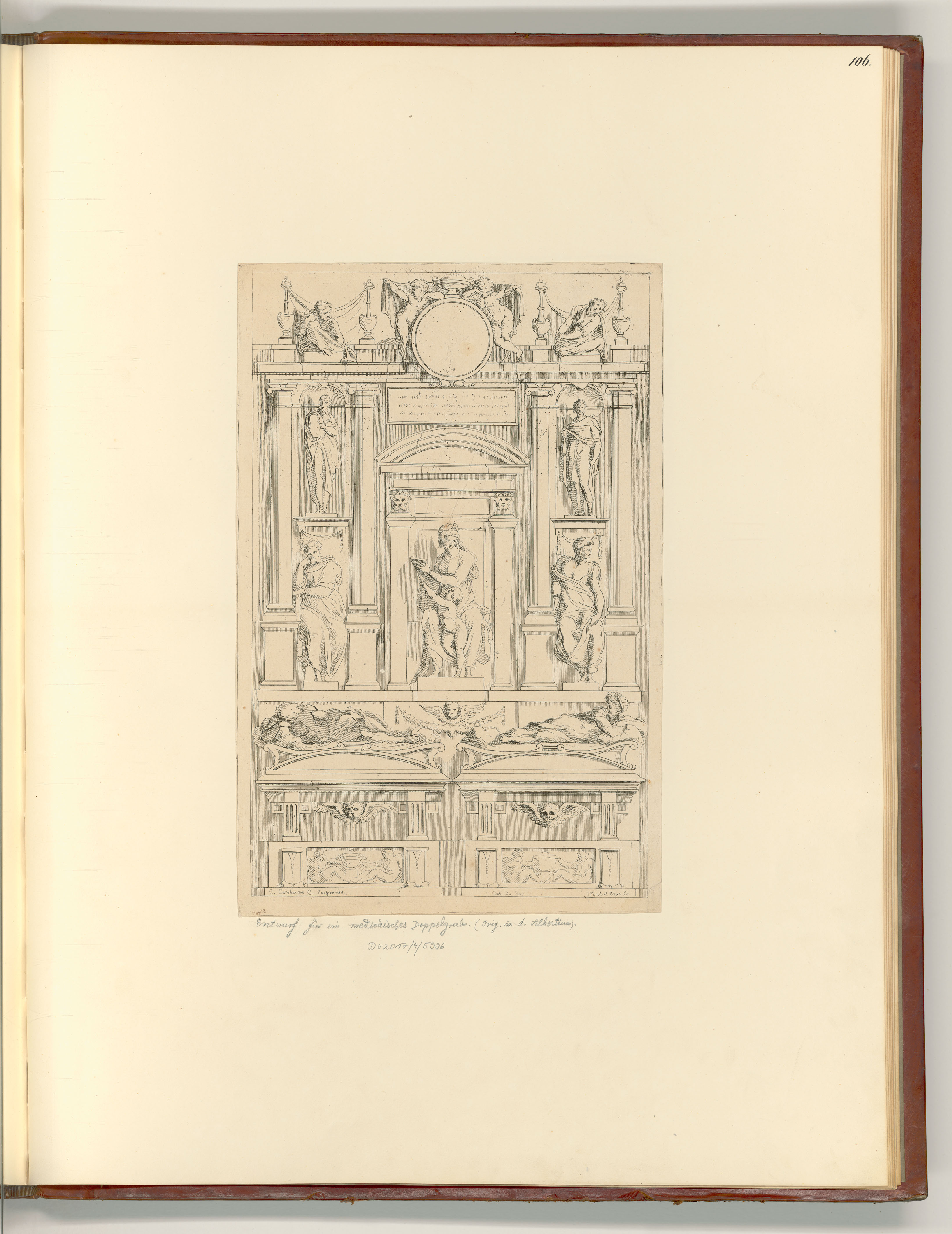
Elevation of a Planned Double Tomb for the Magnifici, Medici Chapel
unbestimmt
 Painting
Primary source
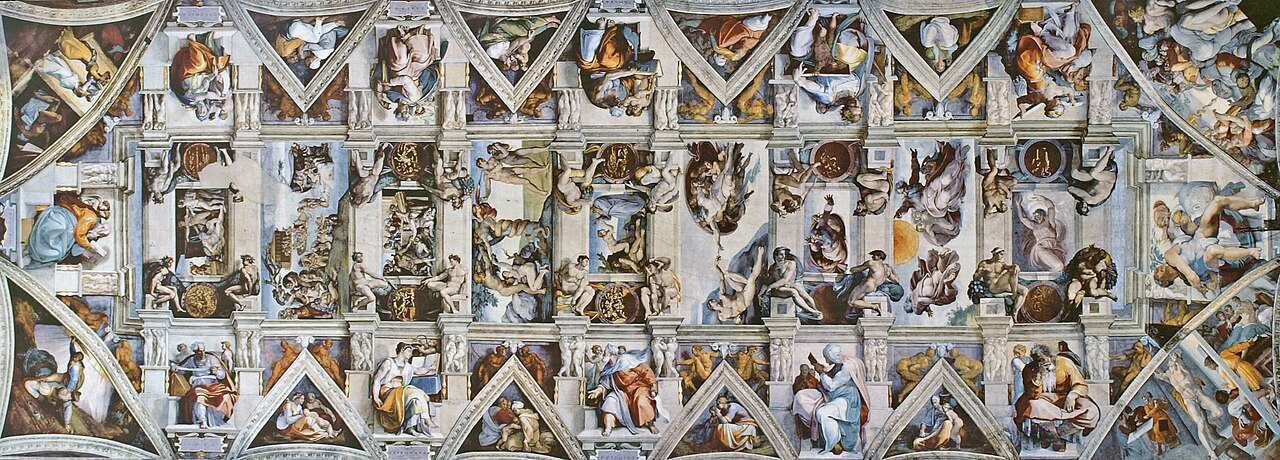
Sistine Chapel ceiling
Michelangelo · 1508-1512
 Painting
Secondary source
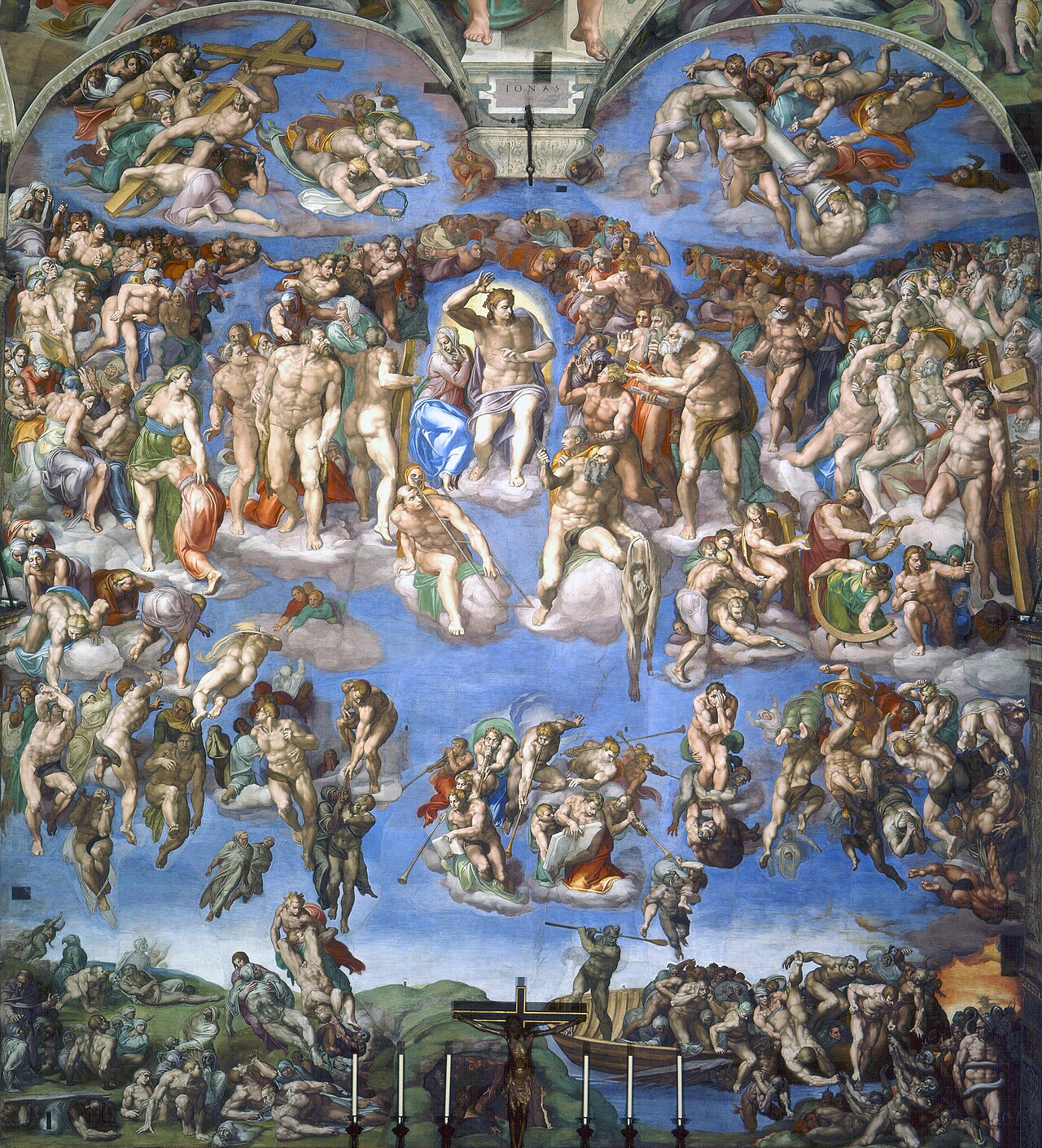
The Last Judgment
Michelangelo · 1536-1541
 Photograph
Secondary source
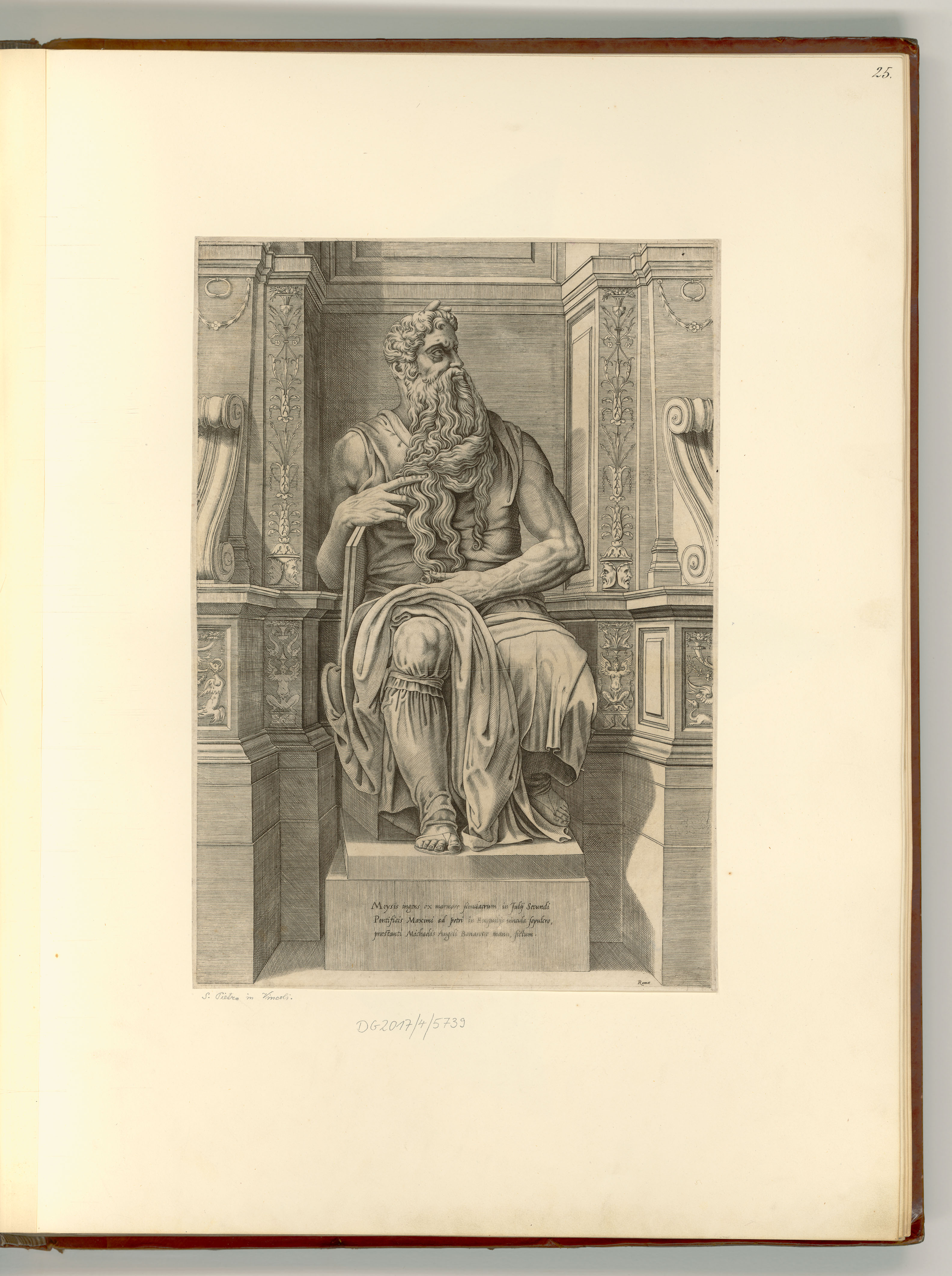
Statue of Moses by Michelangelo, San Pietro in Vincoli
unbestimmt
Ready when you are
Start chatting with Michelangelo Buonarroti now.
20 messages free · No credit card · Available in 50+ languages.