


Secondary sourceBook1899
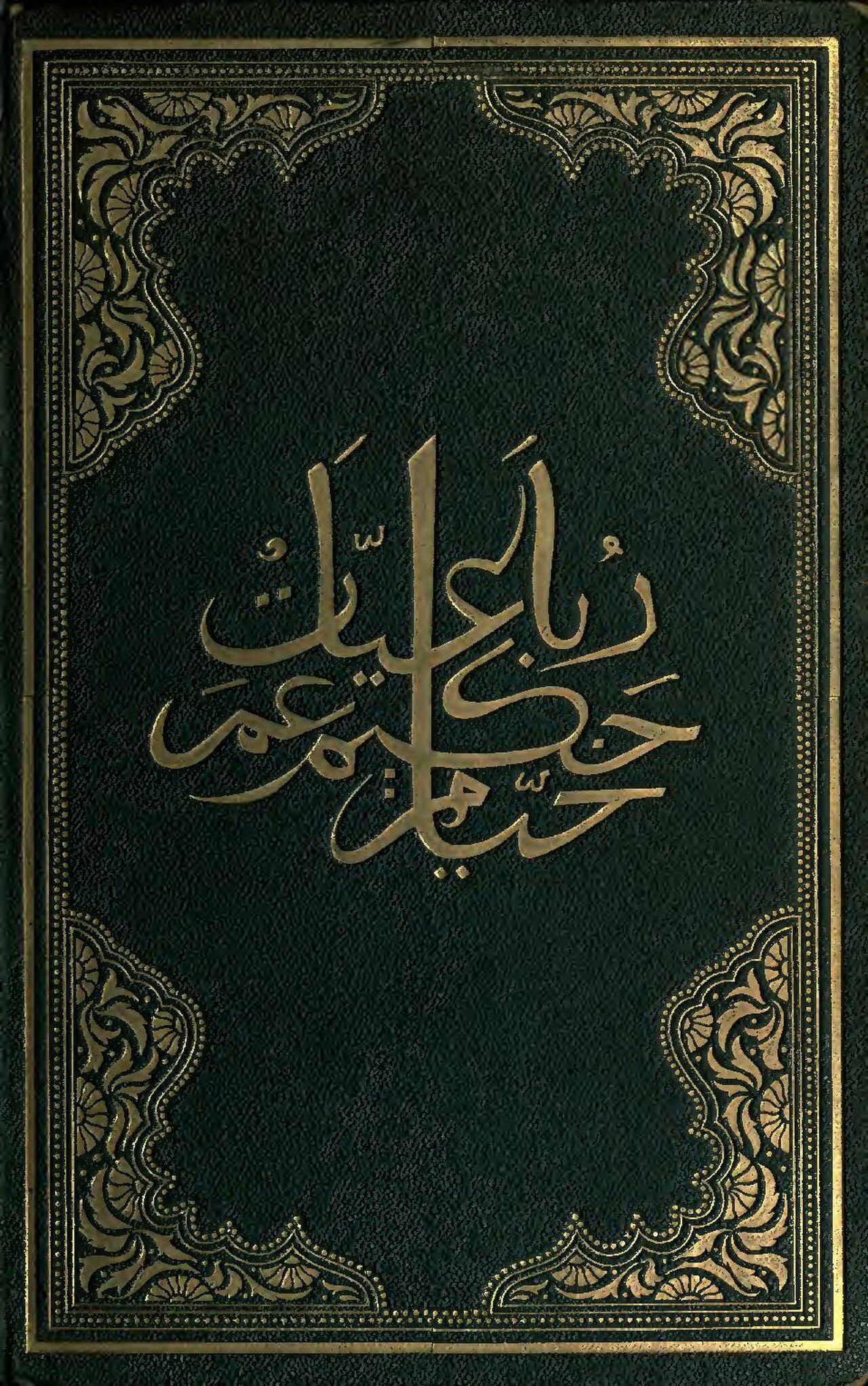
Edward FitzGerald's Rubáiyát with their Original Persian Sources
Edward Heron-Allen · 1899
Edward Heron-Allen's 1899 study matching each stanza of FitzGerald's famous translation to its Persian source.
A scholarly collation showing how loosely FitzGerald's famous translation followed the Persian quatrains attributed to Khayyám.
About this source
What it is
This 1899 book by Edward Heron-Allen compares each stanza of Edward FitzGerald's famous English Rubáiyát translation with the Persian quatrains that inspired it. It shows the original Persian texts alongside FitzGerald's English verses.
Why it matters
FitzGerald's translation made Omar Khayyám famous across the English-speaking world, but Heron-Allen's careful collation revealed just how freely FitzGerald adapted, combined, and even invented lines rather than translating literally. This matters because it shows the gap between the historical Persian poet and the Victorian literary icon built on his name.
Look closer
- Why might a translator take such liberties with the original text?
- What does comparing the Persian originals to FitzGerald's English reveal about translation as an art?
- How does this change what we can say we actually know about Khayyám's own words?
This book is part of the curated material that grounds the AI version of Omar Khayyam on Humy.ai — when students ask about related events, the AI can quote it and cite it.
More Omar Khayyam sources
Meet the AI Omar Khayyam →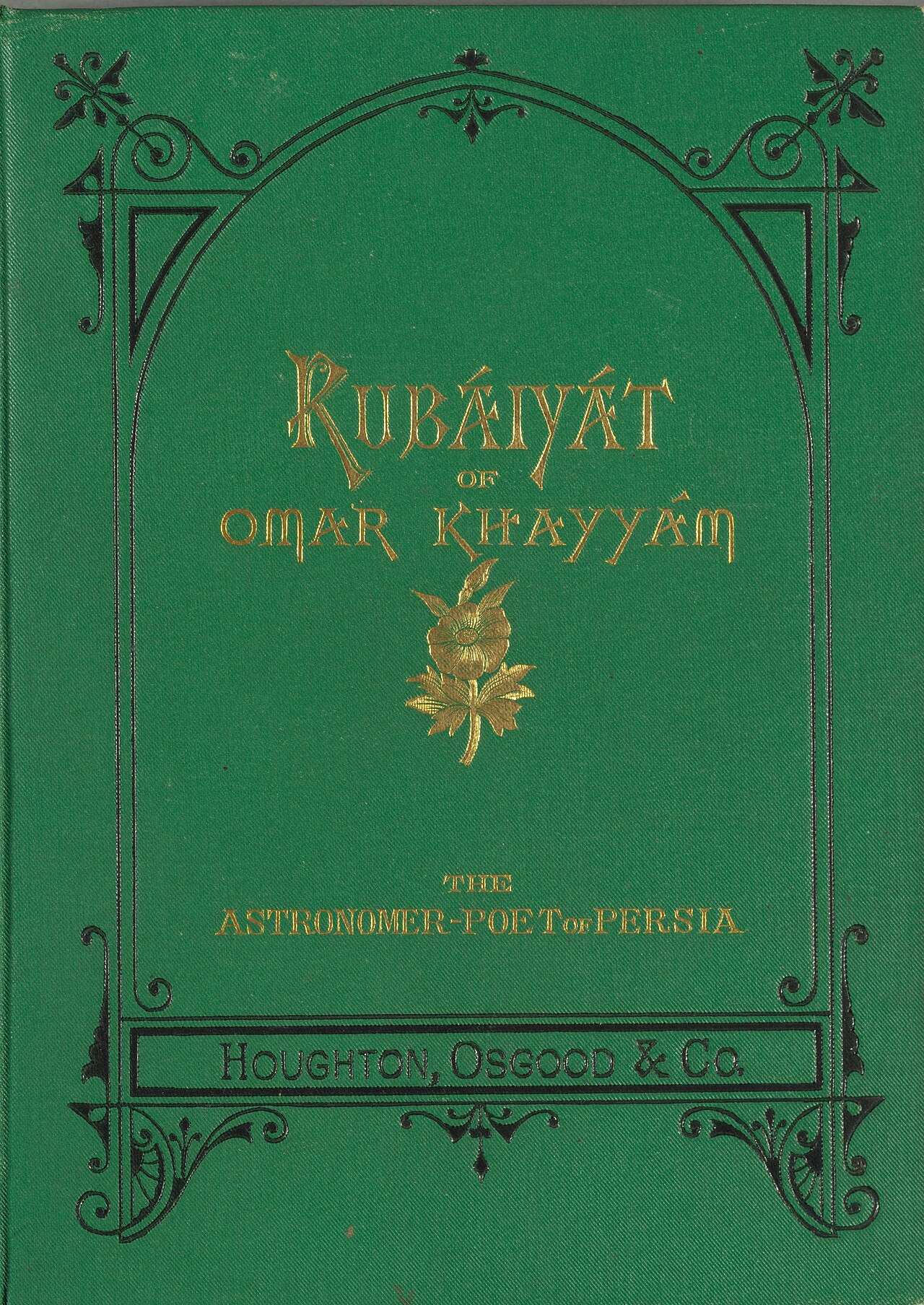 Book
Secondary source
Rubáiyát of Omar Khayyám
Edward FitzGerald · 1878
 Document
Primary source
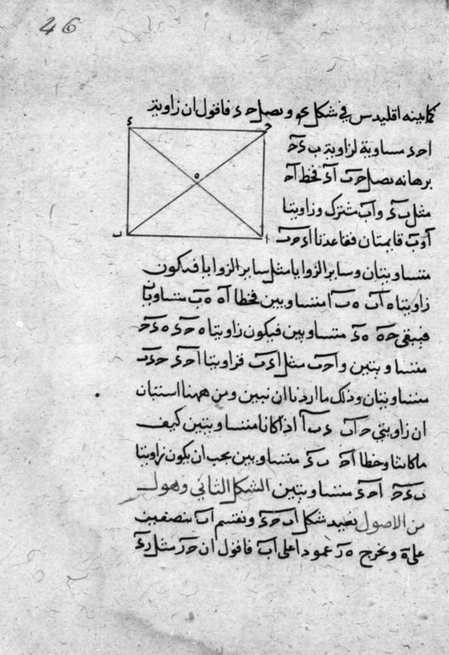
Khayyam Geometry Manuscript
Omar Khayyám
Secondary source
The Rubaiyat of Omar Khayyam (First Edition)
Edward FitzGerald · 1859
 Book
Secondary source
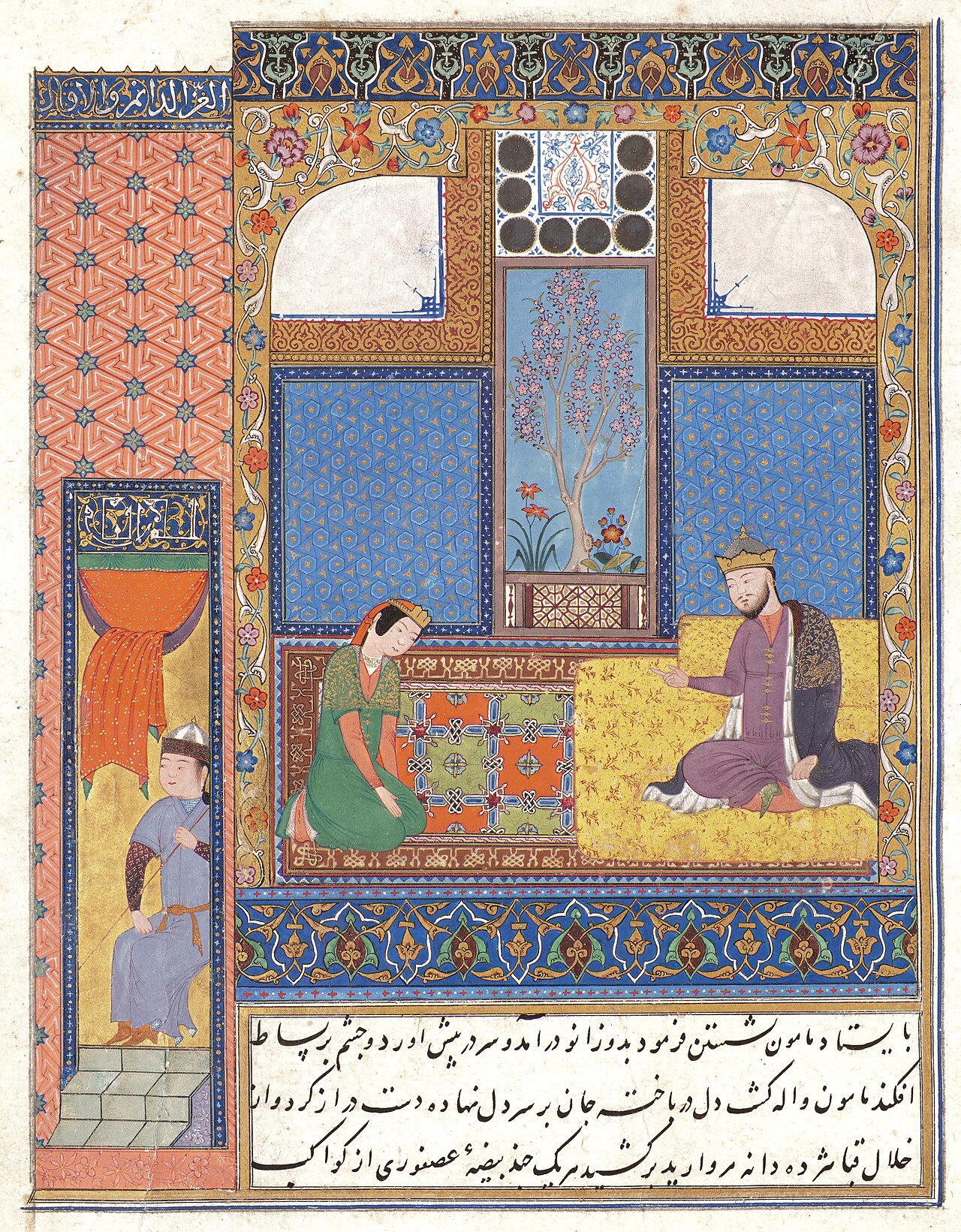
Chahar Maqala
Nizami Aruzi · 1155–1157
 Artifact
Secondary source
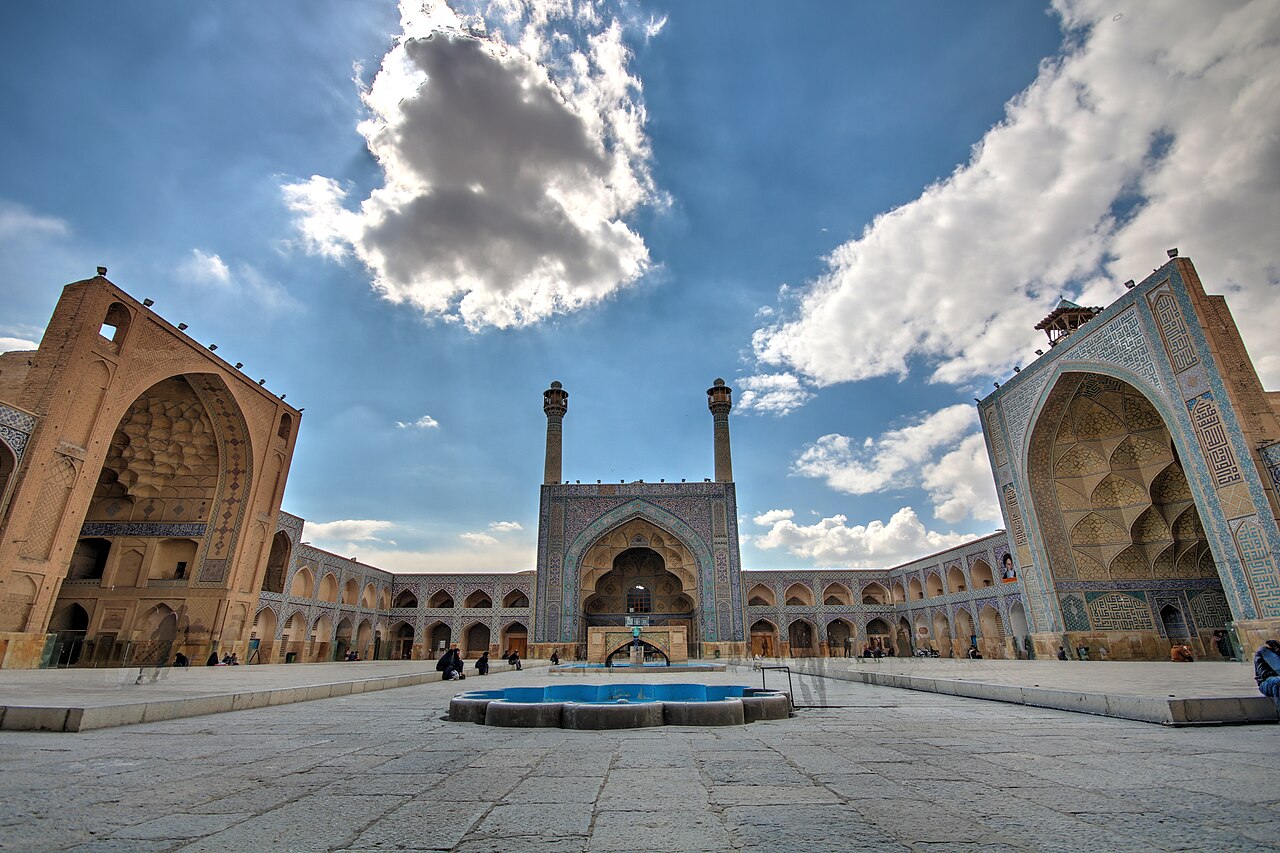
Jameh Mosque of Isfahan
841 (rebuilt 1086-1089 under Khayyám's patrons)
Ready when you are
Start chatting with Omar Khayyam now.
20 messages free · No credit card · Available in 50+ languages.