


Primary sourceArtifact49-48 BC
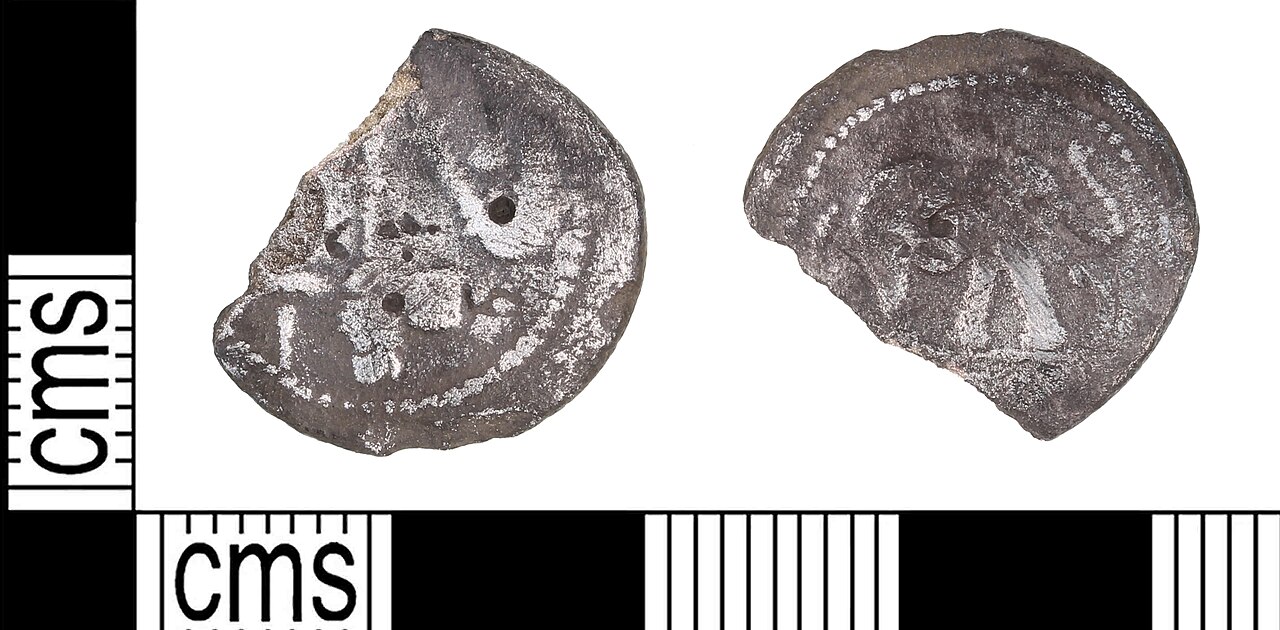
Elephant Denarius of Julius Caesar
Mint of Julius Caesar · 49-48 BC
A silver coin minted by Julius Caesar's army during the civil war, showing an elephant trampling a serpent, possibly a pun on his name.
Caesar commissioned this coin to pay his army, using it to spread an image tied to his own family name.
About this source
What it is
This worn silver denarius was minted for Julius Caesar between 49 and 48 BC, by a mint that travelled with his army. It shows an elephant trampling a serpent above the name CAESAR. It is held today by the British Museum.
Why it matters
Caesar issued this coin to pay his soldiers during the civil war that brought him to sole power in Rome. The elephant image may be a play on his own name, since ancient writers suggested the word 'caesar' was connected to a word for elephant in another language, tied to a family legend about an ancestor who killed one. The coin is a rare example of a ruler using money to send a message about his own identity and family story.
Look closer
- Why would a military leader put a personal symbol on money meant to pay soldiers?
- What does the worn and damaged state of this coin tell us about its history?
- What story might Caesar have wanted this image to tell about himself?
This artifact is part of the curated material that grounds the AI version of Julius Caesar on Humy.ai — when students ask about related events, the AI can quote it and cite it.
More Julius Caesar sources
Meet the AI Julius Caesar →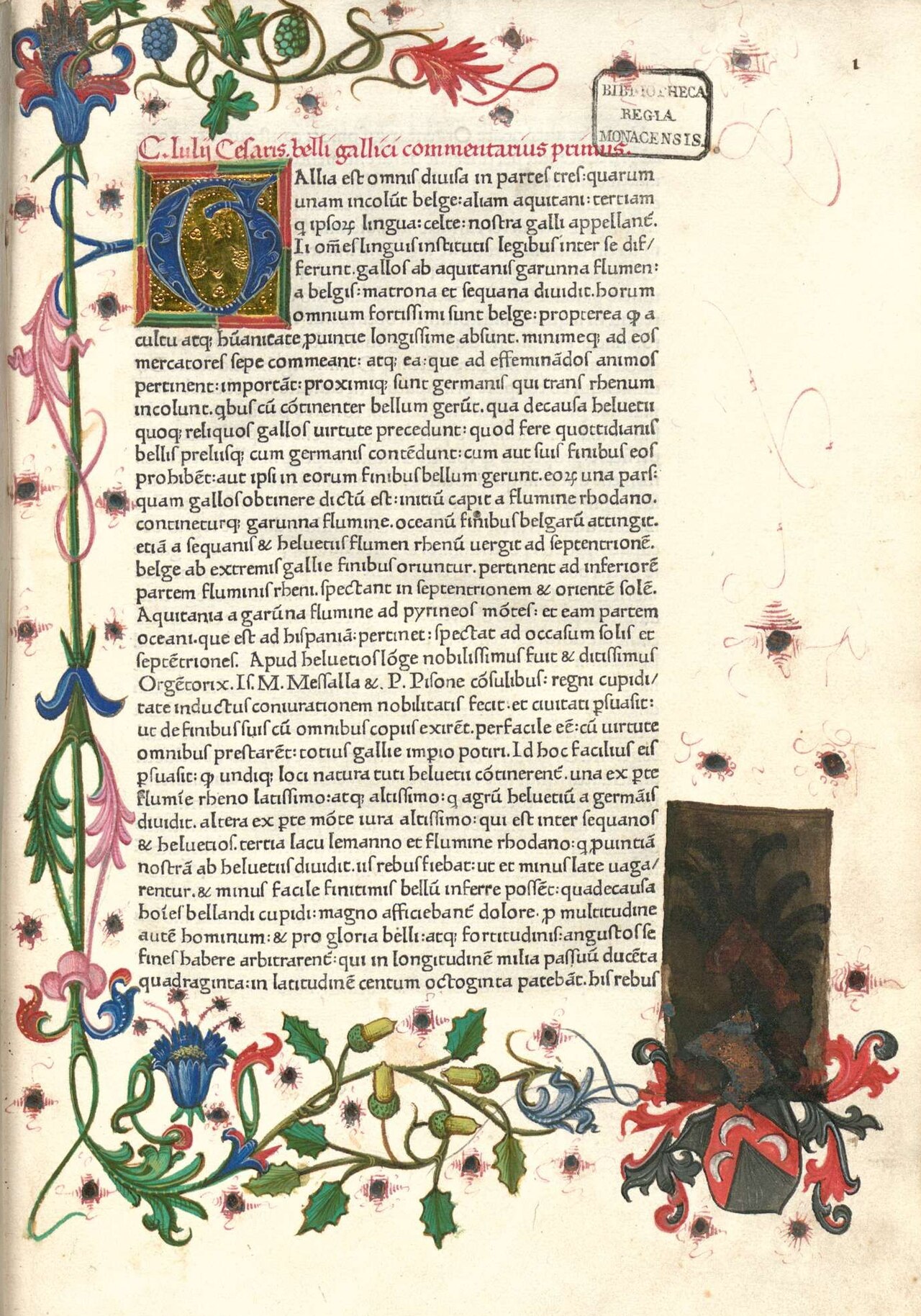 Book
Primary source
Commentarii de Bello Gallico
Julius Caesar · c. 58-50 BCE (this copy 1469)
 Painting
Secondary source
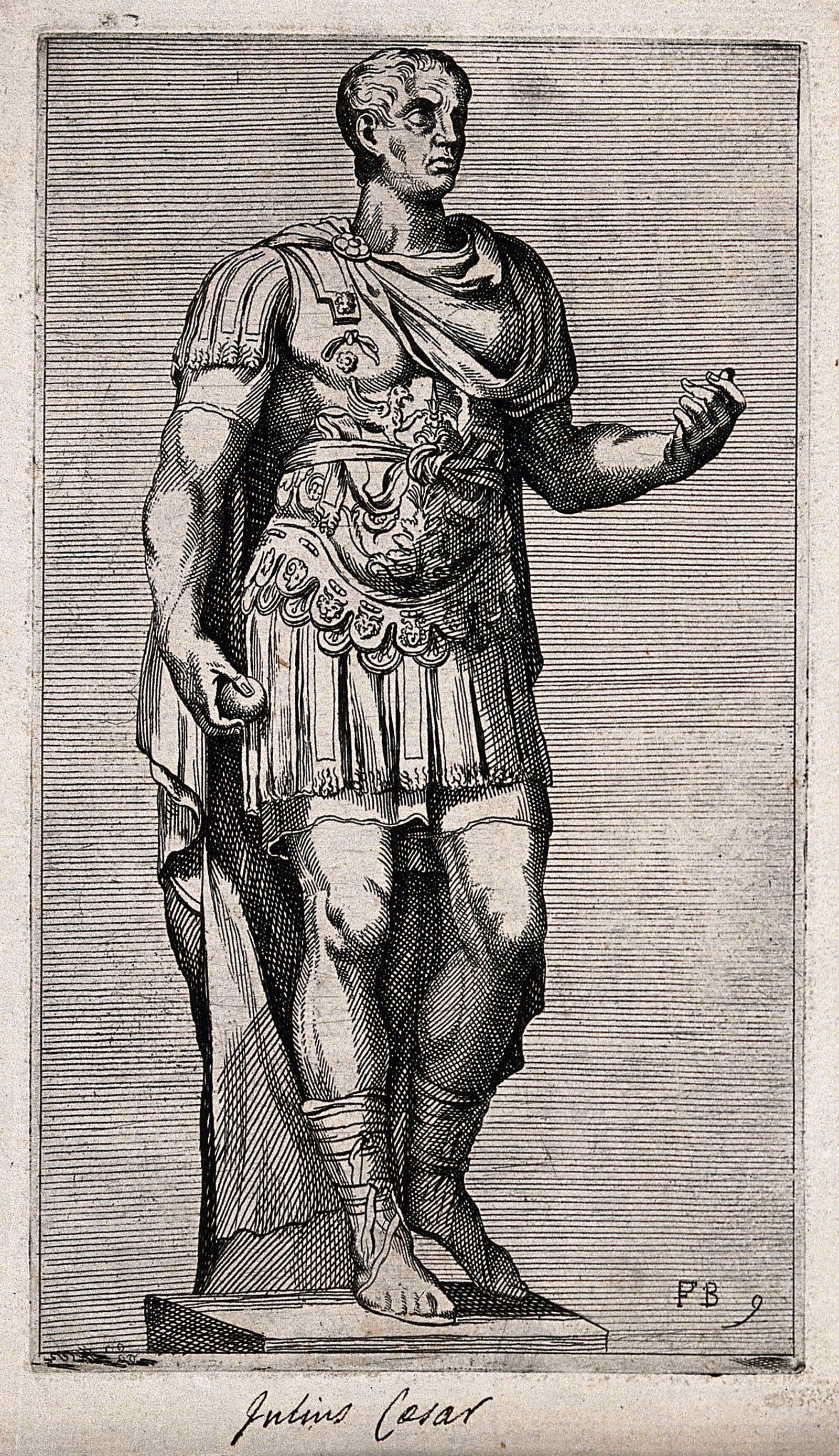
Etched Portrait of Julius Caesar
F. Perrier
 Painting
Secondary source
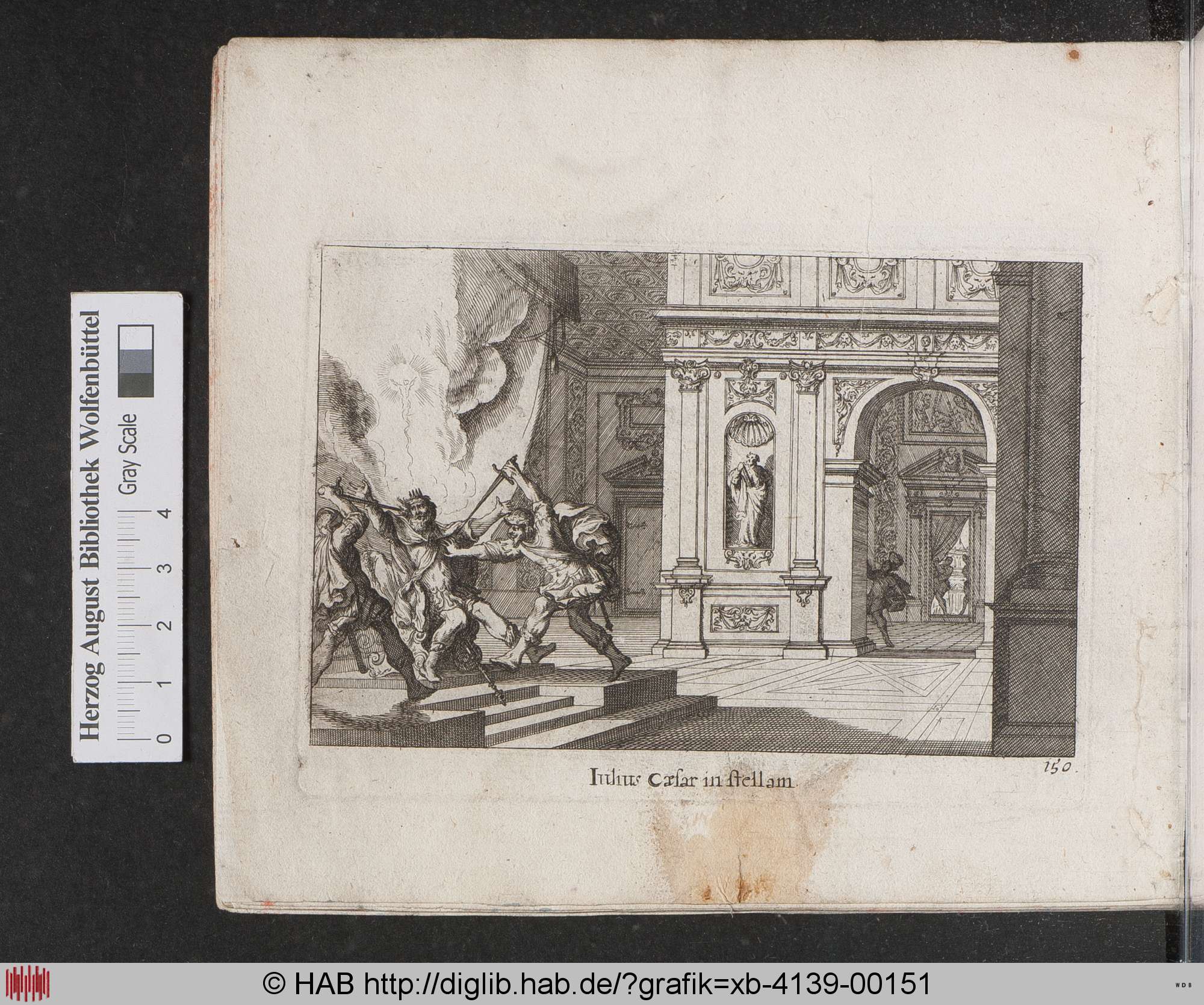
Murder of Julius Caesar in the Senate
 Book
Primary source
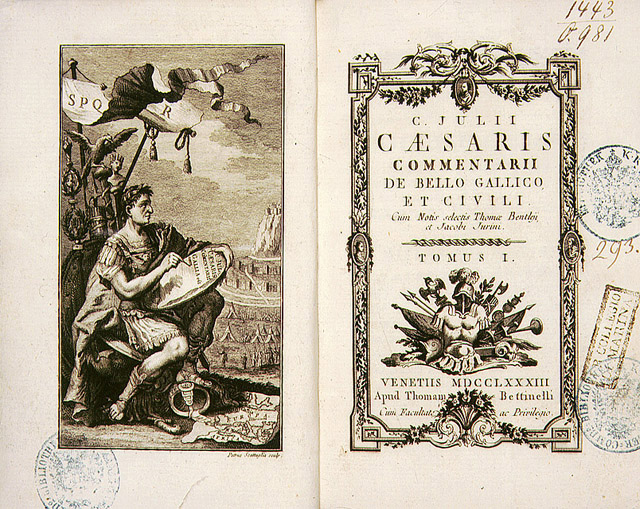
Commentarii de Bello Civili
Julius Caesar · 49-48 BCE
 Painting
Secondary source
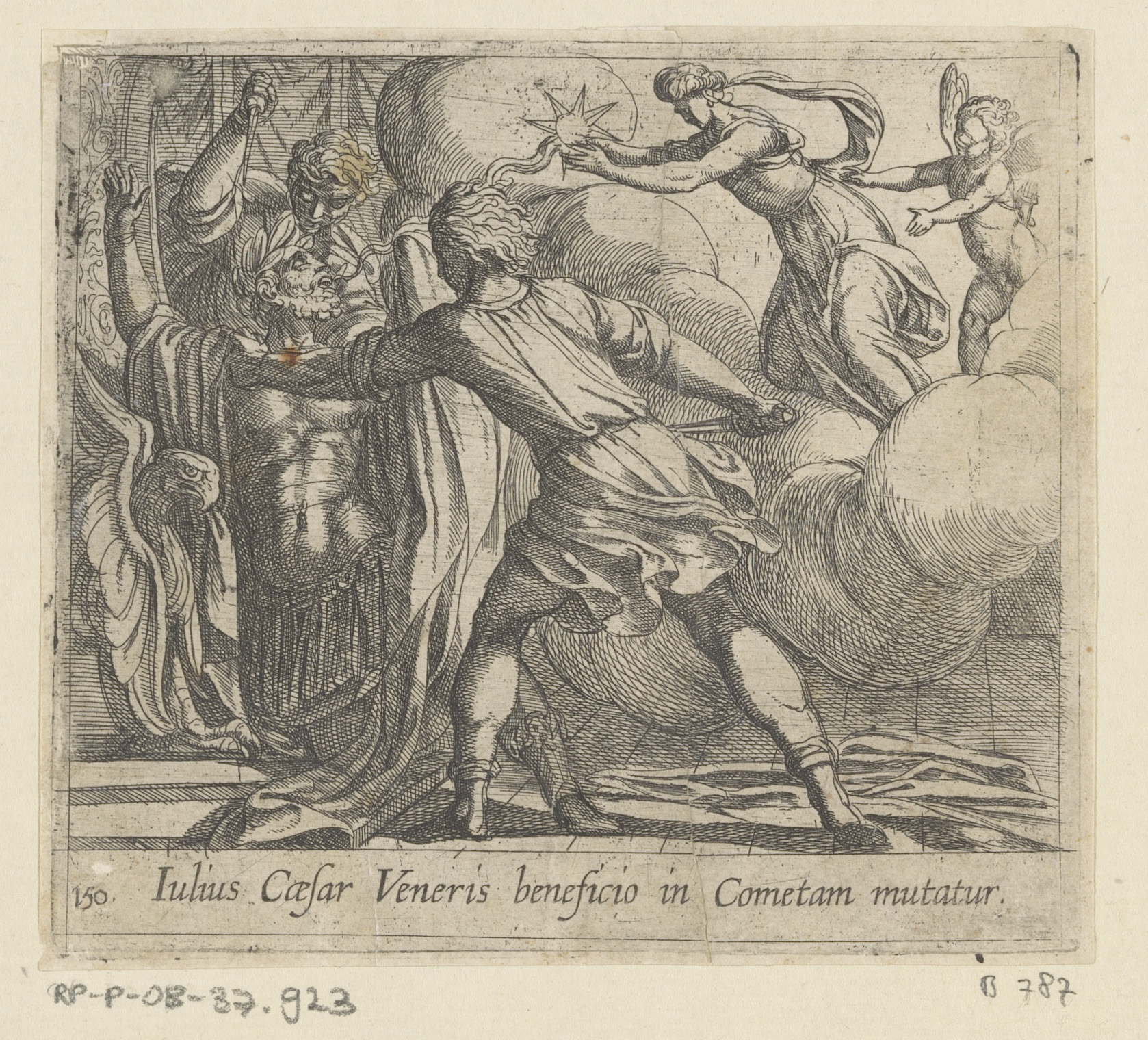
The Murder of Julius Caesar
1606
Ready when you are
Start chatting with Julius Caesar now.
20 messages free · No credit card · Available in 50+ languages.