


Secondary sourcePainting
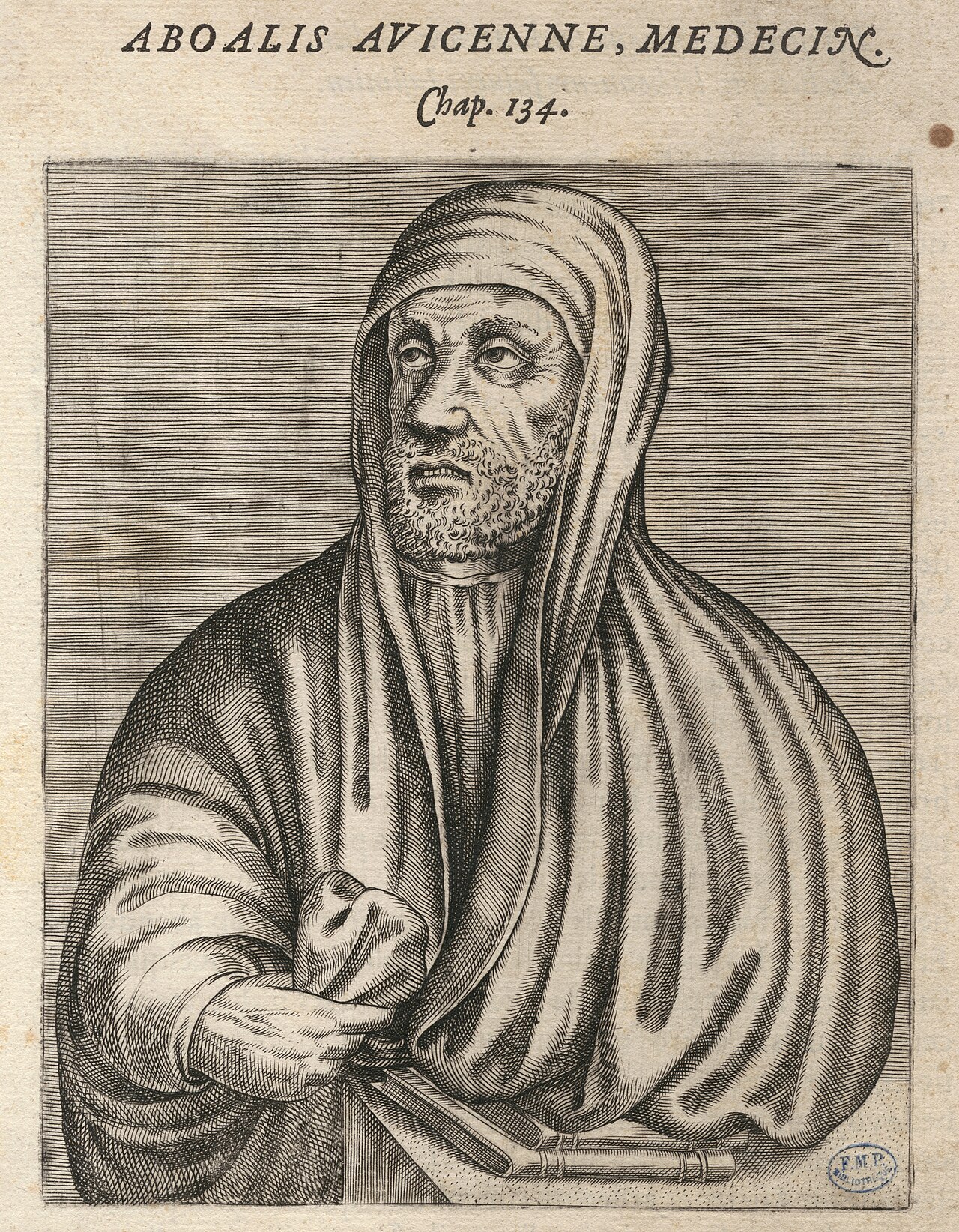
Engraving of Avicenna by André Thevet
André Thévet
An engraving by the 16th-century French cosmographer André Thevet showing an imagined likeness of Avicenna as an old man.
Shows an imagined 16th-century European likeness of Avicenna, the kind of picture that shaped how readers in Europe understood him.
About this source
What it is
This is a black-and-white engraving of a bearded old man in a draped hood and robe, holding a book or tablet at the lower left. The caption reads ABOALIS AVICENNE, MEDECIN, with 'Chap. 134' above it. A library stamp appears in the lower right corner. The engraver is recorded as André Thévet, who lived from 1504 to 1592.
Why it matters
André Thévet was a French cosmographer, and his book included portraits of notable people. This engraving is an early European imagined likeness of Avicenna, made for readers who had never seen him. It shows how European writers of the 1500s pictured a physician from the Islamic world, and it is a secondary source.
Look closer
- What clues in the robe, hood, and book suggest that the artist wanted Avicenna to look learned?
- Why might a French writer include a portrait of a physician from the past?
- What does the engraving leave out, and how could the artist have known what Avicenna looked like?
This painting is part of the curated material that grounds the AI version of Avicenna on Humy.ai — when students ask about related events, the AI can quote it and cite it.
More Avicenna sources
Meet the AI Avicenna →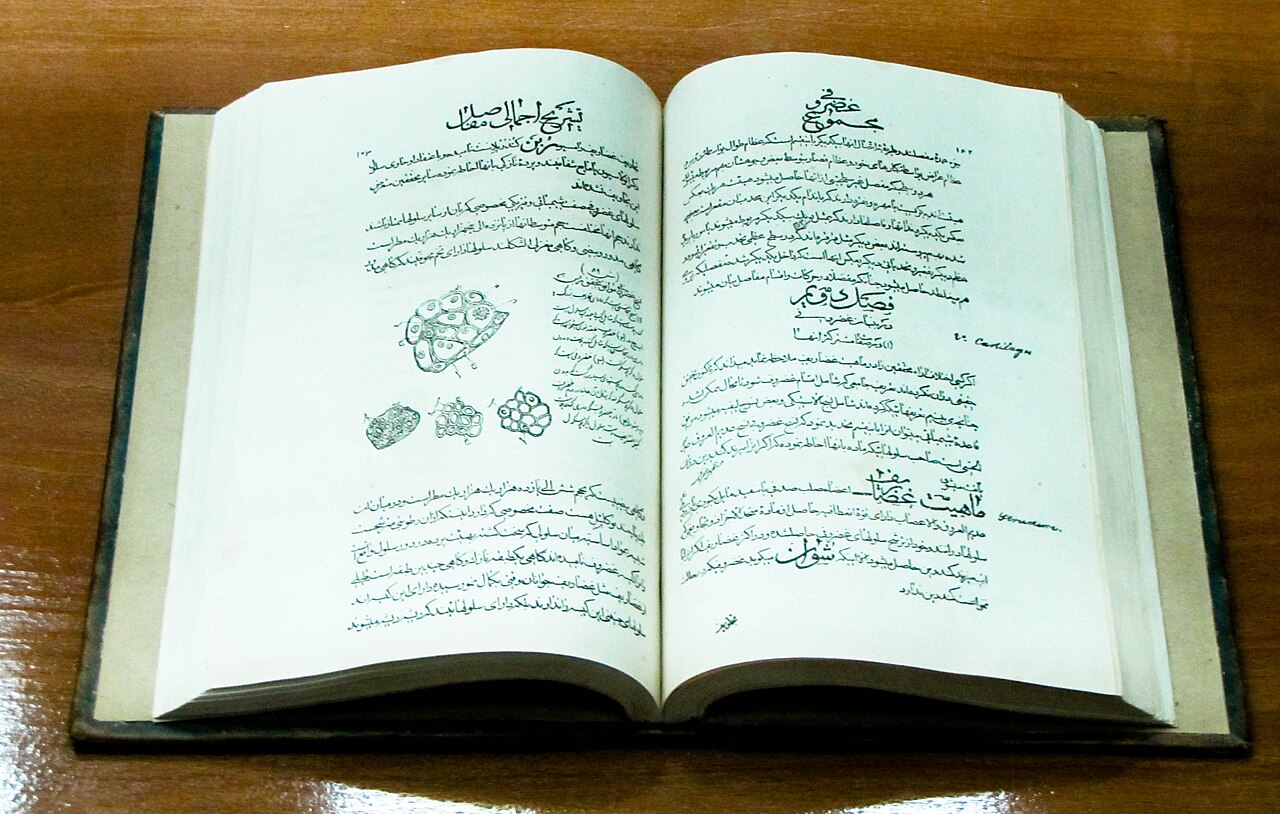 Book
Secondary source
Canon of Medicine
Avicenna · 1025
 Book
Primary source
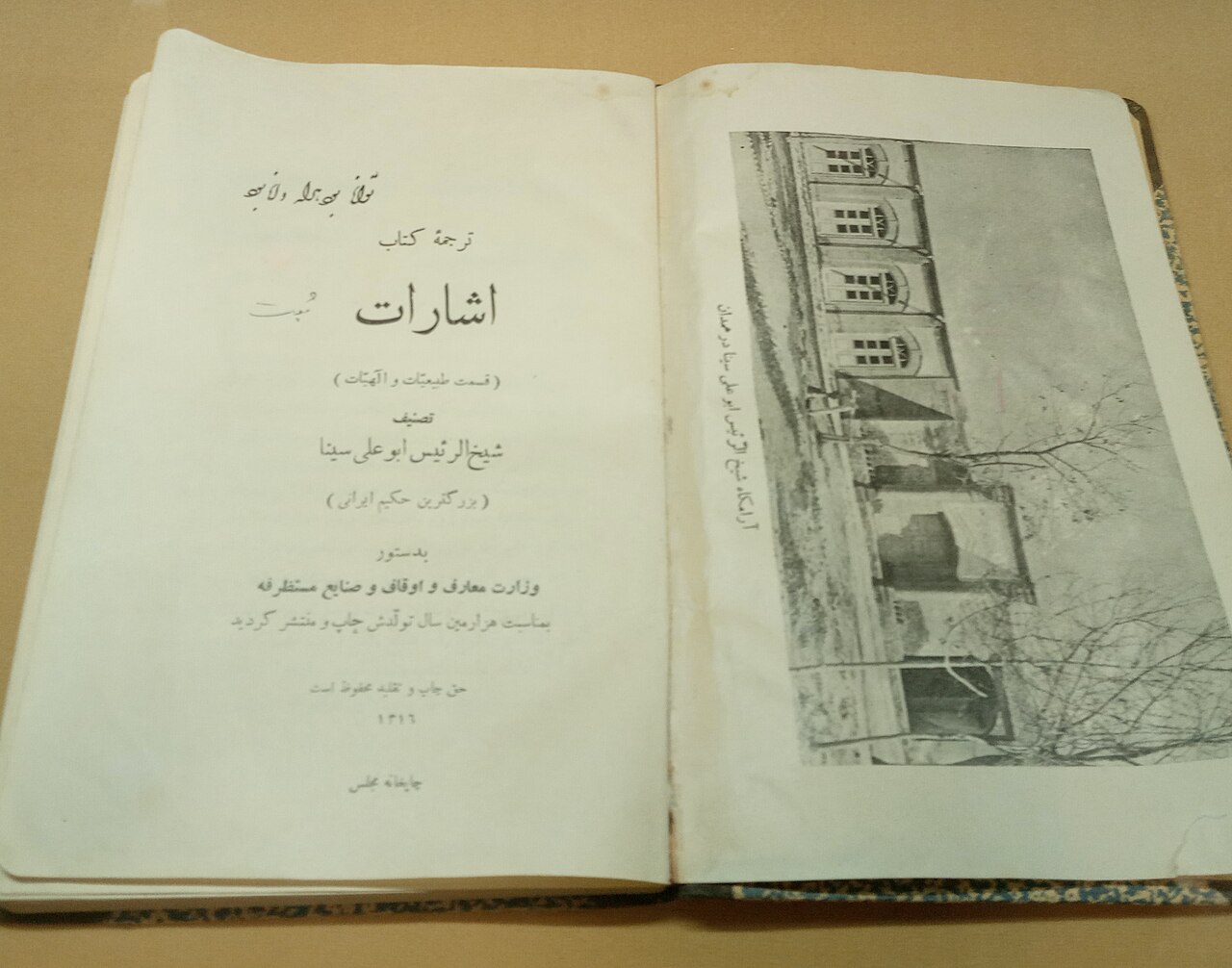
Al-Isharat wa al-Tanbihat
Avicenna
Secondary source
Commentary on Anatomy in Avicenna's Canon
Ibn al-Nafis · 13th century
 Painting
Secondary source
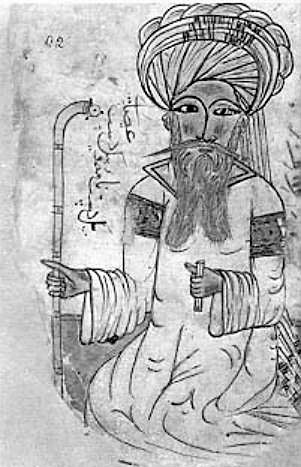
Avicenna (Subtilties of Truth manuscript image)
Beckwith · 1271
 Painting
Secondary source
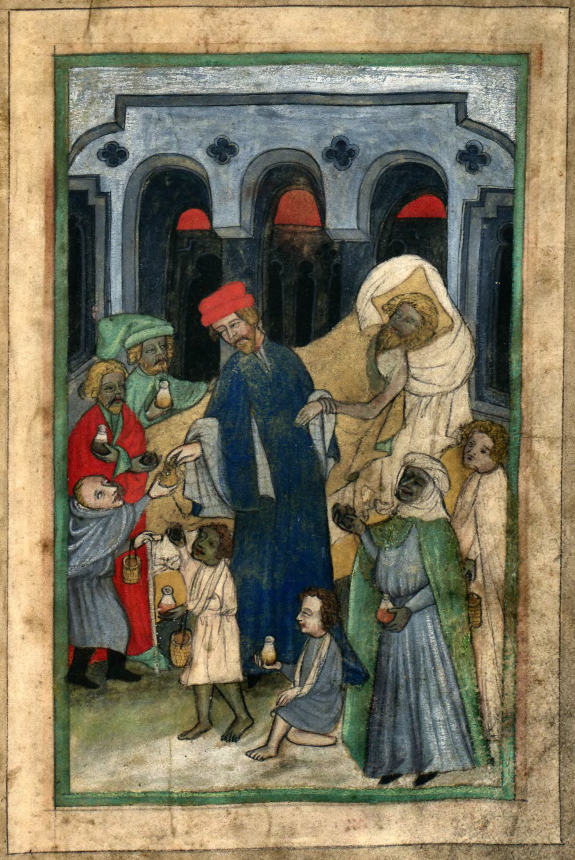
Avicenna at the Sickbed
Walenty z Pilzna · c. 1479-1480
Ready when you are
Start chatting with Avicenna now.
20 messages free · No credit card · Available in 50+ languages.