


Secondary sourcePainting1885 reproduction of a 1609 work
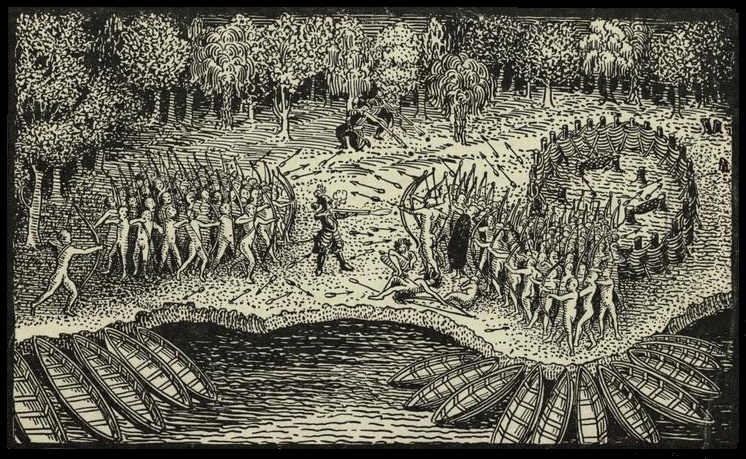
Engraving of Champlain's 1609 Battle with the Iroquois
Unknown 19th-century engraver, after Samuel de Champlain · 1885 reproduction of a 1609 work
An 1885 engraving based on a drawing by Samuel de Champlain of a 1609 battle near Lake Champlain. It was published in a book by Francis Parkman.
Shows a battle Champlain witnessed in 1609, known through his own drawing and recorded in this later engraving.
About this source
What it is
This is a black and white engraving of a battle scene. Two armed groups with bows and shields face each other across a sandy clearing near a river lined with canoes. A fortified palisade stands at right, and figures in the foreground shoot arrows. Some figures appear wounded or fallen. The engraving was made in 1885 after a drawing by Samuel de Champlain of his 1609 voyage. The record says it shows a battle on July 30 between Iroquois and Algonquian tribes, near the southern end of Lake Champlain. It was published on page 8 of Francis Parkman's Historic Handbook of the Northern Tour.
Why it matters
The image reaches us through two intermediaries: Champlain's own drawing and a later engraver's version, printed in a travel guide. It shows how a 1609 event was passed on and reshaped for nineteenth-century readers. It also shows how Champlain's alliance with Algonquian groups in conflict with the Iroquois became part of his story.
Look closer
- Who is fighting, and how does the artist show which side is which?
- Why would an 1885 publisher include a violent battle scene in a guide for tourists?
- What does this engraving leave out about the people involved and their own accounts of the battle?
This painting is part of the curated material that grounds the AI version of Samuel de Champlain on Humy.ai — when students ask about related events, the AI can quote it and cite it.
More Samuel de Champlain sources
Meet the AI Samuel de Champlain → Book
Primary source
Les Voyages du sieur de Champlain
Samuel de Champlain · 1613
 Document
Primary source
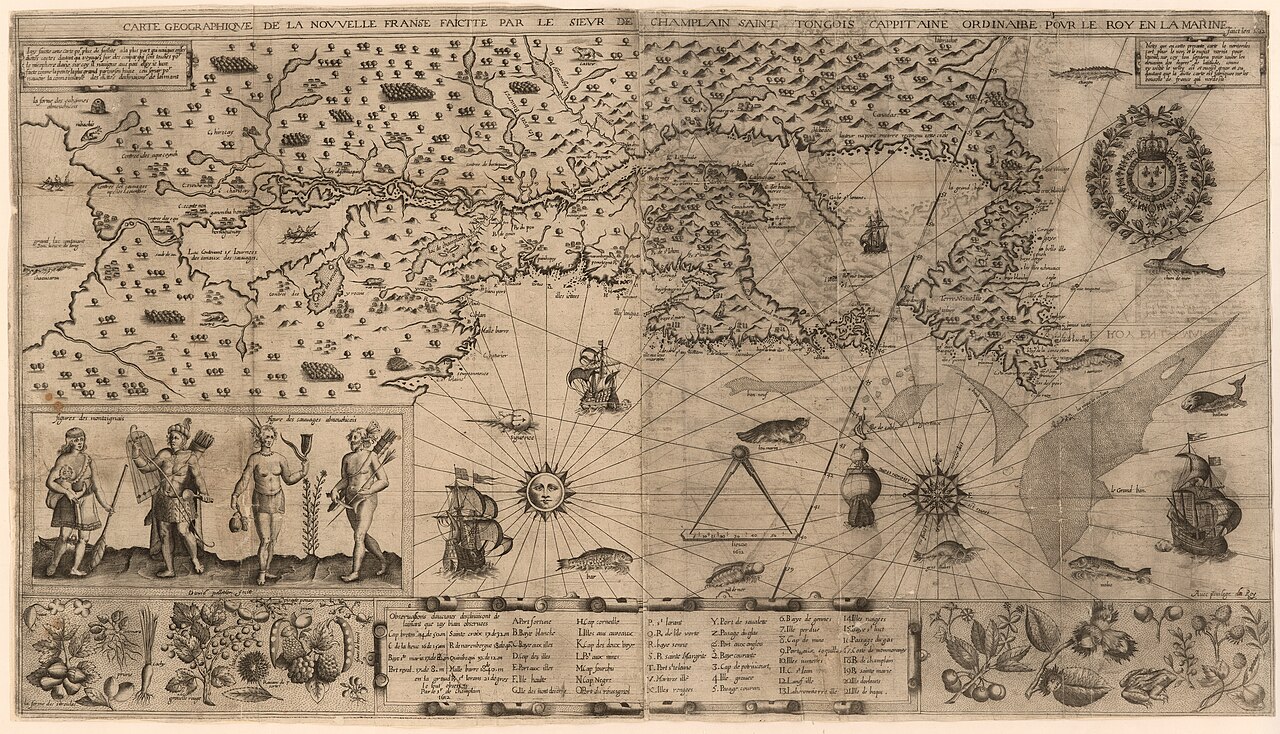
Carte geographique de la Nouvelle Franse
Samuel de Champlain · 1612
 Book
Primary source
Des Sauvages, ou voyage de Samuel Champlain
Samuel de Champlain · 1603
 Document
Primary source
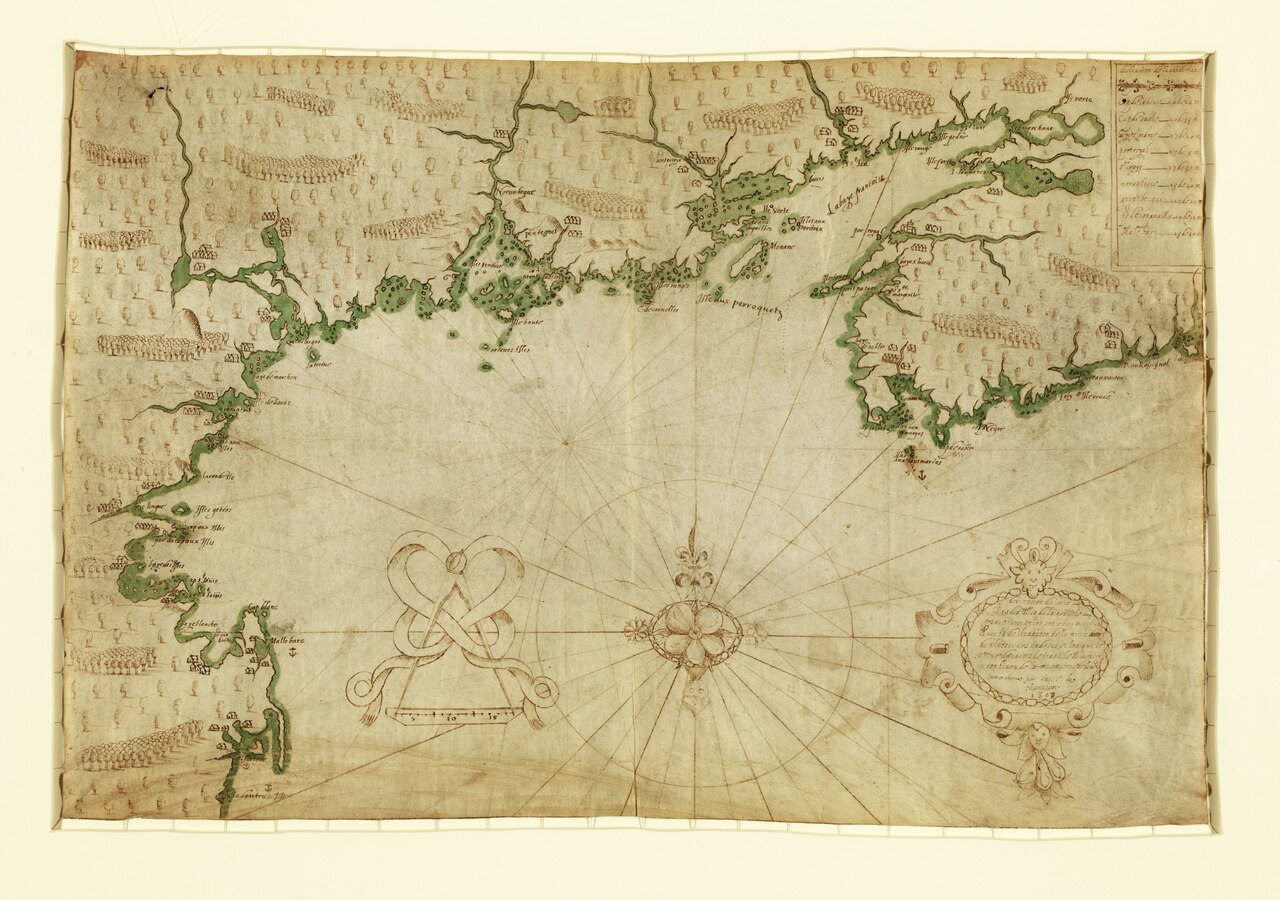
Descripsion des costs, pts., rades, Illes de la Nouuele France
Samuel de Champlain · 1607
 Document
Primary source
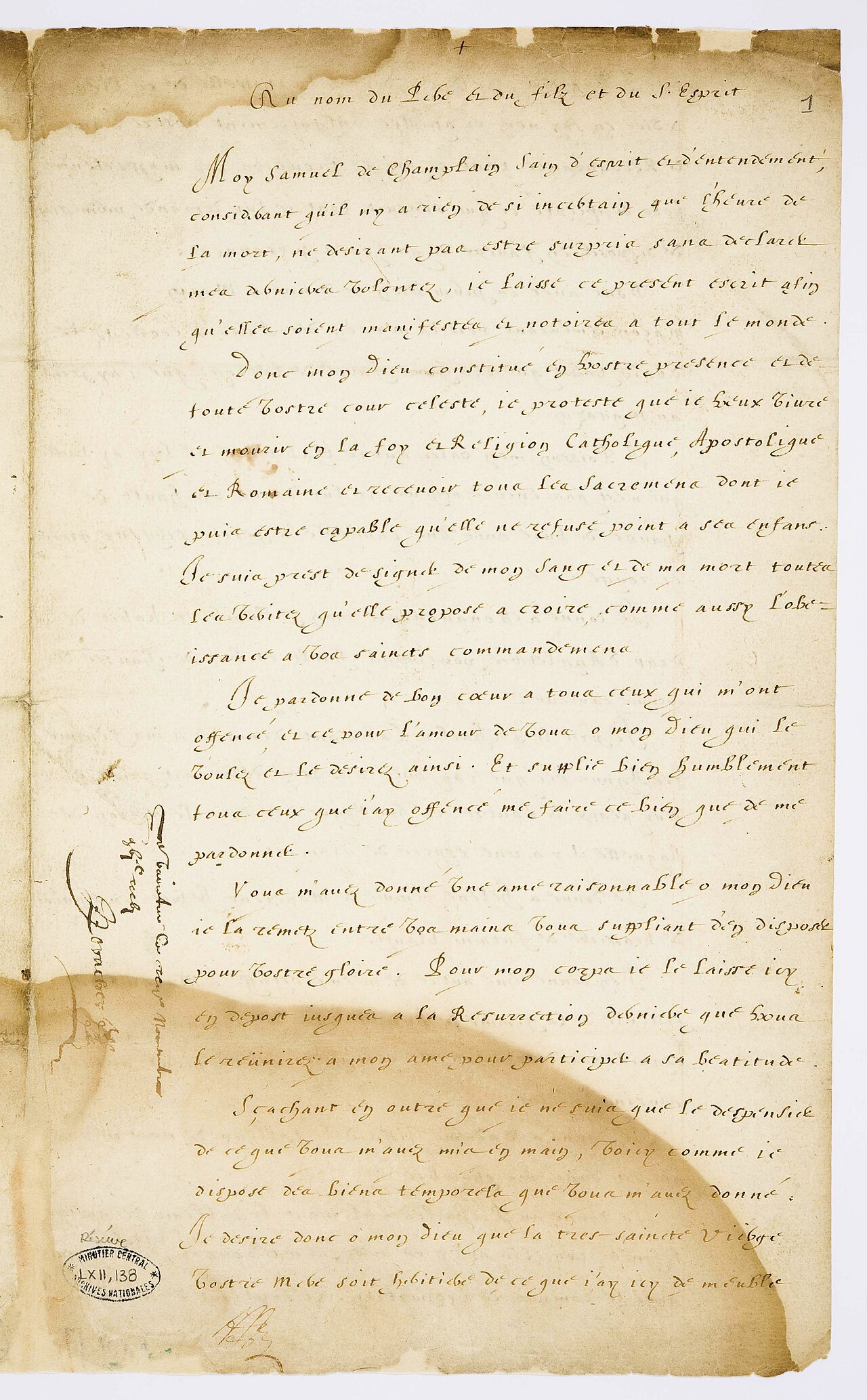
Testament de Samuel Champlain
Samuel de Champlain · 17 November 1635
Ready when you are
Start chatting with Samuel de Champlain now.
20 messages free · No credit card · Available in 50+ languages.