


Secondary sourcePainting18th century
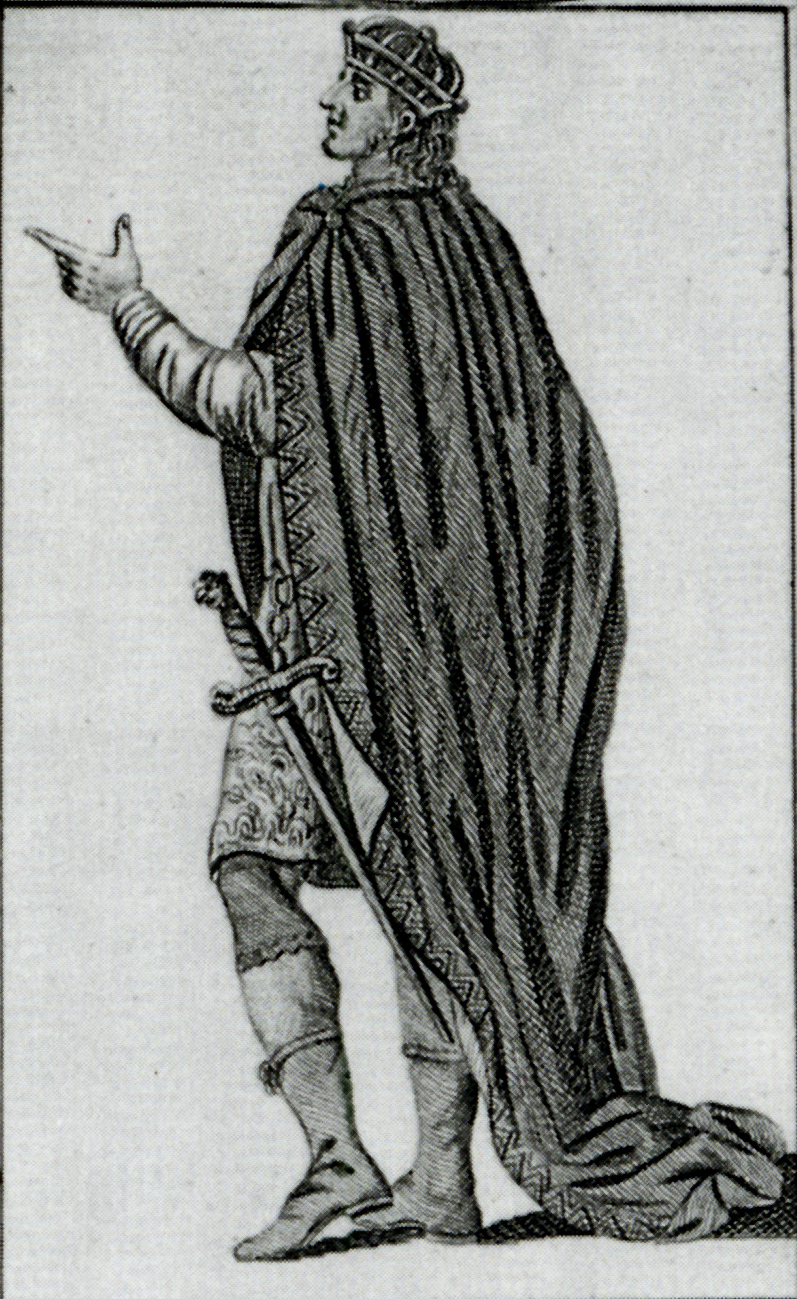
Engraving of King Athelstan
Unknown · 18th century
An 18th-century engraving imagining the appearance of King Athelstan, held by the National Portrait Gallery.
An imagined later portrait showing how 18th-century Britain pictured its first king of a unified England.
About this source
What it is
This is a black and white engraving made in the 18th century, held by the National Portrait Gallery. It shows a crowned king in profile, wearing a striped cloak and sword, pointing forward with one hand.
Why it matters
Made many centuries after Æthelstan's death, this engraving is not based on any real likeness of him. It instead reflects how 18th-century artists and audiences imagined early English kings, often dressing them in costumes that matched ideas of royal history rather than historical accuracy.
Look closer
- What clues show this image was imagined rather than drawn from life?
- Why might artists centuries later want to create portraits of early kings?
- How does the pose and costume try to make Æthelstan look powerful?
This painting is part of the curated material that grounds the AI version of Aethelstan on Humy.ai — when students ask about related events, the AI can quote it and cite it.
More Aethelstan sources
Meet the AI Aethelstan →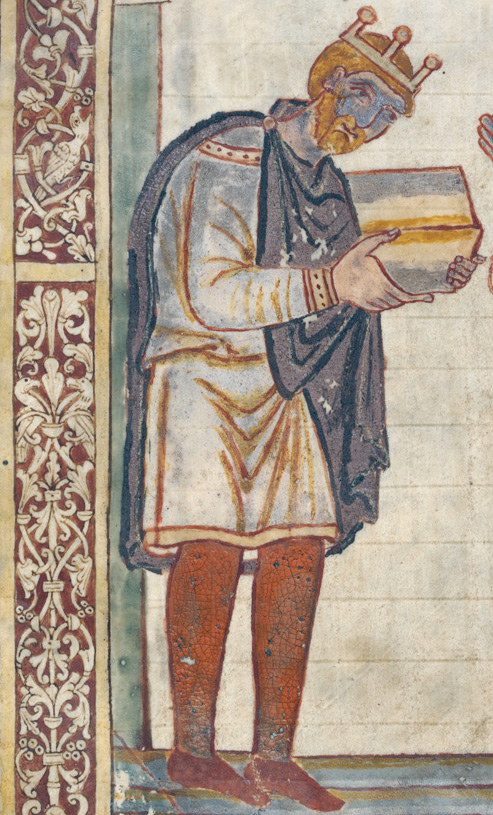 Painting
Primary source
Æthelstan Presenting a Book to St Cuthbert
c. 934
 Document
Primary source
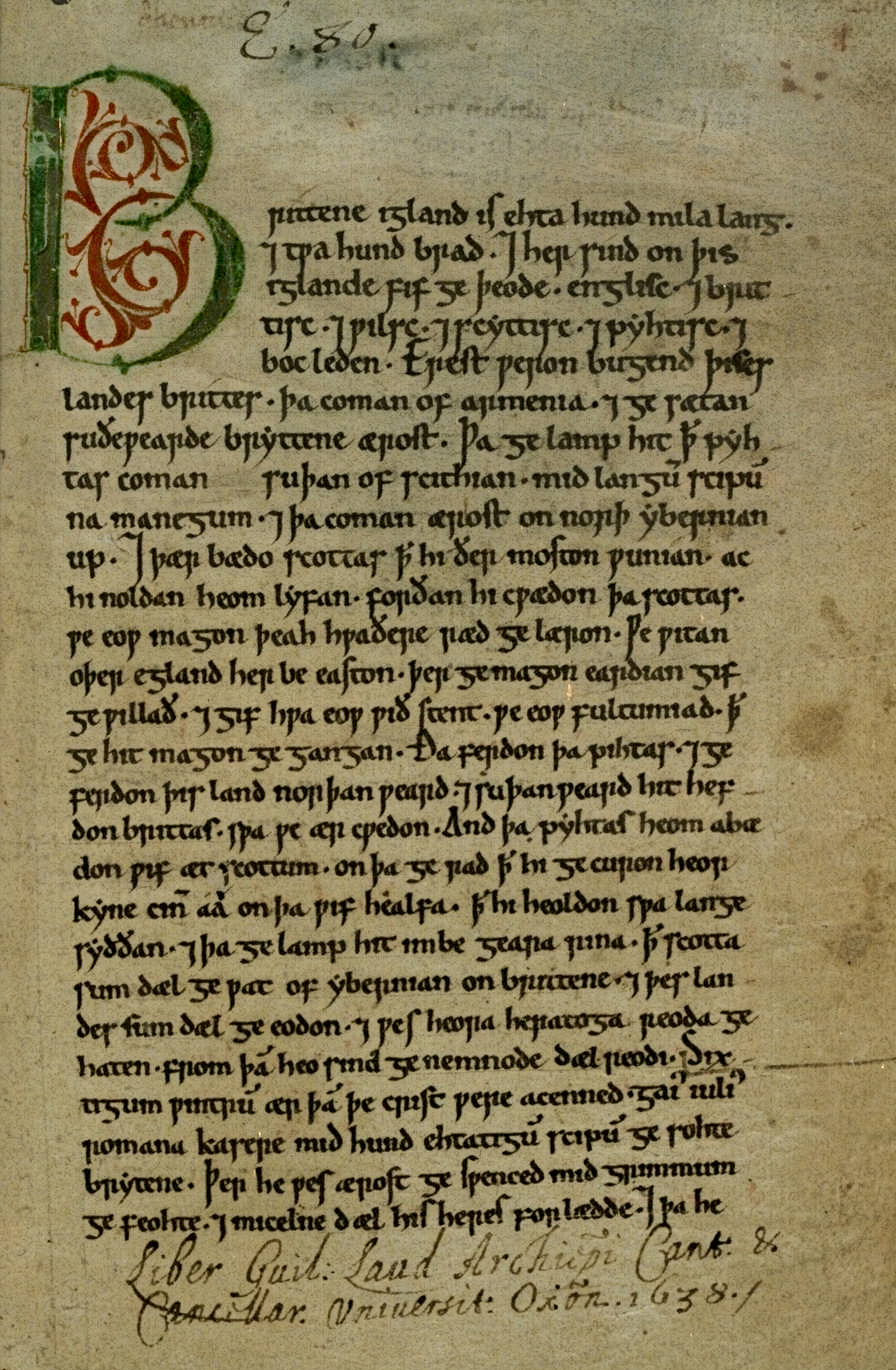
Anglo-Saxon Chronicle
c. 890 (Common Stock)
 Document
Secondary source
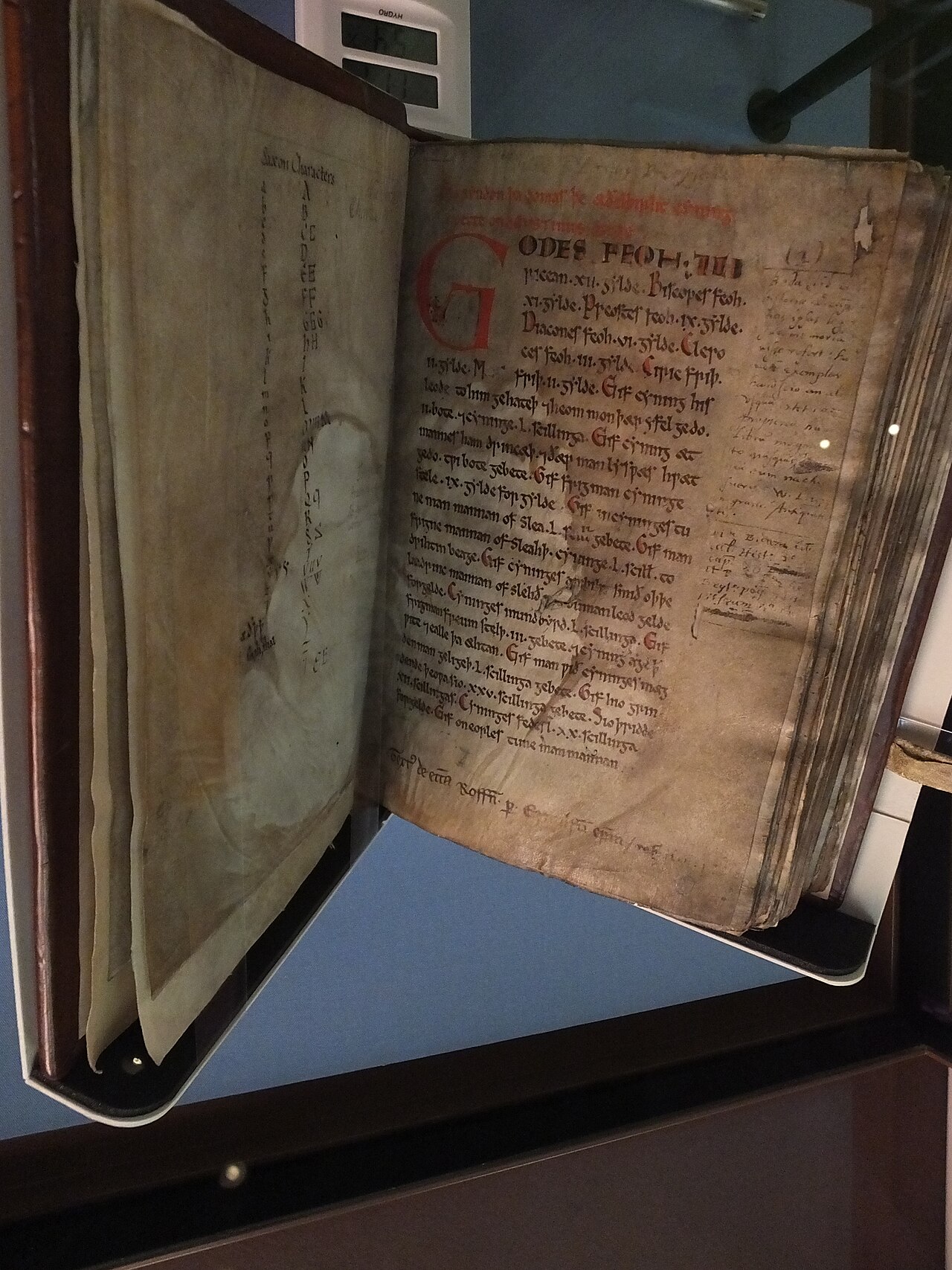
Textus Roffensis
c. 1300 (this copy; text 1122-1124)
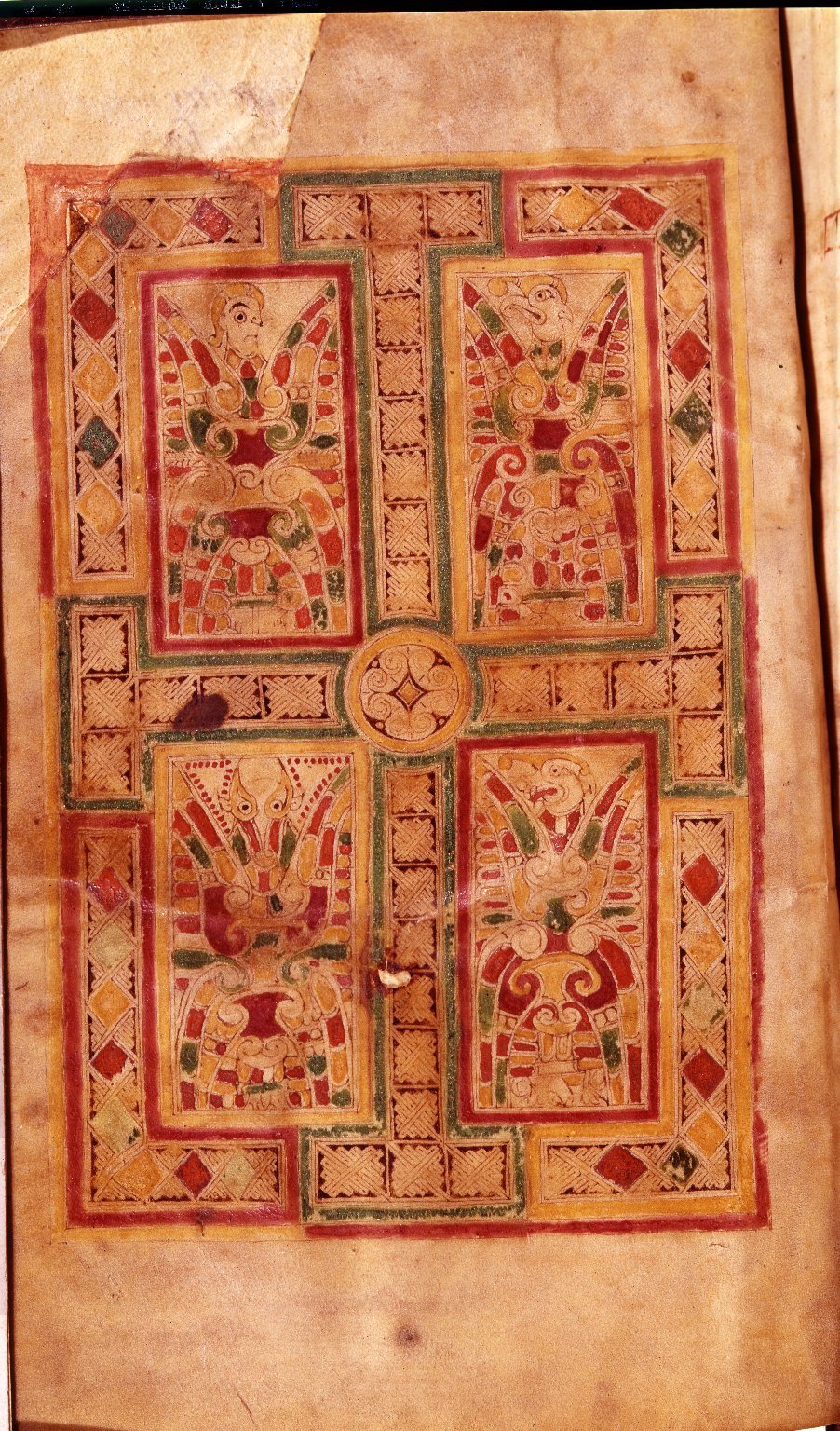 Book
Primary source
Mac Durnan Gospels
9th-10th century
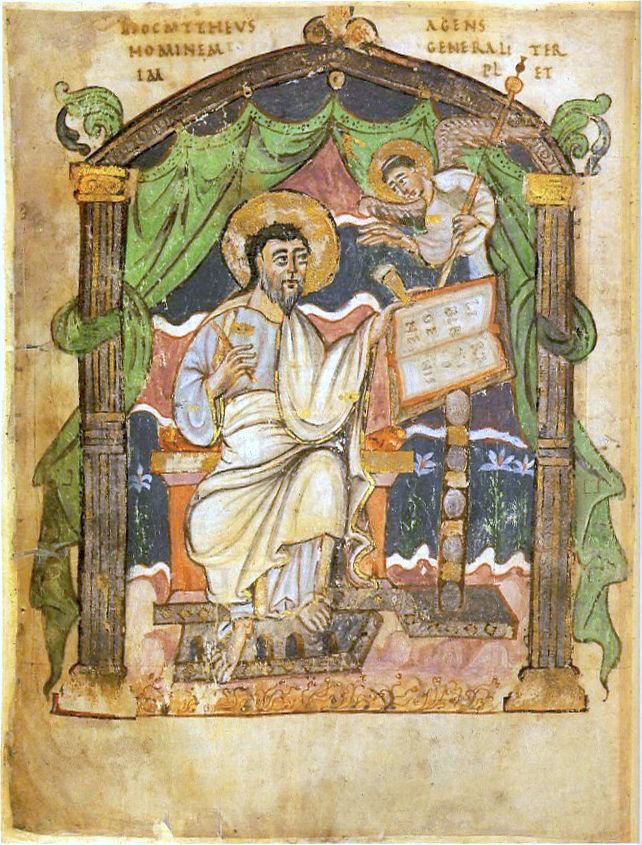 Book
Primary source
Coronation Gospels of Æthelstan
late 9th or early 10th century
Ready when you are
Start chatting with Aethelstan now.
20 messages free · No credit card · Available in 50+ languages.