


Primary sourcePainting1603
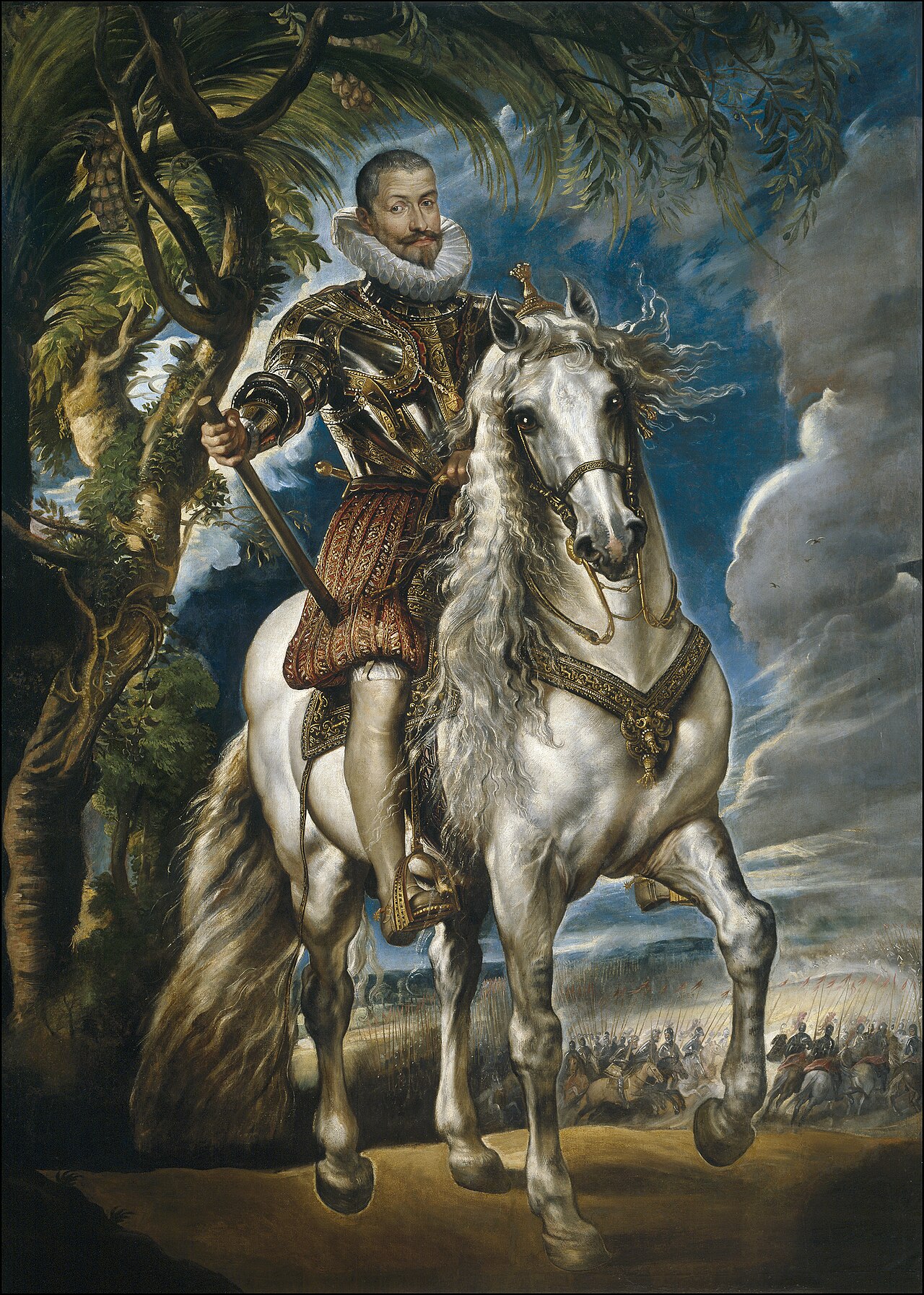
Equestrian Portrait of the Duke of Lerma
Peter Paul Rubens · 1603
Rubens's painting of the Duke of Lerma, Philip III's chief minister, shown on horseback in a style usually reserved for kings.
This portrait of Philip III's powerful chief minister illustrates how much authority the king delegated during his reign.
Free Humy account · No credit card · 120,912 sources to read
About this source
What it is
This portrait shows Francisco Gómez de Sandoval, Duke of Lerma, on horseback. It was painted by Peter Paul Rubens in 1603 and is now held at the Museo del Prado. Lerma served as the chief minister, or valido, of King Philip III.
Why it matters
Equestrian portraits were normally reserved for monarchs, so showing Lerma this way reveals how much power he held under Philip III, who relied heavily on his ministers to govern. The painting is a striking record of how far royal favour could elevate a nobleman's public image.
Look closer
- Why might painting a minister like a king cause controversy at court?
- What does Lerma's pose, armor, and baton suggest about how he wanted to be seen?
- What does this painting tell us about Philip III's style of ruling through favourites?
This painting is part of the curated material that grounds the AI version of Philip III of Spain and Peter Paul Rubens on Humy.ai — when students ask about related events, the AI can quote it and cite it.
More Philip III of Spain sources
Browse all 92 →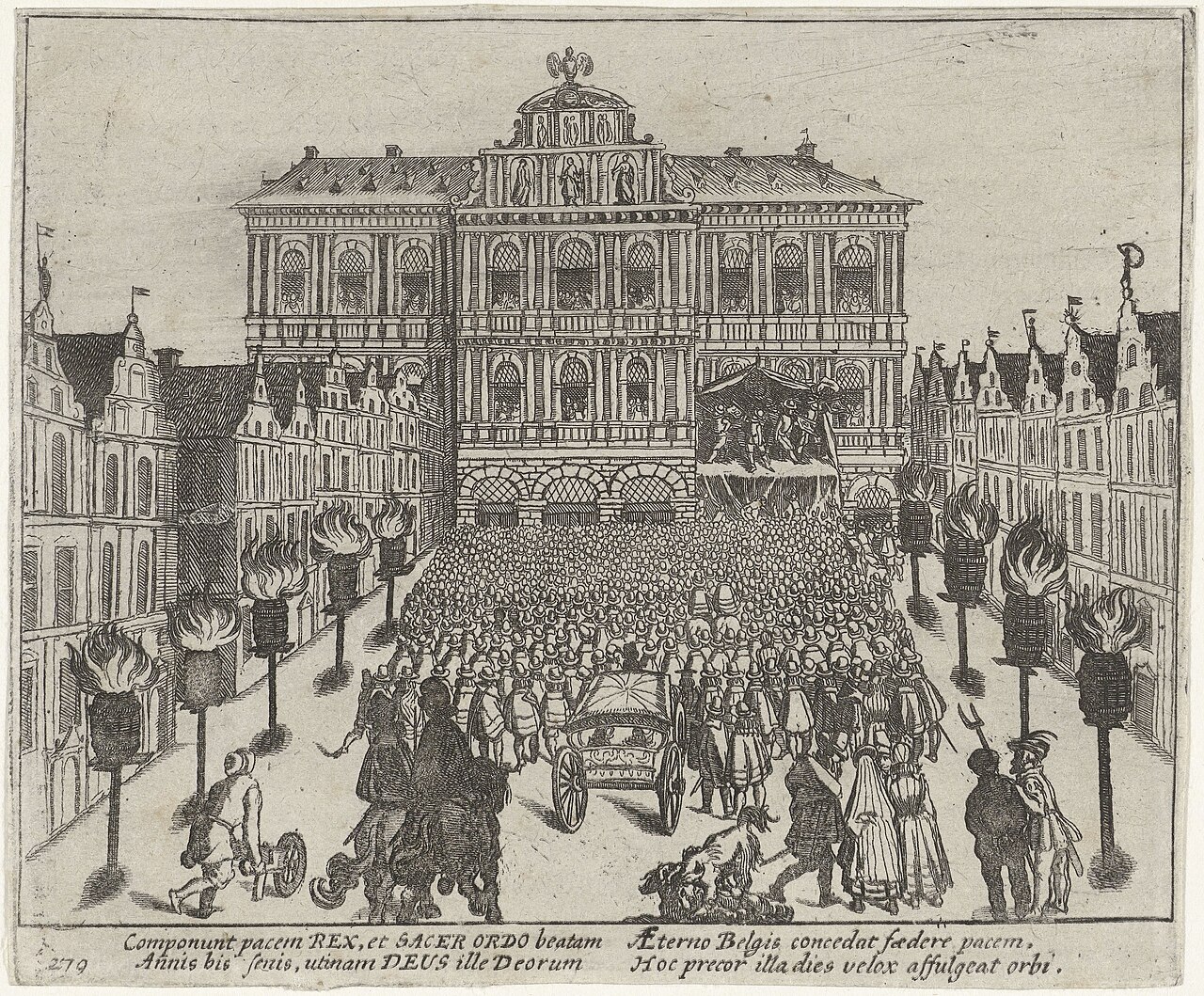 Document
Primary source
Twelve Years' Truce
1609
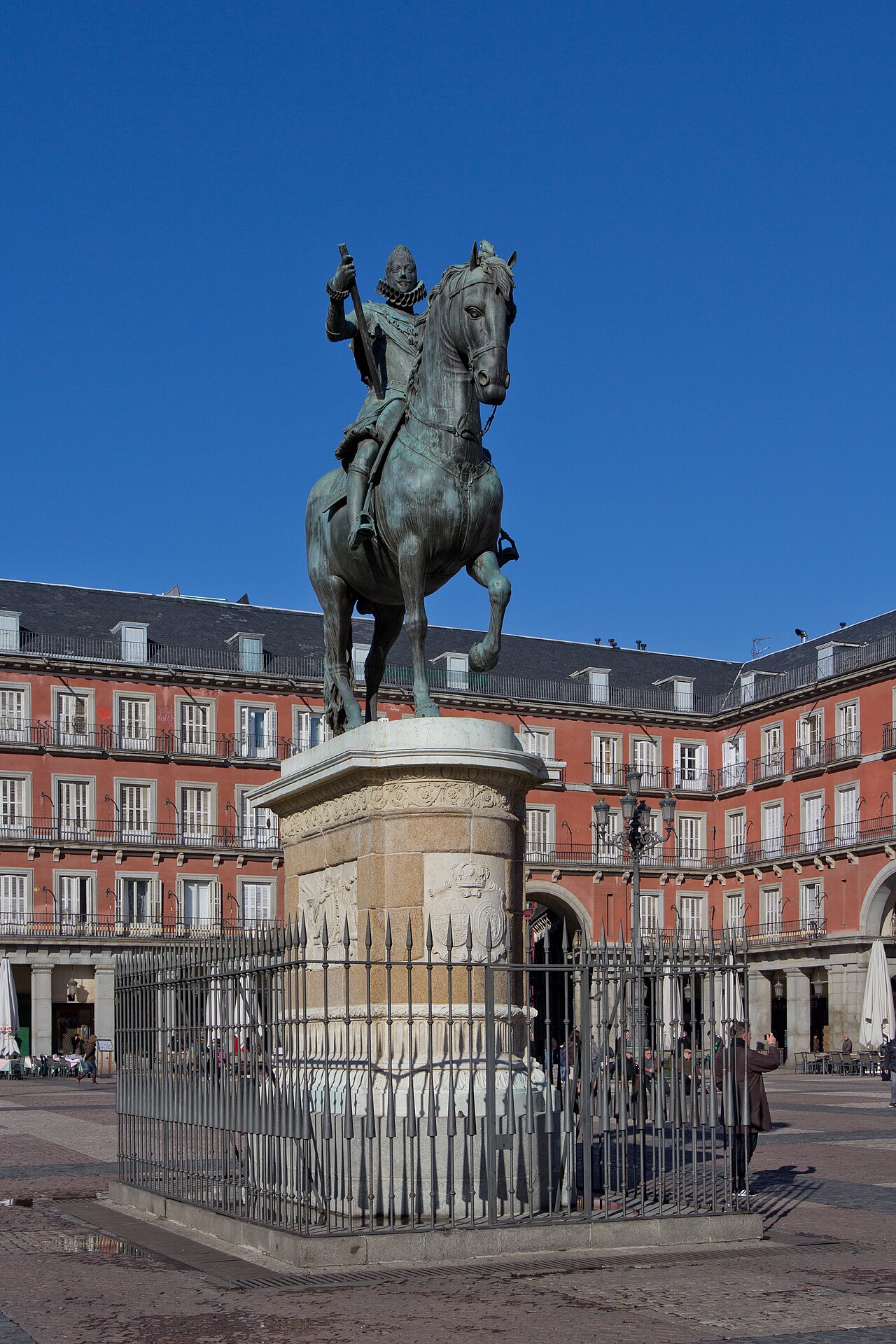 Sculpture
Secondary source
Equestrian statue of Philip III of Spain, Madrid
Giambologna · 1616
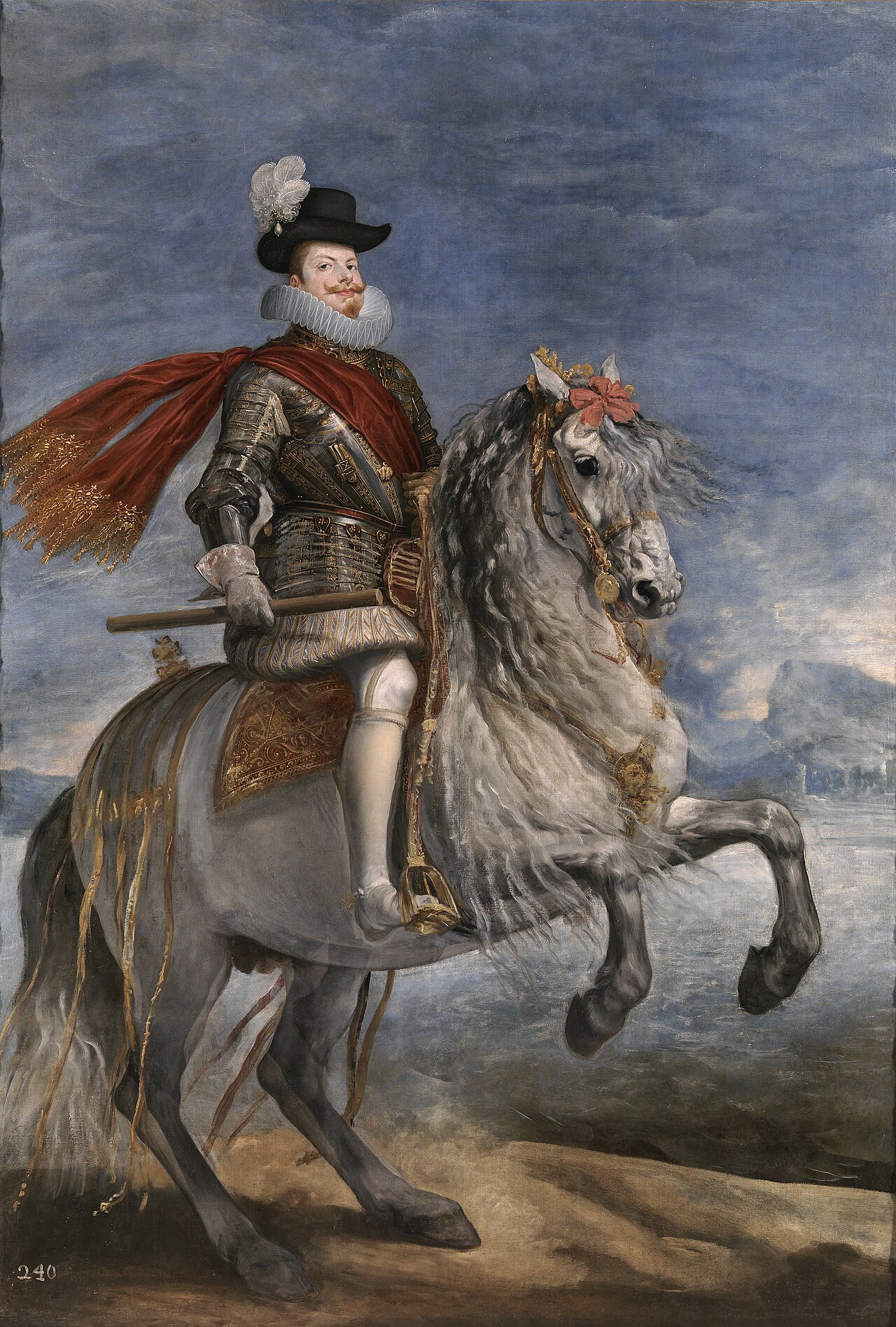 Painting
Secondary source
Equestrian Portrait of Philip III
Diego Velázquez · 1634/35
 Painting
Primary source
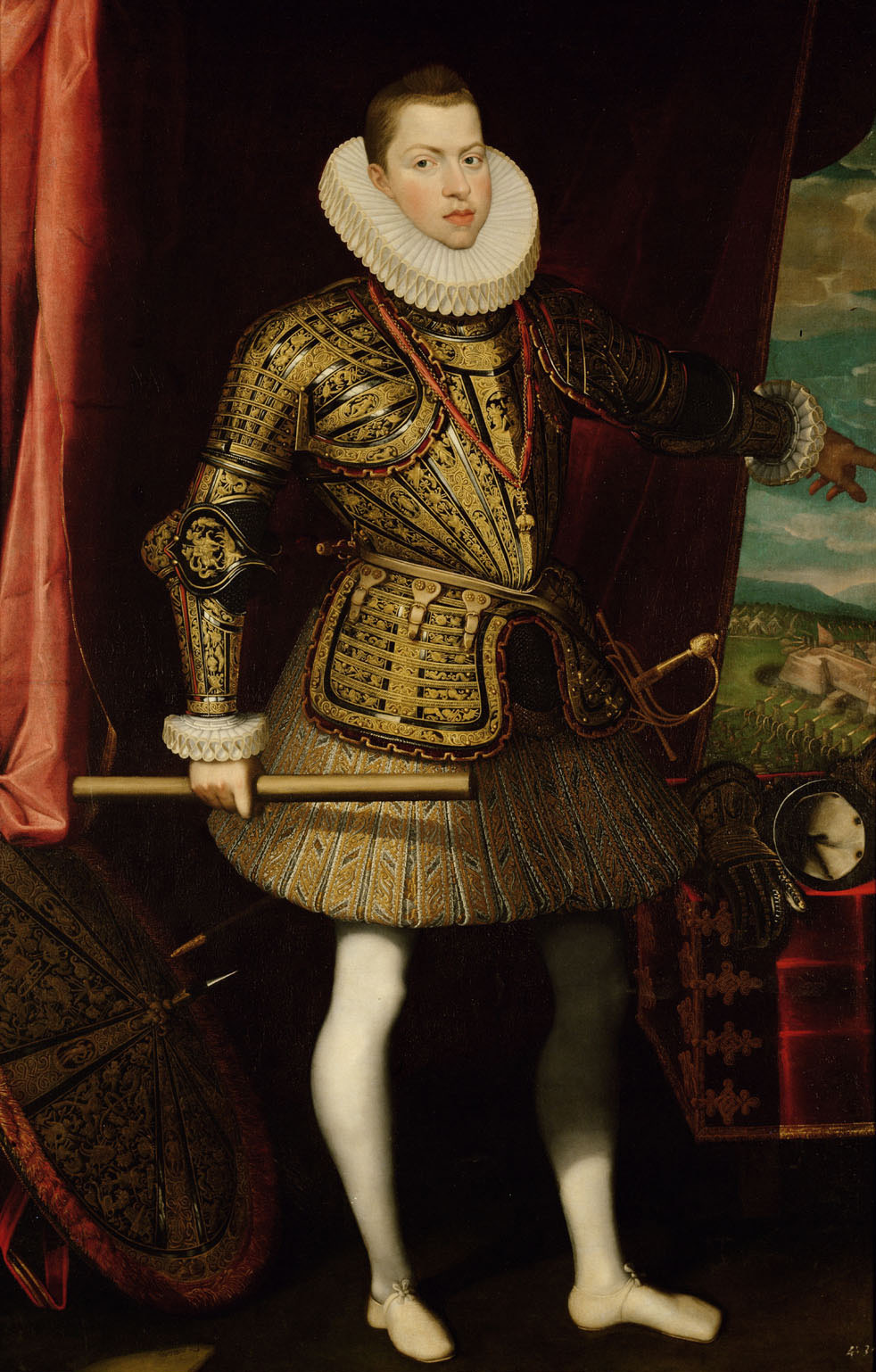
King Philip III of Spain as General of the Infantry
Juan Pantoja de la Cruz · 1601
Free account
Read every Philip III of Spain source
Sign up free →
Ready when you are
Start chatting with Philip III of Spain now.
20 messages free · No credit card · Available in 50+ languages.